Sun Weaver Marsanne: White Rhône Magic Between Linen and Light
Marsanne – a quiet, golden Rhône beauty: silky texture, pear and apricot, almond and fennel, perfect with soulful, aromatic food.
Sonnenweberin Marsanne: Weißer Rhônezauber zwischen Leinen und Licht
Dear wine lovers,
some grape varieties are loud – they push to the front, sparkle, dazzle, demand attention. And then there are the quiet ones, whose greatness you only recognize when you give them time. Marsanne belongs to these gentle wonders. She is like golden evening light, reflected in the calm flow of the Rhône valley – never harsh, always warm, always a little melancholic and yet comforting.
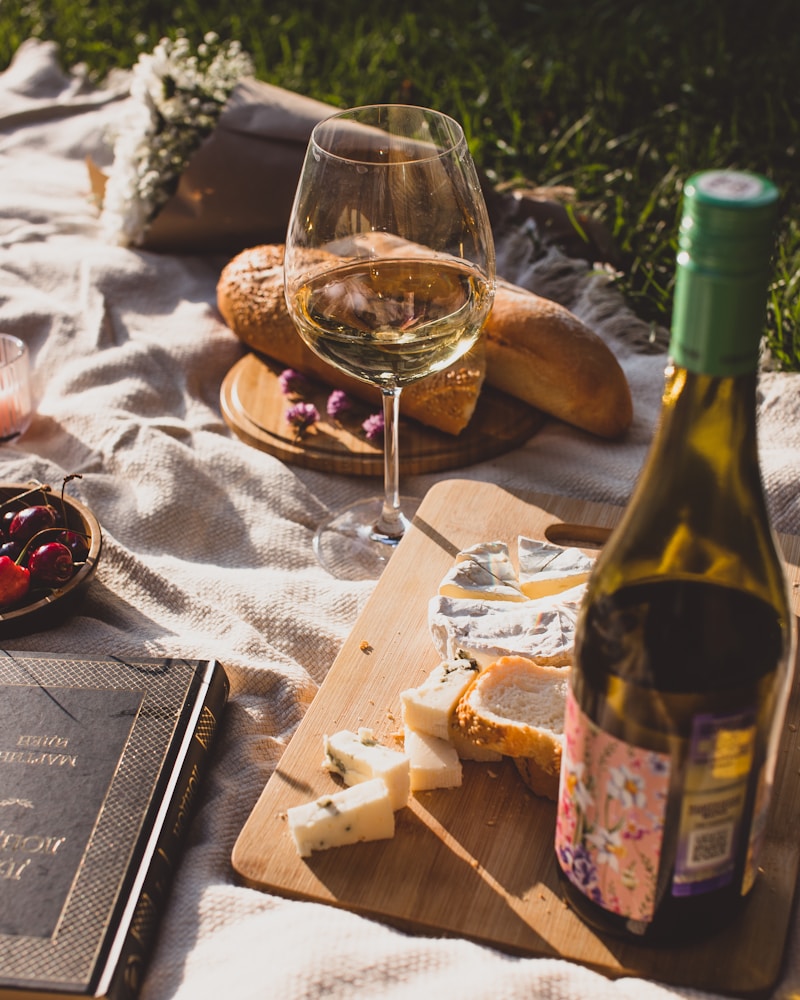
Marsanne is not a wine for haste. She asks you to slow down. Her straw-yellow, sometimes honey-gleaming robe tells of long summers on stony slopes, of the Mistral sweeping through the vines, of winemakers who are patient. On the nose she weaves aromas of ripe pear, apricot and quince with fine notes of almond, fennel and white flowers – as if someone were spreading a linen tablecloth over an old wooden table and decorating it with small wildflowers.
On the palate, Marsanne is an embrace: full-bodied, soft, generous, with a silky, almost creamy texture that recalls the finest washed linen. She is serious, but never stern; sensual, but never clumsy. A wine that doesn’t overwhelm you, but quietly whispers: “Sit down. Breathe. Enjoy the moment.”
---
1. The globetrotter in the glass: Where Marsanne feels at home
Marsanne is deeply rooted in the northern Rhône – yet like every charismatic personality she has long since conquered the world. Still, her true soul remains where it all began: on the hills above the river, in the rugged beauty of the Rhône valley.
Hermitage – the sacred hill of white wines
Hermitage is the mythical birthplace of great Marsanne wines. Here, on sun-drenched, granite-rich steep slopes, Marsanne shows her majestic side. The wines are often powerful, dense and long-lived. In their youth they exude aromas of pear, yellow peach, apricot, quince and almond, with a hint of fennel and white flowers. With age come notes of honey, nuts, wax, sometimes even a touch of beehive and dried herbs.
Hermitage-Marsanne feels like an ageing poet: profound, contemplative, with a long echo. It can evolve for decades, gaining in complexity as the fruit becomes embedded in a delicate web of honey, almonds and spices.
Saint-Joseph – the sensitive sister
In Saint-Joseph, Marsanne often appears a little lighter and more playful, especially when blended with Roussanne. The wines are fragrant, with clear pear and stone fruit, floral notes and a delicate touch of fennel. The texture is still full-bodied, but a bit airier, less monumental than in Hermitage.
Here you get to know the charming, inviting side of the grape variety: Marsanne that doesn’t want to be admired in reverence, but enjoyed in good company, with a simple meal, ideally with a view of the river.
Crozes-Hermitage – the approachable seductress
Crozes-Hermitage is something like the well-travelled cousin: more uncomplicated, yet full of character. The white wines from Marsanne (often with a little Roussanne) are accessible earlier, usually fruit-driven, with aromatic pear, apricot, white flowers and pleasant spice. Acidity is medium, the texture creamy but not heavy.
Here, Marsanne appears as everyday luxury: enough depth to stay interesting, but with an openness that immediately seduces even wine newcomers. A Crozes-Marsanne is perfect when you simply want to have a “special, normal” evening without any big occasion.
Saint-Péray – the sparkling surprise
Saint-Péray is an insider tip for all who love sparkling wines. Here, Marsanne (again often with Roussanne) is made into still wines, but above all into sparkling ones. In its sparkling guise, she’s fresh, lively, with notes of pear, citrus, white flowers and a fine almond tone.
The sparkling wine from Saint-Péray is like an unexpected smile: playful, dancing, and yet with a certain depth. Marsanne’s creamy texture lends the bubbles a soft cloak – a sparkling wine made for dreaming, not just for toasting.
The northern Côtes du Rhône – a stage for diversity
Under the designation Côtes du Rhône septentrionales you’ll often find cuvées in which Marsanne plays the leading role or at least a substantial supporting one. The spectrum is wide: from simpler, fruitier wines for immediate drinking pleasure to serious, structured bottlings that reward a few years of bottle age.
What they share is that warm, straw-yellow colour, the aromatic pear and stone fruit, the fine almond spice and the quiet herbal whisper of fennel. It’s as if the entire northern Rhône valley were reflected in a single glass – its sun, its stones, its wind.
---
2. Between linen and oak: How élevage shapes Marsanne
Marsanne is like a fabric that can turn into a completely different garment depending on how it’s tailored. Her natural character – full-bodied, silky, with medium acidity – makes her exceptionally malleable. Whether in cool stainless steel or warm wooden barrels: she responds sensitively to every decision in the cellar.
Stainless steel – the clear, quiet voice
Raised in stainless steel, Marsanne shows her pure, unadorned side. Here, fruit and floral notes take centre stage: ripe pear, apricot, quince, sometimes yellow peach, along with white flowers and a hint of fennel. The wine feels clearer, fresher, more light-footed, even though it still has that full-bodied, soft mouthfeel.
The acidity remains medium-fresh, the texture reminiscent of smooth linen – cool, fine, without additional layers of vanilla or toast. A Marsanne raised in stainless steel is a wonderful food companion for Mediterranean dishes, fish, poultry or vegetables, whenever you want to experience the aromatic but not overly opulent side of the grape.
Wooden barrels – whispered opulence
In wooden barrels – whether large foudres or barriques – Marsanne transforms. Her natural richness and extract-rich body wear oak like a tailor-made gown. Here, wines emerge that are denser, creamier, more complex. The fruit shifts from fresh pear and apricot toward riper, sometimes even dried fruits. Added to this are notes of honey, almonds, nuts, fine roasted aromas and occasionally a touch of vanilla or beeswax.
Particularly exciting is élevage with partial malolactic fermentation, which makes the texture even softer and rounds off the acidity. The wine then feels like noble, heavy linen that’s been washed many times: soft, caressing, with a sense of history. These wines have great ageing potential. With a few years in bottle they can gain in depth and become meditative food companions – perfect with creamy sauces, fine poultry or matured cheeses.
The magic of the middle way
Many modern winemakers choose a middle path: part in stainless steel, part in oak. This way they preserve freshness and fruit while adding complexity, structure and ageing potential. In such wines you experience Marsanne in 3D: clear fruit in the foreground, fine spice in the mid-palate and quiet, nutty-honeyed depth in the background.
---
3. Pairing recommendations: The perfect partner
Marsanne is a wonderful food wine because she combines richness and aromatics with medium acidity and a silky texture. She loves good cooking – honest, full-flavoured, and generous with butter, olive oil and herbs.
| Gericht | Wein-Stil | Warum es funktioniert |
|---------------------------------------------|------------------------------------|---------------------------------------------------------------------------------------|
| Gebratener Zander auf Fenchel-Orangen-Gemüse | Marsanne aus Stahltank, jung | Fenchel und Zitrus greifen die Fenchel- und Birnenaromen auf; die Textur umschmeichelt den Fisch, ohne zu dominieren. |
| Coq au Vin Blanc mit Sahnesauce und Kräutern | Teilweise im Holz ausgebaut, mittel gereift | Die cremige, saftige Struktur des Weins harmoniert mit der Sauce; Honig- und Mandelnoten ergänzen das Geflügel perfekt. |
| Reifer Comté oder Beaufort mit Nüssen | Im Holzfass ausgebaut, gereift | Nussige, honigartige Aromen spiegeln den Käse; die Fülle des Weins trägt die Intensität, ohne sie zu erschlagen. |
---
4. FAQ – 10 questions for Marsanne lovers
❓ Is Marsanne more of a fresh or an opulent white wine?
Marsanne naturally tends toward opulence: she’s full-bodied, with a broad, silky texture and medium acidity. Depending on élevage, however, she can appear fresher or creamier. In stainless steel she feels clearer and “lighter”; in oak she shows her full, almost velvety splendour.
❓ How can I recognize Marsanne in the glass?
Visually, usually by a warm straw-yellow that deepens into a richer gold tone with age. On the nose, look for ripe pear, apricot, quince, almond, fennel-like herbal spice and white flowers; with maturity, honey, nuts and wax join in. On the palate she’s soft, generous, broad, with medium acidity.
❓ Which grape varieties is Marsanne often blended with?
Most often with Roussanne, especially in the northern Rhône. Roussanne often brings more acidity and aromatic freshness, while Marsanne contributes body and structure. Together they can produce great, complex white wines that combine freshness and depth.
❓ Can Marsanne age well?
Yes, especially high-quality wines from sites like Hermitage, Saint-Joseph or selected Crozes-Hermitage age very well. 5–10 years are often no problem for good quality; top wines reach 15 years and more. With age, the fruit becomes more subtle, while honey, almond, nut and wax notes grow more intense.
❓ At what serving temperature does Marsanne show her best side?
For fresh wines raised in stainless steel, 9–11 °C is ideal. For more complex, oak-influenced or matured Marsanne, aim for 11–13 °C. Too cold and the texture seems mute; at the right temperature the wine opens like a fan and reveals all its nuances.
❓ Does Marsanne also pair well with vegetarian dishes?
Very much so. Marsanne loves vegetables that are prepared with care: roasted fennel, caramelized carrots, oven-baked pumpkin, mushroom risotto or pasta with sage and butter. Her nutty-honeyed, fennel-like notes can truly elevate vegetable-driven cuisine.
❓ Is Marsanne always dry?
Mostly yes, especially in the northern Rhône. There are, however, occasional off-dry or sweeter versions, particularly outside France or in experimental projects. The classic style is dry, with ripe fruit that can suggest sweetness without actually being sweet.
❓ How does Marsanne differ from Chardonnay?
Both can be raised in oak and yield full-bodied, structured wines. But Marsanne is usually aromatically warmer, with more pear, apricot, quince, almond and fennel, while Chardonnay is more strongly shaped by origin and élevage and more often shows apple, citrus, stone fruit, butter and toast. Marsanne also tends to have a softer, broader texture and medium, less tight acidity.
❓ In which countries outside France can I find Marsanne?
Marsanne has travelled to Australia (especially Victoria), Switzerland, California and smaller parts of Spain and Italy. In Australia, surprisingly ageworthy, complex versions are produced, often with a pronounced honey and nut profile, while California offers aromatic, sun-drenched interpretations that still don’t deny their Rhône roots.
❓ Who is Marsanne the right wine for?
For you, if you love white wines that are not only zesty and fruity but also offer depth, warmth and texture. If you like a wine that doesn’t shout at you but quietly tells you stories. Marsanne is for pleasure-seekers who are ready to listen more closely – and to let a straw-yellow glass carry them away into golden evening light.