The Peppery Poet Grüner Veltliner: Austria’s Liquid Gold Between Heurigen Bench and Grand Stage
Ein sinnlicher Streifzug durch die Welt des Grünen Veltliners – vom Heurigen bis zur Spitzenküche, vom Stahltank bis zum Holzfass.
The Peppery Poet Grüner Veltliner: Austria’s Liquid Gold Between Heurigen Bench and Grand Stage
Dear wine lovers,
come join me at an old wooden table, somewhere between vines, cellar tales and the gentle music of a summer’s day. Picture a glass in which the light dances, in which hills are reflected and in which every sip rings out like a waltz by Strauss. This glass belongs to Grüner Veltliner – that grape variety which, more than almost any other, transforms the soul of Austria into wine.
Grüner Veltliner is that moment when the first Wiener Schnitzel lands on a crunchy plate, a wedge of lemon beside it, and in the glass this bright, fragrant promise: green apple, ripe pear, a thrilling little tingle of white pepper, accompanied by fine herbs. A wine that is both Heurigen bench and opera box – down‑to‑earth, almost mischievous, and yet full of nobility. Austria’s liquid gold, yes – but not loud and showy; rather charming, with that subtle wink only Wiener Schmäh truly masters.
When you take the first sip, you immediately feel why this variety is so beloved: a lively, zesty acidity that wakes the palate like a clear mountain stream in spring; a creamy texture that lays itself over the tongue; and again and again that peppery spice, like a spice merchant at the Naschmarkt laughing as he blows a trail of white pepper into your nose. Grüner Veltliner is no background wine – it’s a conversation, an invitation to sit down, linger and taste how landscape, climate and tradition come together in a single glass.
---
1. The Globetrotter in the Glass: Where Grüner Veltliner Calls Home
Wachau – The Rocky Cathedral of Elegance
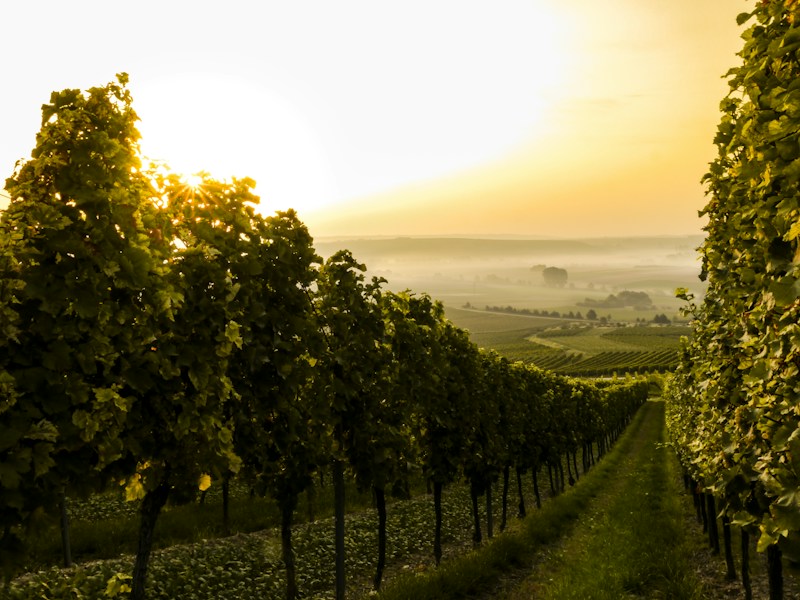
Wachau is the postcard landscape of Grüner Veltliner: steep terraces, meagre soils, the Danube as a constant companion. Here you’ll find Veltliners that often carry impressive tension within them: cool in aroma, clear in fruit, precise like a finely cut crystal.
In Wachau you often encounter aromas of green apple, citrus zest, fresh herbs and that legendary white pepper which tingles on the palate like a gentle electric current. Body ranges from light to medium, always carried by lively acidity that lets the wine almost float. The best Wachau Veltliners can, with a bit of age, develop additional notes of tobacco, nuts and dried herbs – they become quiet, profound storytellers of their origin.
Weinviertel – The Original Home, the Peppery Classic
Weinviertel is something like the heartland of Grüner Veltliner. Here it’s not just wine, but part of the culture, part of everyday life. The rolling hills, the wind sweeping through the vines and the diversity of soils shape a style that marries drinkability and character beautifully.
The famous “Weinviertel DAC” is practically synonymous with the peppery‑spicy, typical Veltliner style. You’ll find clear aromas of green apple, juicy pear, sometimes a hint of citrus, plus distinctly perceptible spice: white pepper, at times a whiff of celery greens or dried herbs. The wines are usually light to medium in body, with refreshing medium to high acidity, making them perfect companions for everyday cooking – and for those evenings when the bottle seems to empty itself.
Kamptal – Tension Between Coolness and Generosity
Kamptal is the stage for Veltliners that show a bit more substance, more depth, more contour. Here, cool air currents meet loess soils, conglomerate and primary rock – a tension‑filled mosaic that finds its echo in the wine.
A Kamptal Grüner Veltliner often shows riper fruit: yellow apple, nashi pear, sometimes a hint of stone fruit. The spice is present but more finely woven, less loud, more like a well‑placed accent at just the right moment. The texture can be creamier, the body medium, sometimes even medium‑full – and yet the invigorating acidity remains the backbone. These wines can be outstanding food partners and often benefit from a few years in bottle.
Kremstal – The Harmonious Middle
Kremstal lies, in a sense, as a bridge between Wachau and Kamptal and offers Grüner Veltliner an ideal playground. The result is wines that often feel like the harmonious middle ground: clear in fruit, certainly powerful, but never heavy.
In the glass you’ll recognize notes of apple, pear, a hint of white blossoms and a fine, almost weightless herbal spice. The acidity is fresh but well integrated, the body ranges from light to medium, at times with a gentle creaminess that makes the wine very approachable. Kremstal Veltliners are ideal “all‑rounders”: exciting enough for the connoisseur, uncomplicated enough for spontaneous enjoyment with friends.
---
2. From Steel Dance to Barrel Poetry: How Maturation Shapes Veltliner
Grüner Veltliner is a chameleon: it can appear purist, crystal‑clear and dancing – or dress itself in a complex, almost contemplative guise. A key factor lies in maturation: stainless steel tank or wooden cask.
In Stainless Steel – Clear, Peppery Freshness
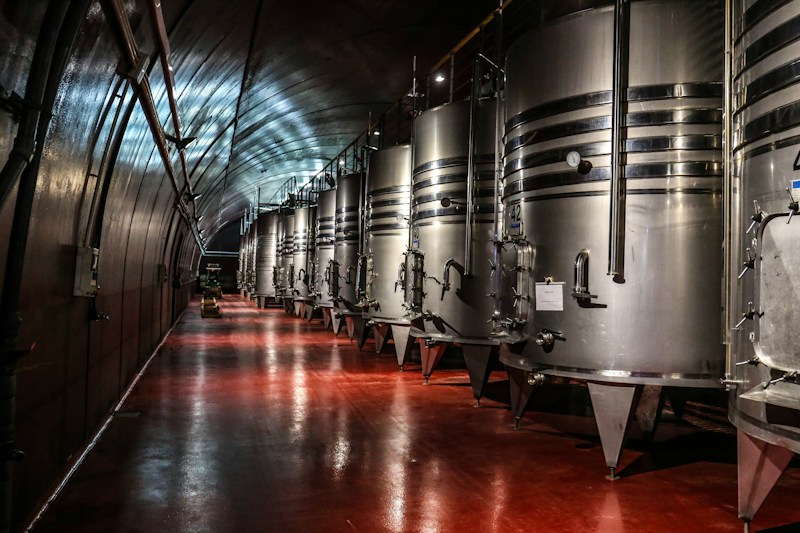
Maturation in stainless steel is the most common method for Grüner Veltliner – and it suits the variety like a tailor‑made suit. Stainless steel is neutral; it doesn’t interfere with the aromas but preserves freshness, fruit and varietal typicity.
A stainless‑steel Veltliner shows the variety in its “naked” form: green apple, fresh pear, citrus zest, plus unmistakable white pepper and herbal notes reminiscent of meadow herbs, tarragon or sometimes green bell pepper. On the palate it feels taut, lively, with medium to high acidity that makes the wine incredibly moreish.
These wines are like a clear morning in the vineyards – cool, precise, bright. Perfect for everyday drinking, for the terrace, for convivial moments.
In Wooden Casks – Gentle, Complex Seduction
Less common, but all the more fascinating, are Grüners matured in wood – often in large traditional casks or subtly used barriques. This is not about dominant oak, but about structure, micro‑oxidation and the art of gifting the wine a little more depth and texture.
Wood‑matured Veltliners often show riper fruit aromas: yellow apple, juicy pear, perhaps a hint of quince or ripe citrus. The peppery spice remains, but often melds with notes of dried herbs, nuts and occasionally a touch of tobacco. The texture becomes creamier, the body feels fuller, the wine broader on the palate without losing its vitality.
This style can be remarkably age‑worthy and opens the door to ambitious food pairings – from dishes with creamy sauces to substantial, modern cuisine.
The difference in the glass is clear: stainless steel means linearity and freshness, wood means depth and melt. Both faces belong to Grüner Veltliner – and both are well worth discovering.
---
3. Pairing Recommendations: The Perfect Partner
Grüner Veltliner is a master of the table. Hardly any other white variety unites such freshness, spice and creaminess – a combination that makes it a culinary all‑rounder, from Heurigen buffet to fine dining.
| Gericht | Wein-Stil | Warum es funktioniert |
|----------------------------|-----------------------------------|--------------------------------------------------------------------------------------|
| Wiener Schnitzel mit Zitrone | Klassischer Grüner Veltliner aus dem Stahltank, leicht bis mittel | Die spritzige Säure schneidet durch das Fett, die pfeffrige Würze umspielt die Panade, die Frucht betont die Zitrone – ein ikonisches Traumduo. |
| Gebratener Zander auf Kräuter-Risotto | Mittelkräftiger Veltliner, teils im Holz ausgebaut | Der cremige Körper harmoniert mit dem Risotto, die Kräuteraromen finden ihr Echo im Wein, die Säure bringt Frische zum zarten Fisch. |
| Gemüse-Wok mit Ingwer und Sesam | Frischer, pfeffriger Stahltank-Veltliner | Die Würze des Weins spielt mit Ingwer und Sesam, die Frische puffert leichte Schärfe, die grüne Frucht ergänzt knackiges Gemüse perfekt. |
---
4. FAQ – 10 Questions for Grüner Veltliner Lovers
❓ 1. What makes Grüner Veltliner’s flavour so unmistakable?
The key to Grüner Veltliner’s identity lies in its combination of fruit and spice: green apple, pear and often citrus notes meet characteristic white pepper and fine herbal aromas. This peppery, lightly tingling spice on the palate is its trademark and makes it instantly recognizable. Add to that medium to high acidity, which lends the wine freshness and tension.
❓ 2. Is Grüner Veltliner a light or a powerful wine?
Grüner Veltliner usually ranges from light to medium‑bodied. In cooler sites and simpler quality levels it is often light, very fresh and uncomplicated. From top sites – for example in Wachau, Kamptal or Kremstal – it can develop considerably more body, appear creamier and reach impressive depth, without ever becoming heavy.
❓ 3. What is the ideal serving temperature for Grüner Veltliner?
For young, fresh Veltliners I recommend 8–10 °C – well chilled, but not ice‑cold, so the aromas can unfold. Medium‑bodied and wood‑matured versions can go into the glass a touch warmer, around 10–12 °C. Too cold and the wine seems closed; too warm and the freshness is lost.
❓ 4. How long can you age Grüner Veltliner?
Many simple bottlings are intended for immediate enjoyment and show their best within the first 2–3 years. High‑quality single‑vineyard wines, especially from Wachau, Kamptal or Kremstal, can easily age 5–10 years or longer. Over time, alongside fruit and pepper, more notes of tobacco, nuts, honey and dried herbs emerge – the wine becomes more complex and contemplative.
❓ 5. Does Grüner Veltliner really go “with everything”?
Of course not with everything – but with a surprising amount. Its combination of acidity, herbal spice and medium body makes it extremely versatile: it pairs wonderfully with Viennese cuisine (Schnitzel, Backhendl, Tafelspitz), fish dishes, Asian‑inspired cooking with gentle heat and even many vegetarian and vegan dishes, particularly when herbs, root vegetables or mushrooms are involved.
❓ 6. What is meant by the typical “peppery” note in Grüner Veltliner?
The famous peppery note – usually described as white pepper – is an aromatic signature of Grüner Veltliner. It stems from specific aroma compounds (including rotundone) present in the grape. Sensorially it often shows as a light tingling or prickle on the tongue and in the finish, as though someone had laid a fine veil of pepper over the fruit.
❓ 7. Is Grüner Veltliner a good introduction for wine newcomers?
Yes, absolutely! A fresh, uncomplicated Grüner from stainless steel is ideal for beginners: clear fruit, pleasant acidity, moderate alcohol and a lively but not overwhelming aromatic profile. At the same time, the variety offers enough depth that, with growing experience, you can discover more complex versions and fall ever deeper in love with the world of Veltliner.
❓ 8. Where does the name “Grüner Veltliner” come from?
The name points, on one hand, to the bright, “green” fruitiness and fresh character of the wine and, on the other, to a historical and geographical connection to the Veltlin region (today Valtellina in northern Italy), even though the grape’s genetic origins are more complex. It is Austria’s white pride – despite (or precisely because of) its rather rustic, down‑to‑earth name.
❓ 9. How can I recognize a typical Grüner Veltliner in the glass?
Visually it usually appears a pale straw yellow, often with green highlights in its youth. On the nose, green apple, pear, citrus and fresh herbs dominate. On the palate you’ll feel lively acidity, a light to medium body and, especially in the finish, peppery spice. When you sense this interplay of apple, herbal freshness and white pepper, you can smile and confidently guess “Grüner Veltliner”.
❓ 10. Why is Grüner Veltliner so often recommended with Wiener Schnitzel?
Because they seem made for each other. Crispy, fatty Schnitzel needs a wine that cuts through the fat on the palate without dominating. Grüner Veltliner’s zesty acidity “refreshes” the mouth after every bite, its peppery‑herbal character complements the crumb coating and the seasoning of the meat, while the apple‑pear fruit and a squeeze of lemon on the Schnitzel amplify one another. It’s culinary harmony in pure form – a waltz for tongue and palate.
---
The next time you hold a glass of Grüner Veltliner in your hand, think of the Danube, of terraced vineyards, of Viennese Heurige and of those quiet evenings when a wine is more than just a drink. Then it becomes a bridge – between countryside and city, past and present, simplicity and sophistication.
Grüner Veltliner is exactly this bridge. And it’s a delightful one to stroll along.