The Queen Riesling: Crystal-Clear Elegance Between a Kiss of Acidity and a Ray of Sweetness
Riesling ist kein Wein, den man einfach trinkt – er ist ein kristallklarer Dialog zwischen Landschaft, Zeit und Seele.
The Queen Riesling: Crystal-Clear Elegance Between a Kiss of Acidity and a Ray of Sweetness
---
Dear wine lover,
when you bring a glass of Riesling to your nose for the first time, it’s like opening a window – out into a world of morning dew, slate-glittering slopes and the soft whisper of rivers that have passed vineyards for centuries. Riesling is not a wine you simply drink. Riesling is a dialogue. With the landscape. With time. And – if you allow it – with yourself.
There are grape varieties that impress because they are loud. Riesling, on the other hand, seduces with clarity, precision and an almost otherworldly tension. It can be bone-dry, like the pure sound of a crystal bell – or nobly sweet, like liquid sunshine in a glass. In between lies a whole universe of nuances: green apple, lime, white peach and apricot, often accompanied by that mysterious hint of petrol that makes connoisseurs smile and arouses the curiosity of newcomers.
Riesling is the queen of white grapes because it doesn’t ingratiate itself. It challenges you – with its razor-sharp acidity, its crystalline structure, its almost transparent expression of the soil. It is like a tightrope walker above the steep slopes of the Mosel: every step precise, every movement considered, every moment a balancing act between freshness and richness, between fruit and minerality, between time and transience.
---
1. The Globetrotter in the Glass: Where Riesling Feels at Home
Riesling is deeply rooted in the German-speaking world, yet its soul has long since travelled the globe. Each region gives it a different accent, its own melody – and yet it always remains unmistakably itself.
Mosel – The Slate-Blue Steep Slopes of Lightness
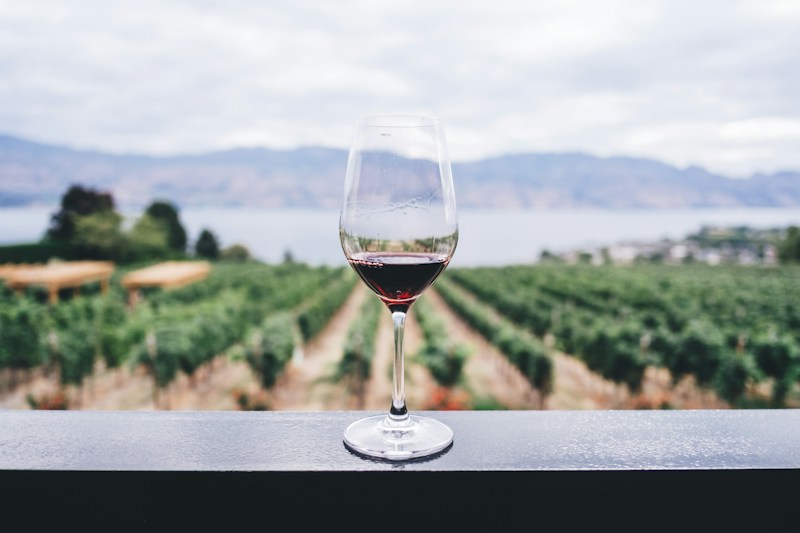
On the Mosel, where vineyards are so steep you’d think the vines are holding on to the sky, Riesling shows its most ethereal side. The soils of blue and grey slate store the warmth of the day and gently release it at night. The result is wines of astonishing lightness, often with low alcohol, yet bursting with aroma and energy.
In the glass, Mosel-Riesling smells of green apple, lime zest, white blossoms and often a fine, smoky-mineral note. On the palate: vibrant, dancing, almost weightless. Sweetness and acidity feel like two hands that fit perfectly into one another. From featherlight Kabinett to opulent Trockenbeerenauslese – here Riesling reveals just how multi-layered grace can be.
Rheingau – The Aristocratic Power on the River
The Rheingau is the historic stage on which Riesling became a star. Along the Rhine, on south- and southwest-facing slopes, wines are born with more shoulders, more power, without losing their elegance. The soils are diverse – from slate to quartzite to loess – and lend Riesling broader shoulders and greater depth.
Rheingau-Rieslings often exude aromas of riper peach, yellow apple and sometimes apricot. On the palate they are more structured, denser, with an acidity that doesn’t just tingle, but carries. Dry Rheingau-Rieslings can appear majestic: juicy, powerful, with a long, mineral finish. Here it becomes clear why Riesling is so often referred to as a “queen”.
Elsass – The Contemplative Charmer from France
Across the Rhine, in Elsass, Riesling reveals a distinctly French interpretation. The Vosges mountains shield the region from rainfall, the climate is warm and sunny – ideal for achieving ripeness and concentration. The soils form a mosaic of granite, limestone, slate and sandstone – each site with its own voice.
Alsatian Rieslings are generally dry and fuller-bodied, with aromas of citrus fruits, ripe peach and occasionally a touch of spice and herbal notes. On the palate they show themselves as powerful and often serious wines, with acidity that is well integrated yet defining. These are wines for food, for slow sipping, for pausing – Riesling as a meditative companion.
Clare Valley – Sun-Glow and Lime Fire in Australia
Thousands of kilometres away, in Australia’s Clare Valley, Riesling proves its adaptability – without losing its essence. Days are hot, nights are cool, and elevation provides freshness. Here, Rieslings emerge that almost taste like liquid lime.
Typical are aromas of lime zest, green apple, grapefruit and sometimes a hint of herbs. On the palate: bone-dry, glass-clear, with high, steel-hard acidity – an electrifying style that is taut and focused, especially in its youth. With age, these wines develop complex notes of toast, honey and the famous petrol tone that Riesling lovers cherish so much.
---
2. Between Steel and Wood: How Maturation Shapes Riesling
Riesling is a master of transparency. It shows you the soil, the climate, the vintage – and also the winemaker’s hand. A crucial factor is how it’s matured: stainless steel tank or wooden cask? Both paths can lead to great wines, but they tell different stories.
The Stainless Steel Tank – The Crystal-Clear Voice
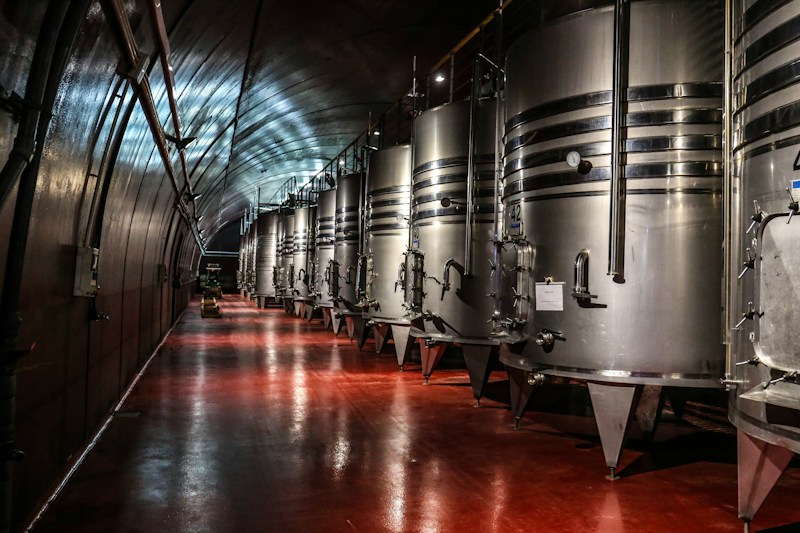
In stainless steel, everything that makes Riesling special remains unadorned. Steel is neutral: it gives no aromas, it doesn’t soften or pad anything. Instead, it preserves freshness, natural tension and clear fruit aromas.
A Riesling matured in stainless steel often feels like a mountain stream: ice-clear, cool, swift, alive. Green apple, lime, white peach and delicate floral notes shine with crystalline clarity. The high acidity feels taut and linear, the wine appears light to medium-bodied, with almost razor-sharp precision. This style is ideal for dry, fresh everyday wines, but also for filigree Kabinett or off-dry wines in which delicate sweetness is playfully caught by the acidity.
The Wooden Cask – The Soft Whisper of Maturity
Wood and Riesling – a liaison that requires a delicate touch. It is rarely about new, heavily toasted barriques whose vanilla and roasted notes would mask what makes Riesling so special. Instead, large, old casks such as Fuder or Stück are usually used; they deliver hardly any flavour of their own, but enable a different kind of maturation.
In wooden casks, Riesling matures more slowly; it breathes through the fine porosity of the wood, the structure becomes rounder, creamier, sometimes almost silky. The acidity seems better integrated, the texture denser. Aromatically, notes of riper stone fruit, herbs and subtle spiciness often come to the fore, sometimes accompanied by a fine honey note as bottle age increases.
Wood maturation is often found in high-end, dry single-vineyard Rieslings destined for a long life. Here, the focus is less on primary fruit and more on depth, complexity and the ability to evolve over many years – Riesling as a long-distance runner.
---
3. Pairing Recommendations: The Perfect Partner
Riesling is one of the most versatile food wines of all. Its acidity slices through fat, its fruit embraces spice, its possible sweetness cushions salt and bold seasoning. Here are a few ideas:
| Gericht | Wein-Stil | Warum es funktioniert |
|---------------------------------|--------------------------------------|----------------------------------------------------------------------------------------|
| Thai-Curry mit Kokosmilch & Limette | Feinherber Riesling (Mosel) | Die leichte Restsüße mildert die Schärfe, die Säure durchschneidet die Kokoscreme und spiegelt die Zitrusaromen. |
| Gebratener Zander auf Riesling-Schaumkraut | Trockener Riesling (Rheingau/Elsass) | Die hohe Säure belebt den Fisch, betont die Frische, und die Mineralität harmoniert mit dem würzigen Kraut. |
| Gereifter Comté oder mittelalter Gruyère | Gereifter, trockener Lagenriesling (Holzfass) | Die nussigen, würzigen Käsearomen finden in der Tiefe und leichten Reife des Rieslings einen kongenialen Partner. |
---
4. FAQ – 10 Questions for Riesling Lovers
❓ 1. Is Riesling always sweet?
No. Riesling can be anything – from bone-dry to syrupy sweet. Especially in Germany, many high-quality Rieslings are dry (labelled “trocken” or “GG” at VDP estates), alongside off-dry (“feinherb”) and noble-sweet styles such as Spätlese, Auslese or Beerenauslese. The key is to read the label carefully – or ask.
---
❓ 2. Why does Riesling sometimes taste of petrol?
This famous petrol or kerosene note stems from a compound called TDN, which develops during ageing from specific aroma precursors. Sunny sites, ripe grapes and bottle age encourage this tone. It is typical of mature Rieslings and – in a subtle form – is considered a sign of quality and a fascinating facet, not a fault.
---
❓ 3. How long can you age Riesling?
Good Rieslings are astonishingly ageworthy. Simple, fresh bottlings are best enjoyed within 2–3 years. High-quality single-vineyard wines, especially from cooler regions like Mosel or Rheingau, can age beautifully for 10, 20 years or more. Noble-sweet Rieslings are true Methuselahs – 30, 40, even 50 years are not uncommon if they’re well stored.
---
❓ 4. What is the ideal serving temperature for Riesling?
For fresh, young Rieslings, 7–9 °C is ideal – take them from the fridge and let them warm slightly. More ambitious, dry single-vineyard wines and mature Rieslings show best at 10–12 °C. Too cold and the wine seems closed; too warm and the acidity can feel sharp.
---
❓ 5. What is the best glass for Riesling?
A medium-sized white wine glass with a slightly inward-curving bowl is ideal. It should provide enough space for the aromas to unfold, but not be as large as a Burgundy glass. For great dry Rieslings, Bordeaux-shaped glasses can be exciting, as they give more stage to the wine’s complexity.
---
❓ 6. What is the difference between Kabinett, Spätlese and Auslese?
In German-speaking countries, these terms refer to must weight – the ripeness and sugar content of the grapes at harvest.
- Kabinett: Light, often delicate, with lower alcohol.
- Spätlese: From later-harvested, riper grapes, with more intensity and often a touch more sweetness.
- Auslese: Very ripe, selected grapes, often distinctly sweet and concentrated.
Whether the wine is later made dry, off-dry or sweet is the winemaker’s decision.
---
❓ 7. Why does Riesling have such high acidity – and what does that mean for enjoyment?
Riesling is genetically a late-ripening variety that thrives in cooler climates. It retains its acidity even at good levels of ripeness. This high acidity is its backbone: it provides freshness, longevity and that famous “drinkability”. When well balanced, it doesn’t feel aggressive but invigorating – like a squeeze of lemon over a fresh oyster.
---
❓ 8. Does Riesling really go with spicy food?
Yes – brilliantly! Off-dry or slightly sweet Rieslings in particular are fantastic partners for Asian dishes with chilli, ginger, soy and lime. The sweetness tames the heat, while the acidity keeps the dish bright and lifts the flavours instead of overwhelming them.
---
❓ 9. How can I tell if a Riesling is dry when it’s not clearly stated on the label?
In Germany, you can look for indications of residual sugar (if listed) or for terms such as “trocken”, “halbtrocken”, “feinherb”. At VDP estates, “GG” (Großes Gewächs) points to a top-quality dry Riesling. When in doubt, check the alcohol: wines with very low alcohol (e.g. 7–9%) are often sweeter, while dry Rieslings typically fall between 11.5–13%.
---
❓ 10. Why do so many call Riesling the “queen of grape varieties”?
Because Riesling, like almost no other white grape, reflects origin, vintage and vinification – and can credibly span the entire spectrum from crystal-dry to nobly sweet, from light to concentrated. It can be delicate and powerful, youthful and wise with age, approachable and complex. At its best, it is pure, timeless elegance in the glass – a wine that doesn’t need to be loud to be unforgettable.
---
In the end, Riesling is more than just a grape variety. It is a character, a way of life, an invitation to taste more attentively. Next time you pour yourself a glass, take a moment. Watch how the light dances in the wine. Breathe in the aromas as if you were stepping into a new place. And then – let yourself fall into this crystal-clear, electrifying world in which acidity and sweetness, fruit and minerality play a symphony that only one grape truly masters: the queen Riesling.