The Mountain Poet Petite Arvine: A Quiet Volcano of Light and Salt
Petite Arvine ist kein Wein, den man einfach trinkt, sondern entdeckt – ein leiser, salziger Bergzauber zwischen Licht, Säure und Mineralität.
The Mountain Poet Petite Arvine: A Quiet Volcano of Light and Salt
Dear wine lovers,
some grape varieties are like blaring fanfares – they push themselves into the spotlight, demand applause, want to be admired. And then there are those quiet, almost mysterious characters you don’t simply drink, but discover. Petite Arvine belongs to this rare, precious second category. She is not a wine for the sidelines. She is a quiet promise – and an echo of the mountains in your glass.
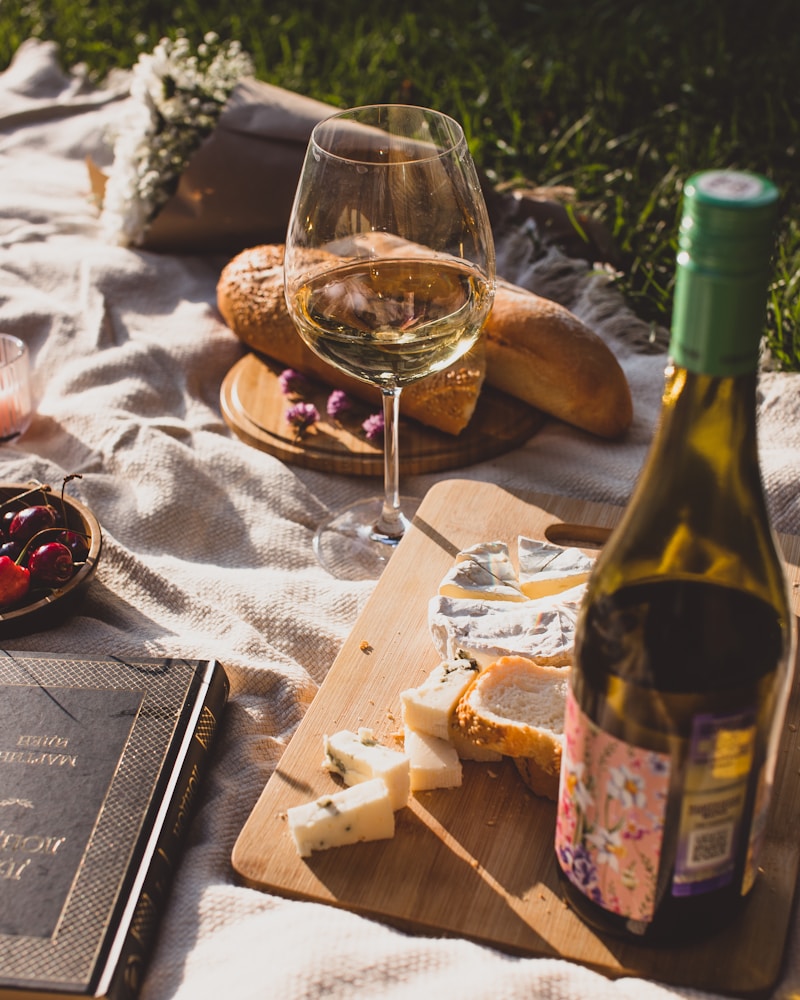
Petite Arvine is like a mountain stream of light, born on the steep terraces of the Wallis, where the rock still carries the breath of the glaciers. In the glass she shimmers pale gold with silvery reflections, as if she had captured the first snow of autumn. On the nose, grapefruit, ripe starfruit and a salty breeze dance, interwoven with delicate notes of alpine flowers and fresh mountain hay. On the palate, crystal-clear, invigorating acidity meets juicy citrus freshness – lemon, white peaches, a hint of passion fruit – carried by a fine, almost mysterious minerality that recalls wet slate, mountain spring water and a wind out of the rocks.
What makes Petite Arvine so special? She is a medium-bodied white wine with the soul of a mountaineer: focused, precise, never banal. Her high acidity lifts the aromas like a mountain wind lifts the clouds; her salty, mineral streak gives her an unmistakable signature. Every sip is like a step along an alpine trail, where a new view opens behind every bend: now sunny-fruity, now cool-stony, always vibrating with energy.
---
1. The Globetrotter in the Glass: Where Petite Arvine Feels at Home
Even though Petite Arvine is deeply rooted in the Wallis, she has quietly made her way into other Swiss regions – always accompanied by her alpine character, but with subtle nuances that tell the story of their terroir.
Wallis – The Bedrock of Petite Arvine
The Wallis is the cradle of this fascinating grape variety. Steep terraces, lean slate and limestone soils, dry-stone walls that store heat, and a harsh continental climate: here Petite Arvine finds her true calling.
In the Wallis she often shows herself at her most concentrated and characterful. Typical are intense grapefruit and citrus notes, starfruit-like exoticism, ripe white peaches and that famous salty streak on the finish that almost recalls a sea breeze – a paradox when you consider how far the mountains are from the ocean. The wines are precise, powerful, with high acidity and yet a supple mouthfeel. Some winemakers deliberately play with residual sugar, so that dry to off-dry styles display an exciting sweet–acid interplay – like a dance of light and shadow.
Waadt – The Elegant Charmer from Lake Geneva
In the Waadtland along Lake Geneva, Petite Arvine often dresses in slightly softer, more elegant robes. The milder climate and the proximity to the lake make the fruit appear a little rounder.
Here you can expect aromas of lemon zest, ripe starfruit and white peaches, accompanied by delicate alpine flower notes and a finer, less edgy acidity than in the Wallis. The salty minerality remains, but is more subtle, more a whisper than a call. The style is often more approachable, charming – a wine that greets you with a smile instead of putting you to the test with rugged mountain severity.
Genf – The Cosmopolitan Expression
In the Genf region, the alpine soul of Petite Arvine meets a more urban, international wine landscape. The soils are varied, the climate is influenced by the lake – the result is wines that clearly show their grapefruit and citrus character, often with a hint of passion fruit and fresh herbs.
The style is straightforward, fresh, at times almost purist. Here, drinkability takes centre stage without sacrificing depth. The acidity is crisp, the minerality clearly outlined – a wine that suits conversation, a long table where languages, stories and glasses mingle.
Dreiseenregion – The Cool Poet
Between Lake Biel, Lake Neuchâtel and Lake Murten, Petite Arvine finds cool nights and abundant light. This combination allows the aromas to ripen with crystal clarity while keeping the acidity taut and lively.
Wines from the Dreiseenregion often feel a little leaner, almost crystalline. Grapefruit, lemon and starfruit step to the fore, accompanied by floral notes reminiscent of white blossoms and alpine flowers. The minerality can be particularly precise and "stony" here – a style for lovers of cool, focused white wines with almost surgical clarity.
Tessin – The Sun‑Kissed Outsider
In the Tessin, south of the Alps, Petite Arvine is a rare but enchanting sight. The warmer climate and proximity to the Mediterranean world lend her a slightly more opulent fruit, without her losing her alpine soul.
You can expect juicy notes of white peach, ripe passion fruit and lemon, wrapped in a somewhat softer texture. The acidity remains high but feels creamier, the minerality rather subtle in the background. It’s as if the mountain stream has found itself a sunny river valley – still fresh, but with a hint of Mediterranean nonchalance.
---
2. The Art of Maturation: How Winemaking Shapes Her Character
Petite Arvine is a sensitive canvas: she carries terroir in her heart and responds very clearly to the winemaker’s hand. Whether in a cool stainless-steel tank or a warm, breathing wooden cask – she remains true to herself, yet the tone of her voice changes.
In Stainless Steel – The Crystal-Clear Voice of the Mountains
Vinified in stainless steel, Petite Arvine shows her purest, most unadulterated side. The focus is on freshness, precision and radiant acidity.
The aromas of grapefruit, lemon, starfruit and white peach come to the fore, accompanied by cool, pebbly minerality and fine alpine flower notes. The texture remains medium-bodied but taut, like a perfectly strung bow. This style is like a morning by a mountain lake: clear, cool, reflective – every sip awakens the senses and makes you long for the next.
In terms of taste, stainless-steel ageing means:
- More citrus freshness, crisp acidity
- Emphasis on salty, mineral nuances
- An overall straight, precise impression
- Ideal for those who love the "naked truth" of the variety
In Oak – The Quiet, Deeper Octave
In wood – whether large cask or barrique – Petite Arvine reveals another, more intimate facet. The oak lends her not only structure and a gentle, creamy mouthfeel, but also warmer, more complex aromatics. Important: good winemakers use wood as a frame, not a mask.
Alongside grapefruit, lemon and peach, subtler notes can develop: a hint of brioche, nuttiness, perhaps a touch of honey or roasted almonds. The acidity feels more integrated, the body somewhat fuller, almost like a poem in a lower register. The salty, mineral streak is preserved but appears more fused, like a soft echo in the finish.
In terms of taste, oak ageing means:
- A slightly rounder, creamier body
- More complex, often riper fruit
- Subtle toast, vanilla or nut notes (depending on the oak regime)
- Longer ageing potential, greater contemplative drinking pleasure
Both styles have their magic. Stainless steel is the mountain spring; oak the mountain lake in the evening light. Anyone who truly wants to get to know Petite Arvine should try both – and let them whisper to each other in the glass.
---
3. Pairing Recommendations: The Perfect Partner
High acidity, salty minerality and delicate exotic fruit make Petite Arvine a dream at the table. She loves everything that tastes of the sea, mountain herbs and fine spices, and with her freshness she can make even richer dishes dance.
| Gericht | Wein-Stil | Warum es funktioniert |
|--------------------------------------|----------------------------------|----------------------------------------------------------------------------------------|
| Jakobsmuscheln auf Zitronen-Risotto | Stahltank, trocken | The acidity cuts through the creaminess of the risotto, the citrus notes play around the sweetness of the scallops, and the salty minerality picks up the flavour of the sea. |
| Alpenforelle mit Kräutern & Mandeln | Teilweise Holz, lange Hefezeit | The medium body and slight creaminess harmonise with the nuttiness of the almonds, while acidity and minerality keep the trout fresh and lively. |
| Hartkäseplatte (Sbrinz, Gruyère, Etivaz) | Holzfass, etwas gereift | The salty, concentrated aromatics of mature cheeses are echoed by the minerality; the acidity balances the fat, and the riper fruit notes create a thrilling counterpoint. |
---
4. FAQ – 10 Questions for Petite Arvine Lovers
❓ 1. Is Petite Arvine always dry?
Not always. Many winemakers vinify it bone dry to highlight acidity and minerality. But there are also off-dry versions with a touch of residual sugar that offer a beautiful sweet–acid tension – particularly exciting in the Wallis. Sweet wines are rarer, but can be utterly beguiling.
❓ 2. What does Petite Arvine typically taste like?
You can expect intense grapefruit, lemon, starfruit, white peach and often a hint of passion fruit. Add to that floral notes of alpine flowers and a distinctive salty minerality. The body is medium, the acidity high and crystal clear – a wine like a fresh mountain breeze.
❓ 3. Is Petite Arvine comparable to other well-known grape varieties?
She reminds some wine lovers of a cross between Riesling (because of the high acidity and freshness) and a very mineral Sauvignon Blanc (because of the citrus and exotic notes). Yet she has her very own alpine identity – above all through the salty note on the finish.
❓ 4. How long can you age Petite Arvine?
Good examples – especially those aged in oak or with some residual sugar – can develop beautifully over 5 to 10 years, sometimes longer. The fruit then steps back and makes room for more complex honeyed, nutty and even deeper mineral notes. Fresher stainless-steel bottlings, however, are also great fun young, within 2–4 years.
❓ 5. At what temperature should I serve Petite Arvine?
Around 9–11 °C for fresh, steely versions and 11–13 °C for oak-aged or more mature wines is ideal. Too cold and you stifle the aromas; too warm and the acidity feels angular and the alcohol more dominant. Give her a larger white-wine glass so she can fully unfold.
❓ 6. Does Petite Arvine only go with fish?
Not at all. While she’s a dream with seafood and fish, she’s also wonderful with mountain cheeses, poultry, Asian cuisine with citrus and ginger, and vegetarian dishes with herbs, fennel, celery or artichokes. Her acidity is a natural talent when it comes to balancing richer textures.
❓ 7. Where does the salty note on the finish come from?
This "saltiness" is an expression of minerality and terroir – particularly of the stony, often meagre soils in the Wallis and other alpine regions. There is no salt in the wine; it’s a sensory perception reminiscent of salty sea air and wet stone that makes the wine incredibly exciting.
❓ 8. Is Petite Arvine a rare grape variety?
Yes, by international standards she is a rarity. Most of the vineyard area lies in Switzerland, especially in the Wallis, and even there she is a speciality among many. Perhaps that’s exactly what makes her so fascinating: every bottle feels like a personal invitation to the mountains.
❓ 9. Is Petite Arvine suitable as an aperitif?
Absolutely. Especially stainless-steel-aged, dry and very fresh versions are perfect aperitif wines: lively, animating, with a salty kick that whets the appetite. A glass of Petite Arvine before a meal is like opening a window – the air becomes clearer, the senses sharper.
❓ 10. What should I look for when buying?
Pay attention to origin (Wallis, Waadt, Genf, Dreiseenregion, Tessin), vintage and style of ageing (stainless steel vs. oak). If you love freshness, citrus and clear minerality, reach for younger stainless-steel wines. If you seek depth, creaminess and complexity, choose more mature or oak-aged versions from renowned producers. And above all: let yourself be guided – Petite Arvine is a variety best discovered step by step, bottle by bottle.
---
Petite Arvine is not a wine that shouts – she sings. Softly, yet insistently, with the timbre of the mountains and the clarity of a mountain stream. Those who listen will discover, in her song, stories of rock, wind and light. Raise your glass – and let her tell them.