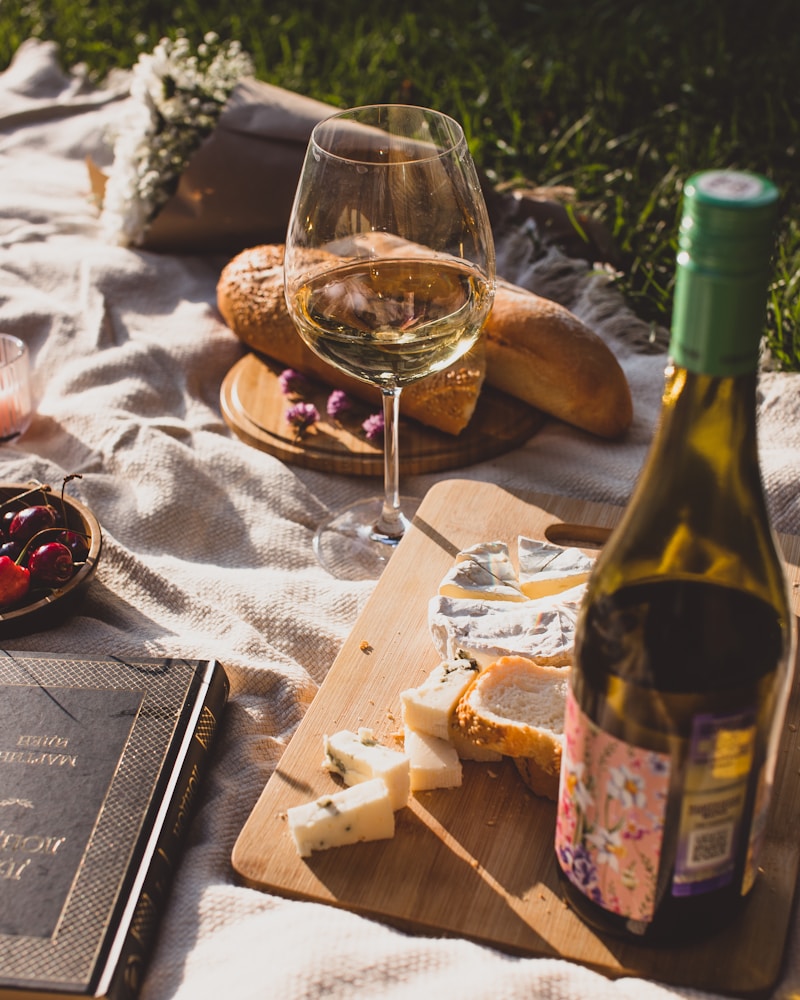
The Sea Breeze in Your Wine Glass: Macabeo – Spain’s Whispering White Light
Macabeo ist wie ein leiser Vorhang aus Licht im Glas: zitrisch, salzig, mandelig – Spaniens flüsternde Weißwein-Seele zwischen Meerbrise und Mandelgold.
Die Meerbrise im Weinglas Macabeo: Spaniens flüsterndes Licht in Weiß
---
Einleitung
Dear wine lovers,
sometimes there are grape varieties that don’t enter with a drumroll, but slip into your heart like a quiet song. Macabeo is exactly that kind of grape. No loud fireworks, but a white curtain of light through which the Spanish sun whispers into your glass. It doesn’t demand anything, it doesn’t push itself to the fore – and that’s precisely where its quiet magic lies.
Picture this: early morning over the vineyards of Rioja or Penedès. A bright, pale golden light with a hint of green lies over the vines, the air is still cool, and somewhere in the distance you can hear the sea breathing. That’s what Macabeo feels like. On the nose: lemon blossom and green apple, a hint of white peach and almonds, wild herbs from the pathside, plus that barely tangible salty breeze – like a memory of a summer you never quite forgot.
Macabeo is the wine for bright days and long lunches, for tapas in noisy bars and for quiet evenings on the balcony. With medium body and pleasantly balanced acidity, it’s no acoustic storm, but a fine, clear chord – lively yet gentle, like a cool breath of air that suddenly flows through a hot tapas bar. It is Spain’s answer to the question: “What does light taste like?”
---
1. The Globetrotter in the Glass: Where Macabeo Feels at Home
Macabeo – called Viura in many regions – is a grape with multiple homelands, each telling its story a little differently. Like a traveller, it carries the signature of its landscapes within: sun, wind, sea, limestone, altitude. Let’s look at where it truly shines.
Rioja – The Voice of Elegance
In Rioja, Macabeo is known mainly as Viura and for decades it was more the quiet partner in blends. But the great producers of the region have discovered what lies within: finesse, depth and a remarkable ability to transform.
In cooler sites of Rioja Alavesa or higher parts of Rioja Alta, Macabeo shows a fresh yet gentle side:
lemon, green apple, white blossom, a touch of fennel and herbs.
In its youthful, stainless-steel-raised style it is clear, precise, almost crystalline.
However, when it’s aged in wood – sometimes for a long time, traditionally also in older barriques – it changes character: the pale golden colour deepens, aromas of almonds, dried flowers, wax and ripe stone fruit appear. The salty, serious minerality of many Rioja soils lends the wine structure and ageing potential. This is how white Riojas are created that can age for years, sometimes decades, in bottle – with Macabeo at their quiet centre.
Penedès – The Voice of Sparkling Wine and Mediterranean Lightness
If you travel further east, down towards Barcelona, you’ll find Macabeo in Penedès – the homeland of Cava. Here it is usually part of the classic Cava blend, often together with Xarel·lo and Parellada. In this landscape, just a breath away from the Mediterranean, Macabeo carries the maritime soul inside.
In Penedès it gives birth to bright, citrus-driven wines where you’ll find lemon, lime zest, green apple and sometimes white peach. The famous “sea breeze” that so many tasters think they perceive in good Macabeo shows itself here especially clearly: a slightly salty, fresh, airy note that brings life to sparkling wines and lends still wines a Mediterranean wink.
As a still wine from Penedès, Macabeo is often light-footed and clear, with moderate acidity and medium body – perfectly chilled, it’s a wine for a long table full of seafood, olives, aioli and sun-warmed tomatoes.
Aragón – The Wild, Dry Expanse
Further inland, in Aragón, Macabeo encounters a harsher climate. Hot summers, lean soils, dry winds – the vine has to struggle, and that very struggle shapes its personality in the glass.
Wines from Aragón tend to be a little more powerful, with a fuller mouthfeel. Besides lemon and apple, riper notes often appear: yellow peach, herbs such as rosemary or thyme and occasionally a suggestion of dried almond skin.
Acidity remains medium, but often feels rounder, softer, embedded in a slightly broader body.
In this landscape, Macabeo is the white wine for hearty regional cuisine: grilled fish, rabbit dishes, stews – it offers enough substance not to be overwhelmed, yet remains a clear, bright counterpoint to the rusticity of the food.
Navarra – The Bridge Between Atlantic and Mediterranean
Between Rioja and the northern reaches of Spain lies Navarra, a region of transitions – between Atlantic and Mediterranean, between cool breezes and sun-drenched days. Here, Macabeo is often part of blends, but is increasingly found solo as well.
The style in Navarra often sits appealingly in the middle:
fresh citrus fruit, green apple, sometimes a touch of pear, plus floral notes and a fine herbal streak. The wines feel accessible, highly drinkable, ideal for uncomplicated enjoyment without ever becoming trivial. These are the white wines you happily open when friends drop by unexpectedly and the evening calls for something bright and clear.
Catalunya – Coastal Wind and Limestone
In other parts of Catalonia, outside Penedès, you’ll find Macabeo in a wide range of styles: from simple, fresh everyday wines to ambitious, terroir-focused interpretations from small producers.
Typical of many of these wines is the combination of bright fruit – lemon, green apple, white peach – with pronounced floral and herbal nuances: chamomile blossom, Mediterranean garrigue, and again and again this delicate salty note, as if the wind from the sea had blown a little salt onto the grapes.
These wines are generally medium-bodied, never heavy, with a gently taut acidity that makes you want the next sip.
---
2. From Steel Cool to Almond Gold: How Ageing Shapes Macabeo
Macabeo is a chameleon when it comes to ageing. Hardly any other Spanish white grape reacts so sensitively to how the winemaker treats it. Stainless steel or oak – for Macabeo this isn’t just a technical decision, it’s a question of personality.
In Stainless Steel – Light, Clarity, Sea Breeze
Raised in stainless steel, Macabeo shows its freshest, most unadulterated side. The tank is like a mirror: cool, neutral, without edges – it preserves what the grape and the soil give, without adding anything of its own.
This creates wines that shimmer in the glass pale gold with delicate green reflections, like the morning sky just after sunrise. On the nose, lemon, green apple, sea buckthorn, white blossoms dominate. On the palate, the wine is clear and slender, with medium body and pleasantly fresh but never aggressive acidity.
The “sea breeze” shows particularly clearly here: a salty, almost iodine-like freshness that makes the wine incredibly vibrant.
These styles are ideal for early drinking: youthful, vibrant, carefree. Perfectly chilled, they transport you in an instant to a terrace by the sea, even if you’re actually just sitting on your city balcony.
In Oak – Depth, Warmth, Almond Silk
When oak enters the picture, the texture of Macabeo changes fundamentally. Whether large wooden cask or barrique: the wine gains depth, roundness and complexity. The oak isn’t there to drown everything out, but acts like a quiet bass line in the background, carrying the melody.
Oak-aged Macabeo can develop a silky, almost creamy structure. The fruit transforms: lemon juice turns into lemon zest, green apple becomes yellow, slightly riper apple or even quince jelly.
Notes of toasted almond, pine nut, beeswax, chamomile and sometimes a hint of vanilla or toast (depending on the barrels and ageing time) join in. The acidity feels rounder, more integrated, and the wine gains volume without becoming clumsy.
Especially in Rioja, impressively long-lived, oak-influenced Macabeo wines are created that, after a few years of age, develop overtones of honey, dried flowers and nuts without losing their salty, bright streak. These are white wines with the seriousness of great reds – only clad in gold.
---
3. Pairing Recommendations: The Perfect Partner
Macabeo is a wonderful food wine. Its medium acidity, medium body and the mix of citrus, apple, herbs and sea breeze make it extremely versatile. Here are three pairing ideas:
| Gericht | Wein-Stil | Warum es funktioniert |
|-----------------------------------------|-----------------------------------|-----------------------|
| Gegrillte Gambas mit Knoblauch & Zitrone | Frischer Macabeo aus dem Stahltank (Penedès / Catalunya) | Die Zitrusnoten des Weins greifen die Zitrone auf, die salzige Meerbrise spiegelt die Süße der Garnelen, die mittlere Säure schneidet durch Öl und Knoblauch und lässt das Gericht leichter wirken. |
| Pollo al Ajillo (Knoblauchhuhn in Olivenöl) | Leicht holzfassgereifter Macabeo (Rioja / Navarra) | Der etwas vollere Körper und die mandeligen, kräuterigen Noten des Weins passen zu geröstetem Knoblauch und gebräunter Haut. Die milde Säure erfrischt, ohne die Würze des Gerichts zu stören. |
| Tapas-Platte mit Manchego, Jamón Serrano & Marcona-Mandeln | Komplexerer Macabeo mit kurzer Holzreife (Rioja / Aragón) | Die Nussigkeit (Mandel, Hefe, Wachs) des Weins umarmt Käse und Mandeln, die salzige Note verbindet sich mit dem Jamón, und die helle Frucht setzt einen frischen Kontrapunkt zu Fett und Umami. |
---
4. FAQ – 10 Questions for Macabeo Lovers
❓ 1. Is Macabeo the same as Viura?
Yes. Viura is the name under which Macabeo is mainly known in Rioja. Genetically, it’s the same grape variety. Many labels from Rioja use “Viura”, while in Catalonia, Aragón and other regions you’ll mostly see “Macabeo”.
---
❓ 2. Does Macabeo taste light or powerful?
Macabeo usually sits in the middle: medium body, medium acidity. Young and raised in stainless steel, it feels light, fresh and uncomplicated. Aged in oak – especially in Rioja – it can be surprisingly powerful and structured, with plenty of depth and length.
---
❓ 3. Which aromas are typical of Macabeo?
Typical are lemon, green apple, white peach, white blossoms, almonds, fine herbal notes and a salty, sea-breeze-like component. With oak ageing and bottle maturity, notes of honey, wax, roasted almond and dried flowers can be added.
---
❓ 4. Is Macabeo a good summer wine?
Absolutely. Especially the fresh, stainless-steel-raised versions are perfect summer wines: cool, citrusy-fresh, with moderate acidity and a lightness that calls for terraces, sea views and long evenings. But in autumn and winter, too, Macabeo in oak pairs beautifully with creamy or spicy dishes.
---
❓ 5. What food does Macabeo pair best with?
Macabeo loves Mediterranean cuisine: seafood, grilled fish, tapas, light meat dishes, grilled vegetables, paella, tortilla, but also mild to medium-strong cheeses. The fresh styles are ideal with fish and light dishes; the oak-aged versions suit more intensely flavoured, richer food.
---
❓ 6. Can Macabeo age well?
Yes – especially when it’s carefully harvested, made with concentration and aged in oak. White wines from Rioja based on Viura/Macabeo are famous for ageing gracefully for many years, sometimes decades, developing complex aromas of honey, nuts and dried flowers. Simple, fresh Macabeos, on the other hand, are best enjoyed within 1–3 years.
---
❓ 7. Is Macabeo always dominant in Cava?
Not necessarily. In the classic Cava blend, Macabeo often shares the stage with Xarel·lo and Parellada. Depending on the style, Macabeo can contribute freshness, citrus fruit and bright floral aromas, while Xarel·lo brings structure and body. It’s only dominant when the winemaker wants it that way – but its role as a “bringer of light” in Cava is central.
---
❓ 8. At what temperature should I serve Macabeo?
Fresh, stainless-steel-raised Macabeos show best at about 8–10 °C – well chilled but not ice-cold, so the aromas can unfold. Oak-aged, more complex examples can go into the glass a little warmer: 10–12 °C, so their texture and subtle notes of almond, honey and herbs can really shine.
---
❓ 9. How can I tell from the label if the Macabeo has seen oak?
Look for terms like “Barrica”, “Fermentado en barrica”, “Crianza”, “Reserva” or detailed descriptions of the ageing process. In Rioja, for example, a classification such as “Crianza” or “Reserva” on white wines usually signals some oak use and ageing. For wines from Penedès, Aragón or Catalunya, a close look at the back label or the advice of your wine merchant often helps.
---
❓ 10. Who will find Macabeo especially exciting?
Anyone who loves white wines that balance freshness and depth. If you sometimes find Sauvignon Blanc too loud and Chardonnay too heavy, Macabeo could be your quiet, elegant middle ground: citrusy and clear but not piercing; medium-bodied but not opulent; with nuances of sea, blossoms and almonds that reveal a little more with every minute in the glass – like a curtain of light inviting you to linger just a bit longer.
---
Take your time with a glass of Macabeo – and listen to how the Spanish sun whispers inside it.