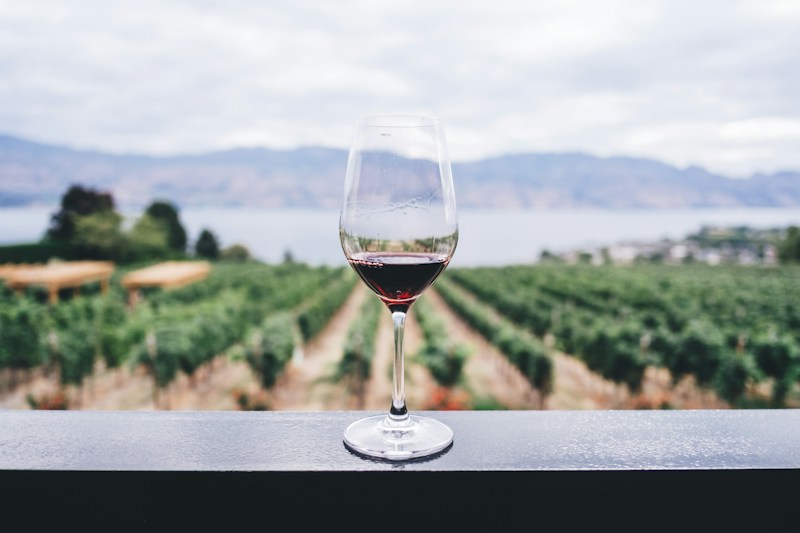
Purpurherz Garnacha: A Red Sunset in Your Glass and a Longing for the South
Garnacha ist wie ein roter Sonnenuntergang im Glas – warm, sinnlich, ehrlich und voller Geschichten von Sonne, Wind und alten Reben.
Purpurherz Garnacha: A Red Sunset in Your Glass and the Longing for the South
Dear wine lovers,
sometimes there are grape varieties that don’t just end up in your glass, but go straight to your heart. Garnacha – or Grenache, as it’s called beyond the Pyrenees – is exactly that kind of grape. It’s the warm hand on your shoulder after a long day, the gentle flicker of a candle once night has long since fallen. A wine that doesn’t ask whether you’re ready – it simply takes you along.
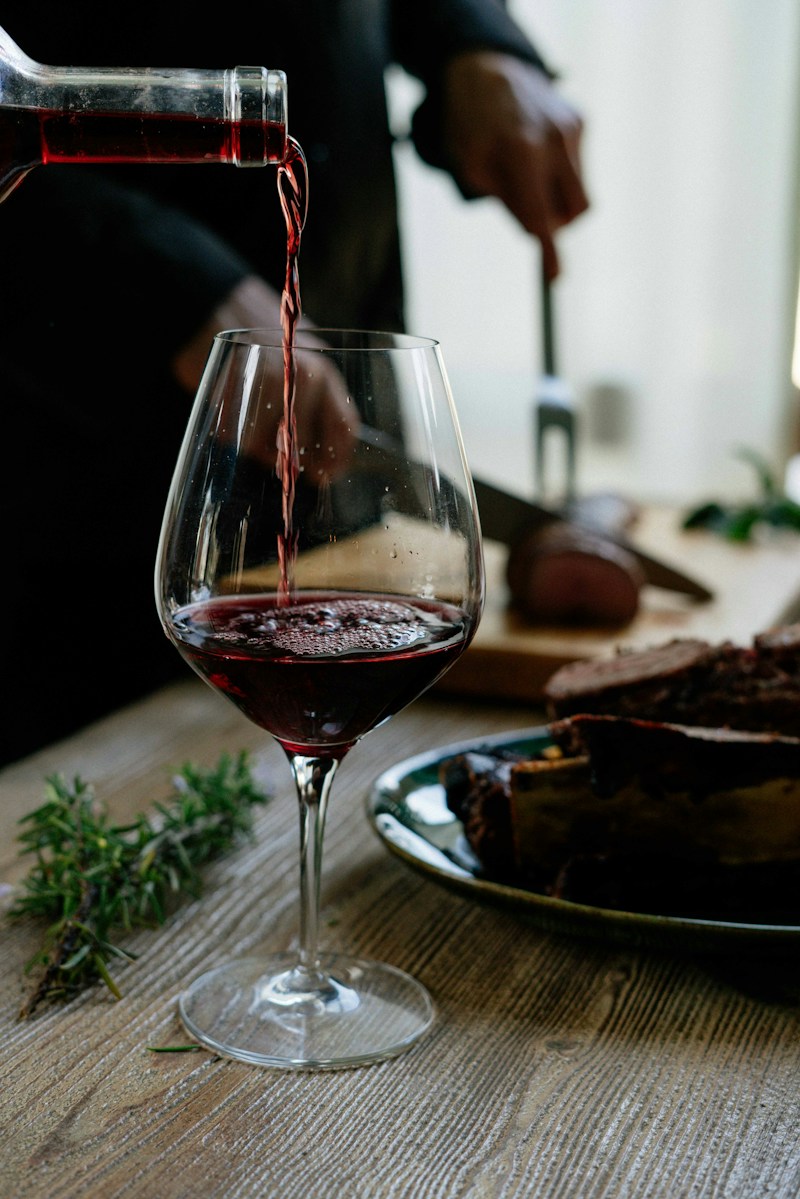
Garnacha is like a red sunset gathering in your glass: sparkling ruby red with a hint of purple, as if the Castilian twilight had left its traces behind. On the nose, ripe strawberries, juicy cherries and delicate raspberries dance with blood orange, herbs, white pepper and dried flowers. On the palate it is warm-hearted and generous, full-bodied, with soft, abundant fruit that opens like a flamenco fan – sensual, inviting, never shy. Its tannins are polished and silky, more a kiss than a blow.
What makes this grape variety so special? It combines Mediterranean joie de vivre with moving honesty. No fake glamour, but genuine, sun-drenched emotion. Garnacha is a wine that speaks of old bush vines, of wind-swept hills in Aragón, of dusty paths in Navarra and of long evenings when you don’t need to explain your second sip – you simply take it, because your soul says “yes”.
---
1. The Globetrotter in the Glass: Where Garnacha Feels at Home
Garnacha is a grape variety with a passport and a lively past. Originally rooted in Spain, it has spread into many corners of the wine world. But you’ll find its true soul in a few special regions of the Iberian Peninsula – where sun, wind and meagre soils allow it to shine at its very best.
Aragón – The Cradle of Power
Aragón is considered one of the original homelands of Garnacha. Here, in often high-altitude, barren sites, many old vines grow as bush-trained plants, their roots sinking deep into slate, scree and poor soils.
The style:
Aragonese Garnacha is usually powerful, full-bodied and concentrated. The aromas recall ripe strawberries and cherries, sometimes raspberry jam, alongside garrigue herbs, white pepper and a hint of dried flowers. The wines are warm but never clumsy – medium acidity gives them backbone, and the polished tannins make them feel velvety and generous. A wine like a summer evening that simply doesn’t want to end.
Navarra – A Fresh Breeze in a Red Dress
Navarra, located north of Rioja, offers Garnacha a slightly cooler and more diverse climate. From Atlantic-influenced zones to warmer continental areas, Garnacha shows a remarkably multifaceted face here.
The style:
In Navarra, Garnacha often feels a touch fresher, sometimes lighter in colour. Strawberry and raspberry aromas step forward more clearly, blood orange and red cherry add juiciness. The herbal spice is finer, the white pepper more dancing and playful. Such wines are often livelier, with a youthful, fruit-driven character – perfect if you want to get to know Garnacha in its carefree, playful form.
Catalunya – Mediterranean Charm and Stone Terraces
In Katalonien – for example in regions such as Terra Alta or neighbouring areas – Mediterranean warmth meets often stony, higher-altitude sites and sea breezes. Garnacha is perfectly at ease here and produces wines that interpret sun and salt in a very individual way.
The style:
Catalan Garnacha shows intense red fruit (strawberry, cherry) along with a fine, sometimes slightly salty minerality. Herbs like rosemary and thyme seem to echo on the nose, accompanied by dried flowers. Full-bodied and soft, yet with an inner tension born of the interplay between altitude, wind and sea. This is Garnacha with a Mediterranean smile and a hint of sea breeze in its hair.
La Rioja – The Gentle Poet in a Land of Classics
In Rioja, most people think first of Tempranillo, yet Garnacha plays a quiet, sometimes underestimated leading role. You often find it in blends, but increasingly, single-varietal Garnacha wines are stepping into the spotlight.
The style:
Rioja Garnacha often appears more elegant, with a slightly finer structure. The fruit is clear: ripe cherry, strawberry, sometimes raspberry, framed by subtle notes of dried orange peel, white pepper and floral hints. When aged in wood, vanilla, gentle roasted aromas and a silky texture join in. The result is wines that balance between tradition and modernity – with a voice that speaks softly, yet insistently.
Campo de Borja – The “Empire of Garnacha”
Campo de Borja, often called “The Empire of Garnacha”, is a DO in Aragón that almost feels like an open-air museum of old Garnacha vines. The higher elevations, the influence of the cold Cierzo wind and the dry conditions make the vines fight for every drop of water – and that is exactly what makes these wines so exciting.
The style:
Here, concentrated red fruits, sometimes darker cherry as well, meet a distinctive herbal spice. White pepper and dried flowers rise from the glass; the wines are full-bodied yet, thanks to medium acidity, never heavy. The tannins are round but present – a wine that loves to be invited to the table and holds its own there with ease.
---
2. Between Steel and Soul: How Ageing Shapes Garnacha
Garnacha is like a talented dancer who can move with different partners – and reveal a different side each time. Ageing in stainless steel tanks or wooden barrels is a key factor in how you experience it in your glass.
Stainless Steel – Pure, Unadorned Fruit
In stainless steel, Garnacha stays completely true to itself. The neutral ageing preserves its original aromas and its bright colour.
How it tastes:
- Fruit takes centre stage: strawberry, raspberry, juicy cherry, sometimes blood orange.
- The herbal notes feel fresh, almost as if just picked in the Mediterranean scrubland.
- White pepper and dried flowers appear more delicate, like a fine cloud of scent.
- The texture is full-bodied yet uncomplicated, with medium acidity and soft tannins – these are wines that are asking for a second glass before you even notice it.
Stainless-steel Garnacha is ideal if you love drinkability, freshness and fruit; if you want to see that “red sunset” in your glass as clearly and unadulterated as possible.
Wooden Barrels – Depth, Warmth and Gentle Smoke
In wooden barrels – especially older, larger ones – Garnacha opens a different drawer: it’s less about loud fruit, more about depth, structure and maturity.
How it tastes:
- The fruit grows darker and riper: black cherry joins the strawberry; raspberry leans more towards jam.
- Dried orange peel becomes more pronounced, sometimes joined by hints of tobacco, leather or cocoa (depending on the age and type of barrel).
- The herbal and floral notes fuse with subtle vanilla, toasted aromas or a smokiness reminiscent of old bodegas.
- The tannins are often a little firmer without losing their silkiness – like a velvet curtain that feels a shade heavier in your hands.
Barrel-aged Garnacha is made for moments when you want to slow down. For evenings when you watch the wine evolve in the glass and the conversation becomes as deep as the final sip.
In Between Worlds: Brief Wood Ageing, Long in Tank
Many winemakers choose a middle path: most of the wine matures in stainless steel, while a smaller portion sees wood, adding complexity and structure without smothering the fruit.
These wines are often ideal all‑rounders: fruit‑driven yet deep; full‑bodied yet structured. Perfect at the dinner table – and a wonderful introduction to the many layers of Garnacha.
---
3. Pairing Recommendations: The Perfect Partner
Garnacha is a generous host – it loves company, especially on the plate. Its ample fruit, medium acidity and gentle tannins make it a dream food‑pairing wine, from rustic to refined.
| Gericht | Wein-Stil | Warum es funktioniert |
|-----------------------------------------|----------------------------------|---------------------------------------------------------------------------------------|
| Geschmorte Lammkeule mit Rosmarin & Knoblauch | Gereifte Garnacha aus dem Holzfass | Die würzige, kräuterbetonte Fleischigkeit des Lamms schmiegt sich an die warme Frucht, Kräuteraromen und sanfte Röstaromen des Weins; die Tannine geben Struktur, ohne zu dominieren. |
| Gegrilltes Gemüse (Paprika, Zucchini, Aubergine) mit Olivenöl & Thymian | Fruchtige Garnacha aus dem Stahltank | Die süßlich-röstigen Noten des Gemüses spiegeln sich in Erdbeere, Kirsche und Blutorange; Kräuteraromen und mittlere Säure sorgen für Frische, das Ganze bleibt leichtfüßig und mediterran. |
| Würzige Chorizo-Pfanne mit Tomaten & weißen Bohnen | Kräftige Garnacha, teils im Holz ausgebaut | Die pikante Chorizo und die tomatige Saucenfülle verlangen nach einem vollmundigen, würzigen Wein; die Frucht mildert die Schärfe, Pfeffer- und Kräuternoten greifen die Würze perfekt auf. |
---
4. FAQ – 10 Questions for Garnacha Lovers
❓ 1. Are Garnacha and Grenache the same?
Yes. Garnacha is the Spanish name, Grenache the French or international name for the same grape variety. In Spain you’ll mostly encounter “Garnacha”, in France (Rhône, Languedoc) and many other countries “Grenache”.
---
❓ 2. What does Garnacha typically taste like?
Garnacha usually shows juicy red fruit: strawberry, cherry, raspberry, often accompanied by blood orange. On top of that come herbal notes (rosemary, thyme), white pepper and dried flowers. The body is full, acidity medium, tannins soft and polished – overall warm, inviting and accessible.
---
❓ 3. Is Garnacha light or heavy?
In terms of mouthfeel, Garnacha is full‑bodied, so rather on the powerful side. Yet many wines, thanks to their medium acidity and gentle tannins, don’t feel heavy but charming and easy to drink. Alcohol levels can, however, be higher, as the grape loves sunshine and builds plenty of sugar.
---
❓ 4. Should I drink Garnacha young or age it?
Fruit‑driven Garnacha aged in stainless steel is best drunk young to within 3–5 years to savour its juicy fruit. High‑quality barrel‑aged wines – especially from old vines – can age for 8–15 years or even longer. Over time they develop notes of leather, tobacco, dried fruits and an even greater wealth of spice and floral aromas.
---
❓ 5. What is the ideal serving temperature for Garnacha?
Between 15 and 17 °C. Fruity, young Garnacha can happily be served a bit cooler (around 14–15 °C), especially in summer. More powerful, wood‑aged wines show their depth best at 16–17 °C. Served too warm, the alcohol becomes very noticeable; too cold, and fruit and aroma close up.
---
❓ 6. Does Garnacha pair well with vegetarian dishes?
Absolutely. Grilled or oven‑roasted vegetables, mushroom dishes, Mediterranean stews with tomato and beans or pasta with herbs and gently spicy tomato sauce are wonderful partners. The red fruit and herbal aromas of the wine play a harmonious, often surprisingly complex melody with vegetable‑focused dishes.
---
❓ 7. How do I recognise a good Garnacha on the shelf?
Look for origins such as Aragón, Campo de Borja, Navarra, Catalunya or Rioja and for references to old vines (“viñas viejas”, “old vines”). You can often recognise careful production by the fact that the alcohol level is high but not extreme and that the producer provides information about the ageing (steel/wood). Recommendations from specialist retailers are very helpful in Garnacha regions – small producers often surprise here.
---
❓ 8. Is Garnacha an “entry‑level wine” or something for connoisseurs?
Both. Soft tannins, approachable fruit and warmth make Garnacha ideal for beginners who enjoy red wine but dislike harsh tannins. At the same time, old vines, special sites and barrel ageing provide a depth and complexity that seasoned wine lovers can truly revel in.
---
❓ 9. Which other grape varieties is Garnacha often blended with?
In Spain, Garnacha is frequently blended with Tempranillo, Cariñena (Carignan) or Syrah. In France – for example in the Rhône Valley – it is the star in blends with Syrah and Mourvèdre (known as GSM). Garnacha contributes fruit, richness and warmth to the blend, while other grapes add structure, colour or spice.
---
❓ 10. Why do so many people describe Garnacha in such emotional terms?
Because Garnacha is more than just a technical grape variety with analytical values. It tastes of sun, of wind, of dusty paths and long evenings at the table. Its fruit is open, its tannins friendly, its warmth comforting. You quickly feel as though Garnacha has known you for a long time – perhaps because it is so unpretentious and yet so full of depth. A wine that doesn’t keep you at arm’s length, but beckons you closer.
---
Next time you have a glass of ruby‑red wine in front of you, one that smells of strawberries, cherries, herbs and a touch of blood orange, take a moment. Look into that purple heart in your glass, breathe in deeply – and let Garnacha tell you its stories: of sun, of earth, of time. And perhaps just a little bit of your own, too.