Purpurherz Corvina: When Verona Starts to Sing in Your Glass
Corvina – the ruby-red voice of Valpolicella: von luftigem Bardolino bis zum tiefgründigen Amarone und ihren perfekten Foodpairings.
Purpurherz Corvina: When Verona Starts to Sing in Your Glass
Dear wine lover,
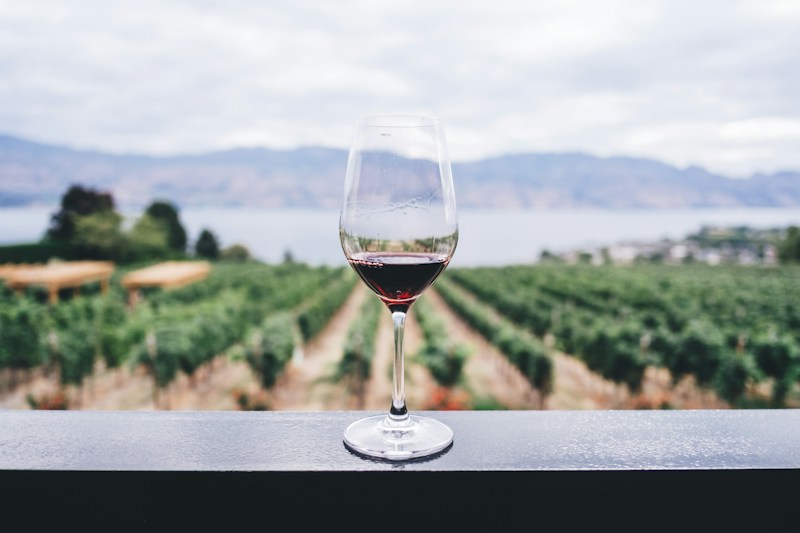
come with me today up into the hills north of Verona, where the evenings smell of warm stone, herbs, and a hint of history. There, between old dry stone walls and olive trees, grows a grape that is more than just a component of famous blends: Corvina – the ruby-red voice of the Valpolicella.
Corvina is not a loud grape variety. It doesn’t shout, it whispers – and yet its melody lingers long in your memory. On the nose, ripe cherries, red berries, plums, a hint of violets, dried herbs and a fine almond bitterness dance together, recalling the last sip of espresso after a long Italian dinner. On the palate it is juicy, supple, with a lively, cherry-like acidity that echoes like laughter on a piazza, and tannins as fine as velvet on sun‑warmed skin.
What makes Corvina so special is its versatility. It can be light-footed and playful like a spring day at Lake Garda – and yet, when its berries are dried after harvest, it reveals an unexpected depth: dark, mysterious, almost meditative. From cheerful Bardolino to majestic Amarone: Corvina is the soul behind it all, the constant in all these variations. Let’s dive into this variety in which the twilight of the hills around Verona continues to glow for a long time.
---
1. The Globetrotter in the Glass: Where Corvina Feels at Home
At heart, Corvina is a local patriot. It belongs to Veneto, to Verona, to the valleys of the Valpolicella – and yet it travels the world with you the moment you pull the cork.
Valpolicella – The Homeland of Red Cherries
Valpolicella is the classic heartland of Corvina. Here, in the rolling hills north of Verona, it shows its juicy, approachable side.
Typical Valpolicella:
- Colour: bright ruby red
- Aromas: fresh cherry, red berries, some plum, dried herbs
- Style: medium-bodied, with medium acidity, velvety tannins
These wines often feel like a stroll through an Italian market hall: vibrant fruit, a bunch of herbs, a hint of pepper on the finish. Ideal slightly chilled on warm evenings – uncomplicated and yet never trivial.
Amarone della Valpolicella – The Dark, Concentrated Soul
In Amarone, Corvina shows its most dramatic side. After harvest, the berries are dried for weeks or even months on racks or mats (Appassimento); water evaporates, sugar and aromas concentrate.
Typical Amarone style:
- Colour: dense garnet to ruby red
- Aromas: ripe, stewed cherry, plum jam, dried red berries, dried herbs, dark chocolate, a touch of almond, noble bitterness
- Style: powerful, warm, structured, often with high alcohol and a melting, velvety body
Here, Corvina is no longer a cheerful conversationalist, but a storyteller by candlelight. The medium acidity brings freshness, while concentration and richness create an almost balsamic mouthfeel.
Ripasso della Valpolicella – The Bridge Between Lightness and Depth
Ripasso is the art of letting Valpolicella and Amarone talk to each other. A Valpolicella is laid a second time on the marc from Amarone (or Recioto) and “brought back to life”.
Typical Ripasso style:
- Aromas: more depth than classic Valpolicella – riper cherry, plum, gentle raisin notes, dried herbs, pepper
- Style: medium to full-bodied, more structure, rounder, softer, with fine spice
For many wine drinkers, Ripasso is the perfect in‑between world: the freshness and drinkability of Valpolicella wines combined with a touch of the opulent Amarone universe.
Bardolino – The Airy, Playful Side on Lake Garda
Further west, on the shores of Lake Garda, Corvina reveals an even lighter, more dancing facet: Bardolino. Here it is often blended with Rondinella and other varieties, yet it remains the leading voice.
Typical Bardolino:
- Aromas: bright red cherry, redcurrant, a hint of violets, delicate herbs, lightly peppery
- Style: light to medium-bodied, highly drinkable, fresh, with pronounced but not sharp acidity
Bardolino is like an afternoon by the lake: clear, buoyant, a wine you drink by the glass that invites the next conversation rather than deep contemplation.
Verona & Veneto – The City, the Land and the Sound of the Grape
Beyond the specific appellations, Corvina is simply the voice of Verona and Veneto. In IGT wines, in more modern interpretations, and sometimes bottled as a single variety, it shows its character in a direct, unadorned way:
- ruby-red colour, cherry‑driven bouquet
- medium body, medium acidity
- fine bitter almond note on the finish, a hint of pepper
Thus, the hills around Verona yield not only wine but liquid postcards: every sip a memory of stone, sun, and the cool air drifting down from Monte Lessini.
---
2. From Steel Kiss to Barrique Whisper: How Ageing Shapes Corvina
Corvina is like a voice resonating through different rooms. Whether in stainless steel or wood – the melody remains, but the echo changes.
Stainless Steel – The Clear, Ungarnished Truth
In stainless steel, Corvina remains pure, unadorned, almost crystalline in expression. Here it’s all about freshness, fruit, precision.
Typical features of stainless‑steel‑aged Corvina:
- focus on cherry, red berries, some plum
- floral notes of violets stand out clearly
- acidity feels lively, juicy, mouth‑watering
- tannins are delicate, fine, like a breath of velvet
You’ll mostly find these versions in simple Valpolicella and Bardolino wines or in modern, fruit‑driven IGT bottlings. They are perfect for early drinking, often just shortly after bottling. A wine you dare to open without needing a special occasion – it creates its own.
Large Wooden Casks – Gentle Refinement
In large wooden casks (foudre, botti), Corvina can breathe. Here it’s less about the taste of wood and more about micro‑oxidation – a gentle development through contact with air.
What large wooden casks do to Corvina:
- fruit becomes rounder, softer, slightly darker
- dried herbs and almond notes become more pronounced
- tannins turn smoother and more integrated
- the structure gains depth without losing freshness
Many classic Valpolicella Superiore and traditionally made Amarone mature in such casks. The result is wines that still carry the cherry soul of Corvina, but with more contour and greater seriousness.
Barrique – An Intimate, Sensual Encounter
In small oak barrels (barriques), Corvina forms a closer bond with the wood. This is both art and risk: too much wood can smother the delicate fruit, but used judiciously it gives rise to a particularly sensual, complex expression.
Typical barrique effects on Corvina:
- additional aromas: vanilla, sweet spices, a touch of cocoa or coffee
- the fruit appears riper, sometimes darker
- the mouthfeel becomes creamier, denser
- fine tannins from the wood complement the grape’s delicate tannins
Above all, modern Amarone, structured Ripasso and high‑quality Valpolicella Superiore make use of this ageing. Here the cherry‑driven soul of Corvina meets the warm embrace of oak – a wine you don’t just drink, but almost caress.
---
3. Pairing Recommendations: The Perfect Partner
Corvina is a master of interplay. Its medium acidity, medium body, velvety tannins and cherry fruit make it an astonishingly versatile partner at the table.
| Gericht | Wein-Stil | Warum es funktioniert |
|--------------------------------------|-------------------------------|---------------------------------------------------------------------------------------|
| Pasta alla Bolognese | Valpolicella / Ripasso | The juicy cherry fruit cuts through the meat sauce, acidity lifts the dish, tannins stay gentle. |
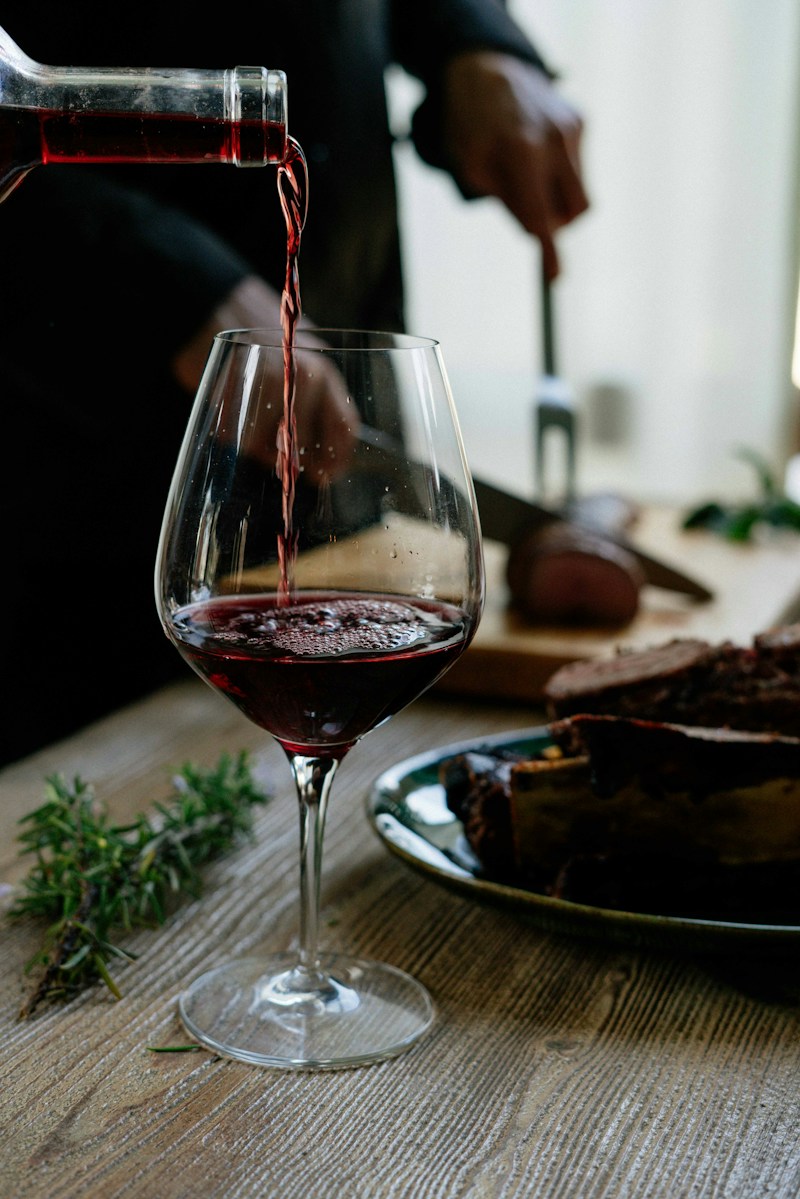
| Gegrilltes Rindersteak mit Kräutern | Amarone / kräftiger Ripasso | The wine’s richness and alcohol harmonise with roasted flavours, herbs and meat juices, the bitter note underpins the umami. |
| Pizza Margherita mit extra Mozzarella| Bardolino / leichter Valpolicella | Light body and fresh acidity suit the tomato sauce, red fruit links with the cheese without overpowering it. |
---
4. FAQ – 10 Questions for Corvina Lovers
❓ 1. Is Corvina a grape variety or an appellation?
Corvina is a grape variety – more precisely, a red indigenous variety from Veneto. It is the most important grape for Valpolicella, Amarone, Ripasso and many Bardolino wines.
❓ 2. What does a typical Corvina‑based wine taste like?
Typical are aromas of ripe cherry, red berries and plum, plus violets, dried herbs, a fine almond note and a touch of pepper. On the palate: medium‑bodied, with medium, juicy acidity and very fine, silky tannins.
❓ 3. Is Corvina also bottled as a single‑varietal wine?
Yes, even though it more often appears in blends. Some producers bottle pure Corvina wines, especially under IGT designations or as experimental lines in Valpolicella. As a single variety it shows its cherry‑driven, elegant side with particular clarity.
❓ 4. How does Corvina differ from Sangiovese?
Both often show cherry aromas, but Sangiovese usually has higher, edgier acidity and firmer tannins. Corvina is softer, more velvety, somewhat more fragrant – with more hints of violets, almond and dried herbs, and less rusticity.
❓ 5. How long can I age a Corvina‑based wine?
That depends strongly on the style:
- simple Valpolicella or Bardolino: 2–4 years
- Valpolicella Superiore or Ripasso: 5–10 years
- Amarone: 10–20 years, sometimes longer
Over time, more dried‑fruit, herb, almond and spicy notes develop.
❓ 6. At what temperature should I serve Corvina wines?
- Bardolino & lighter Valpolicella: 14–16 °C (slightly chilled)
- Valpolicella Superiore & Ripasso: 16–18 °C
- Amarone: 18 °C, not too warm so the alcohol doesn’t dominate.
Slightly too cool is better than too warm – the wine will warm up in the glass anyway.
❓ 7. Does Corvina pair well with vegetarian dishes?
Yes, beautifully. Especially with mushroom ragouts, grilled vegetables (e.g. aubergine, courgette, peppers), tomato‑based pasta dishes or herb risotto. The herbal and cherry notes of Corvina marry wonderfully with vegetable umami and tomato acidity.
❓ 8. What is the difference between Valpolicella, Ripasso and Amarone?
- Valpolicella: fresh, usually lighter wine from freshly harvested grapes
- Ripasso: Valpolicella refermented on Amarone pomace – more depth, richness, spice
- Amarone: from dried berries, highly concentrated, powerful, complex, often with higher alcohol
Corvina is the red thread running through all three, but the styles differ dramatically.
❓ 9. Is Corvina always vinified dry?
In Valpolicella, Ripasso and Amarone, mostly yes – they are usually dry. However, there are sweet versions such as Recioto della Valpolicella, where the dried berries are not fermented to complete dryness. Here you get noble residual sweetness with intense fruit and spice notes.
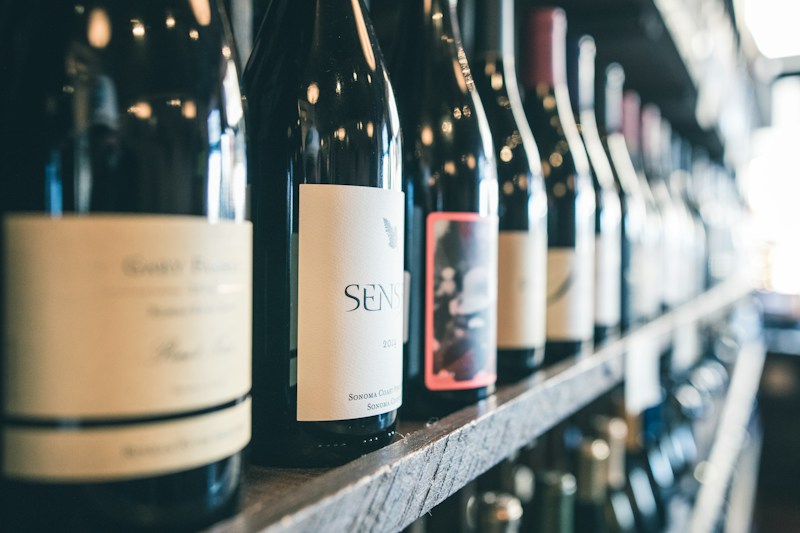
❓ 10. How do I recognise a good Corvina‑based wine on the shelf?
Look for:
- Origin: Valpolicella, Valpolicella Classico, Amarone della Valpolicella, Bardolino, reputable Veneto IGT
- Producer: renowned estates and traditional wineries are a good indicator
- Style indications: “Classico”, “Superiore”, “Ripasso” often point to higher quality ambitions
Read the back labels: notes on yield restriction, hand‑harvesting, and careful ageing are often a good sign.
---
Next time you hold a glass of ruby‑red wine from Verona and the scent of cherries, violets and dried herbs rises towards you, take a moment. Listen closely. Among all those aromas, a soft voice can be heard – warm yet clear, familiar yet mysterious. That is Corvina – the grape in which the twilight of the hills around Verona continues to glow long after the sun has set.