[The Purple Wave] Barbera: A red song from the hills of Piedmont
Barbera ist kein pompöser Opernstar, sondern ein leidenschaftlicher Straßensänger im Glas – saftig, säurereich, ehrlich und wie geschaffen fürs Essen.
[The Purple Wave] Barbera: A red song from the hills of Piedmont
Dear wine lovers,
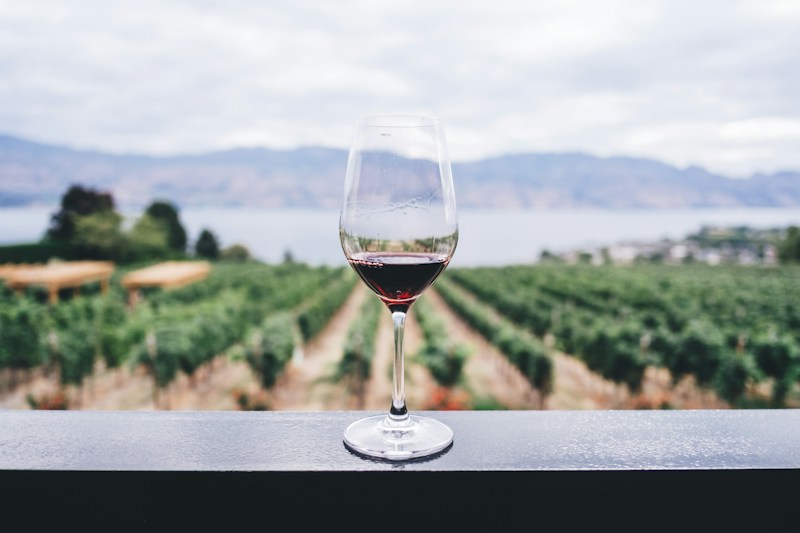
when you pick up a glass of Barbera, you’re holding more than just wine – you’re holding a piece of Italian soul. It’s as if you were sitting on a warm stone wall in the hills of the Piemont, the evening air scented with earth and herbs, a dog barking somewhere in the distance, and the sun slowly setting behind the vineyards. Barbera is exactly that moment, captured in ruby-red light.
This grape variety is no booming opera star, but more of a passionate street singer: full of emotion, approachable, open, sometimes rough around the edges, yet always moving. Its high, vibrant acidity is like a living pulse that wakes everything inside you, while cherries, plums, violets and a touch of earth dance across your tongue like a red mosaic. Barbera is the wine that makes you reach for the next sip almost involuntarily – not because it’s loud, but because it’s so wonderfully drinkable and disarmingly honest.
---
1. The globetrotter in the glass: Where Barbera calls home
Barbera is deeply rooted in the Piemont – where fog hangs between the hills like delicate curtains, and tractors and trattorie alike are part of the landscape. But like any good character, Barbera has different faces, depending on where it grows.
Piemont – Asti: The bright, fruity soul
In the area around Asti, Barbera shows its classic, fruit-driven and approachable nature.
Here, the focus is on:
- bright ruby red, often with violet reflections
- fresh cherry, red berries, cranberry on the nose
- an almost cheerful, juicy acidity that wakes up the palate instantly
The wines from Asti are often somewhat lighter in alcohol and body, but all the more drinkable. They are the Barbera version of a lively Saturday morning market square: vibrant, full of laughter, shaped by red fruit and a comforting, carefree energy. Perfect as the companion to a long, uncomplicated evening with pizza, pasta and good friends.
Piemont – Alba: The more serious, darker side
Around Alba, Barbera shows that it can do more than be “just” easygoing.
Here, the soils and climate often seem a bit stricter, which gives the wine:
- darker fruit (plum, black cherry)
- a bit more depth, structure and spice
- occasionally finer tannins and a longer finish
In Alba, Barbera often stands in the shadow of the famous Nebbiolo, but precisely because of this, many producers give it special attention. Through meticulous work in the vineyard and cellar, Barberas are crafted here that feel almost “serious”: structured, complex, with notes of violets, dried herbs, and a subtle earthy undertone. They pair beautifully with richer dishes and can age for several years.
Monferrato: The traditional charmer
The Monferrato is something like Barbera’s cozy living room – this is where it has been at home for centuries.
The style sits somewhere between Asti and Alba:
- red-fruited aromas of cherry, raspberry, redcurrant
- often slightly more rustic, country notes (earthiness, spice, a hint of barnyard when made traditionally)
- vibrant, fresh acidity, medium body
The wines from the Monferrato are like an old friend: maybe not perfectly polished, but full of stories and authenticity. Here you’ll find both simple, joyfully unpretentious table wines and more ambitious versions with a touch of oak and added depth.
Lombardy – Oltrepò Pavese: The backyard poet
In Oltrepò Pavese in Lombardy, Barbera isn’t the star of the show, but a much-valued supporting actor.
The wines can be:
- somewhat lighter and more fragrant
- a charming mix of cherry, red berries and gentle spice
- in some cases even made slightly sparkling (frizzante)
There’s a certain playfulness here. Barbera in Oltrepò Pavese feels like a poetic cousin from the next town over – familiar, yet with a slightly different accent.
Emilia-Romagna: The culinary playmate
In Emilia-Romagna – home of Parmigiano Reggiano, Prosciutto di Parma and countless pasta variations – Barbera knows exactly how to play its part: it’s a food companion through and through.
The Barberas from here:
- often emphasize freshness and drinkability
- show red fruits, cranberry, gentle spice notes
- tend to be uncomplicated, with pronounced acidity and moderate alcohol
They’re made to join a table full of salumi, pasta al ragù and cheese boards. No posing, just pure joy in food and wine.
---
2. From steel song to oak poem: How élevage shapes Barbera
Barbera is a grape whose personality is strongly influenced by how it’s raised. Its high acidity and relatively modest tannins make it a canvas on which the winemaker can paint with steel or oak – from crystal-clear fruit to multi-layered, almost noble wines.
Stainless steel: The clear, ringing expression
Barbera aged in stainless steel is like a freshly played violin – bright, direct, vibrating.
Typical traits:
- crisp cherry, red berries, cranberry at the forefront
- the acidity is clearly noticeable, lively and invigorating
- the body remains medium, the wine feels lithe and juicy
- no oak notes whatsoever – the focus is entirely on freshness and fruit
This style is ideal if you love Barbera as an everyday wine: served slightly cool, with simple food, with bread and cold cuts, with pasta – or simply on its own when you want a glass of good, honest red wine without heaviness or overthinking.
Oak barrels: The mature, reflective storyteller
Barbera aged in oak – whether in large traditional botti or smaller barriques – gains depth without losing its soul.
What changes:
- the fruit becomes darker and riper: cherry turns to black cherry, plum to damson
- the wine can develop notes of vanilla, spice, cocoa, tobacco, smoke (depending on type and use of oak)
- the structure becomes fuller, the body richer, the finish longer
- the acidity feels more harmoniously integrated, though still very present
Barberas aged in barriques – often labeled “Superiore” or with a vineyard name – are like Italian novels: a little more serious, deeper, for evenings when you take your time. They often call for food at their side: braised dishes, aged cheese, hearty pasta.
Balance is everything
The fascinating thing is: Barbera needs acidity – it is its lifeblood. Too much new oak can smother that freshness and disguise the variety. The best producers therefore use barriques with a gentle hand or rely on larger casks to preserve Barbera’s natural character – cherry, plum, violet, a hint of earth – and just round it off lightly.
---
3. Pairing recommendations: The perfect partner
Barbera is a true food-pairing powerhouse. Its high acidity cuts through fat and creaminess like a sharp knife, its medium body doesn’t overwhelm dishes, and its fruit-forward nature embraces flavors instead of dominating them.
| Gericht | Wein-Stil | Warum es funktioniert |
|--------------------------------------|----------------------------------------|---------------------------------------------------------------------------------------|
| Pasta al Ragù (Bolognese) | Barbera d’Asti im Stahltank | The acidity cuts through the fat of the ragù, cherry notes play with the tomato. |
| Ossobuco mit Polenta | Barbera d’Alba im Holzfassausbau | More body and spice match the intensity of the braise, acidity keeps it all lively. |
| Pizza Margherita oder Salami | Fruchtiger Barbera aus Monferrato | Juicy fruit and freshness balance the salt and fat of the toppings in harmony. |
---
4. FAQ – 10 questions for Barbera lovers
❓ 1. Is Barbera more of a light or a heavy red wine?
Barbera usually sits in the medium-bodied range. It doesn’t feel heavy or massive, but rather juicy and lively, especially thanks to its high acidity. Oak-aged versions can come across as a bit more powerful, but they usually stay below the sheer weight of some international blockbusters.
---
❓ 2. Why does Barbera have such high acidity – and what does that mean for me?
This grape variety is naturally high in acidity. That leads to a fresh, vibrant mouthfeel and makes Barbera a fantastic food wine. If you enjoy high-acid wines (e.g. Chianti, Nebbiolo, Sangiovese in general), you’ll likely love Barbera. If you’re sensitive to acidity, try a barrel-aged Barbera, where the acidity feels more integrated.
---
❓ 3. What does Barbera typically taste like?
You can orient yourself by:
- cherry (often sour cherry)
- plum and red berries
- violets and sometimes dried flowers
- spices like pepper, clove, a hint of cinnamon
- earthy notes reminiscent of damp soil, cellar, sometimes forest floor
- cranberry-like freshness on the palate
All together it feels like a red, juicy, gently spicy song in your mouth.
---
❓ 4. Should I drink Barbera young or can it age?
Most Barberas – especially simple, stainless-steel versions – are made for early drinking, in the first 2–4 years after harvest.
More ambitious Barberas with oak aging (often labeled “Superiore” or with a single-vineyard name) can age beautifully for 5–10 years or more: the fruit becomes softer, the spice more pronounced, and earthy and floral notes come further to the fore.
---
❓ 5. What is the ideal serving temperature for Barbera?
Barbera prefers it slightly cooler than room temperature:
- 16–18 °C is ideal for most styles.
- Light, fruity Barberas can even be chilled to 14–16 °C – this highlights their freshness.
If served too warm, the acidity can feel sharper and the alcohol more noticeable; too cold, and the aromas and charm withdraw.
---
❓ 6. Does Barbera work with vegetarian dishes?
Yes, beautifully. Thanks to its acidity and fruit, it’s a wonderful partner for:
- tomato-based dishes (pasta, ratatouille)
- roasted vegetables (aubergine, pepper, courgette/zucchini)
- mushroom dishes, mushroom or herb risotto
- cheese-heavy dishes like lasagne, bakes or gnocchi al forno
With more delicate vegetable creations, lean towards a fruity, stainless-steel-aged Barbera.
---
❓ 7. How does Barbera differ from Nebbiolo?
Both come from the Piemont, but they couldn’t be more different:
- Barbera: high acidity, low tannins, lots of cherry and red fruit, very drinkable and accessible.
- Nebbiolo: also high in acidity, but massive tannins, aromas of tar, roses, truffle, often needing long aging.
Barbera is the spontaneous friend for dinner, Nebbiolo more the complex thinker for special occasions.
---
❓ 8. Is Barbera also grown outside Italy?
Yes, but on a much smaller scale. You’ll find Barbera, among other places:
- in the USA (especially California)
- in Argentina
- sporadically in other European countries
Outside Italy, it’s often used as an exciting alternative to the usual international varieties. The style varies, but usually remains fruit-driven with juicy acidity.
---
❓ 9. Is Barbera a “good entry wine” for red-wine beginners?
For many people: yes. If you struggle with firm tannins, Barbera is ideal, as its tannins are soft to moderate. The fruit is clear, the acidity provides liveliness. A fruity Barbera d’Asti or from Monferrato is a wonderful introduction to the world of Italian red wines.
---
❓ 10. Which typical terms should I know on the label?
Pay particular attention to:
- Barbera d’Asti – often fruity, lively, classic
- Barbera d’Alba – tending to be a bit more structured, darker, with more depth
- Barbera del Monferrato – traditional, versatile, often very authentic
Additions like “Superiore” indicate longer aging (often including oak) and usually higher quality. Single-vineyard indications (e.g. “Vigna…”) point to specific sites and often signal ambitious wines.
---
Barbera is not a wine that fills the room with pomp – it fills it with life. With every sip, you can hear a gentle red song from the hills of the Piemont, telling of earth, sun, hard work and pure pleasure. Next time you’re standing in front of a wine shelf and spot a glowing ruby label that says “Barbera”, remember: this is not just a grape variety. It’s an invitation – to an Italian evening in your glass.