The Black Ember Aglianico: A Volcanic Heart from the South of Italy
Aglianico ist keine Fruchtbombe, sondern flüssige Landschaft: vulkanische Tiefe, dunkle Glut, hohe Säure und Tannin – ein Wein für Geduld, Emotion und große Momente.
The Black Ember Aglianico: A Volcanic Heart from the South of Italy
Dear wine lovers,
some grape varieties tell stories – others are entire novels. Aglianico belongs to the second category. It’s not a wine you simply “stumble upon”. You encounter Aglianico like a person with a past: proud, profound, sometimes headstrong, but with an intensity that gets under your skin.
Aglianico is the darkly glowing ember of the South, born on volcanic soils and kissed by the sun of Campania and Basilicata. In the glass, it shows a deep ruby red that almost turns black‑violet, like the night above Vesuvius. On the nose you get black cherries and plums, wrapped in violets, dried herbs, black pepper, smoke, and that mysterious earthiness that recalls warm ash and wet rocks after a summer rain. On the palate it is full‑bodied, with a taut, almost aristocratic structure and lively acidity – a wine that doesn’t just taste, but shapes, challenges, and leads.
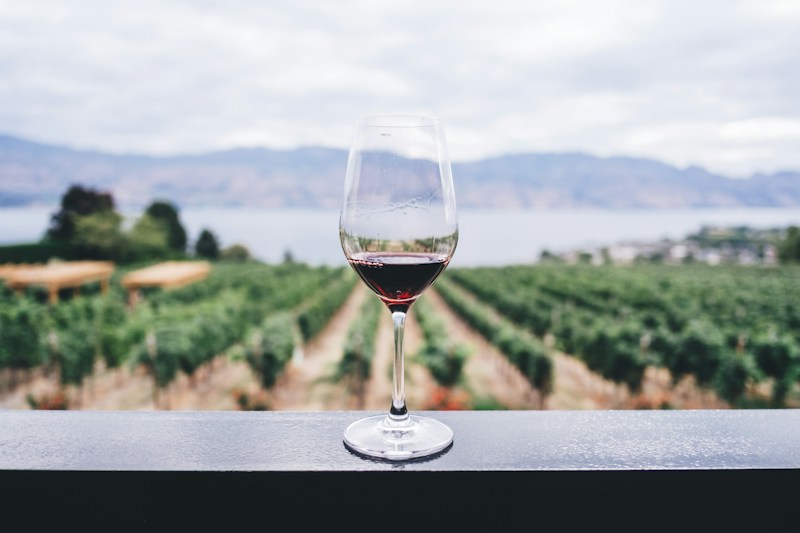
When you drink Aglianico, you’re not drinking a fruit bomb, but a landscape painting: volcanic cones, cool high altitudes, veils of fog over vineyards, shepherds returning home late at dusk. It is the quiet yet relentless echo of Italian history in the glass – a wine that loves patience, unfolds depth, and rewards you with one of the most characterful profiles in the wine world.
---
1. The Globetrotter in the Glass: Where Aglianico Calls Home
As distinctive as Aglianico is in character, it is just as deeply interwoven with its soils. And yet: wherever it takes root, it tells the landscape differently. Let’s look at its most important home regions.
Taurasi (Campania) – The Aristocratic Prince of the Volcano
Taurasi is probably the most famous name in the universe of Aglianico – often reverently called the “Barolo of the South”, even though in truth it writes its very own chapter.
The vines grow here on volcanic soils in higher‑altitude vineyards. Days are warm, nights are cool – a perfect climate to allow the high acidity and powerful tannins to ripen slowly and harmoniously.
Stylistically, Taurasi Aglianico shows its majestic side:
- Deep, almost black colour
- Aromas of black cherry, ripe plum, violet
- Underpinned by tobacco, smoke, leather, dried herbs and earthy notes
Young Taurasi wines can be demanding, angular and very structured. With age, this severity transforms into noble complexity – an arc from dark fruit towards tar, truffle, leather, and sometimes almost balsamic tones. Taurasi is a wine to wait for – and to marvel at.
Irpinia (Campania) – The Cool Soul of Campania
Irpinia, a mountainous hinterland of Campania, brings out another, often slightly more approachable facet of Aglianico. The altitudes and cool winds give the grapes a pronounced freshness that shows in the lively acidity.
Typical for Irpinia Aglianico:
- Powerful body, but often somewhat slimmer than Taurasi
- Pronounced fruit (black cherries, blackberries) with floral violet notes
- Noticeable but fine‑grained tannins
- Clearly mineral, sometimes almost stony‑spicy impression
Many Irpinia Aglianico wines are vinified to be accessible a little earlier – ideal if you don’t want to wait 10 years and still want to experience the essence of the grape.
Vulture (Basilicata) – The Smoky Hermit
In Basilicata, the extinct volcano Monte Vulture towers above the landscape – and on its slopes grows one of the most characterful Aglianico: Aglianico del Vulture.
The soils are deeply volcanic, rich in minerals, and the altitude brings huge temperature differences between day and night. That is exactly what Aglianico loves.
The style often feels a little wild, archaic, almost dramatic:
- Dense, dark fruit: black cherry, plum, sometimes blackcurrant
- Pronounced notes of smoke, pepper, dried herbs and earth
- Firm tannins, high acidity, an almost salty, mineral finish
Aglianico del Vulture is like a solitary, taciturn mountain dweller: initially closed, but of impressive depth if you give it time (and air in the decanter).
Taburno & Sannio (Campania) – Down‑to‑Earth Storytellers
Monte Taburno and the Sannio area in Campania often live in the shadow of Taurasi – unfairly so. Here, Aglianico wines are created that bridge the gap between tradition and sheer drinking pleasure.
Typical:
- Dark fruit, but often with a juicier, sometimes red‑fruited component
- Distinct herbal spice, pepper, a touch of smoke
- Present but not overwhelming tannins
Aglianico from Taburno and Sannio is perfect for getting to know the variety: characterful, southern, spicy – but with a little less baroque pomp than the grand Taurasi or Vulture versions.
---
2. Between Steel and Oak: How Aglianico Is Shaped
Aglianico is naturally powerful, with high acidity and strong tannins. Like a block of raw marble, it needs a sculptor to gain form. That sculptor is the élevage – above all the question: stainless steel tank or wood?
Ageing in Stainless Steel – The Naked Truth
In stainless steel, the wine stays close to its pure, original fruit. Steel is neutral – no aromas, no vanilla, no toast.
An Aglianico aged in steel (or with only a very short time in wood) shows:
- A clearer, fruit‑driven nose: black cherry, plum, violet at the forefront
- Lively, crisp acidity
- Tighter, sometimes more angular tannins
- More “energy” and freshness on the palate
These wines feel more direct, youthful, often a little rustic. Perfect if you want to experience the wild, unvarnished side of Aglianico – for example with simpler Irpinia or Sannio bottlings.
Ageing in Oak – The Tamed Volcano
Wood is Aglianico’s patient teacher. In barrel – whether large botte or barrique – the tannins begin to soften, the wine breathes gently through the wood, becoming smoother, rounder, more complex.
An Aglianico aged in wood (often for a long time) shows:
- Complementary aromas: tobacco, smoke, leather, sometimes cocoa and sweet spices
- Better‑integrated, finer tannins
- More texture and depth on the palate
- A longer, structured finish with earthy and spicy nuances
Taurasi and Aglianico del Vulture in particular traditionally rely on extended maturation in wood. It’s less about “wood flavour” and more about evolution: the wine gains harmony without losing its soul – the dark fruit and volcanic earthiness.
The Interaction: Steel + Wood
Many of the most exciting Aglianico wines are a cuvée of both worlds:
A portion in steel for freshness and fruit, a portion in wood for complexity and structure. This creates wines that are already enjoyable in their youth, yet still bring the depth that defines this grape variety.
---
3. Pairing Recommendations: The Perfect Partner
Aglianico is not a wine for an empty table. Its power and acidity call for serious culinary partners. Here are a few ideas to really let it shine:
| Dish | Wine Style | Why It Works |
|-----------------------------------|--------------------------------------|------------------------|
| Braised lamb shank with rosemary, garlic and polenta | Mature Taurasi or Aglianico del Vulture with significant oak ageing | The robust lamb and roasted flavours need structure and tannin. The dark fruit, herbal spice and earthy notes of Aglianico mirror the Mediterranean aromas and lift the dish, while the acidity elegantly tames the fat. |
| Homemade grilled Salsiccia with fennel, served with grilled vegetables | Fruit‑driven Irpinia or Sannio Aglianico, partly aged in steel | The spicy, fatty sausage loves the fresh acidity and peppery spice of Aglianico. Smoky notes and black cherry link up with the roasted aromas from the grill – a rustic, authentic southern Italy experience. |
| Pasta al Ragù Napoletano (slow‑cooked with beef and pork) | Moderately mature Aglianico from Taburno or Irpinia with moderate use of oak | The long‑simmered ragù brings depth, sweetness and umami. Aglianico contributes structure, acidity and dark fruit, making the sauce feel livelier and more layered without overpowering it. |
---
4. FAQ – 10 Questions for Aglianico Lovers
❓ Is Aglianico more of a wine for advanced drinkers?
Aglianico can be demanding: high acidity, firm tannins, lots of structure. If you’re only used to soft, fruity, uncomplicated reds, it may initially feel strict. But that’s exactly where its charm lies. Start with younger, fruit‑driven bottlings (e.g. from Irpinia or Sannio), then work your way up to the great Taurasi or Vulture wines.
---
❓ What does Aglianico typically taste like?
It is full‑bodied, dark, and structured. Typical aromas: black cherry, plum, violet, dried herbs, black pepper, smoke and earthiness. With age come tobacco, leather, sometimes tar, truffle and balsamic notes. Acidity is high, tannins are present – a wine with real backbone.
---
❓ How long should I age Aglianico?
That depends on the style.
- Simple, fruity bottlings: 3–5 years
- More serious Irpinia/Taburno wines: 5–10 years
- Great Taurasi and Aglianico del Vulture: easily 10–20 years or more
If you love structure, complexity and more polished tannins, patience pays off enormously.
---
❓ Do I need to decant Aglianico?
Decanting is almost always a good idea.
- Young wines (under 5 years): 1–2 hours to let tannins and fruit open up.
- Mature wines: decant carefully to separate the sediment and give 30–60 minutes of air.
You’ll often experience how the wine unfolds layer by layer in the glass – like a curtain slowly being drawn back.
---
❓ What is the ideal serving temperature for Aglianico?
Ideally 16–18 °C.
Too warm and it feels alcoholic and heavy; too cold and the aromas are muted and the tannins feel harsher. If the bottle comes from a very warm room, give it a short stay in the fridge; from a cool cellar it can rest a few minutes in the glass.
---
❓ Does Aglianico also work with vegetarian dishes?
Yes, as long as the dish has enough “depth”.
Think: mushroom ragouts, lentil stews with plenty of herbs, grilled vegetables with roasted notes, aubergine alla Parmigiana, robust tomato sauces. The earthiness and spice of Aglianico harmonise beautifully with hearty, umami‑rich components.
---
❓ How does Aglianico differ from Nebbiolo or Sangiovese?
All three are structured, high‑acid varieties, but with different souls:
- Nebbiolo: usually lighter in colour, more ethereal, more tar, roses, truffle
- Sangiovese: somewhat more red‑fruited (cherry), often sour cherry, herbs, sometimes slightly tomato‑like
- Aglianico: darker, more powerful, more black fruit, smoke, earth, pepper
If Nebbiolo is the subtle philosopher and Sangiovese the charming storyteller, then Aglianico is the serious, passionate volcano poet.
---
❓ Is it worth looking out for organic or low‑intervention Aglianico?
Many top producers in Campania and Basilicata now work organically or even biodynamically, often without much marketing fanfare. With a grape variety so strongly shaped by soil and climate, gentle viticulture can further highlight the transparency of terroir. You often get wines that feel clearer, more precise and more characterful.
---
❓ Is Aglianico a good restaurant wine for a long evening?
Yes, provided you use it deliberately. It works brilliantly:
- With a multi‑course menu built around meat, mushrooms or braised dishes
- As a “red thread” throughout the evening, especially if you start with a slightly lighter bottling and move to a mature Taurasi or Vulture
It’s less of a “glass‑at‑the‑bar” wine and more the quietly vibrating centre of a meal.
---
❓ How do I find my way into the world of Aglianico?
Begin with:
- A younger Irpinia or Sannio Aglianico, ideally with partial ageing in steel – this lets you get to know fruit, acidity and spice.
- Then try an Aglianico del Vulture with some wood – focus on smoke, earth, pepper.
- Crown the journey with a Taurasi, ideally with a few years of bottle age – here you experience the full dramatic range of this grape variety.
This is how curiosity turns into a journey – and how a name on a wine shelf becomes a passion that won’t let you go anytime soon.
---
When you drink Aglianico, you’re not just drinking wine. You’re drinking the echo of ancient volcanoes, the pride of an often overlooked South, and the quiet, dark ember of a character that only fully reveals itself to those who are willing to truly taste.