The Dark Soul of Bobal: Spain’s Hidden Red Wine Treasure from the Levante
A passionate deep dive into Bobal – die dunkle Seele der Levante – von Utiel-Requena bis Manchuela, von Stahltank bis Barrique, mit Foodpairing & FAQ.
The Dark Soul of Bobal: Spain’s Hidden Red Wine Treasure from the Levante
Dear wine lover,
today I’d like to invite you to dive with me into the very heart of a grape variety that spent a long time in the shadows, yet shines like a violet star in the Spanish night sky: Bobal. It is the dark, proud soul of the Levante, born under the burning sun of Utiel-Requena and Manchuela, where the wind carries dust and dreams alike. Bobal is not a wine for the sidelines – it’s a wine that looks at you before you taste it.
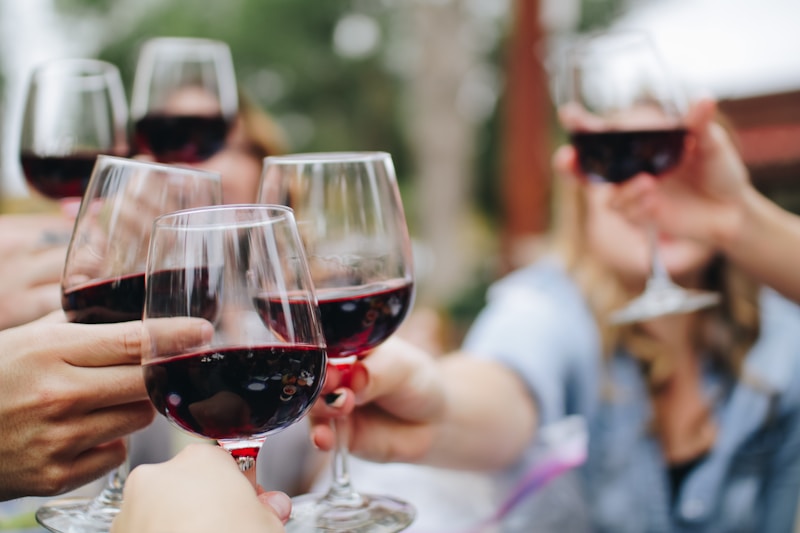
What makes this variety so special? It’s the untamed power and at the same time its quiet, almost shy character. For decades, Bobal was mostly a workhorse – a grape for volume, for simple country wines, for blends. Yet hidden within it lay incredible depth: in the glass, Bobal shines deep violet, almost inky black, like the night above a flamenco courtyard, only broken by a shimmer of ruby edges. On the nose you’ll find ripe blackberries, black cherries and plums, with violets, liquorice, wild herbs and the dry scent of warm, dusty earth.
On the palate, Bobal is full-bodied, juicy, generous. It embraces you with dark forest fruits, medium, lively acidity and often noticeable yet ripe tannins. It’s a wine that calls for campfire stories, for long nights and for honest food. A wine that says: Sit down. Breathe. Listen. I have something to tell you.
1. The Globetrotter in the Glass: Where Bobal Makes Its Home
Bobal is not a globetrotter like Cabernet Sauvignon or Merlot. It is more like a deep-rooted being, a wine that has grown out of its homeland like an ancient tree bracing itself against the wind. And yet, in its different regions of origin it shows different faces – all unmistakably Bobal, but each with its own accent.
Utiel-Requena – The Historic Epicentre
Utiel-Requena in the province of Valencia is the heartbeat of Bobal. Here, at 600 to 900 metres above sea level, the burning Levante sun meets cool nights, which give the grapes freshness and structure. The soils are often poor, calcareous, stony – ideal for forcing vines to root deeply.
Bobal from Utiel-Requena is usually powerful and dense:
intense aromas of blackberry, black cherry and plum, plus violets and liquorice. The wines often come across as rustic in the best sense – honest, earthy, with dark fruit and a hint of wild herbs. The tannins can be pronounced but, with good vinification, are silkily integrated. Many of the finest old Bobal vines grow here: gnarled bush vines crouching in the heat, channelling their strength into a few highly aromatic grapes.
Manchuela – The Emerging Cool Heights
Manchuela, located between Valencia and Castilla-La Mancha, is something like the “soft-spoken insider tip” for Bobal. The climate is more continental, the nights cooler, and the elevations often impressive. Here, Bobal has a stage on which it can show its fresh, floral and mineral side.
Bobal from Manchuela often appears somewhat more elegant, more vibrant:
dark forest fruits, black cherry, violets and wild herbs, plus noticeable yet medium acidity that gives the wine liveliness. The texture can seem finer, less powerful in sheer weight, but with more length and finesse. Many modern winemakers here rely on gentle extraction and often more restrained use of oak to highlight freshness and fruit.
Valencia – The Mediterranean Soul
In the DO Valencia and the surrounding areas, Bobal reveals its Mediterranean character. The proximity to the sea, warmer nights and the influence of sea breezes create wines that often appear a little more approachable, softer and juicier.
Here you’ll find Bobal with plenty of ripe fruit – blackberry, plum, sometimes even dried fruit – along with Mediterranean herbs, rosemary, thyme and a touch of liquorice. The body remains full, the acidity is in the medium range, making the wines especially moreish. These Bobals are like a warm summer evening on a terrace above the sea: dark, fragrant, inviting.
Castilla-La Mancha – Wide Land, Big Contrasts
In Castilla-La Mancha, that endless Spanish plateau, Bobal is still sometimes seen in its old role as a provider of bulk. But in places where winemakers deliberately work with yield reduction, old vines and ambitious vinification, impressive wines are being made.
Styles can vary, but Bobals from La Mancha often present themselves as intense, sun-drenched and full-bodied, with dark fruit, liquorice and slightly spicy notes. The heat brings density, but altitude can still ensure a certain freshness. Here, the grape becomes a mirror of the landscape: wide, generous, powerful.
Almansa – The Wild Border Region
Almansa, east of La Mancha, is a sort of borderland – geographically and stylistically. The climate is harsh, shaped by both continental and Mediterranean influences, and the soils are often poor, stony and rich in limestone. The wines here often appear wild, dark and intense.
Bobal from Almansa tends to produce particularly deeply coloured, powerful wines:
a violet-black core, full-bodied, with aromas of blackberry, black plum, liquorice, dried herbs and sometimes a smoky, earthy undertone. These are wines that call for hearty food, for fire and meat – Bobal in its archaic, untamed form.
2. From Steel to Barrel: How Bobal Finds Its Voice
Just as a singer sounds different in an empty hall than in a cathedral, Bobal also changes depending on how it is matured. The variety naturally brings plenty of colour, fruit and structure – the “raw material” is immense. But whether you find more fresh, fruit-driven energy or dark, spicy depth in the glass depends heavily on whether the wine was aged in stainless steel tank or in oak.
Bobal from Stainless Steel – Pure Violet Fruit
Ageing in stainless steel is like a mirror in which Bobal appears without make-up. No influence of oak, no additional aromas, no vanilla curtain – just fruit, freshness and the pure voice of the grape and its terroir.
In the glass, these Bobals are often youthfully violet, with intense aromas of blackberry, black cherry, forest fruits and fresh wild herbs. The acidity feels lively but not aggressive, the body remains full, the tannins can be present yet juicy. You sense the energy of the grape, the sun of the Levante, but in a direct, unvarnished form.
These wines are ideal if you want to get to know the raw character of the variety – they drink beautifully young, pair wonderfully with uncomplicated, hearty cuisine and can happily be served lightly chilled, especially on warmer evenings.
Bobal from Oak – A Dark, Velvety Tale
Once oak comes into play, the picture changes. Bobal has enough structure not only to “withstand” barriques or larger barrels, but to actively use them. Used judiciously, oak acts like a patient storyteller who structures and deepens the wine’s narrative, breaking it into chapters.
Bobal that has been aged in oak (whether in barrique or large casks) often shows:
- Deeper, more complex aromas:
Alongside blackberry, black cherry and plum you’ll find notes of liquorice, cocoa, coffee, tobacco, vanilla or sweet spices.
- Smoother tannins:
Maturation in barrel can round and polish the tannins, giving the wine a creamier, denser texture.
- More depth and length:
Oak ageing often reinforces structure and lends the wine more ageing potential, complexity and persistence on the palate.
But be careful: too much oak can overwhelm Bobal – it then loses its wild-herbal soul and its freshness. The most exciting wines are those in which you can perceive both the dark fruit and the warm spice of the barrel, without one side drowning out the other. If you find violets, forest fruits, liquorice and a hint of roasted nuts in your glass, you’ve often arrived at a beautifully balanced, oak-aged Bobal.
3. Pairing Recommendations: The Perfect Partner
Bobal is a wine that loves food – and food loves it back. Its full body, dark fruit, medium acidity and often noticeable tannins make it an ideal partner for hearty, flavourful dishes.
| Dish | Wine Style | Why It Works |
|-------------------------------------|-------------------------------|-------------------------------------------------------------------------------|
| Braised leg of lamb with herbs | Oak-aged Bobal | Dark fruit and liquorice caress the lamb, tannins tame the fat, herbs echo in the wine. |
| Grilled vegetables & chorizo from the plancha | Fruity Bobal from stainless steel | Juicy fruit and medium acidity lift smoke and spice without weighing them down; perfect balance to paprika and richness. |
| Paella with rabbit & snails (or a robust vegetable tortilla) | Medium-bodied Bobal, partly oak-aged | The earthy, spicy aromas of paella meet forest fruit and herbs in the wine; structure and body support the intense flavours. |
4. FAQ – 10 Questions for Bobal Lovers
❓ 1. What makes Bobal so special compared with better-known red varieties?
Bobal combines impressive colour intensity, dark, juicy fruit and a full body with still balanced, medium acidity. It feels powerful without being clumsy and often brings wild herbs, violets and liquorice – aromas that clearly distinguish it from international varieties like Merlot or Cabernet Sauvignon. On top of that, Bobal always tells a piece of Spain, a piece of the Levante, in your glass.
---
❓ 2. Is Bobal more of a wine for beginners or for advanced wine lovers?
Both – depending on the style. Fruit-driven Bobals from stainless steel are easy to approach, juicy and uncomplicated to enjoy, ideal for curious beginners. Barrel-aged, structured versions from old vines can be complex, deep and tannic – perfect for experienced enthusiasts who like to spend time with a glass.
---
❓ 3. At what serving temperature does Bobal show itself best?
For most Bobals, 15–17 °C is ideal. Fruity, young versions can also be served slightly chilled at around 14–15 °C to emphasise freshness. Powerful, oak-aged wines unfold their aromas best at 16–18 °C – too warm and they quickly seem alcoholic, too cold and they close up.
---
❓ 4. How long can I cellar a good Bobal?
Simple Bobals aged in tank are usually made for enjoyment within the first 2–4 years. High-quality, oak-aged wines from old vines can develop beautifully for 8–10 years, sometimes longer. The dark fruit then becomes more complex, with notes of leather, tobacco and dried herbs emerging.
---
❓ 5. Does Bobal also pair well with vegetarian dishes?
Absolutely. Think grilled aubergines, mushroom risotto, ratatouille, oven-roasted vegetables with herbs or a hearty lentil dish with Mediterranean spices. The dark fruit and herbal notes of Bobal pick up roasted flavours and the earthiness of many vegetable dishes perfectly.
---
❓ 6. Is Bobal always heavy and high in alcohol?
No. The Levante climate often produces ripe grapes and thus higher alcohol, but modern winemakers harvest more carefully and work with altitude and freshness. Many wines sit comfortably around 13–14% abv and, thanks to medium acidity and balance, feel powerful and vibrant rather than heavy.
---
❓ 7. Which aromas should I look for when tasting Bobal?
Focus on dark fruits like blackberry, black cherry, plum and forest fruits. Watch for floral hints of violets, liquorice and wild herbs such as thyme or rosemary. With oak-aged wines, you’ll often find notes of cocoa, coffee, vanilla, tobacco or sweet spices, and sometimes a hint of warm, dusty earth.
---
❓ 8. How does Bobal differ from Tempranillo?
Tempranillo often shows redder fruit (cherry, strawberry), with softer tannins and frequently more obvious oak influence (vanilla, coconut, dill, depending on the region). Bobal is darker, more violet in hue, with pronounced black fruit, firmer tannins and a wilder herbal profile. It often feels earthier, more rustic, more “agricultural” – in the best, most authentic sense.
---
❓ 9. Is there also rosé or sparkling wine made from Bobal?
Yes, and they can be fascinating. Rosés from Bobal often shine an intense salmon to raspberry colour and bring juicy strawberry and raspberry aromas, often with a floral, herbal touch. There are also winemakers experimenting with sparkling wines based on Bobal – fruit-forward, characterful alternatives to classic Cava styles.
---
❓ 10. How do I find a good Bobal in retail?
Look for origins such as Utiel-Requena, Manchuela or Valencia and specifically seek out terms like “old vines”, “viñas viejas” or particular single-vineyard or village designations. Producers who communicate parcel details and vine age usually care about quality. Also read whether the wine was aged in oak and for how long – this allows you to decide even before buying whether you want more fruit-driven directness or complex depth in your glass.
---
Bobal is not a loud star, not a variety that storms onto the stage with a big fanfare. It’s more like the dark flamenco guitar in the background – inconspicuous until it starts to play. If you give it time, turn your attention to it and quietly watch it in the glass, you’ll realise: within this inky red lies more than just wine – there is landscape, history, heat, wind, and a piece of the soul of the Spanish Levante.