The Wild Soul of Humagne Rouge: An Alpine Red Between Rock, Forest, and Fire
Humagne Rouge ist die dunkle, wilde Seele der alpinen Rotweine – kraftvoll, kräuterwürzig, steinig und tief verwurzelt im Wallis.
The Wild Soul of Humagne Rouge: An Alpine Red Between Rock, Forest, and Fire
---
2. Introduction
Dear wine lovers,
some grape varieties whisper, others tell stories – and a rare few growl softly like a watchful dog at the edge of the forest. Humagne Rouge belongs to the latter. It’s not a pleasing beauty, not a smoothly polished charmer built for easy applause. Humagne Rouge is the dark soul of the alpine vines, a wine that wants to be outside: in the clear mountain air, in the silence of the forest, against the cool stone wall of a Valais vineyard in the autumn evening light.
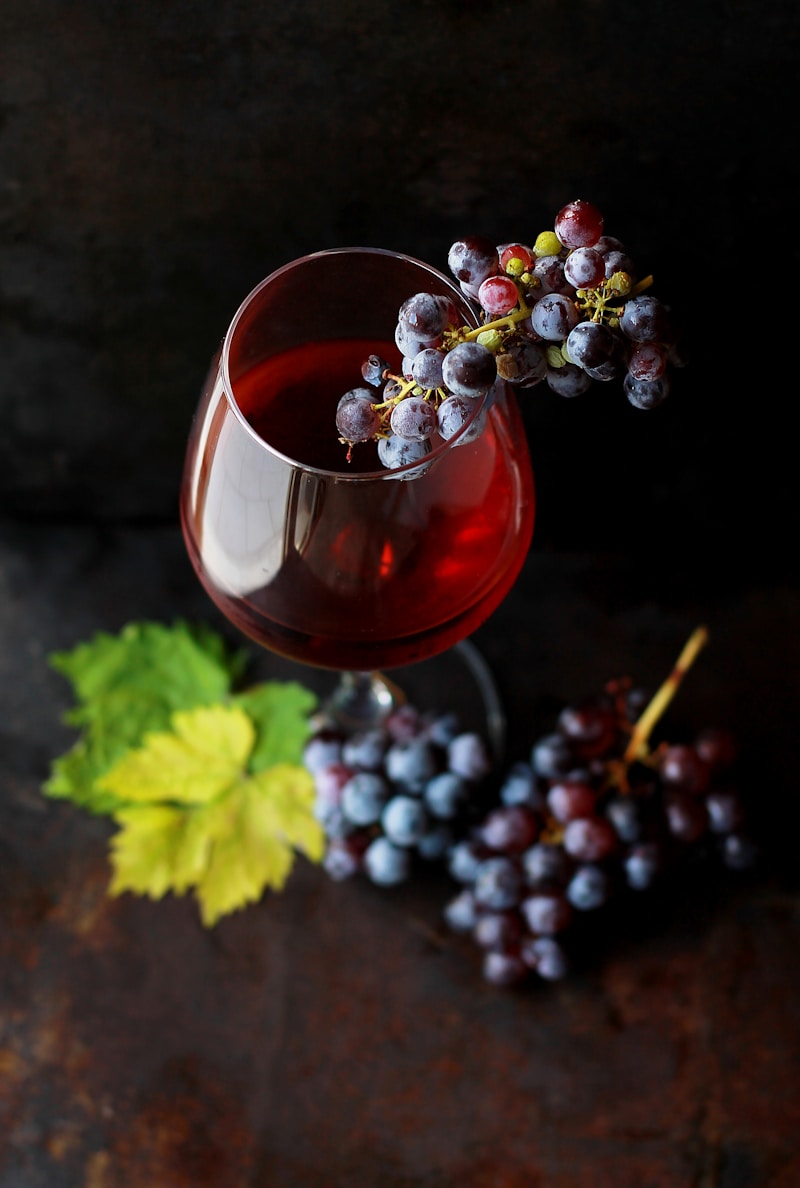
In the glass it shimmers deep ruby with a hint of garnet, as if it had absorbed the last light of an October sunset. Raise the glass to your nose and it’s as if you’re stepping onto a narrow path into a mountain forest: black cherries and blackberries hang in the air like the last berries of summer, accompanied by juniper, wild thyme blossom, a hint of pepper and the mysterious scent of undergrowth and wet stone. Humagne Rouge isn’t a wine you simply “drink” – you encounter it.
Perhaps that’s what makes it so special: it feels archaic and yet surprisingly free, with grippy tannins, medium body, fresh mountain acidity and an honest, untamed character. It tastes as though it had soaked up the stories of shepherds, hunters and vignerons – and is now ready to whisper them in your ear if you give it time and attention.
---
1. The Globetrotter in the Glass: Where Humagne Rouge Calls Home
Humagne Rouge is no cosmopolitan globetrotter like Cabernet or Merlot. It is more of a mountaineer, who knows its few familiar paths and walks them all the more intensely. Its true heart beats in the Valais – on steep terraces, in poor soils, under a sun that can be merciless in summer and tender in autumn.
Valais – The Grand Stage of Alpine Red Wines
The Wallis (Valais) is the true core land of Humagne Rouge. Here, framed by glaciers and stony slopes, it finds its natural habitat. The strong diurnal temperature swings give it depth and aromatic intensity without robbing it of freshness.
Typical Valais Humagne: dark berries, juniper, a cool, stony vein and a kind of “wild seriousness.” The wines often feel taut, with precise acidity, medium body and a rough‑edged yet charming tannin structure that perfectly matches its rustic elegance.
Central Valais – Between Rock and Sun
In Central Valais, around places like Sion and Vetroz, Humagne Rouge shows particular nuance. Here, poor, stony soils meet a relatively warm climate with plenty of sunshine. The wine often appears a little more generous, juicier, without drifting into blandness.
The typical style:
black cherry and blackberry at the forefront, joined by notes of wild herbs, dried thyme and a hint of smoke and undergrowth. The tannins are present but a bit more polished, the structure is precise, the acidity medium and invigorating – like a cool breeze sweeping through a sun‑drenched band of terraced vines.
Lower Valais – The Secretive, Darker Side
In Lower Valais, where the topographical and climatic conditions can be somewhat cooler and more humid, the wild, earthy side of Humagne Rouge pushes more to the fore. To the berry aromatics are added more hints of undergrowth, mushrooms, wet leaves and stone – almost as if you were walking through the forest after an autumn rain.
Wines from here feel cooler, more angular, more compact – often with more pronounced acidity and a stricter, more mineral edge. A style for lovers of characterful, non‑conformist wines that convince more by whispering than by shouting.
Sion & Vetroz – The Strong Characters
Sion and Vetroz deserve their own mention, as some of the most characterful interpretations of the variety come from these communes. Humagne Rouge here often shows particular finesse: intense fruit (black cherry, sometimes almost sour cherry), pronounced juniper and herbal notes, a hint of pepper and an underlying stoniness that runs across the palate like a cool streambed.
In Sion you often find slightly more powerful, more densely woven versions, while Vetroz frequently contributes a wonderfully salty, mineral edge that makes the wine seem almost “mountain‑crystal clear” – despite its dark aromatics.
---
2. Between Steel and Barrel: How Élevage Shapes Its Character
Humagne Rouge is like a mountain dweller: it doesn’t need a big stage, but it reacts sensitively to its surroundings. The maturation in the cellar – whether in stainless steel tank or wooden barrel – changes its language without betraying its soul.
Stainless Steel – Pure Mountain Air
In stainless steel, Humagne Rouge remains entirely itself. No wood, no whisper of vanilla, no added spice from outside – just the pure, unadulterated variety. Here, fresh black cherry, blackberry, juniper and forest herbs come to the fore with particular clarity. The stony “wet rock” note feels almost crystalline, and the medium acidity structures the wine like a precisely drawn mountain silhouette.
Tank‑raised Humagne is ideal if you want to experience the unvarnished, almost wild side of this variety: firm, juicy, with robust tannins that reflect the terroir honestly and unfiltered.
Wooden Barrel – The Tamed Hunter
In wooden barrels – whether used barriques or larger casks – Humagne Rouge opens another door. The wood can round out its sometimes somewhat unruly tannins and add extra dimensions of smoke, spice and structure. But caution: too much new oak can drown it out; this is not a wine that needs vanilla and coconut aromas to shine.
With well‑judged barrel ageing, notes of pepper, dried herbs, gentle smoke and undergrowth become more pronounced. The berry aromas appear darker, riper, almost like a compote of black cherry with a handful of crushed juniper berries. The mouthfeel becomes fuller, creamier, without the wine ever losing its medium, elegant frame.
Steel stands for alpine clarity, wood for spicy depth. And in between, there are countless nuances – from the briefly wood‑kissed, fruit‑driven style to the structured, age‑worthy character wine with serious complexity.
---
3. Pairing Recommendations: The Perfect Partner
Humagne Rouge is a wine that calls for real cooking: for fire, cast‑iron pans, wild herbs, for dishes that tell a story. Its medium acidity, medium body and firm tannins make it an ideal companion for hearty, flavourful food.
| Gericht | Wein-Stil | Warum es funktioniert |
|-------------------------------------------|------------------------------|--------------------------------------------------------------------------------------------------------|
| Geschmorte Hirschkeule mit Wacholderjus | Humagne Rouge aus Holzfass | Wildaromen, Wacholder und Unterholz im Wein spiegeln das Gericht; Tannine und Säure tragen das Fleisch. |
| Walliser Trockenfleisch & Bergkäseplatte | Humagne Rouge aus Stahltank | Die frische Säure schneidet durch das Fett, Kräuter- und Steinnoten ergänzen Käse und Trockenfleisch. |
| Pilzrisotto mit Thymian und Pfeffer | leicht holzbetonter Humagne | Erdige Pilze und Unterholznoten treffen sich; Kräuter- und Pfefferaromen im Wein intensivieren die Würze. |
---
4. FAQ – 10 Questions for Humagne Rouge Lovers
❓ 1. What makes Humagne Rouge so special compared to other red wines?
Humagne Rouge is not a perfected mainstream wine but a grape of character. It combines dark fruit (black cherry, blackberry) with wild spice (juniper, forest herbs, pepper) and a stony, almost cool minerality. Add to that a medium body, medium acidity and firm tannins – a profile that evokes mountain forest, autumn hunts and wet rock rather than jam and vanilla.
---
❓ 2. Which region produces the best Humagne Rouge?
You’ll find the most exciting examples in the Wallis, especially in Central Valais around Sion and Vetroz. There, climate, altitude and soils are ideal for bringing out both the dark fruit and the stony, herb‑spiced side of this variety. “The best” is a matter of taste, though: some love the cool rigour of Lower Valais, others the more approachable fruit of Central Valais.
---
❓ 3. Is Humagne Rouge more on the light or the full‑bodied side?
It sits in the middle: a medium‑bodied red. Not a light quaffing wine, but not a massive blockbuster either. Its strength shows less in alcohol than in structure and presence on the palate – more like a wiry mountaineer than a bodybuilder.
---
❓ 4. Which aromas are typical for Humagne Rouge?
Typical are black cherry, blackberry, juniper, forest herbs, pepper, undergrowth and a distinct note of stone or wet rock. Depending on the élevage, smoke, dried herbs and subtle wood spice may join in. It often feels “woodland” and “earthy” without being heavy.
---
❓ 5. At what temperature should I serve Humagne Rouge?
Ideally at 15–17 °C. Too warm and it feels heavy and alcoholic; too cold and its spice shuts down while the tannins come across hard. If in doubt, put the bottle in the fridge for 20–30 minutes before serving – a worthwhile step, especially in warm rooms.
---
❓ 6. Do I need to decant Humagne Rouge?
It’s often worth it, especially for younger, barrel‑aged wines. 30–60 minutes in a decanter help to tame the tannins and release the complex aromas – from dark fruit to undergrowth. Stainless‑steel, fruit‑driven versions generally need less air but still benefit from a few minutes in the glass.
---
❓ 7. How long can I cellar Humagne Rouge?
Good quality wines from the Wallis can age beautifully for 5–10 years, sometimes longer. Over time, the fruit recedes slightly while undergrowth, mushrooms, dried herbs and tobacco gain in prominence. Simpler, fruit‑driven versions are best enjoyed within 3–5 years to savour their freshness.
---
❓ 8. What are the best food matches for Humagne Rouge?
It is made for hearty alpine cuisine: game dishes (venison, roe deer), lamb, braises, dried meats, robust mountain cheeses and mushroom dishes. Its forest and herb notes meld beautifully with game and mushrooms, while its acidity catches fat and seasoning with poise.
---
❓ 9. Is Humagne Rouge suitable for beginners?
If you’re used only to soft, fruit‑forward reds, Humagne Rouge can initially seem idiosyncratic. But if you’re curious about authentic, terroir‑driven wines, it’s a wonderful gateway into the world of alpine character wines. Start with fruitier, stainless‑steel versions to ease your way in.
---
❓ 10. How do I recognise a good Humagne Rouge on the shelf?
Look for origin (Wallis, especially Sion, Vetroz or renowned sites in Central and Lower Valais), for the producer’s name and – if available – indications of élevage (steel vs. wood). A good Humagne Rouge shouldn’t boast on the label about high alcohol and “barrique power,” but rather speak of origin and vintage. When in doubt, look for growers who clearly talk about “autochthonous varieties” and “terroir” – that’s often a good sign.
---
Humagne Rouge is not a wine that wants to please everyone. It is the silent hunter among the alpine vines, lurking in the shadows of the big international varieties – and stepping out of the glass, at the right moment, with an intensity you won’t soon forget. When you meet it, take your time. Don’t just open the bottle; open yourself to its story. It won’t tell it loudly, but with every sip you’ll hear it more clearly.