The Dark Soul of Negroamaro: A Love Letter to the South in Your Glass
Negroamaro ist keine Smalltalk-Rebe, sondern die dunkle, warme Seele des Salento – voll Charakter, Tiefe und sinnlicher Melancholie im Glas.
The Dark Soul of Negroamaro: A Love Letter to the South in Your Glass
---
2. Introduction
Dear wine lovers,
some grape varieties whisper – Negroamaro sings. And it doesn’t sing just any song, but a husky, warm ballad from the heel of the Italian boot: of blazing sun, salty sea breeze and dusty country lanes winding through olive groves. Negroamaro is not an easygoing small-talk wine. It is a personality, a counterpart. A wine that looks you in the eye and says: “Sit down. Now we talk about the essentials.”
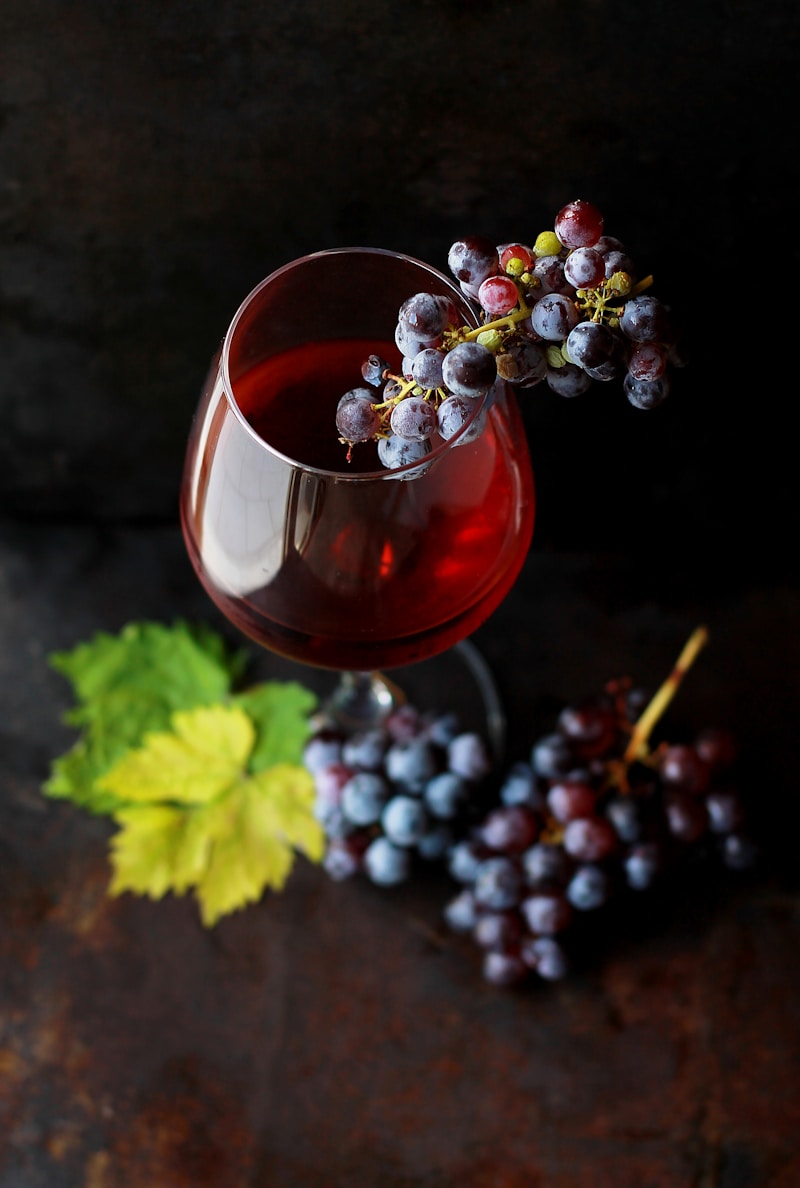
Negroamaro is the dark soul of the Salento, a wine like the glowing red twilight over two seas. In the glass it shimmers deep ruby, almost black, as if it carried the memory of countless sunsets within. On the nose, ripe black cherries, plums and blackberries dance, framed by fine tobacco, Mediterranean herbs – thyme, rosemary, a hint of sage – and that dry, warm earthiness that smells like the red soils of Apulia. On the palate it is dense, warm and velvety, with a subtle, honest bitterness reminiscent of dark chocolate and espresso foam. Negroamaro is no smooth‑edged charmer, but a wine with corners, edges and soul – and that is exactly why you fall in love with it.
---
1. The Globetrotter in the Glass: Where Negroamaro Is at Home
Negroamaro is anything but a globetrotter in the classic sense – its true home is and remains Apulien, especially the Salento. And yet, it shows different faces over just a few kilometres. Let’s travel together to where this wine belongs.
Salento – The Heart of Darkness
The Salento, the narrow tongue of land between the Adriatic and Ionian Seas, is the beating heart of Negroamaro. Here, where the wind tastes salty and the sun beats mercilessly down on the vines, some of the most concentrated and characterful wines from this variety are born.
In Salento, Negroamaro appears full‑bodied, warm and sensual. Black cherry and plum take centre stage, carried by dark berry fruit, tobacco and an earthy, almost dusty note – like a summer path that hasn’t seen a drop of rain all day. The tannins are ripe and soft, the medium acidity provides enough freshness without disturbing the silky density. Negroamaro from the Salento is often like an embrace – powerful, yet comforting.
Brindisi – The Maritime Breeze in the Glass
Around Brindisi you can feel the proximity of the Adriatic. The soils are partly sandier, the wind cooler, and the vines get a little more air to breathe. Here, Negroamaro yields wines that seem somewhat fresher and clearer than in the deeper south of the Salento.
In Brindisi you’ll find Negroamaro with pronounced blackberry fruit, juicy black cherry and a playful spice of Mediterranean herbs. The tannins feel a bit firmer, the acidity a touch more lively. This makes the wines from this region ideal for slightly cooler serving temperatures and for anyone who loves dark fruit but doesn’t necessarily seek maximum opulence.
Lecce – The Baroque Expression
Lecce, the baroque city in the south of Apulien, is not only architecturally opulent. The Negroamaro wines from the surrounding area also carry something theatrical within them. Limestone‑rich soils, heat and a long tradition come together to create wines that combine structure and richness with remarkable depth.
Here, Negroamaro often comes across as particularly complex: blackberry, black cherry and plum merge with tobacco, leather and sometimes a hint of dried figs. The earthy note is complemented by dark chocolate and espresso nuances. These wines can age beautifully and, over time, develop an almost truffle‑like, deeply sensual complexity. Negroamaro from Lecce is like an opulent baroque theatre – dramatic, detailed, never boring.
Taranto – Where Warmth Becomes Density
Between industry, sea and vineyards, Negroamaro finds an especially warm home near Taranto. Summers here are extremely dry and hot, the soils often heavy and clay‑rich. The result: powerful, concentrated reds with plenty of body.
In Taranto, Negroamaro often shows intense plum and black cherry fruit, sometimes almost liqueur‑like, framed by tobacco, dark chocolate and a deep, dark spiciness. The tannins are abundant but, with good vineyard work, finely polished. These wines are like the late hour of a summer evening: dense, warm, almost a little intoxicating.
Valle d’Itria – The Slightly Softer Side
The Valle d’Itria is more commonly associated with white grape varieties and its Trulli houses, yet Negroamaro has found a little corner here as well. The climate is somewhat more moderate, the altitude a bit higher – and you can taste it.
Negroamaro from this region often feels a notch more elegant, with slightly elevated freshness. The dark fruit is there, but less opulent, accompanied instead by livelier acidity and finer herbal notes. The wines come across as almost “airier” without losing their dark soul – ideal for those who love the aromatics but want a little more playfulness in the glass.
---
2. Between Steel and Oak: How Maturation Shapes Its Character
Negroamaro may be a wine of the sun, but in the cellar it demands a delicate touch. Perhaps more than many other varieties, it reacts strongly to how it is matured – stainless steel or oak – expressing itself very differently.
In Stainless Steel – The Naked Truth
Negroamaro matured in stainless steel is the purest form of this grape: unvarnished, direct, almost like an honest conversation between good friends. Stainless steel preserves freshness, fruit and the grape’s original aromatics without adding anything of its own.
In such wines, black cherry, plum and blackberry stand out with special clarity. The Mediterranean herbs seem fresher – more like a freshly picked sprig of rosemary – and the earthy note is more present, sometimes almost mineral. The bitterness is reminiscent of dark cocoa, less of heavy chocolate. The tannins remain rather firm‑handed but not aggressive, and the medium acidity shows itself lively and invigorating.
Stainless‑steel Negroamaro is ideal if you want to get to know the variety in its “naked” form: authentic, juicy, with honest structure.
In Oak – The Velvety Seduction
As soon as Negroamaro spends time in oak – whether large cask or barrique – its voice changes. The wine becomes deeper, rounder, quieter, yet more haunting. Oak isn’t a costume, but more like a soundbox that amplifies its tone.
Negroamaro aged in wood often shows more intense aromas of tobacco, dark chocolate and sometimes coffee or espresso foam. The fruit shifts from fresh blackberry towards more confit‑like black cherry and ripe plum. The tannins become finer, more supple, and the texture on the palate feels velvety, sometimes almost creamy.
Well‑judged use of oak highlights the dark, melancholic side of Negroamaro without overwhelming it. Instead of loud fruit, depth, length and a spicy finish dominate, recalling dried herbs, cocoa and earth after summer rain.
---
3. Pairing Recommendations: The Perfect Partner
Negroamaro is a wine for food, for sharing, for lingering at the table. Its generosity, medium acidity and dark, gently bitter aromatics make it an ideal partner for robust, savoury, herb‑driven cuisine – especially from the Mediterranean.
| Gericht | Wein-Stil | Warum es funktioniert |
|-------------------------------------|-------------------------------|---------------------------------------------------------------------------------------|
| Orecchiette mit Salsiccia & Cime di Rapa | Im Holz gereifter Negroamaro | The vegetable’s bitterness mirrors the wine’s fine bitter note; the spice of the Salsiccia is embraced by tobacco and chocolate aromas, and the wine’s fullness carries the dish with ease. |
| Gegrilltes Lammkotelett mit Rosmarin & Knoblauch | Stahltank-Negroamaro | Juicy fruit and livelier acidity cut through the lamb’s fat; the wine’s herbal notes meld with rosemary and garlic into a thoroughly Mediterranean flavour picture. |
| Geschmorte Rinderschulter mit Polenta | Im Barrique gereifter Negroamaro | Dense structure and soft tannins harmonise with long braising; dark fruit and dark chocolate underline the roasted flavours, while the polenta gently cushions the wine’s power. |
---
4. FAQ – 10 Questions for Negroamaro Lovers
❓ Where does the name “Negroamaro” come from?
The name probably combines “negro” (black) and “amaro” (bitter) – a nod to the dark colour and the characteristic, fine bitterness on the palate. Some also see a double origin from the Latin “niger” and the Greek “mavros” (both meaning black). Either way, it perfectly describes what awaits you in the glass – darkness and an honest edge.
---
❓ What does Negroamaro typically taste like?
It is full‑bodied and warm, with aromas of black cherry, plum and blackberry, often complemented by tobacco, Mediterranean herbs, an earthy note and dark chocolate. On the palate it is dense and velvety, with medium acidity and ripe tannins. The fine bitterness on the finish recalls dark chocolate or espresso.
---
❓ Is Negroamaro always heavy and high in alcohol?
Not necessarily. The hot climate of Apulien often produces wines with plenty of alcohol, but modern winemakers increasingly harvest earlier and work with higher altitudes. This yields wines that are generous yet not tiring. Stainless‑steel maturation and cooler areas such as parts of the Valle d’Itria, in particular, show a fresher, more approachable side.
---
❓ What is the ideal serving temperature for Negroamaro?
Serve it slightly chilled, at about 16–18 °C. Too warm and the alcohol quickly dominates and the structure blurs; a little cooler and fruit, herbal notes and the fine bitterness come through more precisely. Young, stainless‑steel wines are best around 16 °C, while mature, oak‑aged bottles can happily be served at 18 °C.
---
❓ How long can you age Negroamaro?
That depends greatly on the style. Fruit‑driven, stainless‑steel wines are usually made for enjoyment within 3–5 years. More complex, oak‑matured examples – especially from top sites in Salento, Lecce or Taranto – can age beautifully for 8–10 years, sometimes longer. Over time they develop additional notes of leather, dried fruits and forest floor.
---
❓ Does Negroamaro pair well with vegetarian dishes?
Yes, surprisingly well – especially with hearty vegetable preparations. Think grilled aubergines, mushroom ragouts, lentil stews or oven‑roasted vegetables with herbs and olive oil. The earthy, spicy side of Negroamaro marries wonderfully with roasted aromas and umami notes in such dishes.
---
❓ How does Negroamaro differ from Primitivo?
Primitivo is usually more fruit‑forward, seemingly sweeter and often higher in alcohol, with notes of ripe berry jam and spices. Negroamaro feels darker, more serious, with more pronounced herbal and tobacco spice, an earthy component and a noticeable, noble bitterness. Where Primitivo often shows up loud and lavish, Negroamaro is more the deep, contemplative voice of Apulien.
---
❓ Is Negroamaro a good entry‑level wine for red wine beginners?
If you’re looking for uncomplicated, super‑fruity wines, perhaps not as the very first step. But if you’re ready to embrace a bit of spice, structure and gentle bitterness, a not‑too‑heavy Negroamaro offers a wonderful gateway into characterful reds. Especially recommended: young, stainless‑steel versions with moderate alcohol.
---
❓ Should you decant Negroamaro?
Younger, fruit‑driven versions often benefit from 30–60 minutes in a decanter to open up. Mature, oak‑aged wines should be decanted carefully, mainly to separate any sediment and give the wine a brief breath of air. Very long decanting can make very old bottles seem tired – for mature wines, gentle aeration in the glass is often enough.
---
❓ For which occasions is Negroamaro particularly suited?
Negroamaro is the perfect wine for evenings when there is something to talk about: long conversations with friends, an extended meal, a late supper after a hot summer’s day or a wintery braise that has been in the oven for hours. It is not an aperitif wine, but a companion for the heart of the evening – when depth, warmth and a touch of melancholy are called for.
---
Next time you hold a glass of Negroamaro, take your time. Look into that dark colour, inhale the sun, the dust, the herbs. And then take a sip – perhaps you’ll hear it, the quiet voice of the Salento, speaking to you from the depths of the glass.