The Dark Muse Nero d’Avola: Sicily’s Soul in a Wine Glass
Nero d’Avola ist Siziliens dunkle Seele im Glas – sinnlich, charakterstark und voll mediterraner Wärme.
The Dark Muse Nero d’Avola: Sicily’s Soul in a Wine Glass
---
Dear wine lovers,
some grapes taste of landscape, others of history – and then there are those that carry the whisper of an entire island within them. Nero d’Avola is one of those varieties that touches not only the palate, but also the imagination. Every sip is like an evening on a Sicilian piazza: warm air, people calling out to each other, the scent of herbs and the sea – and above it all the slowly sinking sun, painting the sky in flaming red.
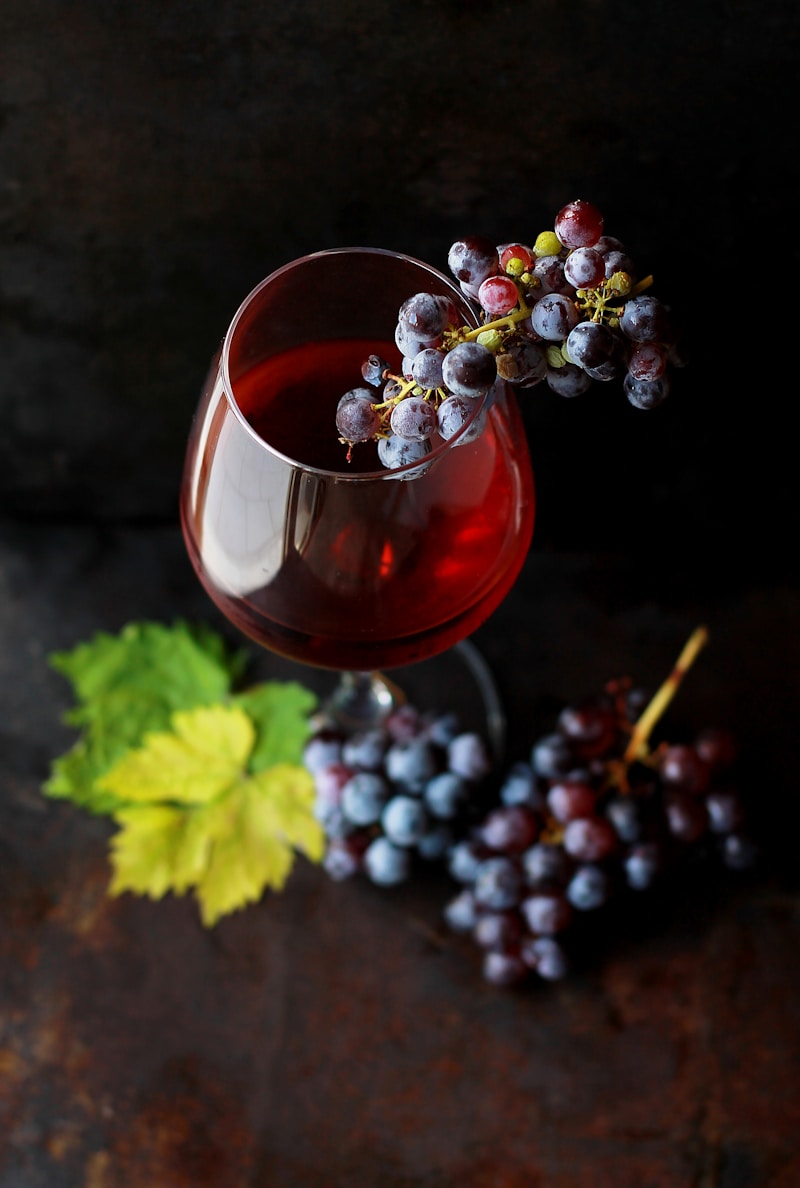
Nero d’Avola is the dark soul of Sicily, coloured by the blood of the evening sun sinking into the sea near Avola. In the glass it shines deep ruby red, with violet reflections like the hem of a festive dress on a warm summer night. Its bouquet recalls ripe black cherries, plums and dark blackberries, with a hint of liquorice, violet blossoms, Mediterranean herbs and the warmth of dusty country roads. On the palate it is full-bodied and powerful, yet as smooth as velvet, with a medium, lively acidity and tannins that don’t bite but caress.
What makes this variety so special is its ability to unite opposites: sun and shadow, power and elegance, earthiness and poetry. Nero d’Avola can be rustic and wild, like an untamed summer storm – or profound and fine, like a whispered conversation after midnight. It is a wine for people who love character and are willing to invite a little drama into their glass.
---
1. The Globetrotter in the Glass: Where Nero d’Avola Calls Home
When we talk about Nero d’Avola, we are first and foremost talking about Sicily. The variety is so closely woven into this island that you might think it was born from lava, salt and sun. And yet it reveals new facets in each of Sicily’s different regions.
Sicilia & Sicilia DOC – The Great Mosaic
The broad designation Sicilia or Sicilia DOC is like a large mosaic of soils, microclimates and styles. Here you’ll find everything from simple, fruit-driven everyday wines to complex, ageworthy interpretations of Nero d’Avola.
Typical for many Sicilia wines is juicy fruit of black cherry and plum, complemented by blackberry, a hint of liquorice and delicate Mediterranean herbs. The wines are usually full-bodied yet approachable, with medium acidity, soft tannins and a warmth that mirrors the many hours of sunshine. They are the ideal ambassadors for anyone pouring Nero d’Avola into their glass for the first time: inviting, charming, uncomplicated – but never boring.
Syracuse – Sea Breeze and Elegance
Around Syracuse, Nero d’Avola breathes in the sea’s proximity. The salty air, cooling breezes and calcareous soils give the wines remarkable freshness and elegance. Here, violet floral notes often stand out more prominently, together with a livelier play of acidity.
The fruit profile is a little cooler, more precise: more black cherry and crisp plum than jammy opulence. A fine hint of pepper and herbs joins in – as if the wine had memorised the scent of the macchia. These wines feel somewhat more delicate, with clear structure, and pair beautifully with dishes that are not dominated by heavy, powerful flavours.
Ragusa – Sun-Ripeness and Spice
In the area around Ragusa, Nero d’Avola loves to show its sun-drenched, spicy side. The soils are often poorer, the climate hot and dry – perfect for producing concentrated grapes with ripe fruit.
Wines from Ragusa are frequently robust and earthy, with intense blackberry and plum fruit, liquorice, a hint of tobacco and clearly noticeable Mediterranean herbs – rosemary, thyme, sometimes even a suggestion of oregano. The tannins can be more generous, yet remain ripe and rounded. These wines possess something archaic, as if they were telling stories from long-gone times.
Agrigento – Warmth, Depth and Velvet
Further west, in Agrigento, conditions are often even warmer, and Nero d’Avola appears particularly dark, full-bodied and supple. Here you’ll find wines with deep ruby colour, almost inky, and fruit reminiscent of black cherries in liqueur, ripe plums and dark berry preserves.
Notes of liquorice, chocolate and sometimes a touch of dried herbs join in. The acidity stays in the middle range, ensuring that despite their richness the wines never become tiring. Nero d’Avola from Agrigento is like a velvet curtain in an old theatre: heavy, sensual, a little mysterious.
---
2. From Steel to Oak: How Maturation Shapes the Character
How Nero d’Avola presents itself in the glass depends heavily on how the winemaker treats it. You could say that maturation is the stage on which this variety changes roles – from impetuous young hero to mature character actor.
Stainless Steel – Pure, Juicy Fruit
Nero d’Avola matured mainly in stainless steel tanks shows its unadulterated, fruity side. Steel is neutral, it doesn’t influence flavour, but preserves what is already in the wine.
Typical characteristics:
- Focus on black cherry, plum, blackberry
- Freshness, medium acidity, juicy drinkability
- Less tannic structure, more soft, approachable texture
- Light notes of violet and herbs, sometimes a hint of pepper
Such wines are like a summer’s day in a bottle: spontaneous, joyful, uncomplicated. Perfect for convivial evenings, a glass “just because” or as a versatile partner for pasta, pizza and grilled vegetables. They mirror the direct, sunny character of Sicily without much staging.
Oak Maturation – Depth, Spice and Maturity
When oak barrels come into play, Nero d’Avola reveals its serious, profound side. Wood doesn’t just mean vanilla or toasted notes – it also means structure, micro-oxidation and time.
Typical characteristics:
- More pronounced tannic structure, yet often silky and polished
- More complex aromatics: alongside dark fruit, liquorice, chocolate, tobacco, sweet spices
- Greater depth, length and ageing potential
- Rounded acidity; the wine feels more harmonious and multi-layered
Depending on the type of wood (barrique vs. large cask, new vs. used oak), impressions range from fine vanilla and cedarwood to smoky, spicy accents. A well-made, oak-aged Nero d’Avola can be a wine for meditation – one you sip slowly while watching evening turn to night.
The Golden Middle Ground
Many winemakers today opt for combination ageing: part in stainless steel for freshness and fruit, part in oak for structure and complexity. The result is balanced wines that are both accessible and profound – ideal if you want to experience Nero d’Avola in all its nuances without sacrificing sheer drinking pleasure.
---
3. Pairing Recommendations: The Perfect Partner
Nero d’Avola is a grateful companion at the table. Its dark fruit, full mouthfeel and medium acidity make it a true all-rounder of Mediterranean cuisine – and beyond.
| Dish | Wine Style | Why It Works |
|--------------------------------|-------------------------------------|-------------------------------------------------------------------------------|
| Braised leg of lamb with rosemary & garlic | Oak-aged Nero d’Avola | The robust, savoury lamb meets dense fruit, ripe tannins and herbal spice – a perfect harmony. |
| Pasta alla Norma (tomato, aubergine, ricotta salata) | Fruit-driven, stainless-steel Nero d’Avola | Tomato acidity and sweet aubergine are embraced by juicy fruit; herbal notes mirror the dish. |
| Grilled vegetables & Salsiccia from the barbecue | Partially oak-aged | Roasted flavours from grill and Salsiccia meld with pepper, liquorice and dark fruit; the wine remains easy to drink. |
---
4. FAQ – 10 Questions for Nero d’Avola Lovers
❓ 1. Is Nero d’Avola always very heavy and high in alcohol?
Not necessarily. The Sicilian sun often produces wines with plenty of alcohol, but modern winemakers increasingly focus on balance. There are lighter, fresh, stainless-steel versions with moderate alcohol and easy drinkability, as well as concentrated, powerful oak-matured wines. If you prefer a lighter style, look for cooler regions (e.g. areas near the coast) and wines described as “fruit-driven” or “juicy”.
---
❓ 2. What is the ideal serving temperature for Nero d’Avola?
Nero d’Avola prefers it slightly cooler than room temperature. Ideal are:
- Fruity, stainless-steel versions: 15–16 °C
- Powerful, oak-aged wines: 16–18 °C
If served too warm, the alcohol stands out and the fruit feels heavy. Better to let the bottle “freshen up” for a few minutes in the fridge or a cool cellar before pouring.
---
❓ 3. How long can Nero d’Avola be aged?
That depends strongly on the style:
- Simple, fruit-driven wines: 2–4 years – they live from their youth.
- High-quality, oak-aged Nero d’Avola: 7–10 years or more, depending on producer and vintage.
Over time, notes of dried fruit, leather, tobacco and complex spices develop. If you love fresh fruit, drink it younger. If you appreciate maturity and tertiary aromas, give it a few years in the cellar.
---
❓ 4. Is Nero d’Avola comparable to other well-known grape varieties?
Comparisons are always imperfect, but for orientation:
- In richness and warmth, it can resemble a ripe Syrah/Shiraz.
- Its dark fruit and spice can sometimes recall Malbec.
- The Italian soul, medium acidity and food-friendliness link it loosely to a robust Montepulciano d’Abruzzo.
In the end, though, Nero d’Avola is above all one thing: unmistakably Sicilian, with its own proud identity.
---
❓ 5. Does Nero d’Avola only pair well with Italian cuisine?
Not at all. Of course it shines with pizza, pasta, antipasti and grilled dishes, but:
- With orientally spiced lamb (cumin, coriander, cinnamon), a spicy Nero d’Avola can be magnificent.
- BBQ with smoky sauces and grilled meat loves its dark fruit and tannic structure.
- Even with flavourful vegetarian dishes (e.g. ratatouille, herby lentil stew) it can be an excellent match.
What matters is the intensity of the dish – it should match the richness of the wine.
---
❓ 6. Is Nero d’Avola an autochthonous grape variety?
Yes. Nero d’Avola is an autochthonous, i.e. native grape of Sicily. Over centuries it has adapted to the island’s climate, soils and winds. When you drink Nero d’Avola, you are drinking a piece of cultural heritage and history – not an international fashion, but a deeply rooted identity.
---
❓ 7. Is Nero d’Avola grown outside Sicily as well?
Nowadays Nero d’Avola is cultivated in a few other regions – for example on the Italian mainland or in warm-climate countries such as Australia. Yet its true home and the heart of its quality remains Sicily, especially within Sicilia DOC and historic growing areas like those around Syracuse, Ragusa and Agrigento. Outside Sicily it can show other facets, but that typical, salty-spicy island note is rarely as pronounced.
---
❓ 8. Is Nero d’Avola a good entry-level wine for red wine novices?
Yes, especially in its fruit-driven, not too tannic form. Many young Nero-d’Avola wines are:
- aromatic, with clear dark fruit
- soft in tannin
- not overly complex
If you are just moving from white to red wine, you’ll find a warm-hearted, inviting companion here. If you are very sensitive to tannins, deliberately choose a wine described as “soft” or “easy-drinking”.
---
❓ 9. How do I recognise a typical Nero d’Avola on the nose and palate?
Look for:
- Colour: deep ruby red, often with violet glints
- Nose: black cherry, plum, blackberry, often liquorice; plus Mediterranean herbs (rosemary, thyme), violets, a touch of pepper
- Palate: full-bodied, medium acidity, soft to medium tannins, warming alcohol
If, in your glass, you feel as though you are standing in a warm Sicilian night, surrounded by dark fruit and herb scents, then you are very close to Nero d’Avola.
---
❓ 10. Which Nero d’Avola should I choose if I’m trying it for the first time?
Ask yourself: What are you looking for?
- For a relaxed dinner with friends, pizza or pasta:
→ A Sicilia DOC Nero d’Avola aged in stainless steel, young, fruit-driven, ideally from one of the last 2–3 vintages.
- For a special meal with braised meat or mature cheese:
→ An oak-aged Nero d’Avola from a renowned region (e.g. around Ragusa or Agrigento), preferably with a few years of bottle age.
Let a specialist wine shop advise you, describe your taste (more fruit or more spice, lighter or more powerful) – and then open the bottle with the same curiosity with which you’d open a new book. Nero d’Avola has many stories to tell. And each one begins with the first sip.