The Violet Evening Star Dolcetto: A Quiet Rebel from Piedmont
Dolcetto ist kein lauter Prestigewein, sondern der violette Alltagsfreund aus dem Piemont – ehrlich, unmittelbar, voller dunkler Frucht und leiser Tiefe.
The Violet Evening Star Dolcetto: A Quiet Rebel from Piedmont
Dear wine lovers,
some grape varieties stride onto the stage with drums and fanfare, others whisper their way into your heart. Dolcetto belongs to the second kind. It’s not the loud hero of prestige wines – it’s the friend who sits at your kitchen table while the pan sizzles, the pasta bubbles, and life suddenly feels very simple. Dolcetto is the wine the people of Piedmont made for themselves long before the world started calling for Barolo and Barbaresco.
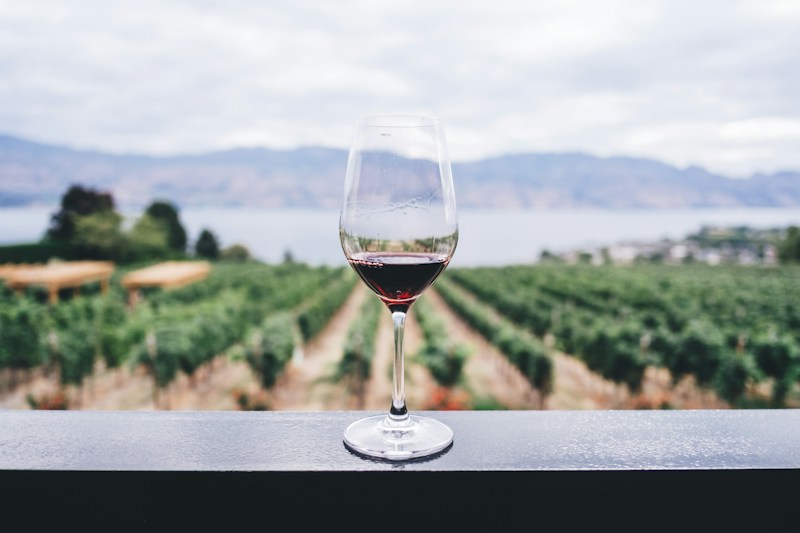
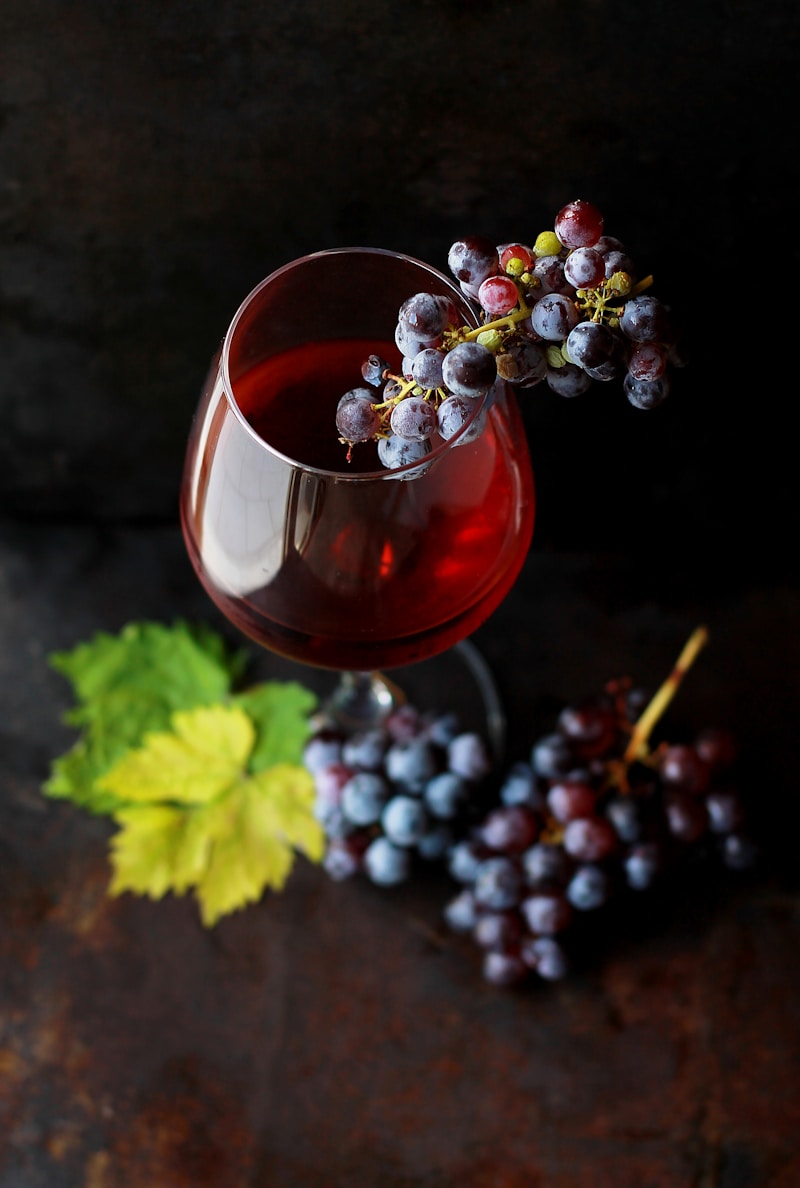
Dolcetto is like a late summer evening in Piedmont, when the hills turn violet and the air smells of ripe cherries. In the glass it shows a deep purple with a hint of ink, as if dusk itself had dipped its fingers into it. It offers aromas of black cherry, blackberry, plum and red berries, laced with delicate violet notes and that typical bitter almond, reminiscent of the last piece of amaretti left on the plate. On the palate it is gentle yet determined, with soft tannins, medium body and a pleasant, mid-level acidity that quietly whispers to you: “Just one more sip…”
What makes Dolcetto so special is its immediacy. It’s not a wine to lock away, but one to open – in both senses. For spontaneous evenings, for honest conversations, for plates full of pasta, antipasti and sheer zest for life. A wine that doesn’t need to impress to truly move you.
---
1. The Globetrotter in the Glass: Where Dolcetto Feels at Home
Dolcetto is no real globetrotter in the geographical sense – it is deeply rooted in Piedmont. But in the glass it takes you travelling through the hills of the Langhe, the quiet vineyards of Dogliani, the historic soils of Monferrato, the bustling cellars of Alba and the slightly rougher soul of Ovada. Each of these regions gives Dolcetto its own dialect, its own mood.
Langhe – The Elegant Storyteller
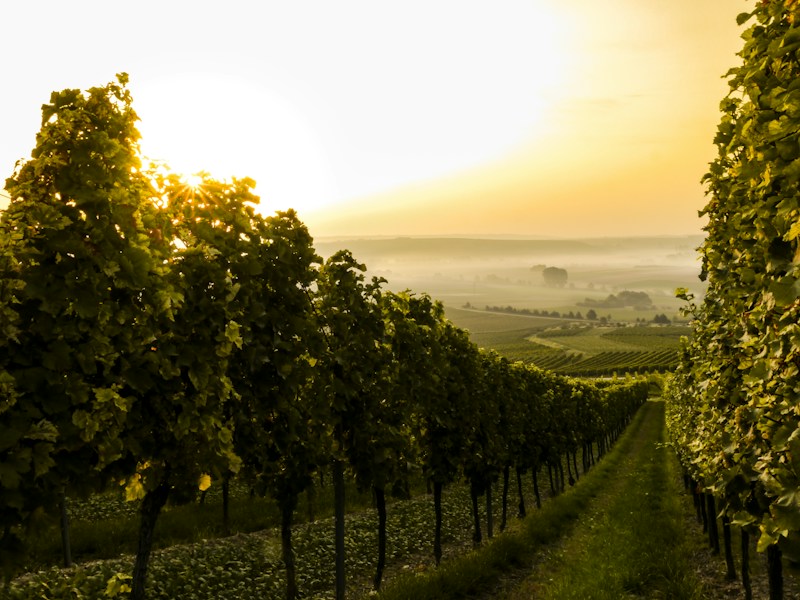
In the Langhe, this gentle landscape of rolling hills where the morning fog lies over the vines like a silk cloth, Dolcetto often shows its finer, more elegant side.
Here you’ll find:
- Intense aromas of black cherry, blackberry and ripe plum
- Floral notes of violet, often very clearly defined
- Well-integrated, medium acidity and soft tannins
Langhe Dolcetto often feels a little more structured, sometimes almost more “serious”, without losing its joyful drinkability. This is the Dolcetto that can stand its ground alongside more sophisticated dishes without ever raising its voice.
Dogliani – The Secret Stronghold
For many connoisseurs, Dogliani is the true homeland of Dolcetto – here the grape is cultivated with particular dedication. In Dogliani, Dolcetto is given more space, more depth, often more ambition as well.
Typical are:
- Deep purple to violet colour, almost inky
- Dense fruit of blackberry, black cherry and dark plums
- More pronounced structure, sometimes with firmer tannins
- An insistent bitter almond and liquorice note in the finish
Dolcetto from Dogliani can be astonishingly serious without losing its suitability for everyday drinking. It’s the wine that shows you Dolcetto is much more than “just a simple house wine”.
Monferrato – The Country Charmer
In Monferrato, a region of gentle hills and old villages, Dolcetto loves to show its most approachable, charming side.
Here you’ll often find:
- Slightly lighter, juicier wine styles
- Red berries, cherries, sometimes a hint of fresh plum
- Soft tannins, medium body and excellent drinkability
Dolcetto from Monferrato is like a warm village inn: you walk in, sit down, and everything instantly feels just right.
Alba – The City Dweller with a Country Soul
Alba, famous for truffles and Nebbiolo, also gives Dolcetto a stage. Between the barrels of Barolo and Barbaresco, Dolcetto here feels like the relaxed cousin in charge of everyday life.
Dolcetto from Alba shows:
- A harmonious mix of dark cherry, blackberry and red berries
- Medium body with well-balanced tannins
- Often a lightly spicy undertone reminiscent of liquorice and bitter almond
It’s the city dweller who, deep down, remains a farmer at heart – uncomplicated, honest and always ready to pour a second glass.
Ovada – The Stronger Voice
Ovada, in southern Piedmont, produces a somewhat more powerful Dolcetto, often with more structure and sometimes a slightly rustic charm.
Here you’ll find:
- Darker fruit aromas: blackberry, black cherry, ripe plum
- A present but not dominant tannin structure
- Spicy hints of liquorice, sometimes almost earthy undertones
Dolcetto from Ovada is the more serious, somewhat rugged brother – ideal when you’re looking to pair Dolcetto with hearty food and want just a little “more” from the wine.
---
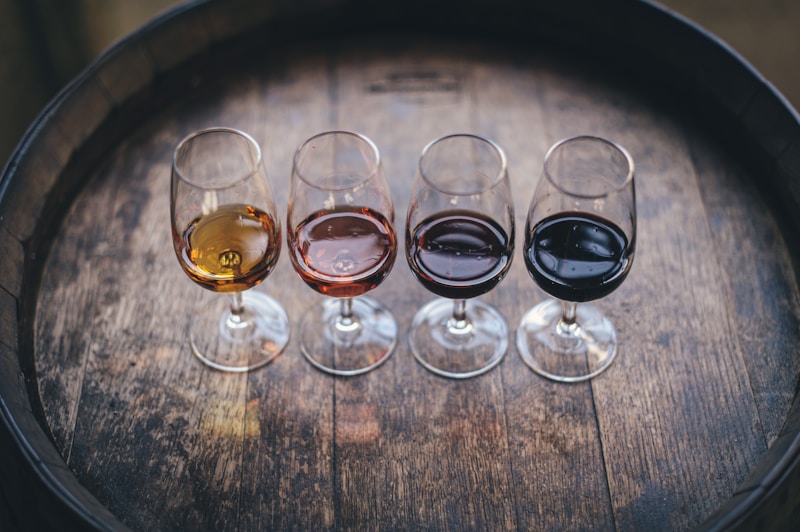
2. Kissed by Steel, Embraced by Wood: How Maturation Shapes Dolcetto
At heart, Dolcetto is a wine of immediacy. It is therefore often matured in stainless steel tanks to bring its juicy fruit, violet freshness and charming bitter almond note into the glass in the purest possible way. But wood is playing an increasing role too – used gently, rarely ostentatiously, always in the service of the fruit.
Stainless Steel – The Clear, Fresh Voice
Ageing in stainless steel is the most classic – and also the most honest – form for Dolcetto. Here the wine remains just as the vineyard created it:
- Pure fruit aromas of black cherry, blackberry and red berries
- Floral tones of violet, sometimes almost heady and perfumed
- A crisp, medium acidity that keeps the wine lively
- Soft yet clearly perceptible tannins
Dolcettos matured in stainless steel are ideal for early drinking. These are the wines you chill, open and put on the table with pasta, pizza or antipasti without overthinking it – and yet with great pleasure.
Oak – The Gentle Deepening
Some producers give Dolcetto a little time in large wooden casks (botte) or used barriques. The goal here is rarely vanilla-laden opulence, but rather structure, maturity and depth.
Oak ageing can bring out:
- Slightly darker, riper fruit notes (plum, black cherry)
- Subtle aromas of liquorice, delicate spice, light roasted notes
- Rounder, silkier tannins
- A touch more body and seriousness
A Dolcetto aged in wood often feels more grown-up, more serious – a wine that is no longer only at home in a trattoria, but can also accompany a fine multi-course menu. At the same time, it remains at its core what defines it: a wine with soul, fruit and heart.
Stainless Steel vs. Oak in the Glass – How Do You Taste the Difference?
- You love freshness, fruit and uncomplicated lightness?
Go for a stainless-steel Dolcetto from younger vintages (1–3 years old).
- You’re looking for depth, gentle spice and a bit more structure?
Choose a Dolcetto from Dogliani, Ovada or selected single vineyards that has seen some oak and possibly had 3–5 years to mature.
Both paths lead to Dolcetto – just with slightly different music playing in the background.
---
3. Pairing Recommendations: The Perfect Partner
Dolcetto is a master of everyday cuisine – and that’s very much meant as a compliment. Its soft tannins, medium body and charming dark fruit make it an incredibly versatile food companion. It feels most at home wherever cooking, laughter and sharing are part of the ritual.
| Gericht | Wein-Stil | Warum es funktioniert |
|--------------------------------------|------------------------------|----------------------------------------------------------------------------------------|
| Tajarin mit Salsiccia-Ragù | Dolcetto d’Alba (Stahltank) | Die saftige Kirsch- und Brombeerfrucht umspielt die würzige Salsiccia, Tannine bleiben sanft. |
| Pizza mit Prosciutto & Pilzen | Dolcetto aus Monferrato | Mittlerer Körper und rote Beeren balancieren Salz, Fett und Umami der Pilze perfekt. |
| Geschmorte Kalbshaxe (Ossobuco) | Dolcetto di Dogliani (Holz) | Mehr Struktur und dunkle Frucht harmonieren mit der Tiefe des Schmorgerichts und der Sauce. |
Of course, the culinary journey doesn’t end here: Dolcetto also loves grilled vegetables, lasagne, melanzane alla parmigiana, medium-aged cheeses and hearty antipasti with salumi and olives.
---
4. FAQ – 10 Questions for Dolcetto Lovers
❓ Is Dolcetto sweet, as the name might suggest?
No. The name “Dolcetto” probably derives from “dolce” (sweet) or “dolce uva” (sweet grape) and refers to the sweet, ripe berries in the vineyard. The wine itself is generally vinified dry, with dark fruit and a characteristic, slightly bitter almond note on the finish.
---
❓ What does Dolcetto typically taste like?
Dolcetto frequently shows aromas of black cherry, blackberry, plum and red berries, accompanied by fine violet tones, liquorice and the typical bitter almond. On the palate it is medium-bodied, with medium acidity, soft tannins and a juicy, slightly bitter finish that makes you crave the next sip.
---
❓ How does Dolcetto differ from Barbera and Nebbiolo?
- Dolcetto: medium body, medium acidity, soft tannins, dark fruit, bitter almond.
- Barbera: light to medium body, high acidity, little tannin, red to dark fruit, often juicy and lively.
- Nebbiolo: usually paler in colour, high acidity, firm tannins, aromas of roses, tar, cherries and spices, clearly more structured.
Dolcetto is usually the most accessible and immediate of the three – the everyday friend.
---
❓ At what temperature should I serve Dolcetto?
An ideal serving temperature is around 15–17 °C. Lighter, fresher Dolcettos from stainless steel can also be served slightly chilled (13–14 °C), especially in summer. If it’s too warm, the wine can quickly seem alcoholic and lose freshness; too cold, and the fruit shuts down.
---
❓ How long can Dolcetto be aged?
Many Dolcettos are made to be enjoyed young – within 1–3 years of the harvest. High-quality examples from regions like Dogliani, Ovada or selected sites in the Langhe can, however, age beautifully for 5–8 years, and in individual cases even longer. They then develop deeper fruit, more spice and harmoniously integrated bitter almond and liquorice notes.
---
❓ Does Dolcetto need air or decanting?
You can simply open and pour younger, fresh Dolcettos. A more powerful Dolcetto from Dogliani or an oak-aged wine does benefit from 30–60 minutes in a decanter. The fruit opens up, the tannins become rounder, and the bitter almond element feels more finely woven into the wine.
---
❓ Is Dolcetto a good “entry-level wine” for Italian reds?
Yes, absolutely. Dolcetto combines approachable fruit with moderate alcohol, soft tannins and medium acidity. It’s uncomplicated enough not to overwhelm beginners, yet has enough character to spark curiosity – about Piedmont, about Italy, about the diversity beyond the usual suspects.
---
❓ Which dishes pair particularly well with Dolcetto?
Dolcetto is a true all-rounder with:
- Pasta with tomato or meat sauces
- Pizza in many variations
- Grilled vegetables, mushroom dishes, aubergines
- Braised dishes such as Ossobuco or Brasato
- Antipasti, salumi, medium-aged cheeses
Important: very spicy, chilli-heavy dishes can accentuate the bitterness a little; it’s best to be cautious here.
---
❓ Is Dolcetto made outside Piedmont as well?
Yes, but only in relatively small quantities. Dolcetto is strongly associated with Piedmont, especially with Langhe, Dogliani, Monferrato, Alba and Ovada. Some producers in countries like the USA or Australia are experimenting with it, but the heartbeat of Dolcetto remains in Piedmont – where late summer evenings smell most intensely of cherries.
---
❓ What should I look for when buying a Dolcetto?
Pay attention to:
- Origin: names like Dogliani, Dolcetto d’Alba, Dolcetto di Ovada, Monferrato
- Vintage: for freshness, choose wines 1–3 years young; for more depth, look for older vintages from renowned communes
- Maturation: stainless steel for fruit & lightness, oak for structure & depth
- Producer: small, artisanal estates in Piedmont often nurture Dolcetto with particular love
And then: trust your instincts. Dolcetto is not a wine for overthinking; it is a wine for enjoyment. Open the bottle, fill the glass – and let the violet evening star rise in your living room.