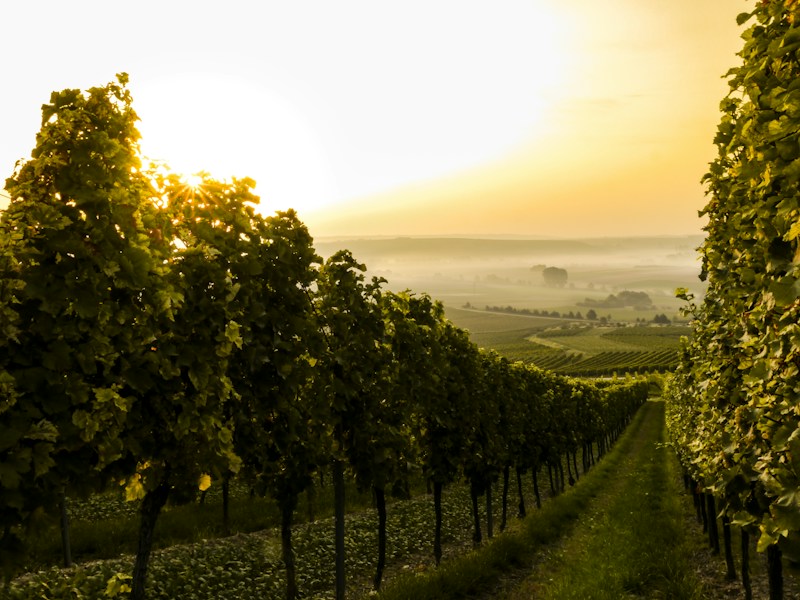
The Silken Breeze of Schiava: A Quiet Red Wine Dream from Südtirol
Schiava ist der leise, seidig-rote Erzähler Südtirols – leicht, duftig, voller Zwischentöne und ein begnadeter Essensbegleiter.
The Silken Breeze Schiava: A Quiet Red Wine Dream from Südtirol
---
2. INTRODUCTION
Dear wine lovers,
from time to time we encounter a wine that doesn’t want to be loud – not one that boasts barrique muscles and high alcohol levels, but one that feels like a quiet summer evening, like the last warm light gliding over the slopes before the stars appear. That is exactly what Schiava is: a red silk scarf in the evening breeze above the hills of Südtirol, delicate, translucent, and yet full of stories.
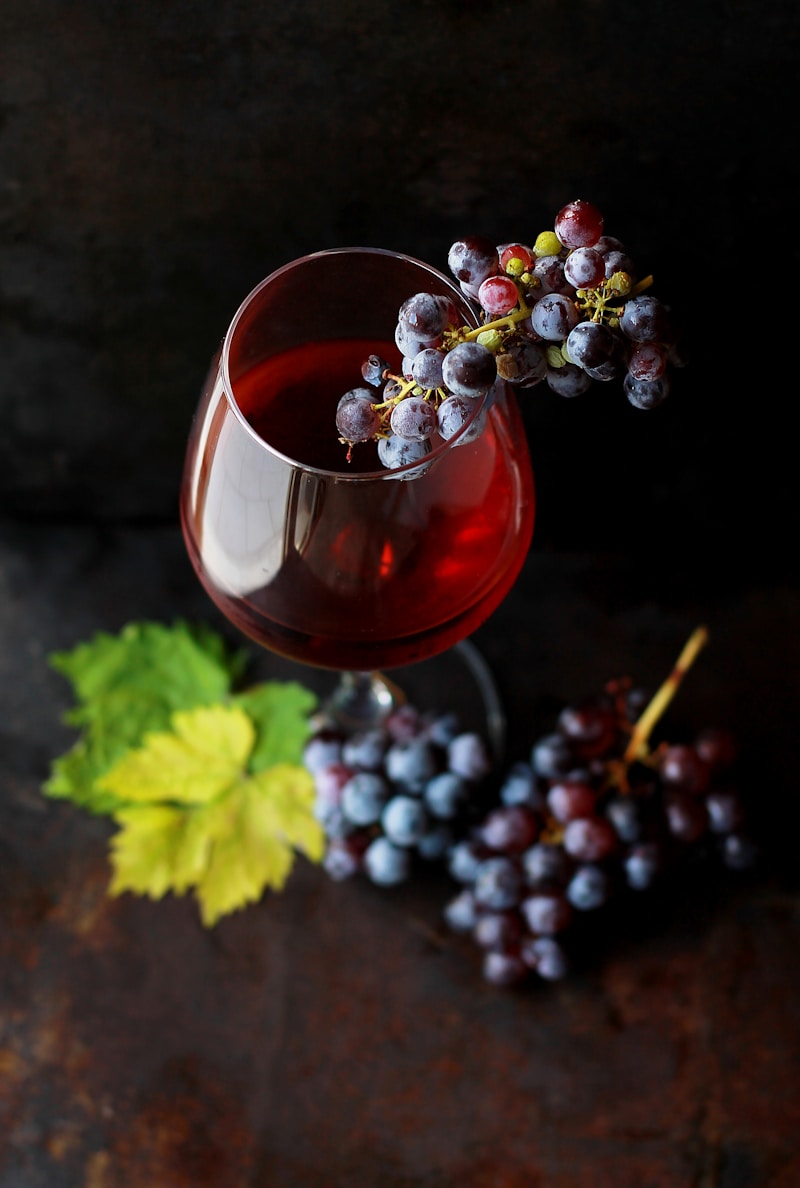
Schiava, also called Vernatsch in Südtirol, is a wine that reminds us that restraint can be a deep and powerful form of beauty. Its bright ruby color looks almost like a softly blurred watercolor stain in the sketchbook of a painter from Bozen. On the nose, red currants, ripe strawberries, delicate cherries and a hint of violets dance, as if an Alpine girl with flowers in her hair were running through the vineyard grass. On the palate it is cool, light-footed and playful, with medium but lively acidity and that typical bitter almond finish that makes you pause for a moment – and reach for another pour.
Schiava is not a wine that wants to impress. It wants to accompany. A conversation, an evening by the lake, a rustic “Brettljause” on the mountain pasture. It is the friend who always leaves too early – and whom you miss all the more because of it. If you are ready to surrender to this quiet, almost nostalgic red-wine experience, each bottle opens a small chapter of Südtirol, Trentino and the hills around the Kalterersee.
---
1. The Globetrotter in the Glass: Where Schiava Calls Home
Schiava is no world star in the Bordeaux sense. Its cosmos is smaller, but all the more intense. It is a regionally rooted globetrotter – one that lives in a relatively compact area, yet shows a surprising variety of faces there.
Südtirol – Alto Adige: The Homeland of Subtle Tones
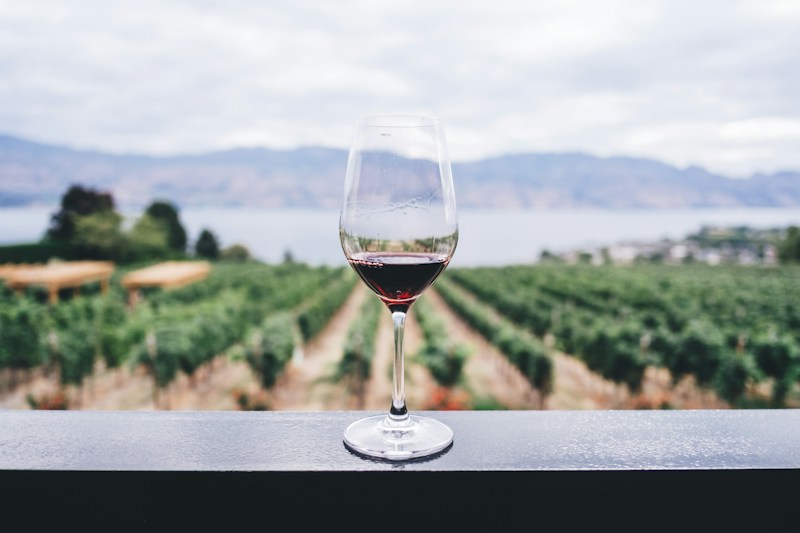
In Südtirol, between rugged Dolomite peaks and Mediterranean breezes, Schiava finds its true soul. The vineyards climb up steep slopes, crisscrossed by old dry-stone walls that store the sun by day and return it at night like a silent love letter to the vines.
Südtiroler Schiava is usually pale ruby, fragrant and featherlight – a red wine that is almost as transparent as a rosé, yet with more depth. On the nose: red currant, fresh strawberry, violet, plus a trace of dried herbs. On the palate it is cool, slender, with medium acidity and that fine hint of almond on the finish. Here it shows its most playful, almost dancing side.
Lago di Caldaro (Kalterersee): The Lake as a Mirror of Lightness
Around the Kalterersee – one of the warmest lakes in the Alps – Schiava reveals its happiest face. The "Kalterersee" designation of origin is symbolic of drinkability, conviviality and dolce vita in Alpine attire.
The wines here are often even lighter in body, very fruit-driven and accessible: strawberry, cherry and red currant dominate, complemented by a hint of almond and sometimes a very delicate floral veil. Perfectly chilled on a summer evening, on the terrace overlooking the shimmering lake, it accompanies antipasti, simple pasta – or simply the laughter of good friends.
Oltradige: Elegance from the Sunny Slopes
The Überetsch – the Oltradige – with villages like Eppan and Kaltern yields some of the finest, most elegant interpretations of Schiava. The combination of elevation, well-ventilated slopes and mineral-rich soils gives wines that always feel light, yet are structured like a finely tailored suit.
Here, Schiava often shows a bit more herbal spice: alongside the familiar red berries you’ll find savory herbs, a touch of pepper, sometimes even a whisper of smoke. The result is a wine that has depth without weight – an ideal table wine in the best sense, one that simply always fits.
Meraner Hügel: Playful Fruit with Mountain Views
The Meraner Hügel produce Schiava variants that often appear slightly more fragrant and even more floral. The proximity to the mountains, cooler nights and the interplay of sunshine and fresh winds shape the grapes.
On the nose, violets and red berries here can sometimes seem almost perfumed, without ever tipping into kitsch. The wines are lively, structured by a fresh-tasting acidity, and they feel like spring in red: light, hopeful, full of energy – an ideal partner for light dishes and a mountain “Jause” with speck and cheese.
Trentino: The Slightly More Serious Cousin
In Trentino, just to the south, Schiava – often in blends or under regional names – reveals yet another facet. Here the wines can appear minimally more powerful, sometimes with slightly darker fruit and a touch more spice.
The typical lightness remains, but it gains a slightly more serious undertone: a bit more cherry than strawberry, a hint more structure, sometimes a touch of tannin that you notice less in the airiest Südtirol interpretations. It’s as if the wine were taking half a step toward a “classic red wine” without losing its soul.
---
2. Between Steel and Wood: How Schiava Is Shaped
By nature, Schiava is a delicate wine – and precisely for that reason it reacts very sensitively to how it is raised. The cellar becomes a kind of mirror, where it is decided whether the wine keeps its light-footed dance or takes on a slightly more serious note.
Stainless Steel: Clarity, Freshness, Immediacy
Schiava aged in stainless steel is like an unadorned smile. The tank preserves freshness and fruit without adding its own aromas. Here, red currants, strawberries, crisp cherries and that floral hint of violet take center stage.
The texture is slender, the acidity medium yet vibrant, the body light – a wine that almost shouts (or rather whispers): “Drink me lightly chilled!” These versions are ideal for early enjoyment, often just a few months after harvest, and they embody the archetypal “Kalterersee moment”: uncomplicated, easy-drinking, charming.
In flavor, this means:
- More primary fruit (red berries, spring blossoms)
- Emphasis on lightness and freshness
- Bitter almond on the finish remains fine, rather subtle
- Perfect for social gatherings, terrace evenings and uncomplicated food
Wooden Cask: Depth, Spice, Gentle Maturity
In large wooden casks – often traditional, bigger barrels rather than new barriques – Schiava gains another dimension. The wood is not there to dominate, but to frame: like a discreet gold frame around a watercolor.
Contact with wood and a slightly longer maturation can rein in the typical fruit and give it a riper, calmer voice. Red berries turn slightly darker, more towards cherry; sometimes a hint of dried herbs, a touch of undergrowth or a suggestion of tobacco appears. The bitter almond note on the finish can become more pronounced and give the wine more definition.
In flavor, this means:
- Slightly more complex aromatics (spice, dried herbs, occasional subtly nutty tones)
- Softer, rounder palate while the body remains light
- Fine, longer-lasting finish with a characteristic almond bitterness
- Well suited to more serious meals, fine regional cuisine and more mindful, slower drinking
Both styles share one thing: they respect the character of the grape variety. Schiava will never be a powerful red wine – and that is precisely where its greatness lies. It remains the quiet storyteller, but depending on the élevage it whispers in bright, fruity tones or in spicier, slightly deeper nuances.
---
3. Pairing Recommendations: The Perfect Partner
Schiava is a gifted food companion. Its lightness, medium acidity and gentle tannins make it extremely versatile. It loves simple, honest cooking – and it’s surprising how well it can stand up to seasoned, Mediterranean dishes.
| Dish | Wine Style | Why It Works |
|--------|-----------|------------------------|
| Südtiroler speck platter with mountain cheese, “Schüttelbrot” & pickled vegetables | Classic Schiava from stainless steel | The salty smokiness of the speck, the spice of the cheese and the crisp acidity of the vegetables meet the wine’s red berry fruit and lively acidity. Schiava cleanses the palate without dominating, and the bitter almond on the finish harmonizes beautifully with the roasted and smoky notes. |
| Homemade tagliatelle with tomato–basil sauce & a little Parmesan | Fruit-driven, young Schiava (stainless steel or light wood) | The sweetness of ripe tomatoes and the freshness of basil call for a wine that balances fruit and acidity. Schiava brings red currants and cherry, its medium acidity supports the tomato sauce without overwhelming it. The light structure suits the delicate pasta perfectly, and the fine almond bitterness adds an intriguing counterpoint to the Parmesan. |
| Grilled chicken with Mediterranean herbs & oven-roasted vegetables | Slightly matured Schiava from wooden casks | The tender meat of the chicken, the roasted aromas and the herbal seasoning are beautifully echoed by a lightly matured Schiava. Its red berries and fine herbal notes mirror the roasted vegetables, while the gentle structure and a touch of spice from the wood aging add depth. Served slightly chilled, it stays fresh and lifts the flavors of the dish rather than covering them. |
---
4. FAQ – 10 Questions for Schiava Lovers
❓ Is Schiava the same as Vernatsch?
Yes, essentially. In Südtirol the grape variety is traditionally called Vernatsch, while the name Schiava is more common in the Italian-speaking context. Both terms usually refer to the same grape family, even though there are different clones (e.g. Schiava Grossa, Schiava Gentile, Schiava Grigia). On many labels you’ll now find both terms side by side.
---
❓ What does a typical Schiava taste like?
A classic Schiava is light, fresh and fragrant. It recalls red currants, strawberries, bright cherries and often delicate violets. On the palate it is cool, slender, with medium, lively acidity, little tannin and a fine, bitter-almond finish. It is usually drunk rather young, when its playful, fruity side is especially clear.
---
❓ Is Schiava a light or a powerful red wine?
Schiava is decidedly a light red wine. It has little tannin, moderate alcohol and a rather airy texture. This is what makes it so pleasantly drinkable, especially for people who avoid heavy, powerful reds. You can enjoy it over an entire evening without feeling weighed down.
---
❓ At what temperature should I serve Schiava?
Schiava likes to be slightly chilled. Ideally around 12–14 °C (54–57 °F). When too warm, it loses freshness and seems flat; when too cold, its delicate aromas and the bitter almond note on the finish are muted. In summer, put it in the fridge for 20–30 minutes before opening.
---
❓ Is Schiava suitable as an entry-level wine for red wine newcomers?
Absolutely. Its lightness, gentle structure and charming fruit make it a perfect introduction to the world of red wine. It is not tannic or overly complex, but friendly, accessible and honest. Those who usually drink white wine often find in Schiava the first red that truly moves them instead of overwhelming them.
---
❓ Can Schiava be aged, or should it be drunk young?
Most Schiava wines are made for early drinking – within 1–3 years after harvest. However, there are producers and sites, especially with wooden-cask aging or very old vines, whose wines can develop positively for several years. They then gain spice and complexity, while losing some of their youthful fruit. As a rule of thumb: enjoy it rather early unless you know the producer and are aware of the wine’s aging potential.
---
❓ What does Schiava pair best with at the table?
Schiava is an all-rounder for light to medium-weight dishes: Südtiroler speck, mixed cold cuts, cheeses of medium intensity, pasta with tomato sauce, grilled chicken, pizza Margherita or with prosciutto, light vegetable dishes, risotto, as well as simple bread-and-snack meals. Thanks to its freshness and delicacy, it rarely overpowers food and accompanies it very harmoniously.
---
❓ Is Schiava only for summer, or also suitable in winter?
Schiava is predestined for spring and summer because it is wonderful when chilled. But even in winter, with hearty home cooking, it can be a delightful alternative if you want something lighter than a powerful Barolo or Bordeaux. Picture a winter evening, a plate of crispy chicken or a mildly spiced sausage – and a glass of Schiava that refreshes the palate instead of weighing it down.
---
❓ Is Schiava a “simple” wine?
Yes and no. It is simple in the best sense: accessible, unpretentious, honest. But within this apparent simplicity lies a lot of character. A truly good Schiava captivates not with concentration but with finesse, balance and a touch of melancholy in that bitter-almond, slightly tart finish. Those who open themselves to quiet wines will find surprising depth in Schiava.
---
❓ How do I recognize a good Schiava when buying?
First, look at the origin: Südtirol (Alto Adige), especially Kalterersee, St. Magdalener, Oltradige or Meraner Hügel are good signposts. Serious producers and co-ops from the region are usually reliable sources. Many good Schiava wines fall into a moderate price range – you don’t have to spend a fortune. If possible, ask for advice in a specialist shop and explain what you’re looking for: very light and fruity (stainless steel), or a bit spicier and calmer (wooden cask, selected sites). And then: taste, compare, and find your very own silken breeze in the glass.
---
Schiava is not a wine for the big stage. It is the wine for nuances, for a quiet smile, for the rustling of leaves in the evening breeze. If you give it time and don’t burden it with expectations of power and opulence, it will offer you something that has become rare in wine today: the art of gentle, quiet enjoyment.