The Whispering Shadow of Mencía: A Quiet Flamenco from Galicia
Mencía ist kein lauter Wein, sondern ein leiser, vibrierender Flamenco im Schatten – voller kühler Frische, roter Frucht und galicischer Seele.
The Whispering Shadow of Mencía: A Quiet Flamenco from Galicia
Dear wine lover,
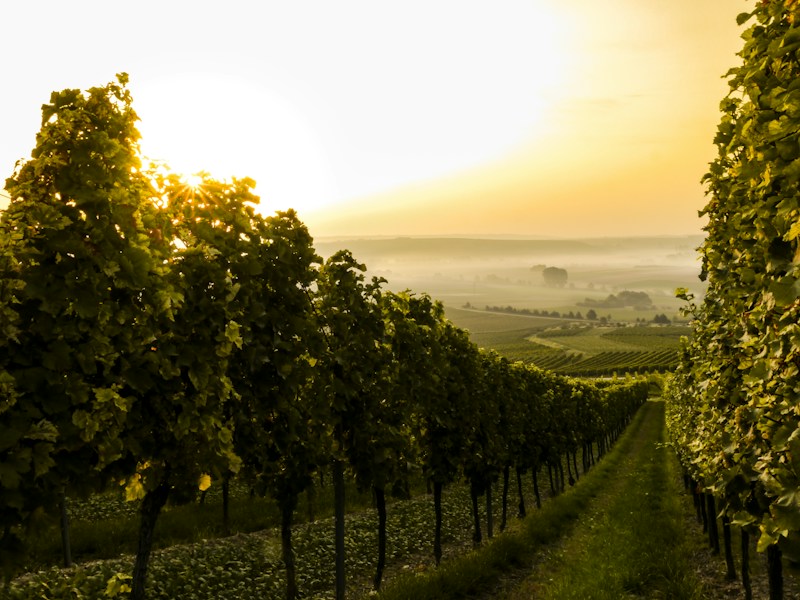
when you smell a glass of Mencía for the first time, it’s like opening a door – not just to a cellar, but to a landscape. Suddenly you find yourself in the cool morning mist of Galicia, the air scented with damp slate, wild herbs, and red fruits glowing in the first sunlight. Mencía is not a loud wine. It doesn’t shout, it doesn’t strike a pose. It whispers. And it’s precisely in this whisper that its greatest seductive power lies.
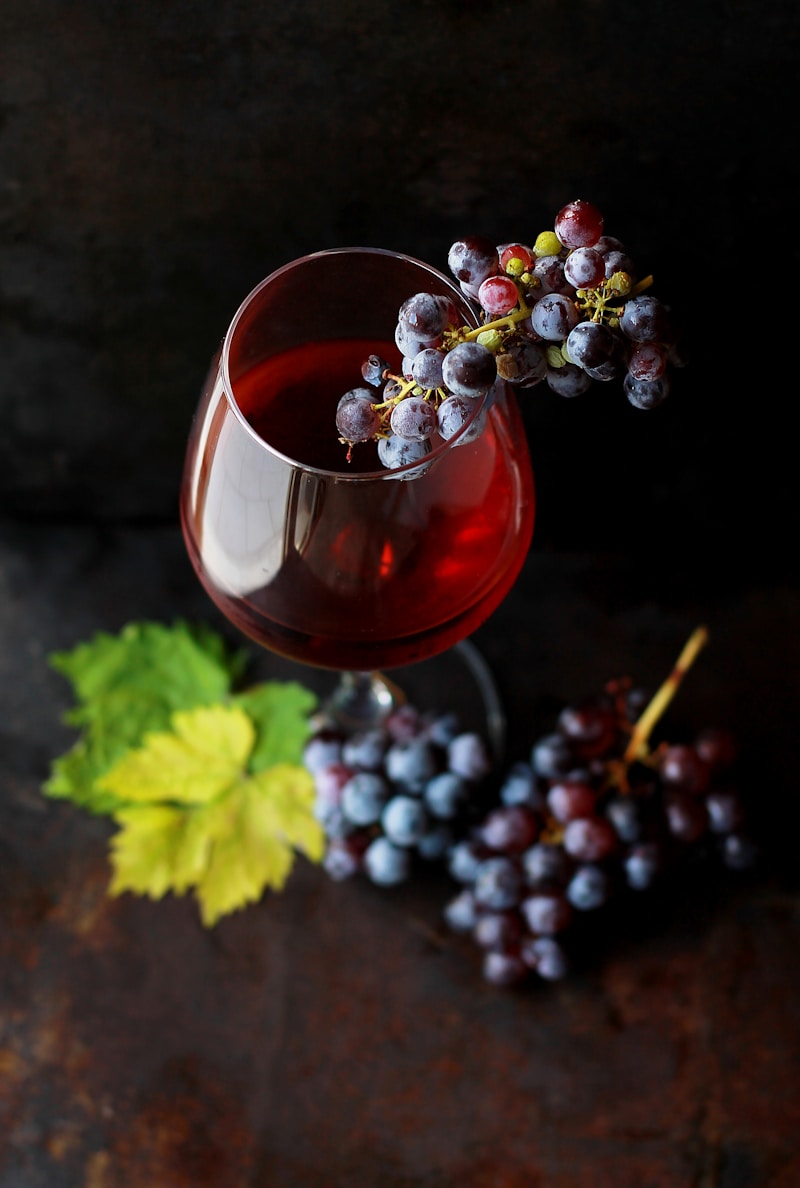
This grape variety is the cool breath of a Galician morning, captured in the deep ruby darkness of a glass. Its aromas rise like a song from a smoky taberna: red cherries, wild strawberries, raspberries, a hint of violets, and the wet stone of centuries‑old terraces. On the palate it dances slender and supple, with the freshness of a mountain stream and the subtle bitterness of pomegranate seeds that recall words left unsaid. Mencía is sensual, but never loud – a flamenco in the shadows, more fan than the click of heels, more hinted smile than grand entrance.
What makes Mencía so special is this contrast: ruby density in the glass, yet a surprisingly clear, bright tone on the palate. Medium‑bodied, with high, vibrant acidity, framed by notes that range from cherry trees to forest herbs to cool slate. It tastes of landscape, of wind, of steep slopes – of a Spain that doesn’t shimmer in the midday heat, but breathes in the morning fog.
---
1. The Globetrotter in the Glass: Where Mencía Makes Its Home
Although Mencía carries a Galician soul at heart, it shows a different face in every region – like a traveler who picks up the dialect of each country and yet never denies their origin.
Bierzo – The Mysterious Classic
Bierzo, in the northwest of Castile, is something like the secret capital of Mencía. Here, at higher altitudes with cool nights and sunny days, the variety shows itself in what may be its most complete form.
The wines from Bierzo are often:
- scented with cherry, strawberry, and raspberry
- streaked with a subtle slate note
- medium‑bodied, with a fine yet noticeable tannin structure
They often feel like the red thread between Burgundy and northern Spain: the elegance and finesse of Pinot Noir, but with an Iberian pulse – a little darker, a little earthier, with those typical hints of damp stone and forest herbs. Bierzo Mencía can be playful and fruity, but also serious, profound, and ageworthy.
Ribeira Sacra – Wine from the Steep Slopes
Ribeira Sacra is dramatically beautiful: steep terraces that hang over rivers like Sil and Miño, slate soils that sparkle in the sunlight, and vines clinging to slopes as if they never wanted to let go. Here a Mencía is born that captures the drama of the landscape in the glass.
Mencía from Ribeira Sacra is usually:
- particularly fresh, with high, lively acidity
- highly aromatic: red cherries, violets, a touch of pomegranate
- distinctly mineral, with a clearly “stony” backbone
These wines often feel like a cold stone in your hand on a warm day – cool, clear, structured. The body remains rather slender to medium, yet the intensity of the aromas and the tension on the palate make them captivating, almost mountain‑stream‑like wines.
Valdeorras – Quiet Depth
Valdeorras, east of Ribeira Sacra, is smaller, more reserved – at least by reputation. But what the region lacks in fame, it makes up for in character. The soils are a mix of slate, granite, and other rocks, and Mencía finds here a place where it shows itself a little darker, a little more composed.
Typical style from Valdeorras:
- Fruit: cherry and raspberry, often a touch riper
- Herbs: dried woodland herbs, sometimes a hint of bay leaf
- Structure: supple, with medium body and precise acidity
These wines are good storytellers – they don’t force themselves on you, but if you listen, you discover depth, seriousness, and an almost meditative calm.
Monterrei & Ribeiro – The Quiet Outsiders
Monterrei and Ribeiro often appear like marginal notes in the world of Mencía, yet it is precisely here that exciting individualists are born.
- Monterrei: a bit warmer; Mencía here is often more fruit‑driven, with juicy cherry and softer tannin structure. The wines are accessible, charming, and ideal for getting to know the grape.
- Ribeiro: actually better known for white wine, but Mencía plays a small, fine supporting role here. The style can be slightly lighter and more floral – red berries, violets, delicate herbs. Here you often feel the playful side of the variety.
And so Mencía travels through its homeland: from dramatic steep slopes to quiet valleys, from cool stone to warming afternoon sun – and in the glass, it takes you along for the ride.
---
2. Kissed by Steel, Embraced by Oak: How Mencía Is Aged
Mencía is sensitive. It’s a grape variety that reacts to its élevage like to the slightest touch. Whether it matures in cool steel or breathing wood decides whether it runs towards you with its hair flying free, or wrapped in a fine shawl.
Stainless Steel – The Naked Truth
Mencía aged in stainless steel shows the variety in its purest form. There is no influence of vanilla, roast notes, or licorice here – just fruit, acidity, stone, and herbs.
Typical features of stainless‑steel élevage:
- Aromas: clear red cherry, strawberry, raspberry, fresh pomegranate
- Floral notes: violets, sometimes a hint of rose petal
- Mouthfeel: light to medium‑bodied, very fresh, juicy, invigorating
These wines feel like a cool morning in the glass: awake, lively, almost crackling with acidity. Served slightly chilled, they are wonderful companions for sociable evenings, uncomplicated meals, but also for the moment when you simply want an honest, vibrant wine.
Oak – The Deep, Quiet Voice
In oak, Mencía reveals its thoughtful side. It’s not about drowning out the fruit, but about adding depth, structure, and subtle spicy overtones. With well‑judged oak – often used barrels or large casks – Mencía is not masked but framed.
Typical features of oak ageing:
- Aromas: darker‑toned cherry, riper berries, sometimes a hint of plum
- Spice & structure: slightly smoky, slaty notes come to the fore, herbs seem more dried, tannins become grippier
- Mouthfeel: denser, rounder, with longer, more serious length
Oak‑aged Mencía often tastes like a well‑kept secret: at the first sip it is friendly, at the second more intriguing, and after the third you no longer want to share the bottle. It becomes a wine that suits both a set table and a quiet evening with music and a book.
The Golden Middle Way
Many winemakers today opt for a combination: part aged in steel, part in oak, or a short maturation in used oak to preserve the freshness of the fruit and still capture some complexity. The result is wines that unite both the coolness and clarity of the variety and the depth and ageing potential of gentle oak.
---
3. Pairing Recommendations: The Perfect Partner
Mencía is a chameleon at the table: thanks to its medium body, high acidity, and its mix of fruit and herbal notes, it is wonderfully versatile – from rustic stew to fine dining.
| Dish | Wine Style | Why It Works |
|---------------------------------|-------------------------------|-----------------------------------------------------------------------------------|
| Galician pulpo with paprika oil | Fresh, stainless‑steel Mencía | The acidity cuts through the oil, red fruit plays with the sweetness of the octopus, slate notes echo the salty tang of the sea. |
| Braised lamb shank with herbs | Oak‑aged Mencía | The spicy, slightly earthy notes of the wine pick up rosemary & thyme; tannin and acidity balance the richness of the lamb. |
| Grilled vegetables & mushroom ragout | Hybrid (steel + used oak) | Red fruit brings freshness, herbal aromas harmonise with mushrooms and vegetables, the structure supports roasted flavours without overpowering them. |
---
4. FAQ – 10 Questions for Mencía Lovers
❓ 1. Is Mencía more of a light or a full‑bodied red wine?
Mencía usually sits in the medium‑bodied range. It often feels lighter because the acidity is high and the fruit is clear, but it has enough structure not to seem “thin”. Think of an elegant, dancing red wine – not a massive one.
---
❓ 2. Which grape varieties can Mencía be compared to?
Stylistically, Mencía sometimes recalls a cross between Pinot Noir and Cabernet Franc: the fine red fruit and elegance of Pinot, combined with the cool, herbal, sometimes slightly earthy notes of Cabernet Franc. And yet it remains unmistakably itself.
---
❓ 3. Should Mencía be chilled – and if so, how much?
Yes, a bit of chill suits Mencía beautifully.
- Fresh, stainless‑steel‑driven wines: 14–15 °C
- Oak‑influenced, more complex wines: 15–17 °C
Too warm and it quickly becomes broad; too cold and it closes up and turns angular.
---
❓ 4. Is Mencía a good entry wine for white‑wine drinkers?
Absolutely. Those coming from crisp whites with high acidity will find in Mencía a red bridge: plenty of freshness, clear fruit, no overpowering alcohol or tannin. Especially the stainless‑steel‑aged versions are excellent transitional wines.
---
❓ 5. How long can you age Mencía?
That depends heavily on the style:
- simple, fruity wines: 2–4 years
- more serious, oak‑influenced bottlings from top sites (especially Bierzo, Ribeira Sacra): 8–10 years, sometimes longer
Over time they develop more herbal spice, tertiary notes, and an even finer texture.
---
❓ 6. Does Mencía go with spicy food?
For very hot, chili‑heavy dishes, Mencía is less ideal, as the high acidity and possible tannins can intensify the heat. But with mildly spiced dishes, for example with paprika, pimentón, or aromatic herbs, it pairs beautifully.
---
❓ 7. Is Mencía always dry?
Yes, virtually all quality wines from Mencía are made dry. The juicy fruit can suggest a certain sweetness, but in reality the residual sugar is usually very low.
---
❓ 8. What should I look for when buying – region, producer, élevage?
- For freshness & easy drinking: Ribeira Sacra, young wines from Bierzo, stainless steel
- For depth & complexity: Bierzo (especially single vineyards), Valdeorras, oak or mixed élevage
Watch for vintages, indications such as “crianza”, “barrica” or “fermentado en barrica” for oak‑shaped styles, and look up dedicated producers – the Mencía regions are full of artisanal estates.
---
❓ 9. Is Mencía suitable for vegetarians & vegans in terms of food pairing?
Yes, excellently so. Mencía loves mushrooms, grilled vegetables, lentils, chickpeas, herbs & cheese. Its acidity and herbal notes make many vegetarian dishes shine. Vegans should only pay attention to possible fining agents and, if in doubt, check with the producer.
---
❓ 10. Why isn’t Mencía as well‑known as other Spanish varieties yet?
For a long time, Mencía lived in the shadow of Tempranillo & co. The regions are smaller, more remote, and only in recent decades have ambitious winemakers brought their old vines back into the spotlight. That makes Mencía a insider tip today: impressively high in quality, often still moderately priced – and full of character just waiting to be discovered.
---
Mencía is not a wine for quick impact; it is a wine for a second glance, a second sip, a second thought. It is the echo of a song you once heard in a Galician taberna, long before you knew its name. If you give it time, attention, and perhaps a cool evening, it will offer you something that only few wines can: the feeling of having been somewhere else for a moment. Amid slate terraces, forest herbs, and the fine bitterness of pomegranate seeds – there where flamenco dances in the shadows.