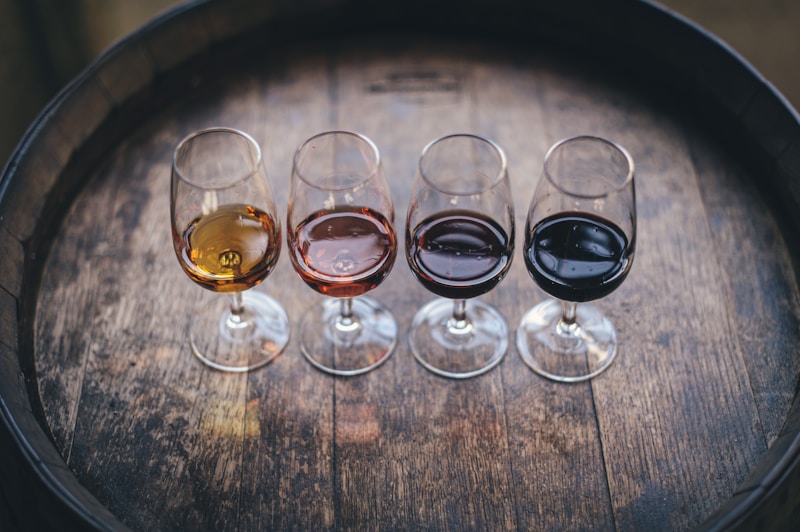
Dark Rebel Syrah / Shiraz: When Wine Tastes Like Fire, Distance, and Freedom
Syrah / Shiraz ist der dunkle Rebell im Glas – voller Würze, Rauch und Tiefe. Eine Reise von Rhône über Australien bis Chile, plus Ausbau- und Foodpairing-Tipps.
Dark Rebel Syrah / Shiraz: When Wine Tastes Like Fire, Distance, and Freedom
Dear wine lovers,
dear seekers of depth in the glass,
there are grape varieties you drink – and there are grape varieties you experience. Syrah, often called Shiraz in the New World, undoubtedly belongs to the second category. It is the dark rebel looking at you like a moonless night with a fire burning somewhere in the distance. A wine that sets not only your palate, but also your imagination ablaze.
Syrah / Shiraz is not a flattering, easy charmer. It’s the character in a novel who seems unattainable for a long time, only to hit you with a force that goes under your skin. Blackberry, black cherry, plum, violet, black pepper, smoke, sometimes even a hint of bacon and game – this powerful mosaic makes it one of the most expressive red wines in the world. It can whisper with the elegance of a French chanson – or thunder like an Australian storm over the Barossa Valley.
Come with me on a journey through the world of this fascinating rebel. We’ll wander the steep slopes of the Rhône, breathe in Australia’s warm air, feel the Californian sunshine and the cool Andean breeze of Chile – and discover how Syrah / Shiraz reveals its many faces in the glass.
---
1. The Globetrotter in the Glass: Where Syrah / Shiraz Feels at Home
Syrah / Shiraz is a true citizen of the world. And like every traveler, it adapts to its surroundings – without ever losing its soul.
Rhône – The Cradle of Elegance and Spice
On the northern Rhône, in appellations like Côte-Rôtie, Hermitage or Cornas, Syrah shows its aristocratic side. Here the vines grow on steep, terraced slopes, the soils are poor, the yields low – perfect conditions for concentration and character.
The style?
- Aromas of blackcurrant, blackberry, violet, olive tapenade
- Pronounced pepper notes, dried herbs, sometimes smoked bacon
- On the palate medium to full-bodied, with fresh, medium acidity and firm but fine-grained tannins
These wines are not in-your-face muscle men, but more like a dense, gripping novel – chapter by chapter more depth, more spice, more story unfolds. In the southern Rhône, Syrah often plays second fiddle to Grenache, but lends blends backbone, color, and spice.
Australia (Barossa & Co.) – The Powerful Shiraz of the Sun
Next, a leap to the other end of the world. In Australia, especially in the Barossa Valley, McLaren Vale or Hunter Valley, the reserved French Syrah turns into baroque Shiraz. The sun beats more intensely here, the grapes get riper, the aromas more opulent.
Typical traits of Australian Shiraz:
- Dense, ripe fruit: plum, black cherry, blackberry jam
- Often notes of chocolate, espresso, vanilla, coconut (depending on oak use)
- Spice: black pepper, liquorice, sometimes a hint of eucalyptus
- Powerful body, soft, almost creamy tannins, generally higher alcohol
Australian Shiraz is like a rock ballad: loud, emotional, immediate – and yet with enough feeling to linger on for a long time.
California – The Sunny Ease of the New World
In California (e.g. Sonoma, Paso Robles, Santa Barbara), Syrah / Shiraz stylistically often dances somewhere between Rhône and Barossa. California sunshine delivers ripe fruit, while cooler nights – especially in coastal regions – preserve freshness.
The style:
- Dark fruit (blackberry, plum) with blueberry notes
- Spice of black pepper, sometimes olive or smoked meat
- Medium to powerful structure, often very approachable and charming
Californian Syrah feels like a laid-back surfer with depth: relaxed and sunny on the surface, but with a surprising seriousness in its detail.
Chile – Andean Winds and Cool Tension
In recent years, Chile has become an exciting home for Syrah, especially in regions like Elqui, Limarí, Casablanca or Colchagua. The interplay of Pacific breezes and Andean air creates wines that combine freshness and ripeness.
Chilean Syrah often shows:
- Dark berry fruit, black cherry, sometimes a mineral, almost salty edge
- Pepper, herbs, smoke – but often cooler and more precise than in warmer regions
- Medium body, good acidity, firm tannins, a clear, linear profile
These wines are like a mountain path at daybreak: clear, cool, with an inner tension that keeps you moving forward.
---
2. Between Steel and Oak: How Maturation Shapes Character
Syrah / Shiraz is a chameleon, heavily influenced by how it is matured. Two worlds face each other: stainless steel tank and oak barrel. Both are valid – they simply tell different chapters of the same story.
Maturation in Stainless Steel – Pure, Unvarnished Fruit
When Syrah is matured mainly in stainless steel, it stays close to the grape, the freshness and the immediate fruit. Steel is neutral; it doesn’t add aromas but preserves what comes from the vineyard.
What that means:
- Focus on blackberry, black cherry, plum, violet
- The peppery spice stands clearly in the foreground
- The texture feels juicier, straighter, less creamy
- The tannins can appear a bit edgier, more youthful
These wines are often approachable earlier, feel more vibrant, almost dancing – the rebel in a leather jacket, but without a heavy overcoat.
Maturation in Oak – The Dramatic Stage Production
In oak barrels, especially barriques (small oak barrels), Syrah shows its dramatic, theatrical side. Oak is not a neutral stage: it brings its own aromas and changes the structure and evolution of the wine.
Typical oak influences:
- Additional notes of vanilla, cedar, toast, cocoa or coffee
- Amplification of the smoky, bacony components Syrah naturally carries
- Rounder, better integrated tannins through micro-oxidation
- More volume and creamier texture on the palate
In French oak, the wines often appear more elegant, finer, with subtle vanilla and cedar spice. American oak tends to bring coconut, dill and sweeter vanilla. Combined with the dark fruit, the result is a wine that can recall smoked bacon, grill charcoal and dark chocolate – a sensual piece of theatre in the glass.
The Magic Is in the Mix
Many of the most exciting Syrah / Shiraz wines are hybrids: part aged in stainless steel, part in oak, sometimes also in large old casks or concrete eggs. This way, freshness and fruit are preserved while oak contributes structure, depth, and ageing potential.
Syrah is naturally full-bodied, with medium acidity and firm tannins. In steel it shows you its muscles; in oak it wears a perfectly tailored suit. The winemaker’s art lies in deciding which side to highlight – and how loud the wine should speak.
---
3. Pairing Recommendations: The Perfect Partner
Syrah / Shiraz is a wine for people who don’t just eat, but truly savour. Its dark fruit, spice, and smoke almost cry out for bold flavours on the plate.
| Dish | Wine Style | Why It Works |
|----------------------------------|------------------------------------|-----------------------|
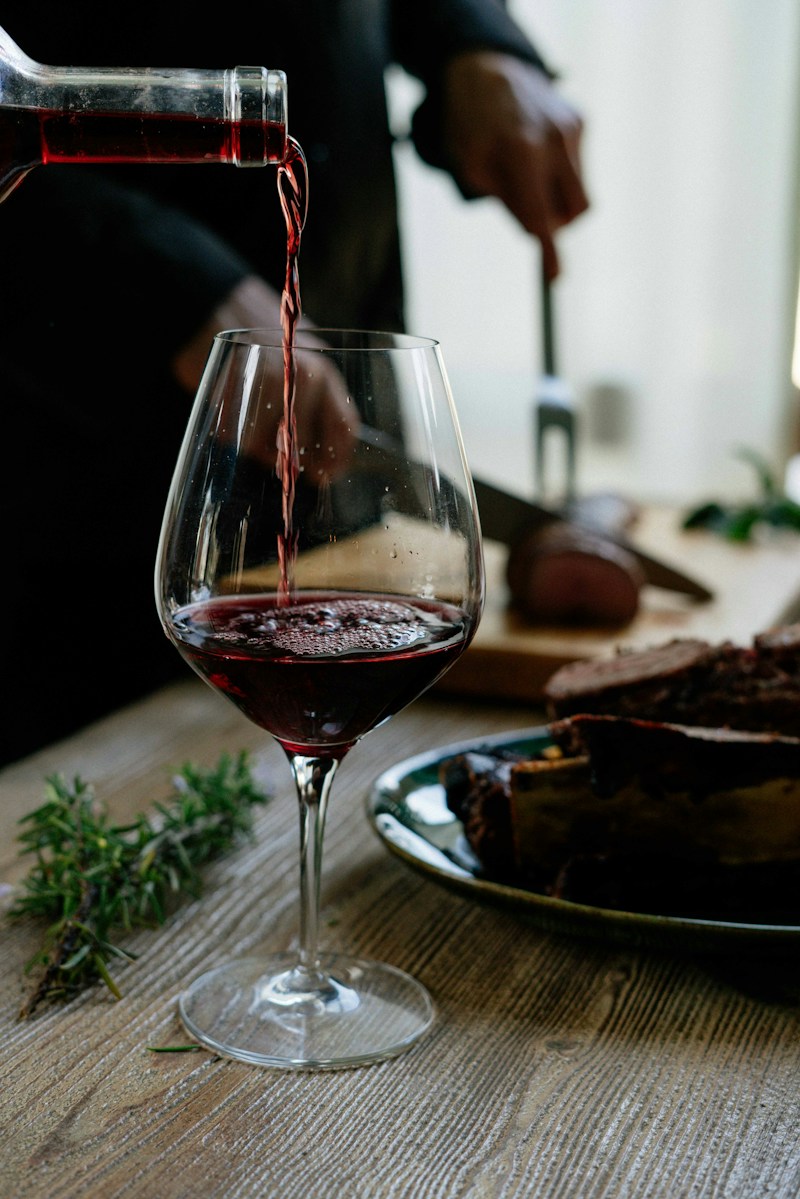
| Braised leg of lamb with Provençal herbs | Rhône Syrah with moderate oak influence | The herbs (thyme, rosemary) mirror the spicy notes of Syrah, the braised meat loves the tannins, and the medium acidity cuts through the fat – a harmonious, Mediterranean duet. |
| Smoked BBQ beef brisket with rub | Powerful Australian Shiraz from Barossa | The smoky, spicy rub aromas link up with the bacon, smoke and pepper notes of Shiraz. Its lavish fruit and full body easily stand up to the intensity of the BBQ. |
| Grilled vegetables & mushroom ragout with polenta | Fruit-driven Syrah matured in stainless steel | Earthy mushrooms and the roasted vegetables echo the dark, peppery side of Syrah. Thanks to stainless steel ageing, the wine feels fresher, doesn’t overwhelm the delicate vegetables, and lends the dish depth without heaviness. |
---
4. FAQ – 10 Questions for Syrah / Shiraz Lovers
❓ 1. Are Syrah and Shiraz the same?
Yes. They are the same grape variety. In Europe, especially in France, it’s usually called Syrah; in Australia and many parts of the New World, the name Shiraz has established itself. Often the name hints at the style: “Syrah” tends to be more elegant and spicy, “Shiraz” more opulent and fruit-driven – but this is not a rigid rule.
❓ 2. What does a typical Syrah / Shiraz taste like?
It is full-bodied, with medium acidity and noticeable tannins. Aromas range from blackberry, black cherry and plum to violet and black pepper, plus smoke, bacon and wild herbs. Depending on maturation, chocolate, coffee, vanilla or liquorice can come into play. Overall, it feels intense, concentrated and often very long on the finish.
❓ 3. At what temperature should I serve Syrah / Shiraz?
Ideally at about 16–18 °C (61–64 °F). Too warm, and the alcohol dominates and the wine feels heavy; too cold, and fruit and spice shut down while the tannins appear harsher. A powerful Shiraz from Australia can easily start at 16 °C, as it will quickly warm up in the glass.
❓ 4. How long can you age Syrah / Shiraz?
That depends on origin and quality. Simple, fruit-driven entry-level wines are best enjoyed within 3–5 years. Top Rhône Syrah (e.g. Hermitage, Côte-Rôtie) or great Shiraz from Barossa can age beautifully for 10–20 years, sometimes even longer. Over time they develop notes of leather, dried fruit, forest floor and truffle.
❓ 5. Is Syrah / Shiraz a wine for beginners or only for connoisseurs?
Both. Fruity, softer Shiraz from the New World are often very accessible – they charm with dark fruit and gentle tannins. Stricter, more structured Syrah from cooler regions appeal more to advanced palates that seek complexity and spice. You can start with a soft Shiraz and slowly work your way up to the spicy classics of the Rhône.
❓ 6. Where do the typical pepper and bacon notes come from?
The pepper note is varietal and comes from specific aromatic compounds (including rotundone) in the grape skins, which can be particularly pronounced in cooler growing regions. The bacon and smoke notes develop from the combination of grape variety, fermentation and maturation, often intensified by ageing in oak barrels and some bottle age.
❓ 7. Does Syrah / Shiraz only work with meat dishes?
No. While it is a dream partner for lamb, beef, game and BBQ, vegetarian dishes can also pair beautifully: sautéed mushrooms, roasted eggplant, ratatouille, lentil stews, or boldly seasoned vegetable dishes with Provençal herbs or oriental spices. What matters is that the dish has enough aromatic power to keep up with the intensity of the wine.
❓ 8. How can I tell in a shop whether a Syrah / Shiraz is more elegant or more powerful?
A few clues:
- Origin: Northern Rhône, cool coastal regions (Chile, California) → more elegant, spicy.
- Warm areas like Barossa, McLaren Vale, inland California → more opulent, higher in alcohol.
- Alcohol level: 13–13.5% often suggests more finesse, 14.5% and up often points to richness and power.
- Style hints on the label: terms like “cool climate”, “old world style”, “Northern Rhône style” suggest elegance; “rich”, “opulent”, “barrel aged” usually signal power.
❓ 9. Should I decant Syrah / Shiraz?
In many cases: yes. Young, powerful Syrah / Shiraz with firm tannins benefits enormously from 30–90 minutes in a decanter. Air contact softens the wine and makes the aromas more complex. Older bottles (10+ years) should be handled gently and decanted only briefly, mainly to separate the sediment without damaging the fragile aromatics.
❓ 10. What sets Syrah / Shiraz apart from other powerful reds like Cabernet Sauvignon or Malbec?
Syrah / Shiraz is the spice artist of the trio. While Cabernet often smells of cassis, cedar and graphite, and Malbec shines with plum and violet, Syrah adds the peppery, smoky, bacony dimension. It usually has slightly softer acidity than Cabernet, but is spicier than Malbec. At its best, it unites power, aromatic wildness and a nearly poetic elegance – a wine that doesn’t just satisfy, but tells stories: of wind and stone, of smoke and fire, of nights when you have one glass too many and never regret it.
---
Syrah / Shiraz is not a quiet companion – it wants to be heard, smelled, tasted. Next time you pour yourself a glass, take a moment. Look into that dark color, breathe in deeply, and let the rebel speak. Perhaps it will tell you about the Rhône. Perhaps about Australia. Or simply about yourself, in a rare quiet moment that tastes of blackberry, pepper, and longing.