The Volcanic Dancer Nerello Mascalese: Ruby-Hued Elegance on Black Earth
Nerello Mascalese – ruby-bright, taut and volcanic. Ein südlicher „Pinot“ voller Kräuter, Rauch und salziger Eleganz vom Ätna.
The Volcanic Dancer Nerello Mascalese: Ruby-Hued Elegance on Black Earth
---
Introduction
Dear wine lovers,
some grape varieties tell stories – others sing them. Nerello Mascalese is one of those voices that doesn’t quietly mumble in the background, but instead floats like a Sicilian folk song over the slopes of Etna. Every sip is an echo of lava, wind and sea, a ruby-red flicker in the glass that irresistibly draws you closer to Sicily’s glowing core of fire.
This variety is no loud muscleman, no jammy blockbuster. Nerello Mascalese is Etna’s fiery handwriting on your tongue – sinewy, slender, charged with tension. It unites the cool precision of a high-altitude mountain site with the glowing soul of an active volcano. On the nose, sour cherry, pomegranate, strawberry and blood orange dance with dried herbs, violets and a hint of smoky volcanic rock. It’s as if you were wandering at night through ancient terraced vineyards while the crater shimmers in the distance.
If you love wines with character, wines that don’t pander but want to be discovered, then Nerello Mascalese is your silent ally. It is the Pinot Noir of the South, the Nebbiolo of the volcano – but above all: unmistakably itself.
---
1. The Globetrotter in the Glass: Where Nerello Mascalese Calls Home
Nerello Mascalese is no global jet-setter like Cabernet or Merlot. Its realm is limited – and that is precisely what makes it so fascinating. It concentrates all its expressive power on a few regions where it doesn’t just grow, but puts down roots in the very soul of the landscape.
Etna Nord – The Cool, Serious Voice of the Mountain
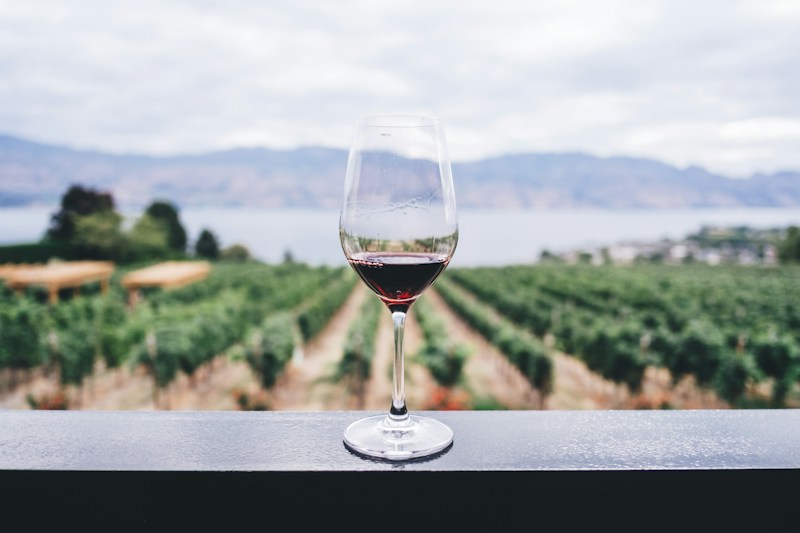
The northern side of Etna is something like the grand stage of Nerello Mascalese. Here, often at elevations of 700 to 1000 metres and more, old vines root in terraced vineyards of black, porous volcanic soil. Nights are cool, days sunny – a climate that allows the grapes to ripen slowly and imbues the wine with tremendous freshness.
Wines from Etna Nord are often the most serious, most precise interpretations of this variety:
bright, transparent ruby colour, intense notes of sour cherry, pomegranate and wild strawberries, followed by blood orange, dried herbs and that unmistakable aroma of cold volcanic ash and wet basalt. On the palate they are medium-bodied, yet with taut, high acidity, fine, dry tannins and an almost salty minerality on the finish. This is Nerello Mascalese as mountain poetry – cool, clear, profound.
Etna Est – Where the Ocean Whispers
On Etna’s eastern slopes, Nerello Mascalese feels the proximity of the Ionian Sea. A different wind blows here – saltier, more humid – the light is softer, the influence of the ocean more distinct. Temperatures are a touch milder than in the north, and the wines reflect this.
Etna Est often yields slightly more accessible, aromatically open wines. The red fruit seems juicier – strawberry, ripe cherry, sometimes almost reminiscent of raspberry – and the blood orange note comes more to the fore. Acidity remains high, but feels more wrapped, the tannins even silkier. The volcanic smokiness is present, but more as a gentle after-echo than a drumbeat. This is Nerello Mascalese cradled in maritime harmony – the gaze wanders from the volcano out across the sea.
Etna Süd – Sun-Kissed Shades
The southern side of Etna is warmer, flooded with sunshine, less strict in its coolness. Here, Nerello Mascalese reveals a somewhat riper, almost sensual facet. The wines tend to be a little more powerful without becoming heavy – the body stays medium, but the mouthfeel becomes rounder, more supple.
Aromatically, riper cherries, darker berries and sweeter spice notes emerge. The blood orange here can seem almost candied, the dried herbs evoke rosemary and thyme in the summer sun. The volcanic signature remains tangible: a fine smoky aroma reminiscent of cooled lava, of heated stone after a summer’s day. These wines are less ascetic, instead warm-hearted and embracing – Nerello Mascalese in the play of light on the southern slopes.
Terre Siciliane IGT – The Open Stage
Under the broad mantle of the “Terre Siciliane IGT” designation, many interpretations of Nerello Mascalese are crafted beyond the strict Etna regulations. Here you’ll find blends, playful maturation experiments, but also varietal wines from other, often lower-lying sites in Sicily.
The style ranges from light and fruity – with juicy strawberry, pomegranate and a hint of herbal infusion – to more powerful versions with more pronounced use of oak. The volcanic smokiness is not always as striking here as on Etna itself, yet high acidity and elegant, medium-weight structure remain its calling cards. “Terre Siciliane IGT” is the laboratory where winemakers experiment with Nerello Mascalese – sometimes playful, sometimes avant-garde, always curious.
---
2. Between Steel and Oak: How Maturation Shapes the Soul
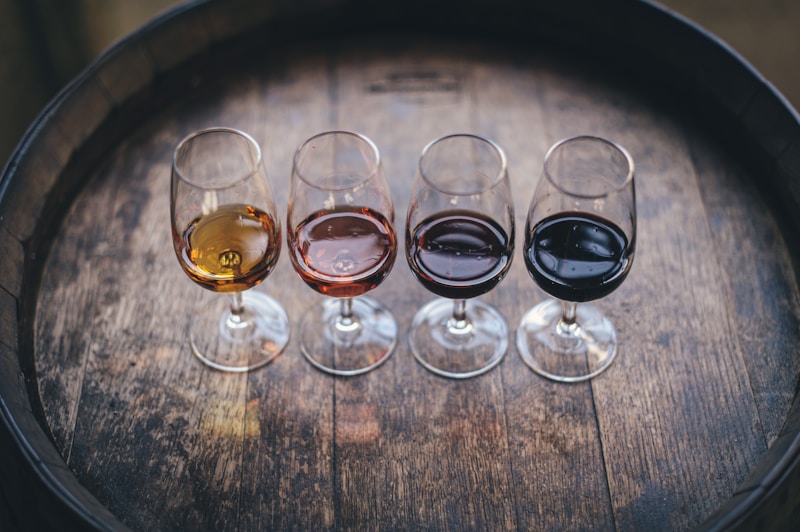
Nerello Mascalese is a grape variety with a fine, transparent nature. As with Pinot Noir or Nebbiolo, cellar ageing can either let its personality shine with clarity – or drown it out. Two worlds face each other here: stainless steel and oak.
The Purist: Ageing in Stainless Steel
In stainless steel, the wine remains untouched by oak aromas. Here, the variety speaks directly and unadulterated – just as it comes from the volcano. A Nerello Mascalese aged in steel is usually lighter in colour, more fragrant and tauter. Aromas of sour cherry, pomegranate, strawberry and blood orange take the spotlight, accompanied by dried herbs and the smoky, stony note of volcanic earth.
On the palate, these wines feel light-footed, almost dancing. The high acidity appears fresh and precise, the tannins are fine yet palpable, like a delicate, sinewy grip. This is Nerello Mascalese for purists, for those who want to feel Etna’s breath unfiltered.
The Storyteller: Ageing in Oak
Oak – whether large, old casks or small barriques – adds another dimension to the picture. In large, seasoned oak, the wine can breathe without being significantly marked by oak flavour. The tannins round out, the texture grows more supple, the aromas interlace into greater complexity. Volcanic smokiness merges with dried herbs, sometimes with a gentle touch of undergrowth, tobacco or dried flowers.
In smaller, new or partly new barriques, additional aromas such as vanilla, cedar, sweet spices and a subtle roasted note can appear. Yet a sensitive winemaker knows: too much oak suffocates the fragile elegance of Nerello Mascalese. The finest examples use oak like a frame around a painting – present but never dominant.
In the glass, oak-aged Nerelli often appear somewhat fuller, creamier, with gently integrated acidity and more polished tannins. They are excellent candidates for longer ageing, as over the years they develop additional depth: dried violets, leather, tobacco, sometimes an almost truffly, earthy note – without ever denying their volcanic origin.
---
3. Pairing Recommendations: The Perfect Partner
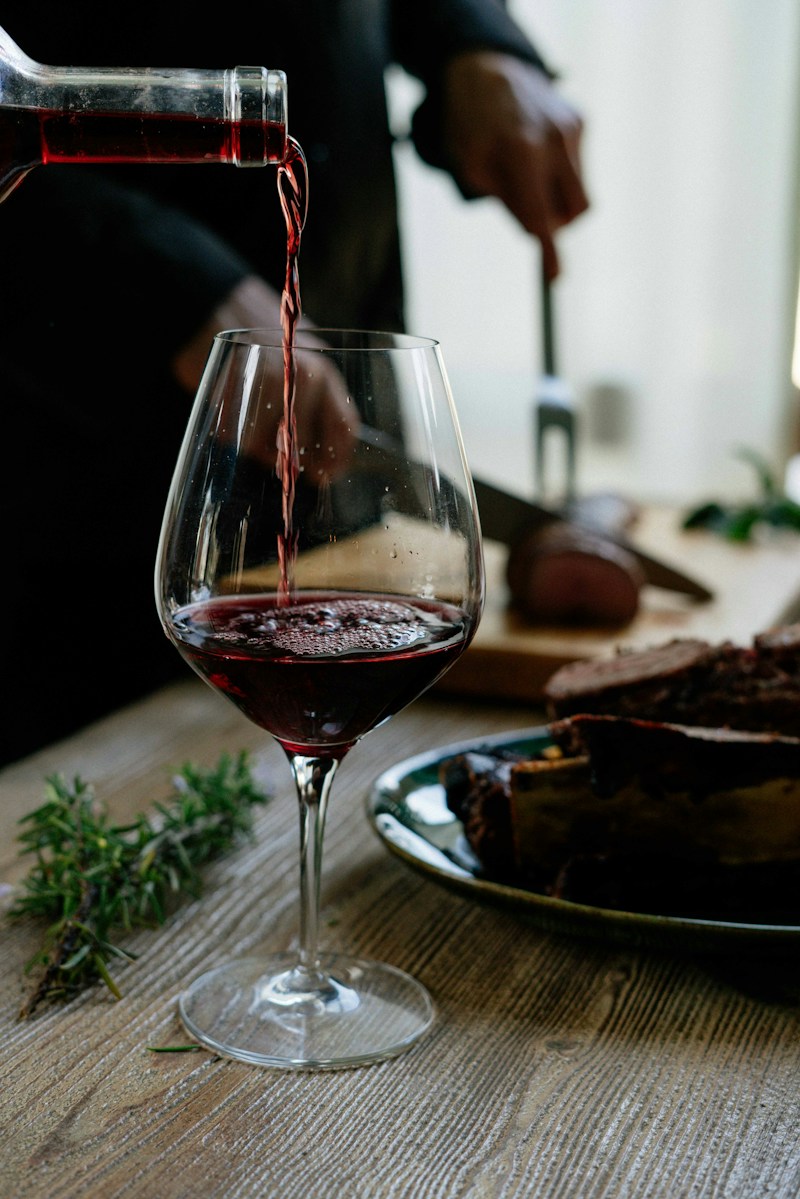
Nerello Mascalese is a master of culinary dialogue. Its medium body, high acidity and fine tannins make it an adaptable yet characterful companion at the table – especially for Mediterranean cuisine and everything that tastes of herbs, fire and earth.
| Gericht | Wein-Stil | Warum es funktioniert |
|---------------------------------------|----------------------------------|----------------------------------------------------------------------------------------|
| Pasta alla Norma (Aubergine, Tomate, Ricotta Salata) | Etna Nord, eher stahlausgebaut | Die hohe Säure schneidet durch Tomate und Käse, die Kräuter- und Rauchnoten umspielen die gegrillte Aubergine und betonen die herzhafte Tiefe des Gerichts. |
| Gegrilltes Lammkotelett mit Rosmarin & Thymian | Etna Süd, teilweise im Holz gereift | Der etwas vollere Körper und die feinen Tannine greifen das Aroma des Lamms auf, während Blutorange und Kräuterfrische das aromatische Kräuterbett perfekt ergänzen. |
| Thunfisch-Steak „alla griglia“ mit Fenchel-Orangen-Salat | Terre Siciliane IGT, fruchtbetonter Stil | Die rote Frucht und die Blutorangennote harmonieren mit dem Zitrus-Fenchel-Salat, die Säure balanciert das fette Thunfischfleisch und bringt Frische in jeden Bissen. |
---
4. FAQ – 10 Questions for Nerello Mascalese Lovers
❓ 1. What does Nerello Mascalese typically taste like?
Nerello Mascalese usually appears as transparent ruby red in the glass and tastes of sour cherry, pomegranate, fresh strawberry and blood orange. Added to this are notes of dried herbs, violets and a very characteristic smoky-mineral component that recalls volcanic rock, cold ash and wet stone. On the palate it is medium-bodied, with high, lively acidity and fine, sinewy tannins – more elegant than powerful.
---
❓ 2. Which grape varieties can it be compared to?
Nerello Mascalese most closely recalls a blend of Pinot Noir and Nebbiolo – not because it’s a copy, but because it shares their transparency and structure: light colour, high acidity, fine-grained tannins, a certain sternness in youth and a strong bond to its terroir. But its volcanic smokiness and Sicilian sunshine make it unmistakable.
---
❓ 3. Is Nerello Mascalese always bottled as a varietal wine?
No. While there are many varietal wines, especially in the Etna area, Nerello Mascalese has traditionally often been blended with Nerello Cappuccio. Cappuccio contributes a bit more colour, fruitiness and softness. Under the “Terre Siciliane IGT” designation, you’ll also increasingly find creative blends in which Nerello Mascalese is combined with international varieties.
---
❓ 4. Is Nerello Mascalese light or full-bodied?
It sits in the medium range – but with lightness in its step. It is not a heavy, high-alcohol blockbuster; it comes across as slender, taut and focused. In good examples, the alcohol is beautifully integrated, and the structure relies more on acidity and tannin than on sheer volume. Think of it as a sinewy dancer, not a bodybuilder.
---
❓ 5. How well can Nerello Mascalese age?
Good Etna wines from Nerello Mascalese have remarkable ageing potential. Eight to fifteen years is nothing unusual for high-quality, structure-driven examples; top wines can bring pleasure for even longer. Over time, they develop complex tertiary aromas: dried flowers, tobacco, leather, sometimes a delicate tar note and fine earthy nuances – without losing their volcanic signature.
---
❓ 6. At what temperature should it be served?
Ideally at 15–17 °C. Too warm, and the wine appears more alcoholic and loses its dancing freshness. Lighter, steel-aged versions can even be served slightly chilled (13–14 °C), especially in summer or with lighter dishes. The key is this: treat it more like a fine Pinot Noir, not like a brawny southern Italian.
---
❓ 7. Does Nerello Mascalese need air (decanting)?
Yes, many Nerello Mascalese – especially from younger vintages or with some oak and tannic structure – benefit greatly from air. An hour in a decanter can transform an initially closed, angular wine into an open, nuanced dance partner. Handle very old bottles carefully: decant briefly and gently, or simply let them breathe slowly in the glass.
---
❓ 8. Does Nerello Mascalese pair well with vegetarian or vegan dishes?
Absolutely. Its high acidity, red fruit and herbal notes make it a brilliant companion for grilled vegetables, mushroom dishes, Mediterranean vegetable bakes, pasta with tomato or mushroom sauces and heartily spiced lentil dishes. The smoky volcanic note can beautifully underscore grilled aromas – think grilled aubergine, fennel, peppers or courgettes.
---
❓ 9. Is Nerello Mascalese an “entry-level wine” or more for connoisseurs?
Both, depending on style. Fruit-driven, steel-aged wines from simpler sites can be very approachable, with clear fruit and invigorating acidity – ideal for discovering the variety. More ambitious Etna wines with ample structure, minerality and ageing potential, on the other hand, tend to appeal to lovers of complex, lean, terroir-driven wines. Anyone who already enjoys Pinot Noir, Nebbiolo or cool-climate reds from high altitudes will feel at home here immediately.
---
❓ 10. Why do people so often talk about “volcano in the glass” with Nerello Mascalese?
Because its origin is hard to miss. The soils around Etna consist of decomposed lava, ash, pumice and basalt – mineral-rich, porous and well-drained. This special soil structure and the cool mountain climate give the wines a unique combination of freshness, salty nuance and smoky, stony aromas. When you drink Nerello Mascalese, you’re not just drinking wine – you’re drinking the heart of a volcano, tamed in the glass, yet never entirely tamed in its soul.
---
Next time you hold a glass of Nerello Mascalese in your hand, take a moment. Look through the bright ruby red, as if gazing into embers beneath black rock. Smell the herbs, the red fruit, the hint of smoke. And then let it dance across your tongue – sinewy, fiery, yet full of elegance. It is Etna speaking to you. And Nerello Mascalese is its voice.