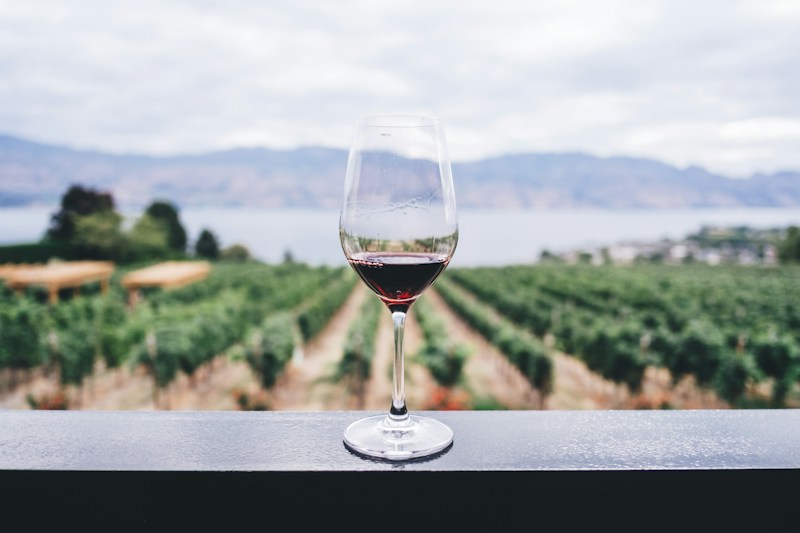
The Whisperer in Red: Spätburgunder – When Cool Air and Quiet Elegance Become Wine
Spätburgunder ist kein lauter Star, sondern ein leiser, tiefgründiger Erzähler im Glas – kühl, elegant und voller roter Frucht & Waldboden.
Der Flüsterer im Rot: Spätburgunder – Wenn kühle Luft und leise Eleganz zu Wein werden
---
Dear wine lovers,
dear seekers of quiet, profound moments in the glass,
some wines enter the room like an orchestra – loud, powerful, with fanfares. Spätburgunder is different. It is the quiet poet of German vineyards, the muted piano at the edge of a loud party. It doesn’t push itself into the spotlight, it waits. And when you are ready to listen, it tells you about fog over slate slopes, about rustling autumn leaves and the scent of damp earth at daybreak.
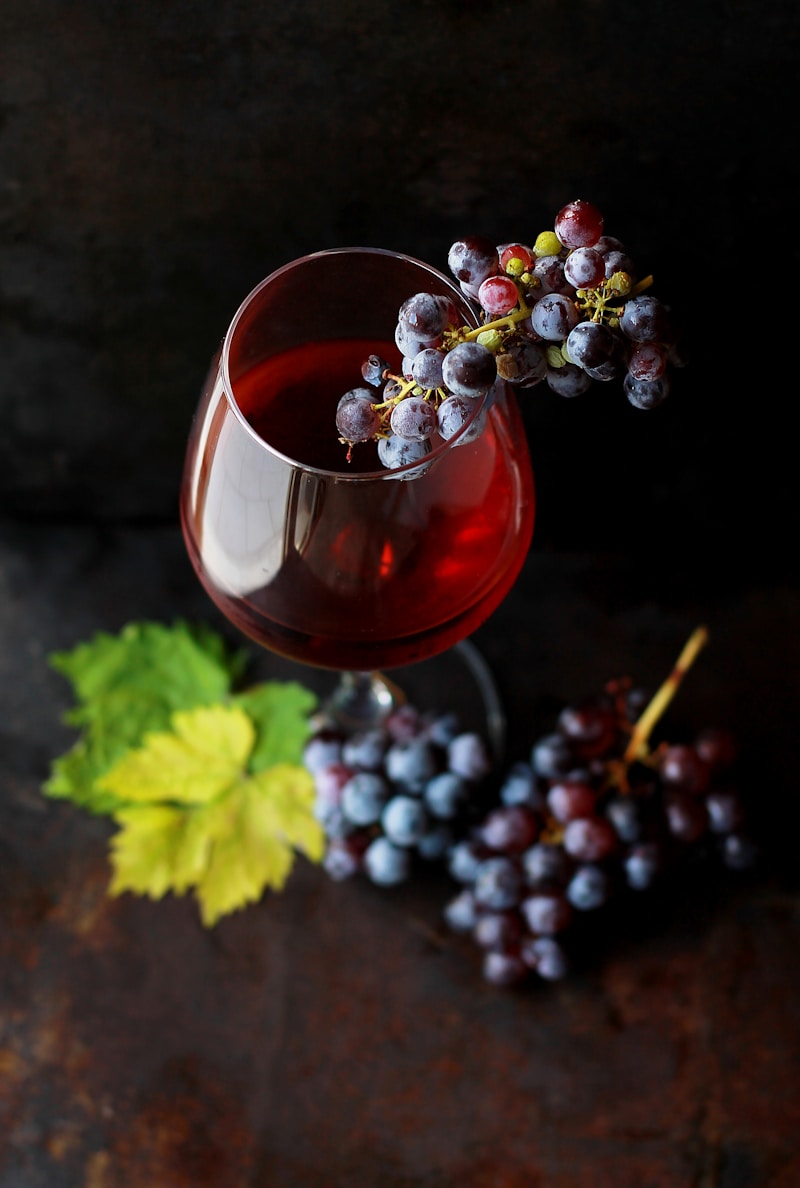
In the glass it shimmers ruby red, often translucent, like the last light of an autumn evening clinging to the vineyard slopes. Nothing is massive, everything is fine: red cherry, delicate raspberry, strawberry, redcurrant, a hint of violet – veiled by a subtle touch of forest floor and smoke, as if someone had lit a small fire somewhere far off in the woods. Spätburgunder is no muscleman; it’s a silk scarf woven from fruit, acidity and gentle tannin, medium in body yet filled with inner glow.
If you truly open up to it, you feel: this wine is not just a drink. It is a mood painting. A red thread of elegance, cool air and slate dust – painted in sips rather than brushstrokes.
---
1. The globetrotter in the glass: Where Spätburgunder feels at home
Spätburgunder – internationally known as Pinot Noir – is a diva in the vineyard: thin-skinned, sensitive, demanding. And yet it finds a surprisingly diverse home in Germany. Each region whispers different secrets to it, shaping a distinct character without ever robbing it of its quiet, poetic soul.
Ahr – The rock poet in cool gorges
The Ahr is one of the northernmost red wine regions in the world – a rugged, narrow valley where vines cling to steep slate slopes. During the day the dark rocks store the sun, at night cool air flows through the valley.
Spätburgunder from the Ahr often feels like a poem written in dark ink: clear red cherry, crisp redcurrant, sometimes a hint of violet. On top of that you get this unmistakable slate spice, a smoky note reminiscent of wet stone and cool rock. The wines are usually slender to medium-bodied, with juicy, medium acidity and fine, cool tannins – perfect for anyone who seeks elegance and freshness rather than weighty opulence.
Baden – The sun‑kissed velvet voice
Far in the south, Baden stretches the arms of its vineyard slopes towards the sun. Here, Germany turns warm, almost Mediterranean – and you can feel that in the Spätburgunder.
Badischer Spätburgunder often appears riper, softer, sometimes a little more opulent: juicy cherry, ripe strawberry, often some raspberry too, wrapped in a gentle, creamy texture. The tannins are rounded, the body relatively powerful for Spätburgunder – without ever becoming heavy. A touch of smoke and sometimes a subtle spice from the wooden cask drape themselves around the fruit like a fine shawl. This is the velvety, sensual side of the variety, which opens up beautifully alongside hearty dishes.
Rheingau – The aristocrat with a cool brow
The Rheingau is primarily known for Riesling, but if you look closely you’ll discover Spätburgunder that feels like an aristocratic cousin: upright, clear, precise.
Here you’ll find wines with cooler fruit: redcurrant, crisp cherry, a trace of rosehip. The structure is often linear, the acidity medium but clearly defined, the tannins fine yet present. Rheingau Spätburgunder can feel like a slim, elegant red‑wine scarf – never too thick, yet warming, and with a hint of forest floor that recalls damp leaves between the vine rows.
Pfalz – The life‑loving hedonist
The Pfalz is a region of abundance: almond blossom in spring, lush orchards, chestnut forests and wine that doesn’t hide. Spätburgunder from the Pfalz often has something warm‑hearted and uncomplicated, and yet it can show real depth.
The fruit is often charming and open: strawberry, cherry, raspberry – sometimes almost like a basket of fresh red berries, plus a hint of violet and a subtle smoky note. The body is medium, the acidity pleasantly integrated, the tannins soft. These are wines that can laugh without being trivial. A Spätburgunder from the Pfalz is often the one you share with friends at the table while the conversation slowly drifts into the night.
Rheinhessen – The curious modernist
For a long time, Rheinhessen was synonymous with volume, but today it is a laboratory for quality and experimentation. Young winemakers, old sites, new ideas – a perfect playground for Spätburgunder.
Styles vary widely: from delicate, filigree and red‑berried to more structured, spicy interpretations. You’ll often encounter aromas of raspberry, strawberry, redcurrant, plus a touch of forest floor and, depending on the ageing, a gentle veil of smoke. Spätburgunder from Rheinhessen often feels like a modern interpretation of an old poem: respectful of tradition, but with a clear, individual handwriting.
---
2. From steel to barrique: How ageing shapes the soul
As sensitive as Spätburgunder is in the vineyard, it is just as malleable in the cellar. The ageing decides whether it appears more like a crystal‑clear stream or a velvety current.
Stainless steel – The pure, unmasked voice
In stainless steel tanks everything remains cool and neutral, with no aromatic influence from outside. Here the grape variety may speak without microphone or amplifier – just itself and the soil it grew on.
Spätburgunder from stainless steel shows the lighter, more transparent side:
- Clear fruit of cherry, raspberry, strawberry, redcurrant
- Light to medium body, medium acidity, delicate tannins
- Very fresh, linear, often a bit cooler in expression
These wines are almost like watercolours: fine lines, bright colours, nothing overloaded. They are ideal companions when you want to taste the pure region and grape – especially from cooler areas like the Ahr or Rheingau.
Wooden cask & barrique – The silky cloak of maturity
Wood is no silent observer. It breathes, allows oxygen exchange, polishes tannins and lends the wine additional aromas. Spätburgunder, with all its fine nuances, reacts particularly strongly to this embrace.
In traditional wooden casks or barriques, the red fruit is joined by:
- A hint of vanilla, cedarwood, smoke or gentle toasted notes
- More structure, a rounder body, silkier tannins
- A more complex mouthfeel, almost like silk gliding across the palate
Depending on how new the wood is, how long the wine is aged and which region it comes from, the result can range from delicately framed fruit to a deep, smoky Burgundian character. In regions like Baden or the Pfalz, barrique ageing and riper grapes give rise to wines that can age for a long time and, with the years, increasingly recall forest floor, mushrooms, undergrowth and tobacco – like a walk in the woods in late autumn.
Both worlds – steel and wood – are valid forms of expression for this poet. The winemaker’s art lies in sensing which type of ageing amplifies the wine’s inner voice rather than drowning it out.
---
3. Pairing recommendations: The perfect partner
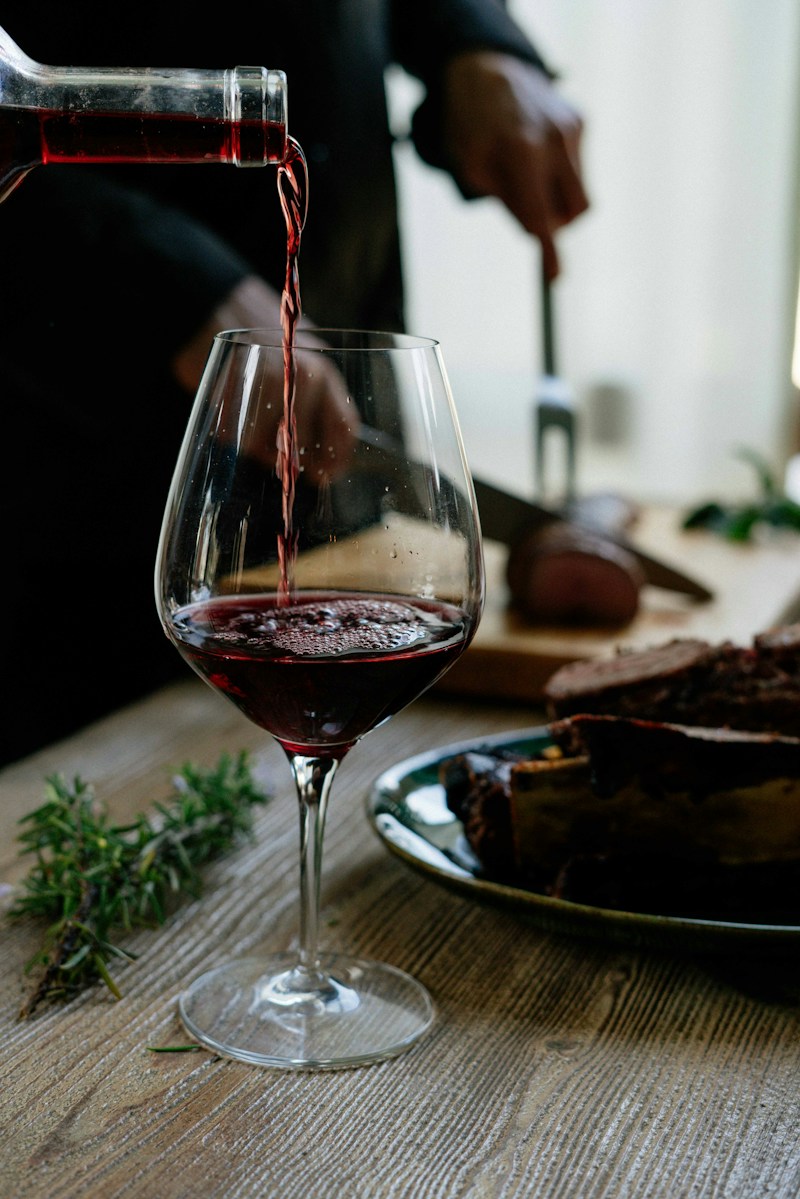
Spätburgunder is a master of nuances – and precisely for that reason a brilliant food partner. Its medium acidity, moderate body and fine tannins make it a bridge‑builder between delicate and more powerful dishes.
| Gericht | Wein-Stil | Warum es funktioniert |
|---------------------------------|--------------------------------------|--------------------------------------------------------------------------------------|
| Coq au Vin (klassisch mit Wein) | Holzfass-Ausbau, mittelkräftig | Die sanften Tannine und die Kirscharomen verschmelzen mit der Sauce und dem Geflügel. |
| Gebratener Lachs auf Linsen | Stahltank, fruchtbetont, kühl serviert | Die mittlere Säure und rote Frucht geben dem fetten Fisch Frische, ohne ihn zu erschlagen. |
| Pilzrisotto mit Thymian | Leicht holzbetont, erdig-würzig | Waldboden- und Rauchnoten spiegeln die Pilze, die Cremigkeit wird vom Wein getragen. |
---
4. FAQ – 10 questions for Spätburgunder lovers
❓ 1. Is Spätburgunder the same as Pinot Noir?
Yes. Spätburgunder is the German name for Pinot Noir. It’s the same grape variety, but the expression in the glass speaks a different language depending on region and producer. German Spätburgunder often feels a bit cooler, fresher and finer than many international Pinot Noirs.
❓ 2. Does Spätburgunder always taste light?
Not necessarily. While Spätburgunder usually has a medium body and gentle tannins, in warm regions (e.g. Baden, Pfalz) and with ageing in wooden casks it can be surprisingly powerful, structured and long‑lived. “Light” is more its style in cooler areas and when raised in stainless steel.
❓ 3. Which aromas are typical for Spätburgunder?
Typical are red fruits like cherry, raspberry, strawberry and redcurrant. Add to that floral notes (violet) and, with maturity and barrel ageing, forest floor, undergrowth, mushrooms and subtle smoky tones. At best, it feels like a walk through a damp forest with a basket of red berries in your hand.
❓ 4. What is the ideal serving temperature?
Spätburgunder shows its best at 14–16 °C. Too warm and it seems alcoholic and dull; too cold and it shuts down its delicate aromas. A practical tip: serve it slightly chilled – in modern, heated apartments “room temperature” is usually too warm.
❓ 5. Can Spätburgunder age?
Yes, very well – especially high‑quality, barrel‑aged wines from good sites. With a few years of bottle age, complex tertiary aromas develop: forest floor, dried herbs, mushrooms, sometimes a hint of truffle or tobacco. Simple estate wines are made for early drinking, while single‑vineyard or reserve wines can benefit from 5–15 years (or more).
❓ 6. Is Spätburgunder only a match for meat?
Absolutely not. Its gentle tannins make it an ideal partner for poultry, pork, veal, salmon, tuna and vegetarian dishes – especially those with mushrooms, root vegetables, lentils and creamy components. In particular, the forest‑floor and smoky notes can add enormous depth to vegetarian cuisine.
❓ 7. How can I tell if a Spätburgunder was aged in wood?
On the label you’ll find clues like “Barrique”, “Holzfass”, “aged in small oak” or quality tiers (e.g. Reserve, Großes Gewächs) that often (though not always) imply barrel ageing. In the glass, you’ll recognise wood by notes of vanilla, smoke, toast, cedar and a creamier texture.
❓ 8. Is Spätburgunder a good entry‑level grape for red‑wine newcomers?
Yes, often ideal. If you’re coming from white wine or are sensitive to tannins, Spätburgunder offers a red wine that convinces with finesse rather than force: medium body, medium acidity, fine tannins, often moderate alcohol. Start with fruit‑driven versions, usually aged in stainless steel.
❓ 9. What kind of glass should I use for Spätburgunder?
Pinot Noir or Burgundy glasses are ideal: large‑bowled, wide‑mouthed stems that give the wine room to unfurl its delicate, aromatic bouquet. If you only have a universal red‑wine glass, choose the largest, thinnest glass – Spätburgunder loves air and a big stage for its fragrance.
❓ 10. How do I find my personal favourite style of Spätburgunder?
Consciously taste different regions and types of ageing:
- Ahr / cooler sites: more filigree, mineral, precise
- Baden / Pfalz: riper, softer, often more oak‑influenced
- Rheingau / Rheinhessen: nuanced, ranging from cool‑elegant to modern‑fruity
Compare stainless steel vs. wooden cask and jot down which combination of fruit, acidity, smoke and forest floor moves you most. Spätburgunder is a journey – and every bottle is a different stretch of the path.
---
Next time you hold a glass of Spätburgunder, take a moment. Look through that ruby red as if gazing into a quiet autumn forest. Breathe deeply. Let cherry, raspberry, forest floor and smoke become images. And then don’t just drink – listen. Because this wine speaks softly, but it has an endless amount to tell you.