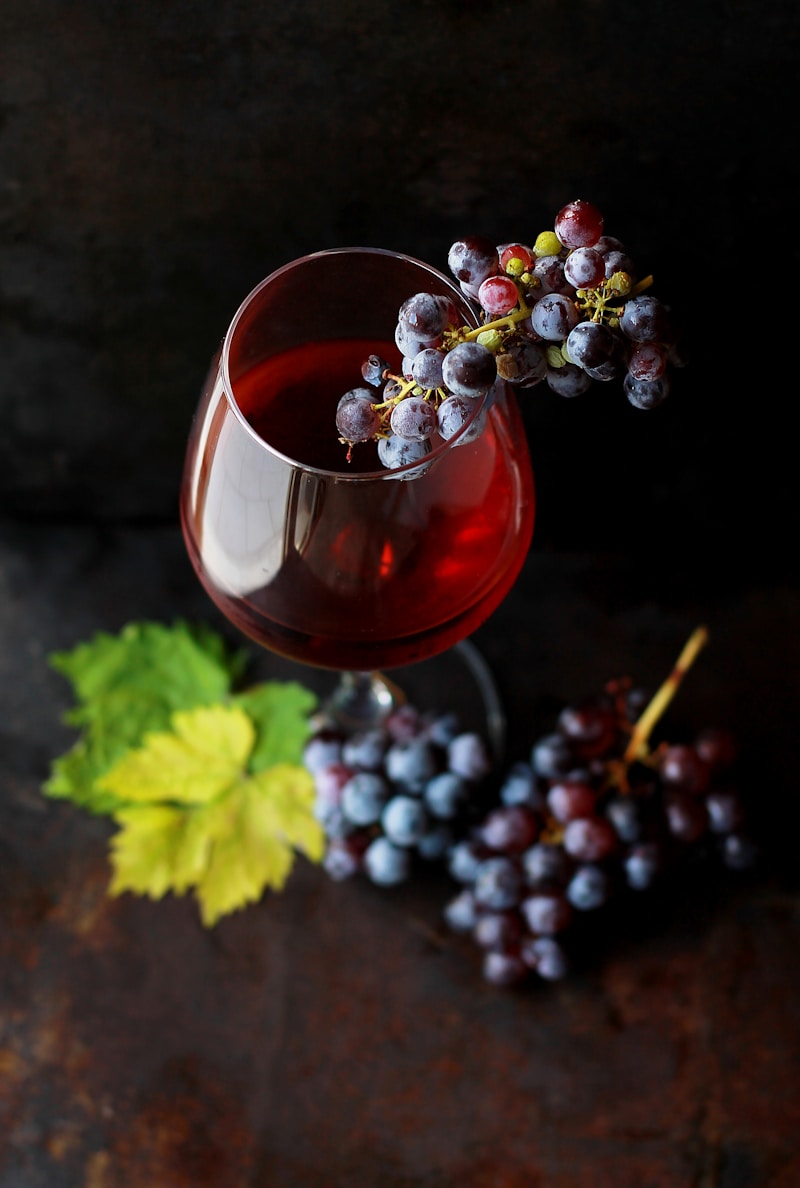
Nebbiolo, Child of the Fog: The Quiet Color That Speaks Loudly
Nebbiolo ist kein Wein für nebenbei, sondern ein leiser Aristokrat: ziegelrot, duftend nach Rosen und Teer, fordernd im Tannin – und überwältigend in der Reife.
Nebbiolo, Child of the Fog: The Quiet Color That Speaks Loudly
Dear wine lovers,
some grape varieties whisper, others sing – Nebbiolo prays. It is the silent mass in your glass, a devotion of brick red, rose and tar, of cherry, longing and time. Deceptively pale in color, almost translucent, yet with an inner force that has brought kings, popes and modern hedonists alike to their knees. Nebbiolo is not a wine you just “knock back”. It is a conversation partner, a mirror, a poem you decipher slowly, syllable by syllable, until it finally dissolves into hymns.
What makes this variety so special? It is the aristocrat of Piemonte – proud, headstrong, uncompromising. While other red grapes immediately radiate charm, Nebbiolo first demands respect: high acidity, striking tannins, a structure as if chiseled from stone. But if you give it time – in the cellar and in the glass – it transforms: from an angular youth with cherry, raspberry, rose and violet into majestic maturity, where truffle, autumn leaves, tobacco and subtle spice notes dance like fog over autumnal hills.
Nebbiolo is like the early morning mists (“nebbia”) drifting over the vineyards of Piemonte: mysterious, delicate, yet omnipresent. It is the color of the roofs of Alba, brick red with a slight orange shimmer. A wine that tests you – whether you are ready to embrace patience, depth and complexity. If you do, it rewards you with moments that burn themselves into your wine-loving heart like the last warm evening sun over the hills of the Langhe.
---
1. The Globetrotter in the Glass: Where Nebbiolo Lives
Barolo – The King’s Crown
Barolo is the throne on which Nebbiolo sits. In the hills around small villages like La Morra, Serralunga d’Alba or Monforte d’Alba, Nebbiolo shows what it can do when given a proper stage.
Typical Barolo is brick red with slight orange hues, smelling of roses, dried cherries, tar, licorice, spices and sometimes a hint of truffle. On the palate: high, firm, demanding. High acidity, grippy tannin, full-bodied and long. In its youth a clenched fist, after 15–20 years an open, well‑worn, warm heart. Barolo is not a “crowd‑pleaser” but a strong character – and that is exactly where its beauty lies.
Barbaresco – The Graceful Sister
Just a few kilometers away, yet with its very own personality: Barbaresco. If Barolo is the king, then Barbaresco is the elegant, more subtle sister – less loud, but no less deep.
Barbaresco is often somewhat more approachable, ready to drink a bit earlier, with similar aromas: rose, cherry, raspberry, violet, dried herbs, fine spices. The tannins often feel silkier, the structure a bit more supple. It is Nebbiolo for all those who love the aristocratic tone but don’t always need the sharpest edge. In good sites and vintages, however, Barbaresco is by no means “lesser” – just a little quieter in its authority.
Langhe – The Laboratory of Dreamers
The Langhe is the great experimental field of winemakers, the playground of individualists. Under the label “Langhe Nebbiolo” you’ll find wines that sometimes come from younger vines in Barolo or Barbaresco crus, or are deliberately crafted to be enjoyed earlier.
The style: fresher, more fruit‑driven, more vibrant. Cherry, raspberry, red currant, rose, sometimes violet and a hint of spice. The tannins are more finely polished, the maturation often shorter. The result: a wine that gives you direct access to the soul of Nebbiolo without requiring you to wait decades for maturity. An ideal introduction to this variety – yet often with astonishing seriousness.
Valtellina – The Mountain Poetry of Lombardy
Leave Piemonte and follow the mountains north and you reach Valtellina in Lombardy. Here, on steep terraces, Nebbiolo grows under the name “Chiavennasca” – and shows quite a different face.
The wines from Valtellina, such as “Valtellina Superiore” or “Sforzato di Valtellina”, are often paler in color and more delicate on the nose: dried cherries, red berries, roses, herbs, sometimes an alpine freshness reminiscent of pine needles and cool stone. The tannins are somewhat milder, the body lighter than in Piemonte, but the acidity remains taut. It is as if Nebbiolo appears here in hiking boots instead of patent leather shoes – less aristocratic, but with a moving clarity.
The New World – Echoes in the Fog
Even though Nebbiolo is deeply rooted in Piemonte, it has sent vines to new lands: to California, Australia, South Africa and even South America. There, fascinating interpretations are emerging – sometimes more fruit‑driven, sometimes softer, often less strict than their Piedmontese role models. They are still seekers in the fog, but it is precisely this search that makes them interesting: a different sun, different soils, the same proud core.
---
2. From Steel to Tar Aromas: How Maturation Shapes Nebbiolo
Nebbiolo is like a great text: you can simply print it or bind it in leather, gild it and let it age. How it is matured in the cellar – stainless steel tank or wooden cask – decisively shapes how you experience this wine.
Stainless Steel – The Clear, Unvarnished Truth
Nebbiolo matured in stainless steel, as is often the case with Langhe Nebbiolo or simpler bottlings, shows the variety in its most direct form. Steel hardly influences flavor and preserves freshness, purity and fruit.
In the glass this means:
- Aromas: cherry, raspberry, red currant, rose, sometimes violet
- Impression: clear, precise, linear
- Mouthfeel: firm acidity, present but less “integrated” tannins
These wines are often accessible earlier, energetic and vibrant. You taste the bare soul of the grape, without the veil of vanilla, toast or spice from wood.
Wooden Cask – The Aristocrat in a Morning Robe
In wooden casks, especially large foudres or barriques, Nebbiolo begins to don its aristocratic attire. The oxygen exchange during maturation helps tame the massive tannins; the wood itself – depending on type and age – contributes subtle aromas: vanilla, cedar, smoke, spices, sometimes a delicate sweetness on the nose.
In the glass this means:
- Aromas: rose, tar, cherry, dried fruits, tobacco, leather, truffle, autumn leaves, spice notes
- Impression: complex, deep, multi‑layered
- Mouthfeel: still powerful, yet smoother, longer on the finish, more harmonious
Barolo and Barbaresco are traditionally aged for long periods in wood – in the past often in large, old casks, today also in combination with barriques. After 15–20 years of bottle age, the true magic unfolds: tertiary notes of forest floor, truffle, dried roses, damp foliage and an almost spiritual depth. In these moments you grasp why Nebbiolo is more than just a grape variety – it is a time machine.
---
3. Pairing Suggestions: The Perfect Partner
Nebbiolo loves contrasts: fat against acidity, spice against tannin, depth against simplicity. It needs dishes that can catch and reflect its structure – and not surrender to it.
| Gericht | Wein-Stil | Warum es funktioniert |
|---------------------------------|-------------------------------|----------------------------------------------------------------------------------------|
| Tajarin mit schwarzem Trüffel | Gereifter Barolo/Barbaresco | Die erdige Trüffel-Aromatik spiegelt die tertiären Noten des Nebbiolo; das Eigelb-reiche Pasta-Fett polstert die Tannine ab. |
| Ossobuco alla Milanese | Kräftiger, klassischer Barolo | Mark und Schmoraromen treffen auf Säure und Tannin; der Wein schneidet durch die Fülle und hebt das Fleischaroma hervor. |
| Polenta mit Steinpilz-Ragout | Langhe Nebbiolo / Valtellina Superiore | Die cremige Textur und Umami der Pilze harmonieren mit der Säure und den floralen, roten Fruchtnoten des Weins. |
---
4. FAQ – 10 Questions for Nebbiolo Lovers
❓ 1. Why is Nebbiolo so pale in color yet so powerful in taste?
Nebbiolo has relatively few color pigments but extremely high tannin and acidity. This leads to a brick‑red, often slightly transparent color – but full impact in the mouth. You see lightness and drink power. This contrast is one of the secrets of its character.
❓ 2. How long should I age a Nebbiolo?
That depends on the style:
- Langhe Nebbiolo: usually 3–8 years
- Barbaresco: a good 10–20 years
- Barolo: in great vintages 15–30 years or more
Nebbiolo is one of the most patient wines in the world. With maturity, red fruits evolve into dried aromas, roses into autumn leaves, freshness into transcendence.
❓ 3. Do I need to decant Nebbiolo?
For young Barolo and Barbaresco, decanting is almost a must. 2–4 hours in a wide‑bottomed decanter help round the tannins and open up the aromas. A 10–15‑year‑old wine can also benefit from careful decanting if you find it still youthful. Only very old bottles (over 25 years) should be handled gently and decanted shortly before drinking, mainly to separate the sediment.
❓ 4. What is the ideal serving temperature?
Nebbiolo likes it cooler than many people think:
- Langhe Nebbiolo: about 16 °C
- Barolo/Barbaresco: 16–18 °C
Too warm and the alcohol sticks out, the tannins feel drier. A slightly cool temperature emphasizes freshness, elegance and complexity.
❓ 5. I find Nebbiolo too tannic – are there “gentler” entry points?
Yes. Reach for:
- Langhe Nebbiolo from younger vintages
- Valtellina Superiore (Chiavennasca) from Lombardy
These wines show typical Nebbiolo character, but with finer tannin and earlier charm. Choose producers who consciously aim for drinkability, not only for maximum structure.
❓ 6. How can I recognize good Nebbiolo quality from the label?
Look out for:
- Origin: Barolo, Barbaresco, Valtellina Superiore, serious Langhe Nebbiolo
- Vintage: Ripe, strong vintages often show more balance (in Piemonte, for example 2008, 2010, 2013, 2016, 2019 – examples, not dogma)
- Producer: Renowned names are your safest compass; in Nebbiolo country, the winemaker makes more difference than label design.
❓ 7. What glasses are best for Nebbiolo?
Use large Burgundy bowls or generously shaped red wine glasses with a wide opening. Nebbiolo lives off aroma and oxygen contact. A big glass lets those aromas – rose, cherry, tar, spices – unfold and makes the tannins more caressing.
❓ 8. Does Nebbiolo work with vegetarian or vegan cuisine?
Absolutely. Focus on umami and texture:
- Mushroom dishes (porcini, shiitake, truffle)
- Lentil stews, roasted root vegetables
- Polenta, risotto with mushrooms or roasted pumpkin
Nebbiolo’s acidity adds depth to the dish, and its tannins need some “substance” – for instance from proteins and fats in legumes, nuts or plant‑based cheese alternatives.
❓ 9. Why do people so often talk about roses and tar in Nebbiolo?
This is a classic aromatic signature of the variety, especially from Piemonte.
- Rose/violet: floral components particularly pronounced in younger wines and cooler sites.
- Tar/tarmac: comes from certain phenols and maturation; it’s an image for that dark, slightly smoky, mineral‑spicy note that characterizes many Nebbiolo wines.
❓ 10. Is Nebbiolo an everyday wine or one for special occasions?
Both – depending on the style you choose.
- Langhe Nebbiolo or lighter Valtellina wines: excellent companions for the “elevated everyday” – pasta, mushroom dishes, risotto.
- Barolo/Barbaresco from great vintages: these are wines for evenings you want to remember. For conversations that go late into the night, and for moments when time seems to stand still.
Nebbiolo doesn’t offer quick, easy charm. It opens up a world – of fog, roses, tar and time. If you are willing to wait, it answers with a depth that resonates within you long after the last sip.