The Quiet Poet Portugieser: A Summer Evening in Your Glass
Ein zarter, rubinroter Portugieser, der leise von Sommerabenden, Kräuterwiesen, nasser Erde und stillen Glücksmomenten erzählt.
Der leise Poët Portugieser: Ein Sommerabend im Glas
---
Einleitung
Dear wine lovers,
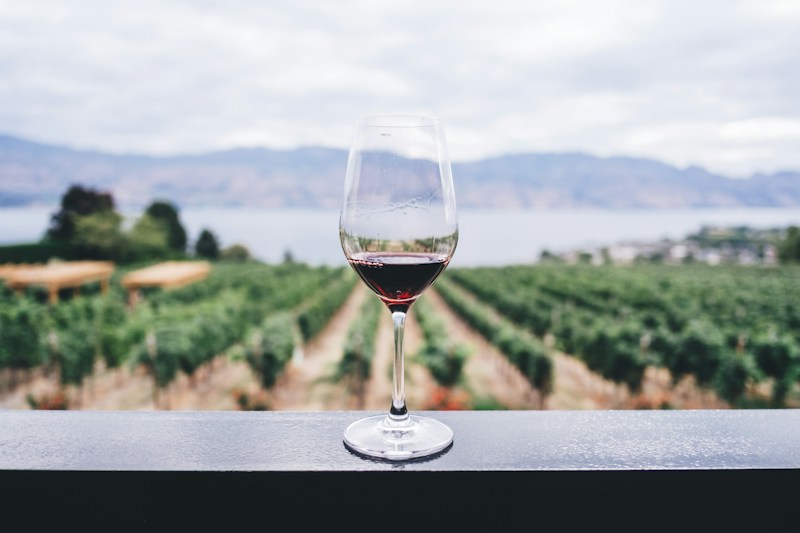
sometimes it’s not the loud, muscular wines that stay with us, but those that quietly slip into our souls. Portugieser is exactly such a wine: no spotlight seeker, no muscular blockbuster, but a gentle poem in red. A red wine like a summer evening on the edge of a village, when the sun softly sinks behind the hills, the village comes to rest, and all you hear is the hum of the fields and distant laughter.
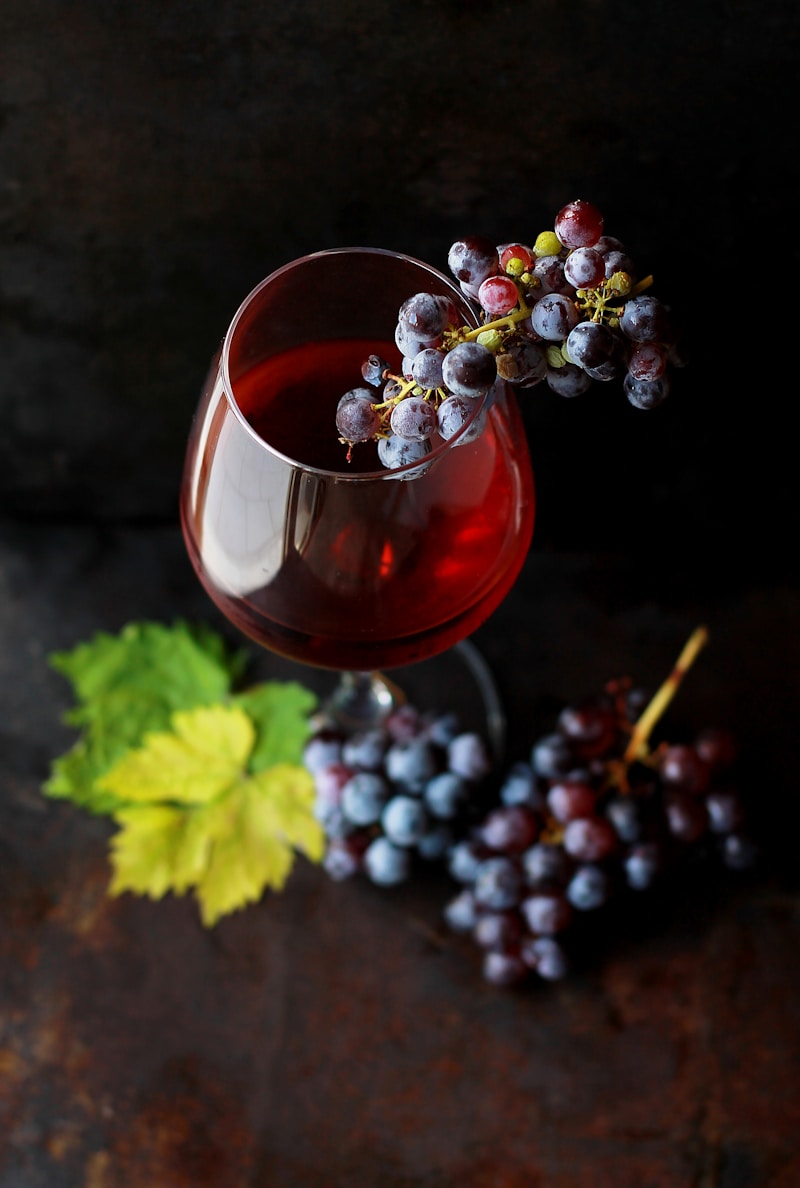
In the glass it shimmers ruby red with a hint of purple, light enough to catch the sun, delicate enough never to overwhelm. You lift it to your nose and feel red currants, sour cherries, wild strawberries and raspberries joining in a fine dance. Violets chime in, a June herb meadow, and that unmistakable scent of wet earth after a warm summer rain. Portugieser is the quiet poet among red grapes – a wine that whispers instead of shouts, that evokes old stories and young summer romances.
What makes it so special is its approachability: light in body, with pleasantly medium acidity, mild, silky, almost weightless on the palate. It demands nothing of you – no concentration acrobatics, no prior knowledge – and yet offers depth if you’re willing to tune in. An everyday wine in the very best sense, with enough charm to grace special moments.
---
1. The Globetrotter in the Glass: Where Portugieser Calls Home
Even if its name sounds like adventures on the Iberian Peninsula, Portugieser has long since found its true home in German wine landscapes. Its soul breathes Pfalz summers, Rheinhessen hills, Nahe gorges and Baden sunshine. Let’s look over its shoulder where it feels most at ease.
Pfalz – The Light‑hearted One with Sunshine in Its Heart
In the Pfalz, that almost Mediterranean oasis between the Haardt Mountains and the Rhine plain, Portugieser reveals its uncomplicated, cheerful side. The warm temperatures and sandy to loamy soils give it:
- Light, clear ruby red
- Fruit‑driven aromas of red currant, raspberry and sour cherry
- Very gentle tannins, almost like velvet on the tongue
Pfalz Portugieser are often uncomplicated “drinking wines”, ideal slightly chilled for a summer evening on the terrace – the wine that never pushes itself to the fore, yet always invites “just one more glass”. Here it’s frequently vinified dry or off‑dry, with playful, juicy freshness.
Rheinhessen – The Tender Storyteller from the Hills
Rheinhessen, the softly undulating “land of a thousand hills”, lends Portugieser a somewhat more serious, yet never heavy note. Loess and calcareous sites produce wines that are often a touch more structured.
Typical for Rheinhessen:
- Fine sour‑cherry and wild‑strawberry aromas, plus violets and fresh herbs
- Medium acidity that keeps the wine lively
- Sometimes a hint of wet earth and damp forest floor
Rheinhessen Portugieser can be astonishingly poetic: still light in body, but with an inner calm that recalls a cool morning after a summer night. They’re wonderful companions to light dishes or simply as a meditative evening wine.
Nahe – The Sensitive One with a Mineral Whisper
On the Nahe, geology is a colourful patchwork: slate, volcanic rock, sandstone – like a mosaic. Here, Portugieser sometimes gains a fine, almost mineral outline.
Character on the Nahe:
- Clear red fruits: currant, raspberry
- Subtle spice, sometimes a peppery or herbal note
- A hint of “wet earth”, as if you were walking through undergrowth after a summer shower
Nahe Portugieser can be very filigreed, almost fragile, and therein lies their magic. They feel like a watercolour: delicate shades, soft lines, and yet a clear handwriting of the terroir.
Baden – The Sun‑kissed Charmer
In Baden, Germany’s warmest wine region, Portugieser enjoys plenty of sun. This often makes it somewhat riper in fruit and a touch more opulent, without ever becoming heavy.
Typically Baden:
- Riper raspberry and cherry fruit, sometimes almost reminiscent of red fruit compote
- Soft, silky, very approachable on the palate
- A bit more generous in mouthfeel, while still light‑bodied
Baden Portugieser are ideal wines for convivial get‑togethers, barbecues and balmy nights: charming, open‑hearted, always ready to accompany a conversation, never dominant.
---
2. Between Summer Air and Cellar Wood: How Maturation Shapes Portugieser
By nature, Portugieser is a quiet, fruit‑driven red with light body and medium acidity. Like a poem that can be read aloud in two very different ways, maturation in stainless steel or oak changes its expression – without betraying its soul.
Stainless‑steel Maturation – The Clear, Summery Voice
In stainless steel, Portugieser remains as pure as a walk through an orchard in June. Neutral steel protects the varietal fruit, without influencing aromatics or structure.
What this means:
- Aromatic profile: Red currant, raspberry, sour cherry, often very clear and direct. Wild strawberry and violet feel fresh, not muted.
- Mouthfeel: Slim, light, straightforward. Medium acidity comes across refreshing, tannins remain silky and soft.
- Impression: A red you can enjoy lightly chilled (12–14 °C) – almost a bridge between rosé and red wine. Perfect for warm days, uncomplicated food and sociable rounds.
These wines are the “summer evening on the village edge” in its purest form: fragrant, light‑footed, joyful.
Oak Maturation – The Quiet Echo of Depth
In oak – mostly large, used casks, less often small barriques – Portugieser gains texture and depth without ever becoming a wood monster. It’s too delicate to be drowned out by oak, and that’s precisely its charm.
What happens here:
- Aromatic profile: Fruit becomes a little more muted but more layered. Sour cherry, wild strawberry and raspberry meld with notes of wet earth, herb meadow and sometimes a touch of vanilla or fine wood smoke (with stronger oak influence).
- Mouthfeel: Softer, rounder, with a bit more structure. Tannins can be minimally more present, yet remain tender and silky.
- Impression: A more contemplative Portugieser, ideal for evening hours, with dishes of a bit more depth – mushroom dishes, braised poultry or hearty bread‑and‑cheese suppers.
Oak maturation for Portugieser is like a familiar song suddenly accompanied by a chamber orchestra: the melody remains, but the space around it grows.
---
3. Pairing Suggestions: The Perfect Partner
Portugieser is a master of subtle nuances – and therefore a fantastic food companion. Its light body, juicy red fruit and medium acidity make it incredibly versatile with dishes that don’t want to be crushed by heavy tannins.
| Gericht | Wein-Stil | Warum es funktioniert |
|--------------------------------------|------------------------------------|------------------------|
| Flammkuchen mit Speck & Zwiebeln | Trockener Portugieser aus dem Stahltank | Die salzige, rauchige Note des Specks trifft auf die frische Säure und rote Frucht – das Fett wird aufgefangen, die Zwiebeln wirken süßlicher, der Wein bleibt leichtfüßig. |
| Gebratene Hähnchenkeule mit Kräutern & Ofengemüse | Im Holzfass gereifter Portugieser, trocken | Die Kräuterwiese-Noten und die nasse-Erde-Aromatik flankieren das Ofengemüse und die Röstaromen des Hähnchens, während der leichte Körper nicht erschlägt, sondern harmonisch begleitet. |
| Käseplatte mit mildem Weichkäse & jungem Bergkäse | Fruchtbetonter, halbtrockener Portugieser | Die leichte Süße puffert die Salzigkeit des Käses ab, die rote Frucht sorgt für Frische, der leichte Körper verhindert, dass das Pairing zu schwer wirkt – ein unkomplizierter, geselliger Abschluss. |
---
4. FAQ – 10 Questions for Portugieser Lovers
❓ Is Portugieser more of an entry‑level wine or one for connoisseurs?
Both. Thanks to its mild nature, light body and gentle tannins, Portugieser is ideal for beginners who are just “discovering” red wine. At the same time, it offers connoisseurs a quiet, subtle aromatics – especially notes of wild strawberry, violet and wet earth – that reveal themselves when tasted mindfully. Anyone who loves the quiet tones in wine will find a loyal companion in Portugieser.
---
❓ Does Portugieser always taste light, or are there more powerful versions?
By nature, Portugieser is a rather light variety. Even in warm regions it rarely becomes truly powerful. There are, however, more concentrated versions – from riper sites or with moderate oak – that have a bit more body and structure. Still, it never turns into a “blockbuster red”, but always stays on the elegant, delicate side.
---
❓ Should I drink Portugieser chilled?
Yes, slightly chilled it shows itself at its best. For stainless‑steel wines, 12–14 °C is ideal; for oak‑matured wines, 14–16 °C. If served too warm, it quickly seems tired and the freshness of the red fruit is lost. In summer you can happily put a bottle in the fridge for 20–30 minutes before opening.
---
❓ What does Portugieser pair best with – only light cuisine?
Portugieser shines above all with light to medium‑bodied dishes: Flammkuchen, poultry, pasta with tomatoes, sautéed vegetables, mild to medium‑aged cheeses, snack platters. For very powerful, fatty meat dishes (beef steak, leg of lamb, game) it’s usually too delicate, but it works wonderfully with grilled chicken, sausages or vegetables.
---
❓ How do Portugieser wines from Pfalz, Rheinhessen, Nahe and Baden differ?
- Pfalz: Sunny, fruit‑driven, often very light and uncomplicated, with red currant and raspberry.
- Rheinhessen: Delicate, sometimes somewhat more structured, with sour cherry, wild strawberry and fine herbal spice.
- Nahe: Filigreed, with clear fruit and often a touch of mineral freshness and wet earth.
- Baden: Somewhat riper and softer in fruit, very approachable, often a touch more opulent yet still light.
---
❓ How long can you cellar a Portugieser?
Portugieser is usually not a long‑distance runner. Most versions are meant to be drunk young – within 1–3 years after harvest. Higher‑quality Portugieser matured in oak can age well for 4–6 years and gain in harmony, but its charm generally lies in youthful freshness rather than in long ageing.
---
❓ Is Portugieser low in tannins? Will I tolerate it if powerful reds give me headaches?
Portugieser is generally low to very gentle in tannin. Those who struggle with very tannic wines like young Cabernet Sauvignon or Syrah often find Portugieser pleasantly soft. However, headaches are influenced not only by tannins, but also by alcohol, histamines and individual sensitivity. Try it calmly, in moderate amounts and well chilled.
---
❓ Are there rosé or Weißherbst wines made from Portugieser?
Yes, and they can be utterly charming. Portugieser rosé or Portugieser Weißherbst often show strawberry, raspberry and a hint of herb meadow. They’re usually light, fresh and ideal for summer – a wonderful alternative to rosés from international varieties.
---
❓ Is Portugieser an autochthonous German grape variety?
Its origins aren’t fully clarified. Despite its name, it plays hardly any role in today’s Portugal. In Germany, however, it has a long tradition and is mainly cultivated in Pfalz, Rheinhessen, Nahe and Baden. You could say: even if its roots may lie elsewhere – its soul has long since become German.
---
❓ Why should I consciously try Portugieser when there are more famous red wines?
Because it reminds you that pleasure doesn’t always have to be loud. In a world full of powerful, highly rated reds, Portugieser is a counter‑proposal: delicate, fragrant, poetic. It celebrates the quiet moments, everyday life, evenings on the balcony, conversations with friends, simple meals in between. Anyone who gives it time and attention is rewarded with a wine that doesn’t boast – it touches.
---
Next time you open a bottle of Portugieser, take a moment: look into its ruby‑red heart, breathe in wild strawberries, violets and wet earth. Maybe then you’ll also hear the gentle poem this grape is writing into your glass.