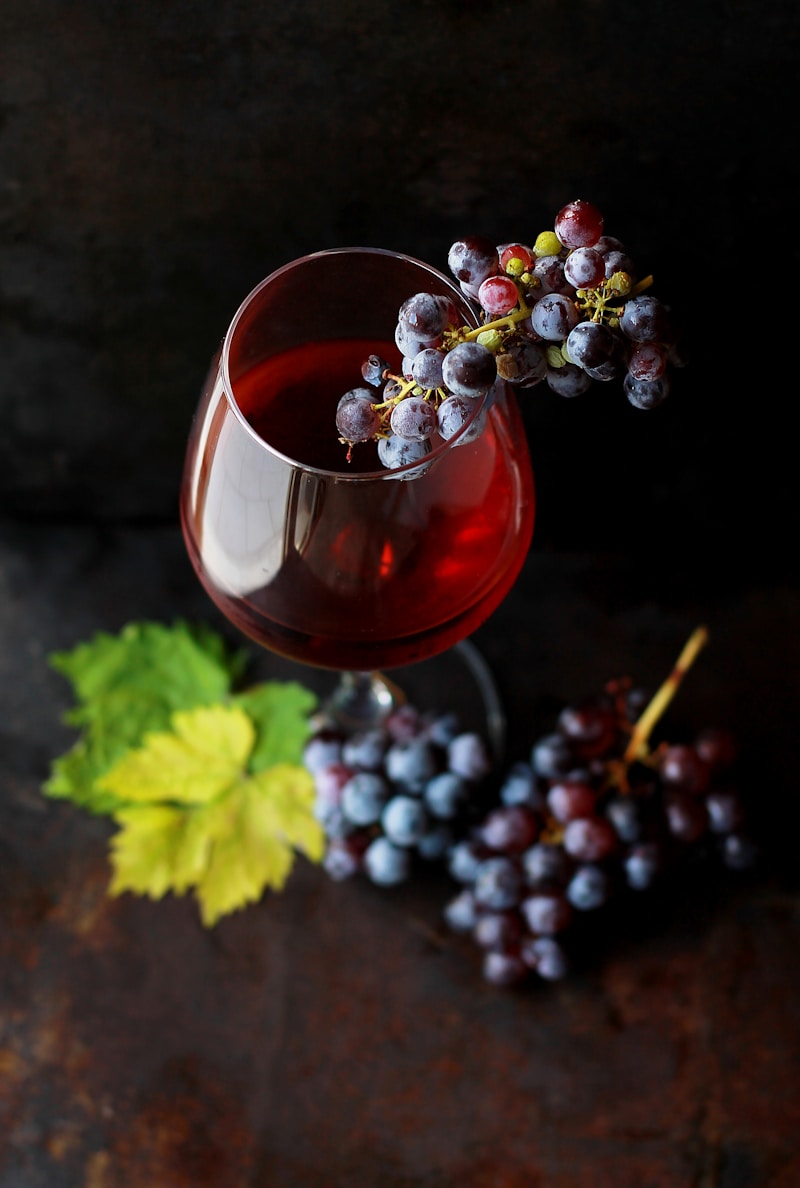
The Flaming Soul of Graciano: Spain’s Hidden Ruby in the Glass
Graciano, Spaniens leise glühende Rebsorte: dunkel, energiegeladen, säurebetont – ein Wein für geduldige Genießer, die Tiefe, Spannung und Emotion im Glas suchen.
The Flaming Soul of Graciano: Spain’s Hidden Ruby in the Glass
---
2. INTRODUCTION
Dear wine lovers,
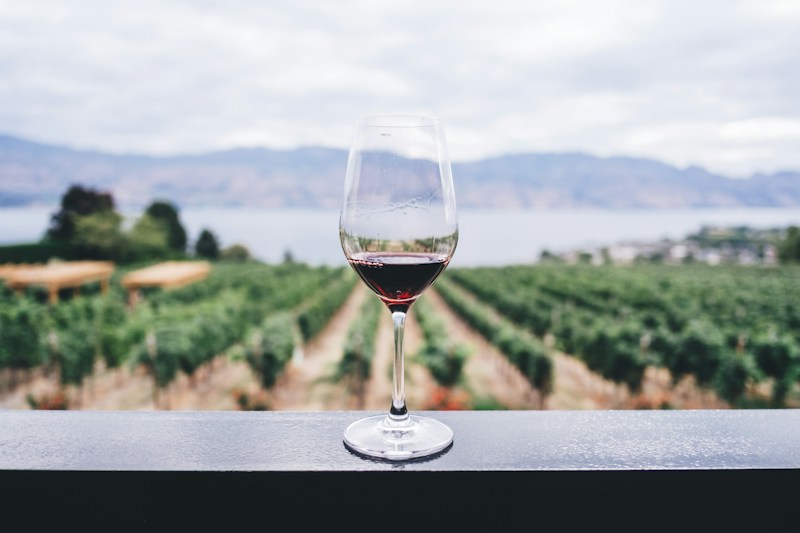
some grape varieties speak loudly, others sing softly – and then there are those that glow. Graciano is exactly such a grape: no diva in the spotlight, but the dark, quietly smouldering soul of Spain. Deep ruby red like the last embers of a summer evening over Rioja, as mysterious as a nightly walk through narrow alleys where guitars play and the scent of herbs lingers in the air.
What makes Graciano so special? It is contradictory – in the most beautiful way. Medium-bodied on the palate and yet intense, with high, pulsating acidity and fine yet determined tannins. Its aromas tell stories of black cherries, blackberries and blueberries, framed by delicate violets, dried herbs, liquorice and a hint of pepper. Graciano is not a wine for haste. This grape demands patience, time in the cellar and attention in the glass – and in return gives you moments that feel as if flamenco never fully comes to rest.
When you drink Graciano, you are not just drinking a wine. You taste the dusk over the hills of Rioja, the dry wind of the Ebro plain, the patience of the winegrowers who love it despite its low yields. It is a wine for people who prefer quiet magic to loud spectacle – and who are ready to engage in a slow, intense conversation.
---
1. The Globetrotter in the Glass: Where Graciano Makes Its Home
Rioja – The classic homeland, where Graciano whispers and shines
In Rioja, especially in Rioja Alavesa and Rioja Alta, Graciano has its historical home. Here it is rarely the star on the label, but rather the secretive force in the background, giving great Reservas and Gran Reservas their freshness, depth and longevity.
In Rioja, Graciano displays a fascinating tension: the colour dark ruby red, almost violet in youth, with intense notes of black cherries, blackberries and violets. The high acidity acts like a fresh wind blowing through the richness of Tempranillo and Garnacha blends, giving them structure and long life. Varietal Gracianos from Rioja are often concentrated, spicy, with liquorice, pepper and a hint of dried Mediterranean herbs. They feel like a classic guitar chord: clear, defined, with a vibrating echo.
Navarra – The wild sister, juicy and full of energy
In Navarra, Graciano shows a slightly wilder face. Here, north of Rioja, with somewhat cooler influences and differing altitudes, wines are created that bring a gripping freshness with them.
Navarra Graciano is often a little lighter in body, but no less intense in aroma: blueberries, blackberries, a touch of sour cherry, plus a peppery, almost cool spiciness that can recall wet stones after rain. The high acidity makes the wines feel lively, almost electric. They are ideal for anyone who loves tension in the glass and is not afraid of a clear, angular structure.
Cariñena – The sun-soaked power of Aragón
Further southeast, in the DO Cariñena in Aragón, Graciano breathes the dry heat of the continental climate. Here the soils are stony and poor, and the vines must root deeply to reach water – perfect conditions for characterful grapes.
In Cariñena, the climate shapes Graciano into a somewhat more powerful, fuller variant without losing its typically high acidity. The wines often show riper fruit notes: black cherry, dark plum, ripe blackberry. In addition, there are powerful herbal tones, almost like a bouquet of rosemary, thyme and bay leaves drying on a hot stone wall. The tannins are more pronounced, grippier – a Graciano that loves to hold a conversation with hearty cuisine.
Ribera del Guadiana – The quiet treasure of Extremadura
In the lesser-known DO Ribera del Guadiana in Extremadura, near the Portuguese border, you will find another interesting expression of Graciano. The climate is hot, the sunshine intense, and yet clever winemakers manage to preserve freshness in the wine.
Here Graciano shows ripe berry aromas, often with a slight note of dried fruit, accompanied by liquorice and a bitter, almost smoky herbal spice. The wines can be opulent, but the characteristic acidity holds them in shape like a well-laced corset. This is a Graciano that recalls long summer evenings – weightless yet intense, like the hot air that only cools down late at night.
---
2. Between Steel and Barrel: How Graciano Is Shaped
Graciano is a grape variety with character – and precisely for that reason it reacts sensitively to its maturation. Your glass often reveals whether the wine was raised in a purist stainless-steel tank or sensually in wood.
Ageing in stainless steel – The clear, unvarnished truth
Graciano aged in stainless steel shows you the variety in its purest form: unadulterated, crystal clear, almost crystalline. Fruit takes centre stage – black cherry, blackberry, blueberry – along with a floral veil of violets and the crisp, stimulating acidity.
Such wines feel cool, straightforward and very precise. They are more medium in body, with fine yet present tannins, and they often resemble the first bite into a ripe dark cherry: juicy, lively, with a tart, refreshing pull on the finish. Ageing in steel emphasises:
- Fresh fruit
- Floral notes (violet)
- The firm, high acidity
- A rather slender, elegant body
This is Graciano for purists – for the moments when you want to experience the grape variety without make-up.
Ageing in oak – The seductive flamenco
In oak – especially in barrique – Graciano is given a different stage. The high acidity and structured tannin base make the variety an ideal partner for wood, as it can carry the additional aromas and tannins without becoming heavy or tired.
In good barrel ageing a new dimension awakens:
Dark berry fruit is joined by hints of vanilla, cocoa, mocha or cedarwood, often also sweet spices like clove or cinnamon. The dried herbs and liquorice notes meld with the toasty and spicy aromas from the barrel, creating an almost oriental depth. The tannins seem rounder, more polished, the texture creamier, without losing the tension of the acidity.
Barrel-aged Graciano stands for:
- More complexity and depth
- Creamier structure, rounder tannins
- Spicy, toasty notes (vanilla, cocoa, wood spices)
- Great ageing potential
If stainless steel is a clear starry sky, oak is the flickering glow of a candle in an old bodega: warmer, softer, multi-layered – and a little mysterious.
---
3. Pairing recommendations: The perfect partner
| Dish | Wine style | Why it works |
|-------------------------------------|------------------------------------|--------------|
| Braised lamb shank with rosemary and thyme | Oak-aged Graciano from Rioja or Cariñena | The powerful, spicy aromas of the lamb meet the dark fruit, dried herbs and liquorice notes of Graciano; its high acidity and firm tannins cut through the richness of the meat and bring balance. |
| Grilled tuna steak with pepper crust | Fresh, stainless-steel-aged Graciano from Navarra | The medium body and lively acidity accompany the meaty tuna perfectly, while pepper and dark berry aromas of the Graciano echo the pepper crust aromatically without overpowering it. |
| Mature Manchego with chorizo and olives | Powerful, oak-driven Graciano from Ribera del Guadiana | Salt, fat and spice from the Manchego and chorizo are structured by acidity and tannin; the Mediterranean herbal spice and pepper notes of the wine amplify the aromas of the sausage, while the dark fruit provides a delicious counterpoint to the salty cheese. |
---
4. FAQ – 10 questions for Graciano lovers
❓ 1. Is Graciano more light or heavy?
Graciano usually sits in the medium-bodied range. It doesn’t feel as hefty and high in alcohol as some southern Italian or New World reds, but it’s also not as light as a very delicate Pinot Noir. The high acidity gives it freshness and tension, while the tannins provide structure – a wine that dances rather than stomps, yet with palpable energy.
---
❓ 2. Which aromas are typical for Graciano?
Typical are dark fruit aromas: black cherry, blackberry and blueberry. There are also floral notes of violet and a distinctive herbal spice – often reminiscent of dried Mediterranean herbs. Many Gracianos also show liquorice, a hint of black pepper and, with barrel ageing, notes of cocoa, vanilla or cedarwood. At best it feels like a walk through a herb garden at night while somewhere someone is pitting cherries.
---
❓ 3. Why is Graciano said to have great ageing potential?
The secret lies in the combination of high acidity, stable tannins and intense aromatics. These three building blocks are like the supporting framework of a house: they allow the wine to age for years – sometimes decades – without collapsing. Over time, good Gracianos develop complex tertiary notes: leather, tobacco, undergrowth, dried fruits. The fresh acidity remains as a red thread, keeping the wine alive.
---
❓ 4. Why is Graciano so rare compared to Tempranillo?
Graciano is demanding. The grape delivers relatively low yields and is more sensitive to weather and disease. For growers who focus on quantity rather than quality, this is not very attractive. Tempranillo is easier to cultivate, more productive and commercially more “convenient”. But those who deliberately care for Graciano are rewarded with wines that possess a depth and freshness that Tempranillo alone often does not reach.
---
❓ 5. In which styles is Graciano most often made – solo or in blends?
Traditionally, Graciano in Rioja and other regions was used mainly as a blending partner, especially with Tempranillo and Garnacha. It brings freshness, colour and structure to the mix. In recent decades, many winemakers have begun to produce varietal Gracianos to showcase the grape’s unmistakable character. Today you will find both: fascinating single-varietal wines and complex blends in which Graciano plays the role of the “invisible conductor”.
---
❓ 6. What is the ideal serving temperature for Graciano?
Graciano likes it a little cooler than some heavy red wines. Around 15–17 °C is ideal. Served too warm, it appears more alcoholic and loses precision; too cold, the tannins become angular and the aromatics shut down. A good tip: half an hour in the fridge when the wine is at room temperature is often enough to bring it into perfect balance.
---
❓ 7. Which glass suits Graciano best?
A medium-sized red wine glass with a slightly bulbous shape is ideal. It should offer enough space for the aromas to unfold, but not be as large as a glass for very opulent Bordeaux wines. The glass should focus the nose a little: this way the violet, herb and spice notes come through clearly without the wine seeming too broad.
---
❓ 8. Does Graciano only go with meat dishes?
Not at all. While it is a great partner for lamb, beef, game and spicy braises, its high acidity and medium body also allow exciting combinations beyond meat. Try it with grilled tuna, spicy vegetable dishes (e.g. oven-roasted aubergine with herbs), mushroom ragout or mature hard cheese. The art lies in choosing dishes whose aromatic intensity can keep pace with the wine’s depth.
---
❓ 9. How long should I let a Graciano breathe after opening?
Young, tight Gracianos benefit greatly from air. 30–60 minutes in a decanter are often ideal to tame the tannins and open up the nose. More mature examples, especially from Rioja with longer barrel ageing, can be more sensitive: here 15–30 minutes are usually enough, or you simply enjoy the wine as it slowly evolves in the glass. Graciano loves to tell its story over the course of an evening – give it the time to confide in you.
---
❓ 10. For whom is Graciano the “right” wine?
Graciano is for people who appreciate depth and tension in wine. If you love wines that play not only with fruit but also with acidity, structure and spicy complexity, you will feel at home with Graciano. It is not an easy cuddle wine – more an intense conversation by candlelight, where there are also quiet nuances in between. For curious explorers, cellar enthusiasts and lovers of Spanish reds, Graciano is a discovery that resonates for a long time.
---
When you next open a bottle and the ruby depth of a Graciano flows into your glass, take a moment: breathe in the scent of violets, herbs and dark fruits, feel the firm acidity, the fine tannins, the long, spicy finish. In that instant you are holding more than just wine in your hand – you are holding a piece of Spain’s quietly burning soul.