The Smouldering Heart of Spain: Cariñena, Whispering Vines and Sun‑drenched Stones
Cariñena is not just drunk, it’s experienced: dark, vibrant, untamed – a wine of heat, stones and honest character.
Die Glut Spaniens Cariñena: Vom Flüstern der Rebstöcke und der Hitze der Steine
Dear wine lovers,
dear seekers of depth in the glass,
there are grape varieties you drink – and there are grape varieties you experience. Cariñena belongs to the second category. It is the dark ember at the heart of Spain, a wine like a summer evening that never wants to end. A wine that doesn’t strive to be pleasing, but to be honest. Not a velvety caress, but a rough, warm embrace after a long day in the sun.
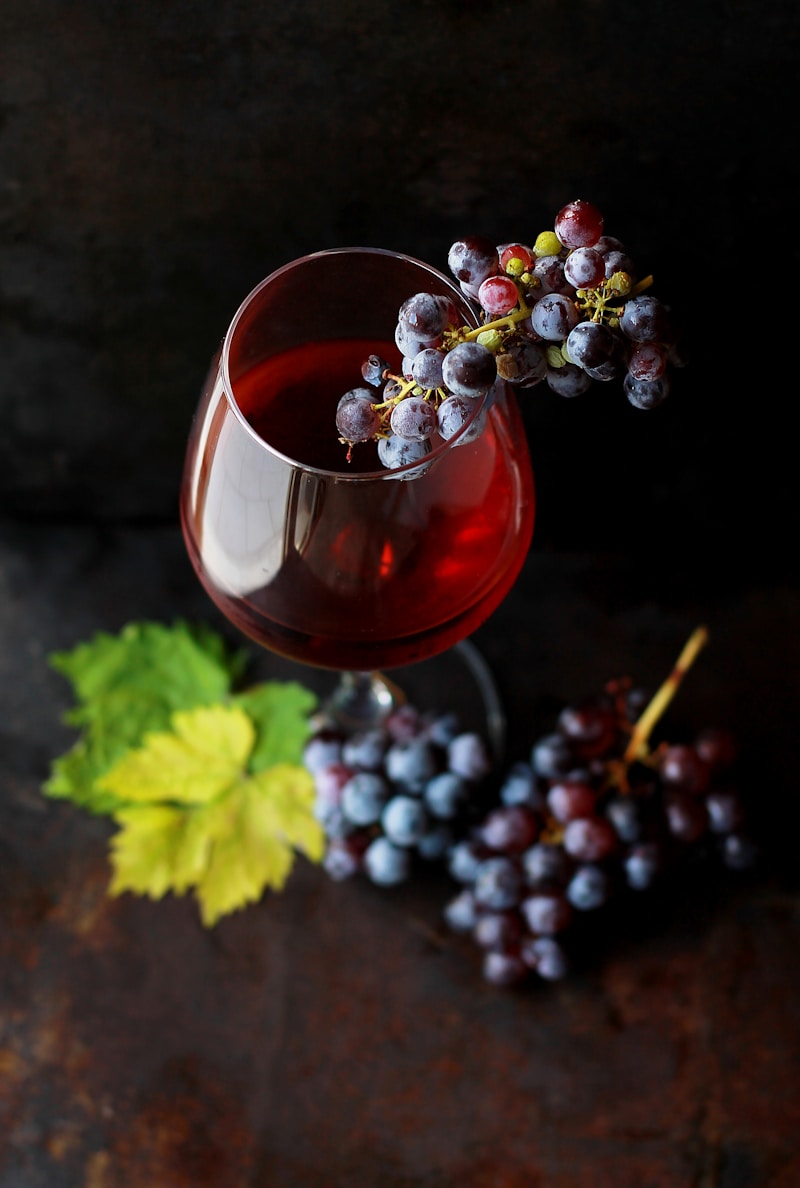
Dressed in deep ruby, shot through with purple reflections, Cariñena recalls the last streak of light over the hills of Aragon, when the heat of the day still rises from the stones. On the nose, black cherry, plum and blackberry dance together, accompanied by wild herbs, liquorice and a hint of pepper. Then there’s that unmistakable touch of graphite and the dust of old paths – as if you were walking along a sun‑burned country lane that has been trodden by winemakers for centuries.
What makes Cariñena so special is its inner tension: full‑bodied, dark, concentrated – and at the same time with a vibrant, high acidity that breathes energy into the wine. A character like Spain’s dry winds sweeping across the land: clear, uncompromising, refreshing and yet full of heat. Cariñena is no quiet wine; it speaks of meagre soils, old vines and people who have learned to dance with the harshness of nature.
---
1. Der Globetrotter im Glas: Wo der Cariñena zu Hause ist
Even though its heart clearly beats in Spain, Cariñena shows different faces in different regions – sometimes wild and untamed, sometimes structured and profound, sometimes surprisingly elegant. Let’s look at the places where this variety gives some of its most striking performances.
Cariñena (DO Cariñena, Aragon) – Die Urheimat, rau und aufrichtig
In the region of Cariñena in Aragon, the grape shares its name with the appellation – here it’s no passing trend, but tradition. The soils are stony, often poor, the climate continental with hot summers and cold winters. It is precisely in this harshness that the vine finds its purpose.
Cariñena from Cariñena usually appears powerful, dark and sinewy:
- intense aromas of black cherry and plum
- wild roadside herbs, dried thyme, rosemary
- marked acidity, firm, gritty tannins
Here you get the wine as it is meant to be: without frills, with a lot of honesty and a touch of rustic charm. Perfect for anyone who likes wines that don’t say “please” and “thank you”, but get straight to the point.
Priorat – Die dramatische Bühne aus Schiefer
In Priorat, southwest of Barcelona, Cariñena (there often called Carinyena or Carignan) grows on spectacular terraces of dark llicorella slate. These are soils that look as if they store heat themselves and keep radiating it into the night.
Here, Cariñena often appears in blends with Garnacha, but also as a single‑varietal wine:
- concentrated aromas of blackberry, black cherry, ripe plum
- graphite, wet slate, a hint of smoke – pure minerality
- powerful body, yet vibrating with acidity and freshness
A Priorat‑Cariñena feels like a dark flamenco: powerful, dramatic, full of tension between elegance and energy. The tannins are deep and tight, ideal for long ageing.
Montsant – Der zugänglichere Bruder mit Seele
Right next to Priorat lies Montsant – often a little less known, but with similarly impressive quality. The soils are varied: limestone, clay, some slate. The climate is Mediterranean with a continental influence, with slightly cooler nights.
Cariñena from Montsant is often:
- more fruit‑driven, with plenty of blackberry, cherry and juicy plum
- seasoned with notes of forest herbs, liquorice, a touch of pepper
- structured, yet more approachable than many Priorat wines, with round, well‑integrated tannins
Montsant is the place where Cariñena often appears at its most charming without losing its seriousness. A perfect playground for getting to know the variety.
Rioja – Der heimliche Nebendarsteller
In Rioja, Cariñena usually plays a supporting role in blends dominated by Tempranillo. But don’t underestimate what this variety contributes here: it brings backbone, acidity and colour to the wines.
Typical contributions of Cariñena in Rioja blends:
- darker fruit: black cherry, blackberry
- more freshness and structure thanks to the higher acidity
- additional depth and ageing potential
If you have a Rioja in your glass that feels particularly lively, juicy and taut, it is often the quiet voice of Cariñena whispering in the background.
Aragon allgemein – Alte Reben, neue Geschichten
Across Aragon, old Cariñena vines are being rediscovered – vines that were long used as mere volume suppliers. Today, modern winemakers are unveiling their potential: low yields, concentrated berries, precise vinification.
The result:
- intense but not overblown wines
- a balance of dark fruit, herbal spice and refreshing acidity
- characterful wines that speak volumes of their region and wear very little make‑up
Aragon is therefore an exciting place for anyone who wants to discover Cariñena beyond the well‑known names.
---
2. Zwischen Stahl und Eiche: Wie Cariñena seine Stimme findet
Cariñena is a variety with a powerful body, high acidity and usually pronounced tannins. That makes it incredibly malleable in the cellar – like a voice that can sing both smoky blues and clear classical lines. The key factors are whether the wine is aged in stainless steel or wood, and for how long.
Stahltank – Die pure, ungeschminkte Wahrheit
When aged in stainless steel, the wine stays close to its fruit and its origin. Steel is neutral, it doesn’t impart aromas or texture – it’s the quiet stage lighting that merely highlights what is already there.
A Cariñena aged in stainless steel shows:
- clear fruit: black cherry, fresh plum, blackberry
- pronounced acidity, very lively and taut
- distinct, often angular tannins
- an honest, direct style – less “soft‑focused”, more character
Such wines feel younger, wilder, almost untamed. They are great companions to rustic dishes and a wonderful mirror of the terroir.
Holzfass – Der gereifte Erzähler
Once wood comes into play – whether in large foudres, classic barriques or older casks – a different story begins. Wood can soften tannins, refine structure and add new layers of flavour.
A Cariñena aged in wood brings:
- in addition to dark fruit, notes of vanilla, tobacco, cocoa, cedar (with new oak)
- a softer, creamier texture
- better‑integrated tannins – the wine feels rounder, more harmonious
- often deeper complexity, with herbs, liquorice and graphite woven together elegantly
It is especially beautiful when winemakers handle oak gently: more used barrels, longer ageing, less toasting. Then the soul of Cariñena – its acidity, its spice, its dark fruit – remains clearly recognisable, but wrapped in a fine patina of maturity, like a well‑worn leather jacket.
Die Kunst des Ausbalancierens
Many of the most exciting Cariñena wines use a combination: part of the wine ages in steel, part in wood. This creates a dialogue between freshness and maturity, clarity and depth.
Imagine it like this: stainless steel brings the energy, wood brings the composure – together they create a wine that works both by the fireside and at the summer table.
---
3. Pairing-Empfehlungen: Der perfekte Partner
Cariñena is no delicate partner for filigree dishes. It loves intensity: roasted flavours, spice, fat, deep umami notes. Its high acidity and structure make it an ideal companion for powerful food.
| Gericht | Wein-Stil | Warum es funktioniert |
|--------------------------------------|-----------------------------------|------------------------|
| Geschmorte Lammkeule mit Rosmarin, Thymian und Knoblauch | Im Holzfass gereifter Cariñena aus Priorat oder Montsant | Die dunkle Frucht und Kräuterwürze des Weins spiegeln die mediterranen Aromen des Lamms. Die Säure schneidet durch das Fett, die Tannine greifen das Fleisch auf und sorgen für ein langes, harmonisches Finale. |
| Würzige Chorizo mit Paprika-Gemüse und Ofenkartoffeln | Fruchtbetonter Cariñena aus Aragon, teils im Stahl ausgebaut | Die pfeffrige, leicht rauchige Note des Weins ergänzt die Würzigkeit der Chorizo. Die lebendige Säure erfrischt den Gaumen zwischen den Bissen, während der vollmundige Körper mit der Intensität des Gerichts mithält. |
| Gegrilltes Rindersteak (Ribeye) mit grobem Meersalz und Pfeffer | Strukturiere, holzgereifte Cuvée mit hohem Cariñena-Anteil (z.B. aus Rioja oder Montsant) | Das kräftige Tannin und der volle Körper des Weins passen ideal zu den Eiweiß- und Fettstrukturen des Steaks. Röstaromen vom Grill finden ihr Echo in den Noten von Holz, Lakritze und Graphit im Wein. |
---
4. FAQ – 10 Fragen für Cariñena-Liebhaber
❓ 1. Ist Cariñena und Carignan das Gleiche?
Yes. Cariñena is the Spanish name for the grape variety that is internationally best known as Carignan. In Catalonia you’ll also come across the spelling Carinyena. Genetically it is the same variety; the character, however, can differ greatly depending on the region.
❓ 2. Wie schmeckt ein typischer Cariñena?
It is full‑bodied, dark and energetic: aromas of black cherry, plum and blackberry, plus forest herbs, liquorice, pepper and often a mineral note of graphite. Acidity is high, tannins are present – a wine with plenty of structure and drive.
❓ 3. Ist Cariñena eher ein Wein für Kenner oder auch für Einsteiger?
Both – it depends on the style. A young Cariñena aged in stainless steel with angular tannins is more for explorers who appreciate character. A gently oak‑aged Cariñena with rounder tannins, on the other hand, is wonderfully accessible and can delight newcomers who enjoy powerful reds.
❓ 4. Welche Trinktemperatur empfiehlst Du für Cariñena?
Ideally 16–18 °C. Too warm and the alcohol becomes too prominent and the wine heavy; too cold and the fruit and spice shut down. A good tip: pour it slightly chilled and let it slowly warm up in the glass – that way you can follow its evolution.
❓ 5. Sollte man Cariñena dekantieren?
Yes, it is usually worth it. Young, powerful wines benefit greatly from 30–60 minutes in a decanter: tannins become smoother, the fruit opens up. Older vintages should be decanted gently, mainly to keep the sediment back.
❓ 6. Wie lange kann man Cariñena lagern?
That depends heavily on quality and ageing. Simpler, fruit‑driven wines are at their best after 3–5 years. Structured, oak‑aged examples from regions such as Priorat, Montsant or top sites in Aragon can age 10–15 years or more, gaining in complexity along the way.
❓ 7. Ist Cariñena immer so säurebetont?
Cariñena is naturally a high‑acidity variety – it’s part of its character. In warm regions this acidity doesn’t feel sharp, but refreshing and gives the wine backbone. Skilled ageing (for example in wood) can integrate the acidity harmoniously.
❓ 8. Passt Cariñena auch zu vegetarischer Küche?
Yes, as long as the dishes have enough depth and roasted flavours. Think grilled vegetables with Mediterranean herbs, ratatouille, mushroom ragout, lentil stew or oven‑baked aubergines. Cariñena loves umami – mushrooms, tomatoes, dark sauces and smoke.
❓ 9. Woran erkenne ich im Regal, dass Cariñena im Spiel ist, wenn er nicht auf dem Etikett steht?
In Spain it’s worth checking the back labels or technical sheets, where grape varieties are often listed. In regions like Priorat or Montsant you’ll frequently find blends where Carinyena or Cariñena is mentioned explicitly. In France and other countries it’s usually called Carignan.
❓ 10. Für wen ist Cariñena „der richtige Wein“?
For you, if you love wines with character that are not smoothed over. If you want a wine to taste like a landscape – of hot stone, herbs in the wind and ripe fruit. Cariñena is for people who don’t seek perfection in the glass, but personality.
---
Cariñena is not a wine that tries to ingratiate itself. It is the dark ember in the fireplace, not the scented candle on the table. If you give it time, air, the right glass and a plate that matches its intensity, it will tell you stories – of sun and dust, of old vines and quiet nights in the vineyard.
And perhaps, the next time you see that deep ruby sparkle in your glass, you’ll hear a soft Spanish guitar in the background – and understand why some evenings simply aren’t meant to end.