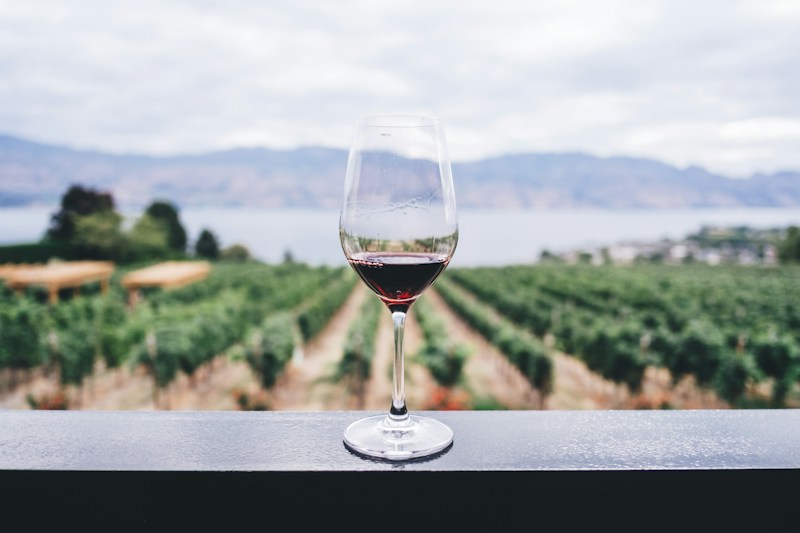
Feuerkuss Blaufränkisch: The Quiet Wildness of Burgenland in Your Glass
Blaufränkisch ist kein lauter Charmeur, sondern ein charakterstarker Wein, der Herkunft, Tiefe und die stille Seele des Burgenlandes im Glas spürbar macht.
Feuerkuss Blaufränkisch: The Quiet Wildness of Burgenland in Your Glass
---
Dear wine lovers,
dear seekers of true character in the glass,
there are grape varieties you simply drink – and there are grape varieties you truly get to know. Blaufränkisch undoubtedly belongs to the second category. It is not the loud charmer that immediately pushes itself into the spotlight. It is more like that person in the group who listens quietly at first and then – when they finally begin to speak – touches you with a depth that resonates for a long time.
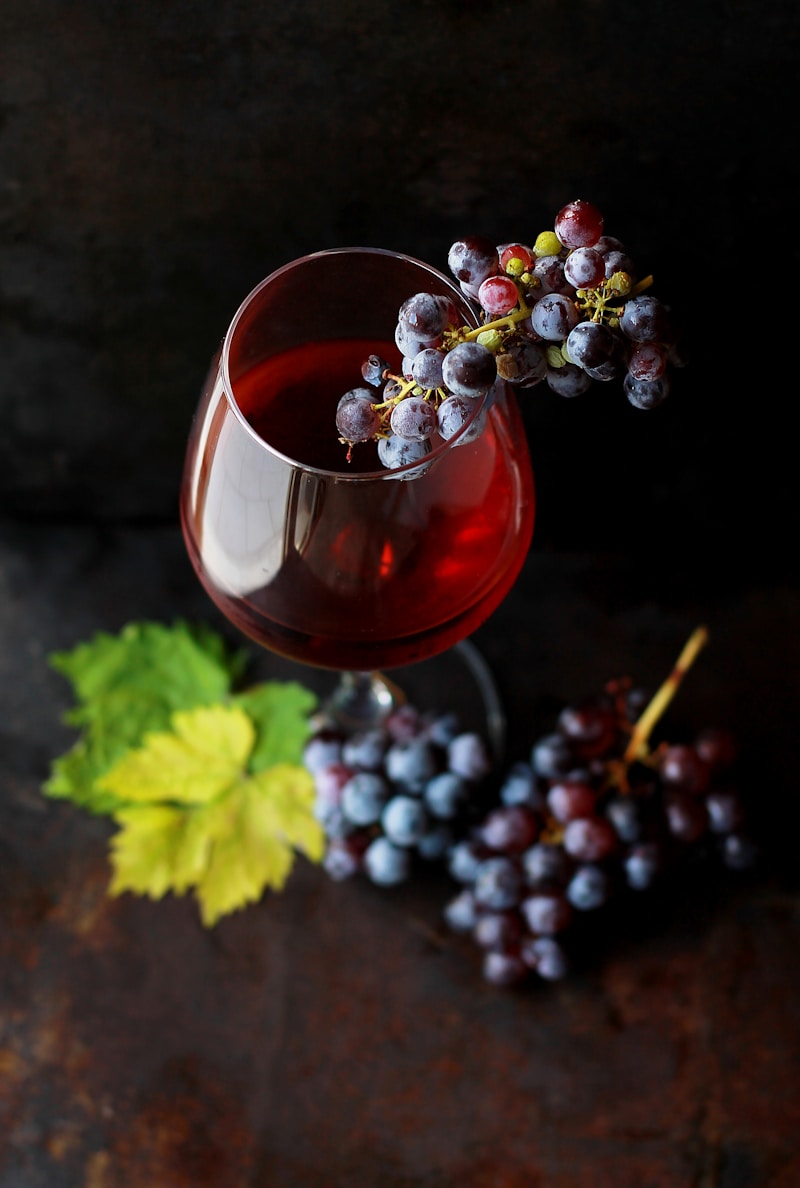
Blaufränkisch is like a late Danube sunset in the glass – deep dark with a violet shimmer, as if the night had already quietly knocked at the door. On the nose, ripe Morello cherries and blackberries dance alongside blackcurrants and a hint of black pepper, accompanied by forest berries, forest floor, herbs and a veil of cool woodland air. On the palate it shows backbone: juicy, firm acidity, a medium body and finely woven tannins that feel like a firm, honest handshake. In every sip it carries the soul of Burgenland within – this quiet, expansive landscape between lake, hills and pannonian winds.
Blaufränkisch is not an easy, crowd‑pleasing all‑rounder. It is a wine of character. It demands attention, but rewards you with nuances, depth and a surprising elegance that constantly calls for another sip. If you open yourself to it, you don’t just discover a grape variety – you discover a piece of Austrian identity.
---
1. The globetrotter in the glass: Where Blaufränkisch feels at home
Although we now find Blaufränkisch in Germany, Hungary and even in the USA, its heart beats unmistakably in the east of Austria, in and around Burgenland. And yet, from region to region it shows itself like a chameleon – always Blaufränkisch, but with its own accent.
Mittelburgenland – pure “Blaufränkischland”
Mittelburgenland is something like the capital of Blaufränkisch, often lovingly called “Blaufränkischland”. The soils here are shaped by clay, loess and patches of loam, the climate is warm but not overheated – ideal conditions for slow, even ripening.
The style: powerful, dense, with dark fruit. You’ll find ripe Morello cherries, blackberries, blackcurrants, plenty of black pepper and fine herbal spice. The wines are structured, with clear, fresh acidity and prominent but ripe tannins. Aged in wooden casks, they develop impressive depth and ageing potential. If you want to understand what Blaufränkisch can achieve as a serious red wine, this is where to begin.
Südburgenland – the cool, wild soul of Eisenberg
Further south, on the Eisenberg, Blaufränkisch encounters a different world: slate- and iron‑rich soils, cool winds, rugged beauty. Here, wines are born that virtually taste of earth and stone.
The style: more elegant, cooler, more mineral. The fruit often appears somewhat lighter, the Morello cherry more clearly defined, forest berries, plus a hint of forest floor, damp earth, sometimes almost smoky. The acidity is lively, the tannins fine‑grained and firm. A Blaufränkisch from Südburgenland whispers rather than shouts – but you won’t forget its voice.
Leithaberg – between limestone, lake and mirages
On the western shore of Neusiedlersee, on Leithaberg, Blaufränkisch grows on limestone- and slate‑influenced soils. The lake acts like a large heat reservoir, softening the nights, while the hills bring cool air.
The style: elegant, almost Burgundian in character, with fine, cool fruit and pronounced spice. Morello cherry, currant, herbs, a touch of forest floor and often an almost salty minerality. The high acidity gives the wines a dancing freshness, the body remains medium, never heavy. Leithaberg Blaufränkisch is like a walk in the woods on a clear autumn day: fresh, fragrant, structured.
Carnuntum – between Roman history and pannonian power
Towards Vienna, in Carnuntum, Blaufränkisch reveals another facet. Here, pannonian warmth, Danube influences and a wide variety of soils from gravel to clay come together.
The style: usually somewhat more powerful, with riper, often darker fruit – blackberry, blackcurrant, ripe cherries – and a clearly perceptible spice. Black pepper, herbs, sometimes a hint of cocoa when oak is involved. The acidity remains present but feels rounder, the tannins are often supple. Perfect for those who love structure but don’t want to sacrifice drinkability.
Neusiedlersee-Hügelland – gentle hills and lake breeze
Around Neusiedlersee, in the so‑called Hügelland, Blaufränkisch finds a climate full of contrasts: hot days, cool nights, plenty of sunshine, but also the moderating influence of the lake.
The style: fruit‑driven, approachable but never simple. Juicy Morello cherry, blackberry, forest berries, paired with charming spice and fresh, animating acidity. Wines from the Hügelland are often ready to drink earlier, yet still show the typical Blaufränkisch structure. Here you’ll find many wines that make both newcomers and connoisseurs happy.
---
2. From purist to barrique poet: How maturation shapes character
Blaufränkisch is like a talented actor: it can take on many roles – from the purist wine matured in stainless steel to the complex, barrel‑aged character piece. The variety itself brings high acidity, clear fruit and firm tannin structure; the way it is matured determines how these traits come to the fore.
Stainless steel – pure, unadulterated fruit
In stainless steel, Blaufränkisch remains entirely itself. No oak interfering, no additional aromas. Here, the grape speaks directly.
In terms of taste, this means:
- Fruit at the forefront: Morello cherry, blackberry, blackcurrant, forest berries, often very clear and precise.
- Herbs and pepper: the typical black pepper and spicy notes stand out clearly.
- Acidity: present, lively, sometimes almost dancing – ideal for freshness and drinkability.
- Tannins: grippy, but finer than you might think, especially when extraction has been gentle.
Blaufränkisch from stainless steel is like a cool gust of wind on a warm day – refreshing, honest, unvarnished. Perfect for all who seek tension and vibrancy in the glass.
Wooden cask – depth, structure and velvety curves
In wood (from large, used casks to small barriques), Blaufränkisch unfolds its thoughtful, serious side. Oak can soften the tannins, broaden the aromas and give the wine more volume and ageing capacity.
Your palate will experience:
- Complexity: alongside Morello cherry and blackberry, you’ll often find notes of smoke, fine vanilla, tobacco or dark chocolate – depending on the type of oak and the toasting level.
- Structure: tannins feel riper, more polished, yet denser. The wine gains backbone and length.
- Development: notes of forest berries and forest floor intensify, the wine becomes earthier, more mature.
- Harmony: the high acidity is not reduced by the wood, but better integrated; the wine feels rounder without losing its freshness.
A Blaufränkisch matured in wood is like a campfire in a clear night: warm, deep, inviting – yet always with the cool air brushing your cheeks.
The art of the right maturation
Balance is key. Too much new oak can mask the precise fruit and fine herbal spice of Blaufränkisch. Large, neutral casks or discreet barrique use allow the variety to show its origin. The most beautiful Blaufränkisch wines unite both: the taut acidity and freshness of stainless steel with the texture, depth and calm of oak ageing.
---
3. Pairing recommendations: The perfect partner
Blaufränkisch is a wonderful food companion because it combines freshness, spice and structure. Its high acidity cuts through fat, its dark fruit and herbal spice flatter hearty, earthy flavours. Here are three pairings that come particularly close to its soul:
| Gericht | Wein-Stil | Warum es funktioniert |
|---------------------------------|------------------------------------|--------------------------------------------------------------------------------------|
| Geschmorte Rindsbackerl mit Wurzelgemüse | Holzfass-gereifter Blaufränkisch aus dem Mittelburgenland | Die dunkle Frucht, Pfefferwürze und die straffen, aber reifen Tannine umarmen das geschmorte Fleisch, während die Säure die Saftigkeit bewahrt und das Wurzelgemüse erdig spiegelt. |
| Wildragout (Hirsch oder Reh) mit Preiselbeeren | Blaufränkisch aus dem Südburgenland (Eisenberg), teils Holz | Die kühle, mineralische Art und Waldbeeren-Noten passen ideal zu Wild und Preiselbeeren; Waldboden- und Kräuteraromen greifen die herbstliche Würze des Ragouts auf. |
| Gegrilltes Gemüse & Kräuterpolenta | Fruchtbetonter, im Stahltank ausgebauter Blaufränkisch aus dem Neusiedlersee-Hügelland | Die frische Säure belebt das gegrillte Gemüse, während Pfeffer- und Kräuternoten das Kräuteraroma der Polenta aufnehmen; der mittlere Körper erschlägt das Gericht nicht. |
---
4. FAQ – 10 questions for Blaufränkisch lovers
❓ Is Blaufränkisch always dry?
Generally, yes. Blaufränkisch is predominantly made in a dry style because this best showcases its strengths – acidity, spice, structure. There are occasionally off‑dry or slightly sweet versions, but these are rare and usually clearly labelled.
❓ What is the ideal serving temperature for Blaufränkisch?
Ideally 15–17 °C. Too warm, and the alcohol comes to the fore and the freshness is lost; too cold, and the acidity is overly accentuated and the tannins feel harsh. If in doubt, take the bottle out of the cellar a little cooler and let it blossom in the glass.
❓ How long can a good Blaufränkisch age?
That depends heavily on the style of maturation. A simple, fruity Blaufränkisch from stainless steel is usually at its most charming in the first 3–5 years. High‑quality, oak‑matured Blaufränkisch from top sites – especially from Mittelburgenland, Eisenberg or Leithaberg – can age for 10 to 15 years, sometimes even longer, gaining in complexity.
❓ How does Blaufränkisch differ from Zweigelt?
Zweigelt is a crossing of Blaufränkisch and St. Laurent, and often shows softer tannins, lower acidity and a juicier, more straightforward cherry fruit. Blaufränkisch, by contrast, is edgier, more structured, with higher acidity and more pronounced spice (pepper, herbs, forest floor). It feels “more serious” and more terroir‑driven, while Zweigelt is often more accessible and fruit‑forward.
❓ Is Blaufränkisch a good choice for newcomers to red wine?
Yes – if you are curious about structure and freshness. A lighter, fruity Blaufränkisch from stainless steel is a wonderful introduction because it doesn’t overwhelm, yet shows noticeably more character than many easygoing reds. Those who enjoy powerful, structured wines will find much to discover in single‑vineyard, oak‑matured versions.
❓ Does Blaufränkisch pair well with vegetarian cuisine?
Absolutely. It pairs particularly well with mushroom dishes (risotto, sautéed porcini), grilled or braised vegetables, lentil dishes or herb polenta. Its forest‑floor and herbal notes pick up earthy and savoury aromas beautifully, while the acidity brings freshness.
❓ What kind of glass suits Blaufränkisch best?
A medium‑sized red wine glass with a gently rounded bowl is ideal – the kind of glass you might also use for Pinot Noir or other elegant, not overly powerful reds. It should offer enough space for the aromas of Morello cherry, blackberry and herbs to unfold without getting lost in an oversized “monster glass”.
❓ Do I need to decant Blaufränkisch?
Younger, fruity Blaufränkisch usually only need a few minutes of air in the glass. Powerful, oak‑matured single‑vineyard wines, however, benefit greatly from 1–2 hours in a decanter. The tannins become more supple, the fruit opens up, and the spicy, earthy nuances step forward.
❓ Is Blaufränkisch the same as Lemberger?
Yes and no. Blaufränkisch and Lemberger are genetically the same grape variety. In Germany it is usually called Lemberger (especially in Württemberg), in Austria Blaufränkisch. Stylistically, they can differ because climate, soils and winemaking approaches vary. A Lemberger from Württemberg often has a somewhat different fruit and spice profile than a Blaufränkisch from Burgenland, even though they share the same grape.
❓ Why do people talk so much about “terroir” with Blaufränkisch?
Because Blaufränkisch reacts to its origin like a seismograph. It absorbs soils, climate and the winemaker’s hand and reflects them vividly in the glass. Whether it’s limestone on Leithaberg, slate in Südburgenland or clay in Mittelburgenland – the differences are not merely academic; they are tangible in aroma and taste. If you want to understand terroir, Blaufränkisch is a patient, honest teacher.
---
Blaufränkisch is not a wine for haste. It is an invitation to slow down, to taste more attentively, to let yourself be moved. Perhaps one day you will sit with a glass of Blaufränkisch on a terrace in Burgenland, the wind brushing through the vines, the sun painting the sky in deep orange – and you realise: this is exactly what’s in the glass. The landscape, the evening, the silence. The quiet wildness.
And then you’ll know why this grape variety remains, long after others have been forgotten.