The Bull of the Castilian Valleys Tinta de Toro: Born from the Fire of the Plateau and the Longing in Your Glass
Tinta de Toro: wilder Tempranillo-Cousin aus Kastilien – dunkel, kraftvoll, ungezähmt und voller Sehnsucht im Glas.
The Bull of the Castilian Valleys Tinta de Toro: Born from the Fire of the Plateau and the Longing in Your Glass
---
Introduction
Dear wine lovers,
let’s travel together to a place where the wind tastes dusty, the sky is endless and the sun allows no shade: into the sparse, wild landscape of Castile, the homeland of Tinta de Toro. This grape variety is not a quiet wine for the sidelines – it’s a cry, a heartbeat, a dark melody that lingers in you long after the last sip.
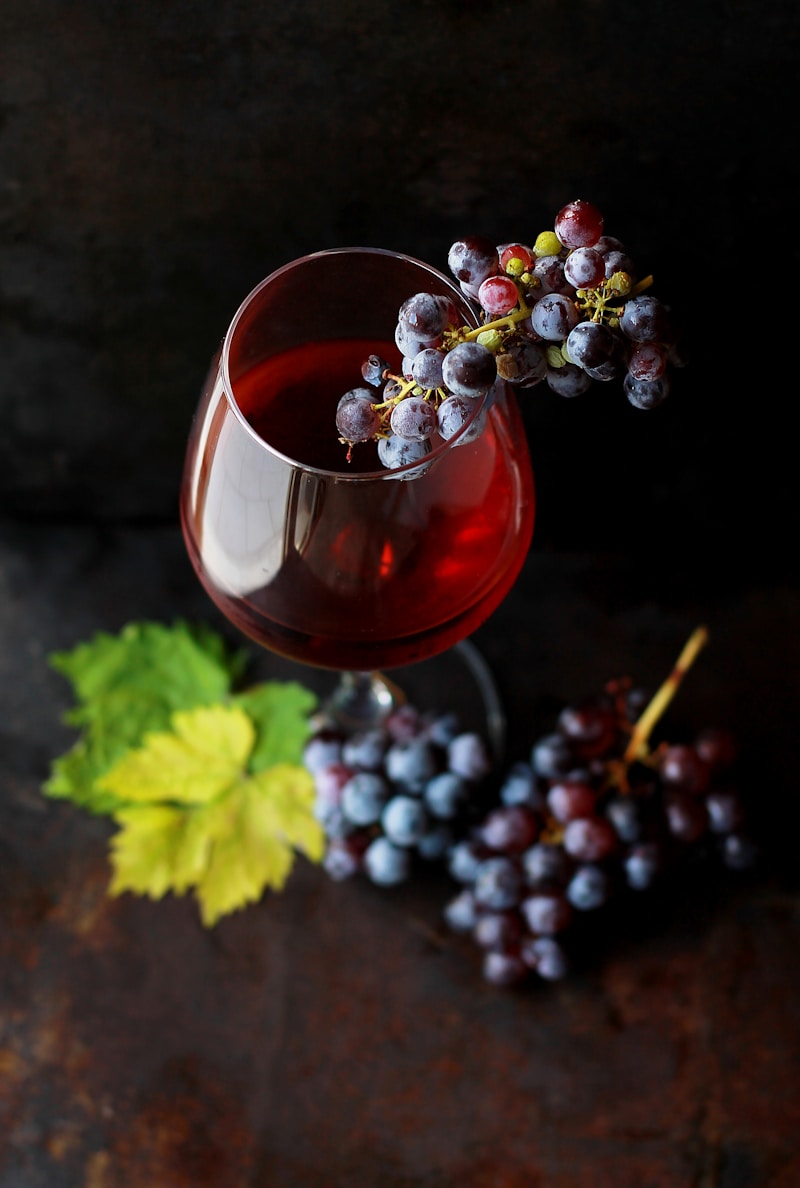
Tinta de Toro is the dark heartbeat of the Castilian plateau, born under a merciless sun. In the glass it glows like deep ruby velvet with purple rims, dense as the night over the Duero. On the nose it is a wild composition of black cherry, blackberry, plum and fig, wrapped in licorice, violets and spicy herbs like those that grow along the paths in the poor soils of the Meseta. On the palate it burns like a flamenco step – powerful, muscular, with smoky nuances and a hint of sweet spices that tell you where it comes from: from a land that doesn’t tame its wines, but unleashes them.
What makes this grape variety so special? It is Tinto Fino, Tempranillo – and yet something entirely different. A wild cousin, shaped by heat, wind and stony soils. Tinta de Toro is the rougher, darker, more concentrated side of the well‑known Spanish grape. Here you won’t find easy harmony to please every palate, but character, edges, corners – and an almost archaic intensity that will either repel you or captivate you forever. If you’re ready to surrender to it, it rewards you with moments that taste like a long summer evening in Castile: deep, warm, unforgettable.
---
1. The Globetrotter in the Glass: Where Tinta de Toro Makes Its Home
Even though Tinta de Toro is rooted above all in one region, it wears different faces – depending on soil, altitude and the winemaker’s style. Let’s look at its most important stages.
D.O. Toro – The Original Homeland: Pure Power and Sun
Toro, located west of Valladolid on the Duero river, is the epicenter of Tinta de Toro. Here, at 600–750 meters above sea level, the climate is extremely continental: scorching hot summers, icy winters, little rainfall. The soils are often sandy, gravelly, with clay and limestone – poor, but perfectly drained.
In Toro, Tinta de Toro shows itself in perhaps its most unadulterated form:
full‑bodied, dark, with an almost inky density. Black cherry and blackberry dominate, joined by plum and fig, underlaid by earthy, slightly dusty notes that recall the old vineyards. The tannins are pronounced, but – with good vinification – polished like leather that has seen many years of use. Toro wines are wines for fire, for lamb on the bone, for conversations deep into the night.
Castilla y León – The Wide Plateau: Variations of Power
The wider region of Castilla y León, the great Castilian plateau, is the geographical and emotional rooftop of Tinta de Toro. Here the variety is found in various micro‑regions, often side by side with other Tempranillo variants.
Outside of D.O. Toro, the wines are often a touch more accessible, a little less brutal, but still intense. The fruit appears somewhat brighter – more red than purely black cherry – and the acidity can feel more refreshing. The spicy‑herbal notes step forward: rosemary, thyme, a hint of bay leaf. These wines are ideal ambassadors for anyone who wants to approach the Toro style without heading straight into the eye of the storm.
Province of Zamora – Old Vines, Deep Soul
Zamora, historically closely linked with Toro, is a treasure chest of old Tinta‑de‑Toro vineyards. Many vines are over 50, some 80 or more years old. Yields are low, the berries small, the concentration enormous.
Stylistically, the wines from Zamora are often particularly profound: black cherry, blackberry and plum in a dense, velvety‑seeming texture; plus violet aromas and licorice, often with a subtle smokiness, as if from a far‑off fireplace. The wines show power, but also an almost meditative calm – ideal wines for long bottle aging.
Province of Valladolid – Finesse in the Shadow of Big Names
Valladolid is better known to many wine lovers for Rueda, Ribera del Duero or Cigales. But even here, mostly off the beaten appellation track, Tinta de Toro finds its place.
Thanks to higher altitudes and cooler nights, the wines often feel somewhat more elegant, with medium‑bodied to full‑bodied structure, but clearly delineated fruit. Blackberry and black cherry are at the forefront, accompanied by fresh acidity and finer, more precise tannins. Here you’ll find wines that marry the power of the variety with an almost Burgundian precision – ideal for those who love structure and freshness as much as depth.
---
2. From Steel Dance to Baritone in Barrique: How Maturation Tames the Bull
By nature, Tinta de Toro is a powerful, concentrated grape variety. Like a young bull, it needs guidance – and that guidance is the élevage. Whether in stainless steel tank or wooden barrel: the choice of vessel decides whether you experience the fruit in all its wildness or a mature, complex, almost majestic version in your glass.
Maturation in Stainless Steel – Pure, Unadorned Fruit
In stainless steel, Tinta de Toro remains naked, unmasked, immediate. Steel imparts no aroma; it’s simply a stage – and the grape plays on it at full volume.
- Aromas: Dominant black cherry, blackberry and plum, often accompanied by a hint of fig. The spicy‑herbal notes feel fresh: thyme, rosemary, a touch of violet.
- Structure: Full‑bodied, but more direct, straightforward. The tannins show more prominently and more angular, the acidity is medium‑fresh and invigorating.
- Style: Young, juicy, powerful. Wines that cry out for barbecues, tapas and hearty dishes without much fuss.
Tinta de Toro wines matured in stainless steel are perfect for early drinking and give you the unfiltered, wild character of the variety.
Maturation in Wood – From a Shout to a Whisper in Many Layers
In wooden barrels, Tinta de Toro begins to tell its story – more slowly, more deeply, more complexly. Barriques (small oak barrels) or larger wooden casks introduce oxygen, soften tannins and add their own aromatic layers.
- Aromas: To the dark fruit (black cherry, blackberry, fig) are added notes of vanilla, cocoa, coffee, cedar wood, sometimes tobacco and smoke. The licorice note becomes more complex, feels deeper and darker. Sweet spices – cinnamon, clove, nutmeg – come into play without smothering the fruit.
- Structure: Still full‑bodied, but creamier, more supple. The tannins become finer‑grained, the texture feels like velvet that has been allowed to age for many years.
- Style: Contemplative, complex, cellar‑worthy. These are wines for the laid table, for braised dishes, for quiet evenings when time doesn’t matter.
The art of barrel aging lies in not drowning out the imposing nature of Tinta de Toro. The best winemakers let the wood act like a soft, harmonious orchestra that sets the solo voice of the grape on stage – not the other way around.
---
3. Pairing Recommendations: The Perfect Partner
Tinta de Toro is a wine that calls for real food – for dishes with texture, roasted flavors, depth. Here are a few suggestions for how you can tame it in the kitchen and make it shine:
| Dish | Wine Style | Why It Works |
|-------------------------------------|-------------------------------------|-------------------------------------------------------------------------------|
| Braised lamb shank with rosemary potatoes | Barrel‑aged, mature | The richness and spice of the lamb meet dark fruit and spice notes – tannins soften, herbal aromas meld harmoniously. |
| Grilled rib‑eye steak with coarse sea salt | Young, in stainless steel or briefly in wood | Fat and roasted notes of the steak cushion the firm tannins, the juicy fruit of the wine underscores the flavor of the meat. |
| Aged Manchego with chorizo & olives | Medium‑aged barrel‑matured wine | Salt, fat and heat find their counterpoint in the full‑bodied, fruity‑spicy profile; herbal and licorice notes complement the Mediterranean aromas. |
---
4. FAQ – 10 Questions for Tinta de Toro Lovers
❓ 1. Is Tinta de Toro the same as Tempranillo?
Tinta de Toro is a local variant of Tempranillo, genetically related, but shaped into its own character by the climate and soils around Toro. The berries are often smaller, the skins thicker, which leads to more color, tannin and concentration. In the glass, Tinta de Toro usually appears more powerful, darker and more intense than many classic Tempranillo wines.
---
❓ 2. What does Tinta de Toro typically taste like?
You can look forward to dark, ripe fruit: black cherry, blackberry, plum and fig are the main actors. Added to this are notes of licorice, violets, spicy herbs and – depending on the maturation – vanilla, cocoa, smoke and sweet spices. The body is full, the acidity medium, the tannins clearly noticeable but, in good wines, finely structured.
---
❓ 3. Who is Tinta de Toro suitable for?
For you if you’re not afraid of intense, structured wines. If you love Ribera del Duero, powerful Rhône wines or Argentine Malbec, you’ll quickly feel at home with Tinta de Toro. For lovers of light, delicate reds it is more of a challenge – or an invitation to step outside the comfort zone.
---
❓ 4. How long can I age Tinta de Toro?
Many simpler versions matured in stainless steel are meant to be enjoyed within the first 3–5 years. Barrel‑aged, concentrated wines – especially from old vines – can easily age 8–15 years, top examples even longer. Over time the tannins soften, the fruit develops dried notes (fig, date), and spice and leather tones become more pronounced.
---
❓ 5. What is the ideal serving temperature?
For Tinta de Toro, 16–18 °C is ideal. If it’s too warm, the alcohol quickly comes to the fore and overwhelms the finesse; if it’s too cold, the tannins become harsh and the fruit seems dull. If a bottle is too warm, place it in a cooler room for 20–30 minutes or briefly in a wine cooler to bring it to temperature.
---
❓ 6. Do I need to decant Tinta de Toro?
It’s highly recommended. Young wines benefit enormously from 1–2 hours in a decanter: tannins soften, the fruit opens up, spicy and floral notes become more apparent. For older vintages (10+ years) you should decant carefully to keep the sediment in the bottle and give them 30–60 minutes of air.
---
❓ 7. Does Tinta de Toro also pair with vegetarian dishes?
Yes, as long as the dishes have enough depth and “bite”. Ratatouille with Mediterranean herbs, baked aubergines with tomato and cheese, lentil stews or grilled vegetables with halloumi are wonderful partners. What matters are roasted flavors, herbs and a certain richness so the wine doesn’t feel “too big”.
---
❓ 8. How do I recognize a good Tinta de Toro in retail?
Look out for the following:
- Origin indications such as “D.O. Toro” or regions in Castilla y León, Zamora, Valladolid.
- References to old vines (“viñas viejas”, “old vines”) – often a sign of quality.
- Serious producers focused on low yields and careful maturation.
Let yourself be guided by specialist merchants as well: Tinta de Toro is still an insider tip, and good merchants often stock small, characterful producers.
---
❓ 9. Is Tinta de Toro always heavy and high in alcohol?
It tends toward higher alcohol levels due to the hot climate, often 14–15% vol. But a well‑made wine never feels “fiery”. Balance is crucial: enough fruit, acidity and tannin to carry the alcohol. Increasingly, there are winemakers who harvest earlier or use cooler sites to create fresher, slightly lighter interpretations.
---
❓ 10. What distinguishes Tinta de Toro from Ribera‑del‑Duero Tempranillo?
Ribera del Duero often shows a mix of power and elegance, with a somewhat cooler impression thanks to higher altitudes and different soil types. Tinta de Toro, on the other hand, is earthier, darker, more rustic – in the best sense. More black cherry and blackberry, more fig and licorice, less red fruit. Ribera is the elegant dancer in a tuxedo, Tinta de Toro the flamenco dancer in dust and sun: both fascinating, but with completely different charisma.
---
Next time you open a bottle of Tinta de Toro, think of the meager soils of the Castilian plateau, the glaring sun over the Duero, the wind blowing through rows of old vines. You’re not just drinking wine – you’re drinking a landscape, a story, a temperament. And perhaps you’ll discover a piece of yourself in it as well.