The Shadow Ink Tinta Barroca: A Purple Current from the Heart of the Douro
A passionate journey to Tinta Barroca – the quiet, deep-purple soul of the Douro, zwischen Schieferterrassen, Sonne und Flussnebel.
The Shadow Ink Tinta Barroca: A Purple Current from the Heart of the Douro
Dear wine lovers,
come with me to a place where the river shimmers like liquid metal, where slate terraces climb into the sky and the sun knows no mercy. There, in the Douro valley, a grape variety has been quietly and steadfastly writing the story of Portuguese wine for centuries: Tinta Barroca.
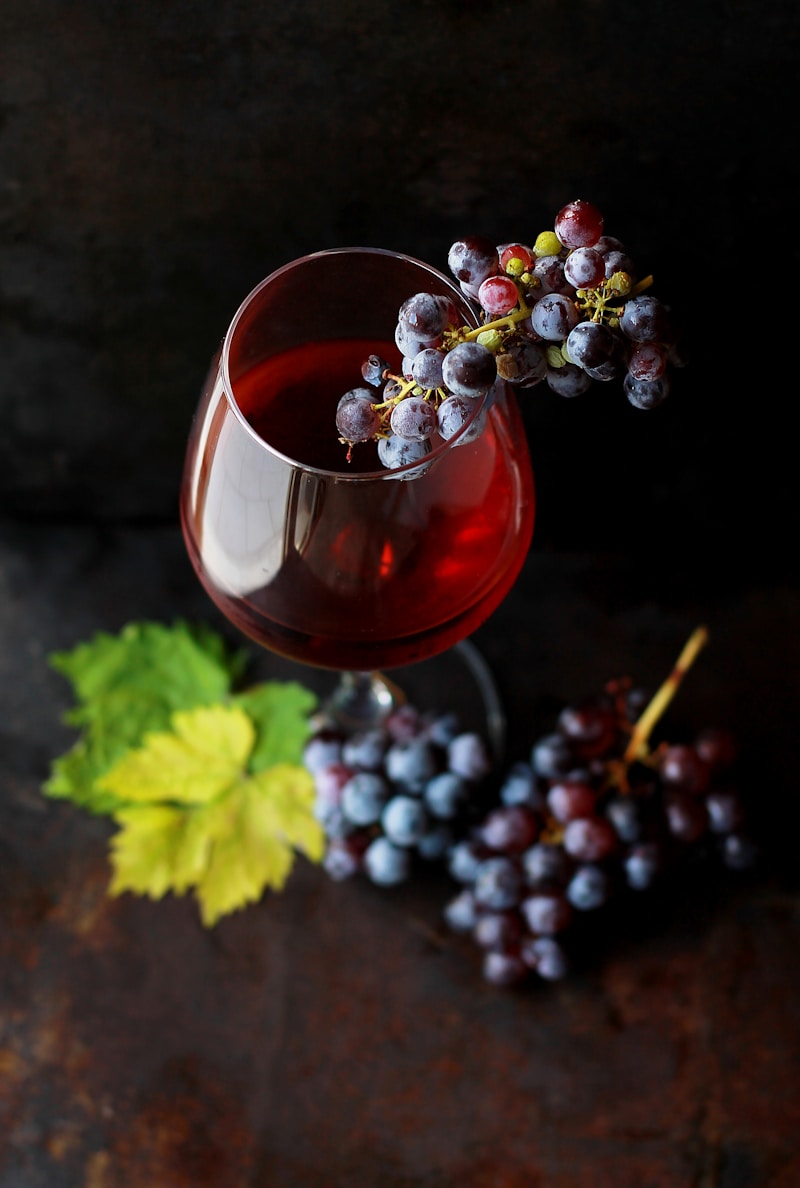
It is the deep purple vein that runs through the heart of the Douro – a wine like the shadow of the slate terraces in the last glow of the day. In the glass it shines dark ruby red with a hint of garnet, as if it carried within it all the summers that never forgot how to burn. On the nose: dark, warm fruit – black plum, ripe cherry, fig, dried berries – joined by cocoa, warm spices and an earthy minerality that tastes of hot stone and cool night.
Tinta Barroca is not a loud grape variety. It whispers instead of shouting. But whoever listens to it will find something deep and soothing – like a familiar song you haven’t heard in a long time. It combines a powerful, full-bodied frame with medium, caressing acidity and a warmth that seems to come not only from alcohol, but from soul as well. In every sip there is Portugal: the light, the toil of the winegrowers, the old vines clinging to the slate, and the patience with which wine is conceived here – not in years, but in generations.
---
1. The Globetrotter in the Glass: Where Tinta Barroca Calls Home
Even though Tinta Barroca has long been explored in different corners of the wine world, its heart remains Portuguese. Its true origin, its innermost home lies in the Douro and its adjacent regions.
Douro – The Grand Stage
The Douro is the epicentre of Tinta Barroca, especially when it comes to Port wines. Here the variety shows its full abundance:
- Style: dark, powerful, opulent, with dense black fruit and a soft texture
- Character: black plum, ripe cherry, fig, dried berries, plus cocoa, warm spices such as cinnamon and nutmeg and a subtle, earthy note
- Mouthfeel: full-bodied yet surprisingly smooth – like a velvet curtain draping itself over the palate
In the Douro, Tinta Barroca is an important building block in blends – both for Port and for dry reds. Its strength: it brings volume, warmth and that inimitable dark fruit without becoming clumsy or harsh.
Cima Corgo – The Heartland of Elegance
The Cima Corgo is something like the core of the Douro, where many of the most famous Quintas are found. The vines grow on steep slate terraces that store heat during the day and release it at night.
- Style: concentrated yet more balanced; less rustic, more refined in expression
- Character: dark cherry, black plum, dried raspberry, with subtle notes of cocoa and herbs
- Special feature: a pleasant tension between lush fruit and vibrant minerality
Tinta Barroca from Cima Corgo often appears a little more “polished” – ideal for ambitious dry reds that offer both structure and sheer drinking pleasure.
Baixo Corgo – The Gentler Side
Further upriver, yet closer to the Atlantic influence, lies Baixo Corgo. It is a bit cooler and more humid here, ripening tends to be more moderate.
- Style: more fruit-driven, slightly lower in alcohol, more approachable in its youth
- Character: ripe cherry, juicy plum, dried red berries, plus a fresh, almost playful spiciness
- Mouthfeel: softer, rounder, with medium body – ideal for early-drinking, charming wines
From Baixo Corgo come Tinta-Barroca wines that you don’t need to hide away for long. They want to be shared as soon as they leave the bottle – uncomplicated yet full of character.
Douro Superior – The Wild Heat
Douro Superior is more remote, drier, warmer – a rough, untamed landscape. Tinta Barroca feels at home here if handled with care.
- Style: powerful, concentrated, with very ripe grapes
- Character: black plum, prunes, fig, dried blackberry, lots of cocoa and dark, warm spices
- Special feature: often higher alcohol levels, a hefty, almost muscular presence
Here Tinta Barroca can become truly impressive – ideal for robust blends that are meant to age for a long time, or for intense, dry reds with great force and depth.
Trás-os-Montes – The Quiet Sister
North of the Douro, in Trás-os-Montes, Tinta Barroca shows a slightly different face. The climate is more continental, and higher altitudes bring cooler nights.
- Style: a bit firmer, cooler in its aromatics, not quite as opulent
- Character: dark cherry, damson, more fresh than dried berries, plus a noticeable earthiness and stony spice
- Mouthfeel: full-bodied, but with more structure and sometimes slightly more robust tannins
These wines can be outstanding food companions – less for solitary indulgence, but all the more fascinating at the table.
---
2. Between Steel and Slate: How Maturation Shapes Character
Tinta Barroca is like an actor who reveals new facets on different stages. Two textures shape its performance in the glass in particular: ageing in stainless steel and in wooden barrels.
Stainless Steel – Clear, Unadorned Fruit
In stainless steel, Tinta Barroca remains utterly pure. No wood pushing to the foreground, no vanilla, no toast – just fruit, spice and minerality.
- Aromatics: black plum, ripe cherry, fresh plum compote, dried berries; the earthy minerality comes through more clearly
- Texture: juicier, straighter, with medium acidity that revitalises without being sharp
- Impression: authentic, close to the grape, sometimes almost youthful and cheerful despite the dark colour
Stainless-steel ageing is particularly suitable for wines intended to be drunk young – as varietal Tinta Barroca or as fruit-driven blends. You get an unfiltered picture of what this grape is before time and oak put their brushes to work.
Wooden Barrel – The Warm Embrace of the Douro
In wooden barrels, Tinta Barroca unfolds another dimension. Its nature of dark fruit and cocoa seems made for a dance with oak.
- Aromatics: to the fruit are added notes of dark chocolate, coffee, vanilla, cedarwood, tobacco and occasionally a hint of leather
- Texture: rounder, creamier, with more finely polished tannins; the wine feels deeper and more complex
- Impression: sensual, multi-layered, with a long finish – a wine to lose yourself in
Especially in Port, barrel ageing is the great narrative instrument. Tinta Barroca brings sweet, dark fruit and richness; the cask adds maturity, spice and time. In dry reds, too, this creates complex, ageworthy wines that reveal their full charm only after a few years.
The Difference in the Glass
- Steel:
- emphasises freshness and fruit
- feels more direct, straightforward
- ideal with uncomplicated, hearty dishes or as a convivial table wine
- Wood:
- emphasises depth, spice, cocoa and chocolate notes
- feels more complex, mature, contemplative
- ideal with robust dishes, dark meat, game and aged cheese
Both paths are legitimate readings of the same grape – like two variations on the same musical theme.
---
3. Pairing Recommendations: The Perfect Partner
Tinta Barroca is a born food companion: full-bodied, warm, with dark fruit and yet enough acidity to keep things lively. Here are a few ideas for putting it deliciously in the spotlight:
| Gericht | Wein-Stil | Warum es funktioniert |
|--------|-----------|------------------------|
| Geschmorte Lammhaxe mit Rosmarin, Thymian und Wurzelgemüse | Im Holzfass gereifter, trockener Tinta Barroca aus dem Douro oder Douro Superior | Die vollmundige Struktur und die dunkle Frucht umschmeicheln das zarte, aromatische Lamm, während Kakao- und Gewürznoten die Kräuter aufgreifen. Die mittlere Säure sorgt dafür, dass das Gericht nicht schwer wirkt. |
| Portugiesischer „Feijoada“-Eintopf (Bohnen, Wurst, Schweinefleisch) | Fruchtbetonter Tinta Barroca aus dem Stahltank oder aus dem Baixo Corgo | Die saftige, dunkle Frucht und der runde Körper passen ideal zu den herzhaften, leicht fettigen Komponenten des Eintopfs. Die erdige Mineralität harmoniert wunderbar mit den Bohnen und der würzigen Wurst. |
| Dunkler Schokoladenkuchen (70–75 % Kakao), eventuell mit einem Hauch Meersalz | Süßer Tinta-Barroca-lastiger Portwein oder eine restsüße Cuvée | Die Kakao- und Schokoladennoten des Weins spiegeln die Bitterschokolade, während die Süße des Weins die Bitterkeit abfedert. Die dunkle Frucht fügt eine fruchtige Dimension hinzu, Meersalz intensiviert die Aromen auf beiden Seiten. |
---
4. FAQ – 10 Questions for Tinta Barroca Lovers
❓ 1. Is Tinta Barroca a grape for beginners or for connoisseurs?
Tinta Barroca can be both. In fruit-driven wines made for early drinking it is very accessible and straightforward – perfect for the curious who want to discover Portugal. In complex, oak-aged blends or high-quality Ports it shows a depth and complexity that captivates even seasoned wine lovers.
❓ 2. What does Tinta Barroca typically taste like?
Expect dark, ripe fruit such as black plum, ripe cherry, fig and dried berries, accompanied by cocoa, warm spices and an earthy minerality. On the palate it is full-bodied, soft and warm, with medium, well-integrated acidity.
❓ 3. Is Tinta Barroca always sweet because it’s often used in Port?
No. While Tinta Barroca is an important Port variety, it can just as well be vinified into dry reds. The sweetness in Port comes from stopping fermentation through the addition of alcohol, not from the grape itself.
❓ 4. Can you drink Tinta Barroca as a varietal wine?
Yes, even though it has traditionally been used mostly in blends. Varietal Tinta-Barroca wines express its character very clearly: opulent dark fruit, soft texture, pleasantly warming. Such wines are more common among smaller, experimental producers.
❓ 5. What is the ideal serving temperature for Tinta Barroca?
For dry reds: around 16–18 °C. Served a little cooler, structure and fruit appear fresher. For Ports based on Tinta-Barroca blends: Ruby or LBV Port at 14–16 °C, mature Tawny Ports at 12–14 °C.
❓ 6. How long can you age Tinta-Barroca wines?
That depends greatly on the style.
- Fruity wines aged in stainless steel: usually 3–5 years.
- Well-structured, oak-aged blends: easily 8–12 years, top wines even longer.
- Tinta-Barroca-based Ports (e.g. Vintage Ports): decades, if well stored.
❓ 7. How do I recognise Tinta Barroca on the label?
It’s often not mentioned explicitly, as it’s part of a blend. Look for Portuguese wines from Douro or Trás-os-Montes and read the grape varieties on the back label. Some producers now highlight Tinta Barroca deliberately to showcase its individuality.
❓ 8. Does Tinta Barroca also work with vegetarian or vegan dishes?
Yes, very well. Especially with mushroom dishes, lentil stews, baked aubergine, ratatouille or grilled vegetables with herbs. Its earthy minerality and warm spice notes harmonise beautifully with umami and roasted aromas.
❓ 9. Is Tinta Barroca a “heavy” wine?
It is full-bodied and often relatively high in alcohol, especially from warm areas such as Douro Superior. At the same time, medium acidity and usually soft tannins make it surprisingly easy to drink. You feel richness and warmth, but it rarely comes across as edgy or aggressive.
❓ 10. Why should I seek out Tinta Barroca with so many other well-known grapes around?
Because Tinta Barroca tells a story you will never quite hear from Cabernet or Merlot. It is deeply rooted in one of the world’s most impressive wine landscapes. In it you taste the slate, the heat, the morning river mists, the hands of people who have worked the same vines for generations. It is no global superstar – and that is exactly what makes it so enticing: an invitation to step off the beaten track and discover something that may touch you quietly, but lastingly.
Next time you hold a glass from the Douro in your hand, take a moment. Perhaps Tinta Barroca is hidden inside – like a dark ink, softly writing its stories across your palate.