The Ink of the Douro – Tinta Roriz: A Red Wine Like a Poem Written in Darkness and Ember
Tinta Roriz – Portuguese Tempranillo – erzählt von dunkler Frucht, Kräutern, Kakao und Wärme: ein Wein wie ein geschriebenes Gedicht aus Douro, Dão & Alentejo.
The Ink of the Douro – Tinta Roriz: A Red Wine Like a Poem Written in Darkness and Ember
Dear wine lovers,
there are grape varieties you simply drink – and those you read, smell, and hear. Tinta Roriz belongs to the second kind. It is not just a wine, it is a voice: dark in tone, smoky at the edge, warm at the core. A wine that sounds like a deep cello in the evening light of a Portuguese late summer.
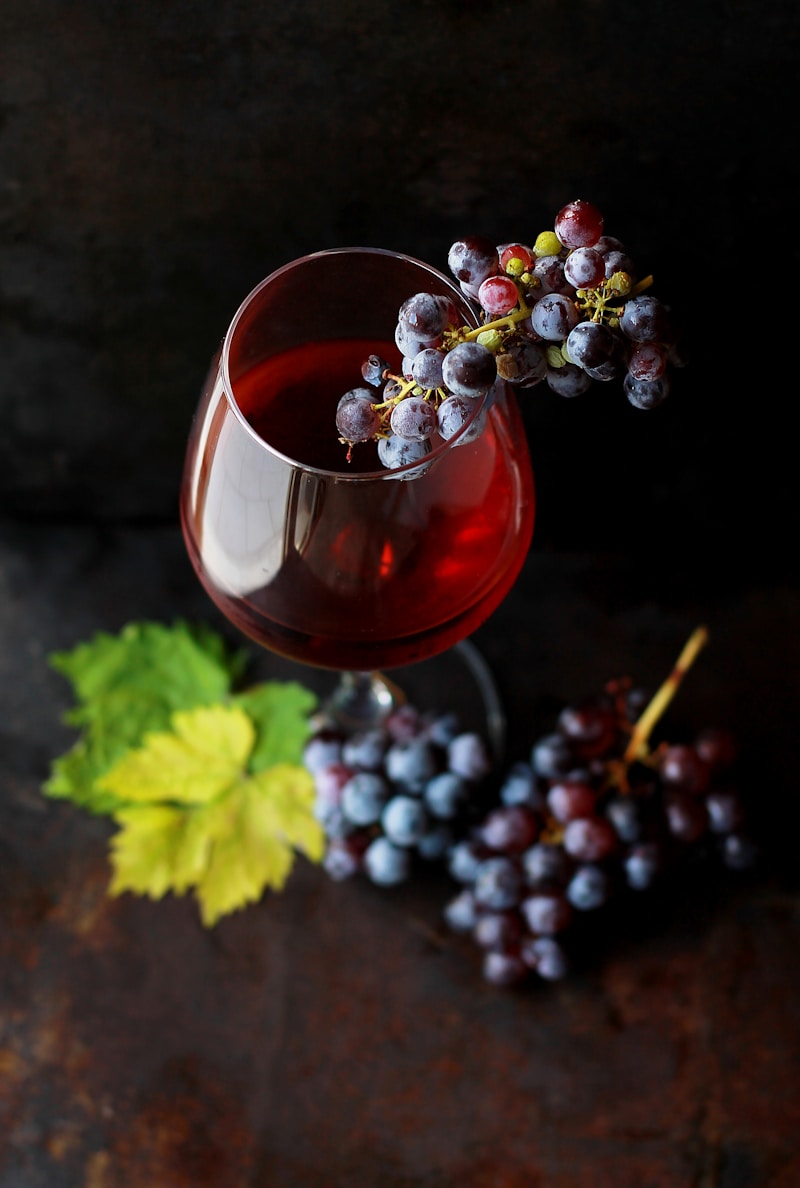
Tinta Roriz is the dark handwriting of the Douro slopes, inky-black in its depths, with a ruby shimmer like the embers of a fading summer evening. On the nose, the grapes carry the warmth of ripe black cherries, juicy blackberries, and sun-dried herbs. Added to this are fine notes of cocoa, a hint of pepper, a smoky, savoury-veggie note, sometimes a touch of tobacco – like the air in old cellars where time doesn’t pass, but gathers.
On the palate, Tinta Roriz shows itself full-bodied, structured, and determined, yet never coarse. It is the wine of a person who first stands in the doorway with folded arms – and then, once trust is there, opens their heart wide. Layer by layer it reveals spice, earth, dark fruit, and a long, dry finish. A wine for moments when you don’t just want to drink, but linger.
1. The Globetrotter in the Glass: Where Tinta Roriz Feels at Home
Tinta Roriz is a traveller with many names. Internationally, it is best known as Tempranillo, but here it should shine in its Portuguese identity – as Tinta Roriz, child of steep slopes and warm winds.
Douro – the original homeland of the dark ink
In the Douro, this dramatically terraced river landscape, Tinta Roriz perhaps shows its truest face. The poor schist soils store heat by day and release it at night. The vines root deep, struggle for water – and in return grant us a concentration that seems almost unreal.
Here, Tinta Roriz is dense, powerful, and serious: black cherry, blackberry, plum, plus pepper, dried herbs, cocoa, and sometimes a tobacco-like note. In the Douro it is often a key component of great blends, both in Port and in dry red wines. But as a varietal wine it shows impressively how taut, profound, and yet warm-hearted this grape variety can be.
Dão – the finer, cooler side
In Dão, surrounded by mountains that bring cool winds and diurnal shifts, Tinta Roriz unfolds a more elegant side. The wines are often a little fresher here, with medium acidity, less rustic and geared more towards finesse.
The fruit appears brighter, more vivid: black cherry and plum remain, but the herbal notes become finer, more floral, the cocoa and spice impressions feel like delicate brushstrokes rather than bold strokes of ink. Dão Tinta Roriz is the finely drawn novel compared to the epic of the Douro.
Alentejo – under the sun of the south
In Alentejo, this vast, sun-drenched region with its cork oaks and endless horizons, Tinta Roriz becomes a wine of warmth and abundance. Here, powerful, sometimes opulent reds are born that do not hide their muscles.
The fruit is ripe to jammy: dark plum, blackberry, black cherry, framed by sweeter spice notes, cocoa, and often a distinct touch of vanilla when oak is involved. The tannins are ripe, velvety, sometimes almost creamy. This is Tinta Roriz as a campfire wine: loud, laughing, full of stories that last deep into the night.
Trás-os-Montes – the wild, original note
In Trás-os-Montes, north of the Douro, Tinta Roriz shows a more untamed side. The climate can be harsher, the soils varied – granite, schist, sand. The wines often combine a firm structure with a distinctive, slightly wild aromatic profile.
Here you sense pepper, dried herbs, sometimes even a subtly animal, savoury-veggie nuance, embedded in dark fruit. These are wines with edges of character, not smoothly polished charmers, but personalities you either get to know – or reject. Those who understand them, fall in love.
Lisboa – the maritime touch
Around Lisboa, with the influence of the Atlantic, Tinta Roriz gains a cooler, fresher dimension. Here, the wines are often somewhat lower in alcohol, with medium acidity and a hint of sea breeze in their character.
The dark fruit remains, but pepper and dried herbs come to the fore more clearly, the structure feels more taut, the body still full, but controlled. Tinta Roriz from Lisboa can be a wonderful table wine that pairs with many dishes while keeping its dark, spicy soul.
2. Barrel, Steel & Time: How Maturation Shapes the Character
Tinta Roriz is like a multi-layered manuscript: the maturation decides how the story is read. Stainless steel tank and oak barrel are like two different translators of the same poetry.
In stainless steel – the unveiled fruit
Raised in stainless steel, Tinta Roriz shows its naked face. No oak, no curtain of vanilla, no toasty notes pushing to the front. Dark fruit – black cherry, blackberry, plum – takes centre stage. Pepper and dried herbs stand out clearly, the savoury-veggie note can be more pronounced, the texture feels more direct, more linear.
Such wines are usually approachable earlier, feel fresher, more youthful, sometimes almost impetuous. Perfect when you want to experience the pulsing, unadulterated character of the grape variety: full-bodied, medium acidity, clear tannin structure, but without the gently polishing hand of oak.
In oak – when cocoa, tobacco and spice awaken
In oak – whether in large foudres or smaller barrique-like barrels – Tinta Roriz starts to whisper rather than shout. The tannins are rounded, the texture becomes smoother, the aromas more complex.
Cocoa notes become more distinct, vanilla and toasty nuances appear, along with tobacco, cedar, sometimes a hint of smokiness. The dark fruit remains but changes its expression: fresh black cherry becomes more like cherry liqueur, blackberry turns into dark berry preserve, dried herbs into the finest spice.
Oak-aged Tinta Roriz is the perfect wine for moments when you want to stop time: a glass that evolves over the course of the evening, revealing new details layer by layer and inviting you to read each sip like another verse.
The decisive difference in the glass
- Stainless steel: pronounced fruit, clear pepper, earthy savoury-veggie notes, firmer tannins, often fresher on the palate, ideal with rustic dishes and for those who value authenticity over opulence.
- Oak: more complex, mature aromas, softer tannins, cocoa, tobacco, sweet spices, more depth and length, wonderful with rich dishes and for moments of pleasure when time becomes secondary.
3. Pairing Recommendations: The Perfect Partner
Tinta Roriz is a wine that loves company. It seeks dishes that neither overpower nor disappear, but dance with it as equals. Its full structure, dark fruit, herbal spice, and touch of cocoa make it a dream partner for hearty, savoury cuisine.
| Dish | Wine style | Why it works |
|--------|-----------|------------------------|
| Braised leg of lamb with rosemary and garlic | Oak-aged, full-bodied Tinta Roriz from Douro or Alentejo | The powerful dark fruit and the spicy cocoa and tobacco notes embrace the aromatic lamb. The tannins bind with the protein and thus feel softer, while rosemary and dried herbs in the wine find a perfect mirror in the dish. |
| Grilled beef ribeye with black pepper and coarse sea salt | Firmly structured Tinta Roriz from stainless steel or with moderate oak use | The juicy fat of the beef softens the tannins and makes the fruit seem more intense. The black pepper on the meat amplifies the peppery spice of the wine, while the medium acidity keeps the palate fresh despite all that richness. |
| Aged Manchego or robust semi-hard sheep’s cheese with olives and sun-dried tomatoes | Mature Tinta Roriz from Dão or Lisboa with subtle oak | The salty, nutty character of the cheese harmonises beautifully with the dark cherry and plum fruit. Cocoa and herbal notes pick up on the olives and dried tomatoes, while the wine’s full-bodied texture stands up to the creaminess of the cheese. |
4. FAQ – 10 Questions for Tinta Roriz Lovers
❓ 1. Is Tinta Roriz the same as Tempranillo?
Yes – and no. Genetically, Tinta Roriz is closely related or identical to Tempranillo, as it is called in Spain. But in the glass, it often shows differently in Portugal: different soils, different climate, different philosophy. When you drink Tinta Roriz, you taste not only a grape variety, but the Portuguese interpretation of a classic – darker, spicier, often a little earthier.
---
❓ 2. What does Tinta Roriz typically taste like?
It is full-bodied, with dark fruit such as black cherry, blackberry, and plum, medium acidity, and firm but not aggressive tannin. On top of that come pepper, dried herbs, a fine savoury-veggie note, cocoa, and occasionally tobacco or smoke from the barrel. At its best, it resembles a walk through a warm, spicy herb garden at dusk – with a piece of dark chocolate in your hand.
---
❓ 3. Is Tinta Roriz more a wine for beginners or for connoisseurs?
It can be both. In its youthful, stainless-steel-raised form it is accessible, fruit-driven, and direct – ideal for curious beginners wanting to try something with character. In more mature, oak-influenced versions with a few years of bottle age, it opens up a universe of complexity and depth that delights experienced wine lovers.
---
❓ 4. At what temperature should I serve Tinta Roriz?
Ideally just below classic “room temperature”: around 16–18 °C. If it’s too warm, the alcohol quickly dominates and the fruit feels heavy. Slightly cooler, the structure comes across more clearly, the dark fruit stays juicy, the spice vibrant. So better bring it from a cool room or let it rest in the fridge for about fifteen minutes before pouring.
---
❓ 5. Do I need to decant Tinta Roriz?
It’s often worth it, yes. Young, powerful Tinta Roriz wines benefit from 30–60 minutes of air – the tannins grow smoother, the fruit opens up, herbal and cocoa notes emerge more clearly. Older vintages should be decanted carefully, mainly to hold back the sediment, and then be given gentle time to awaken.
---
❓ 6. How long can I age Tinta Roriz?
That depends on the style. Fruit-forward versions raised in stainless steel are usually meant to be enjoyed within 3–5 years. Powerful, oak-aged Tinta Roriz wines from regions like Douro or Dão can easily mature for 8–12 years, sometimes longer. Over time, the fruit shifts towards dried plums and figs, the spice deepens, and notes of tobacco and leather may appear.
---
❓ 7. Is Tinta Roriz a good partner for vegetarian cuisine?
Absolutely – provided the dishes offer enough depth and umami. Braised aubergines, mushroom ragouts, lentil stews with herbs, grilled vegetables with balsamic and herbs are excellent matches. The earthy, spicy notes of the wine marry beautifully with mushrooms and legumes, while the dark fruit provides an exciting contrast.
---
❓ 8. How do I recognise a high-quality Tinta Roriz?
Pay attention to:
- Origin: renowned regions such as Douro, Dão, or selected sites in Alentejo.
- Balance: dark fruit should be clear, not overripe, with alcohol and tannin harmoniously integrated.
- Complexity: besides fruit, there should be herbal, spicy, and cocoa notes without the wine feeling clumsy.
- Length: a good Tinta Roriz lingers on the palate – like a sentence that echoes on in a good book.
---
❓ 9. Is Tinta Roriz always heavy and high in alcohol?
Not necessarily. It does tend towards high ripeness – and thus powerful, high-alcohol wines – in warm regions, but in cooler areas (such as Dão or the maritime-influenced zones around Lisboa) it can be surprisingly balanced and moderate. The common thread remains the full-bodied feel, but the balance between fruit, spice, and freshness varies.
---
❓ 10. Why should I consciously discover Tinta Roriz?
Because it shows you how rich and multi-faceted Portugal is – beyond clichés. Tinta Roriz is a wine of contours: dark ink on light paper, embers at dusk, warmth with structure. Anyone who opens up to it discovers a grape that tells stories: of steep Douro slopes, wind-swept plateaus, sun-soaked plains of Alentejo.
Perhaps the most beautiful thing about Tinta Roriz is this: it is not just a drink, but an invitation – to sit, to breathe, to taste, and to add a few lines of poetry to your own evening.