The Nocturnal Dancer Malbec: Red Wine Poetry Between the Andean Sky and the Moon Over Cahors
Malbec – kein stiller Begleiter, sondern ein nächtlicher Tänzer zwischen Anden, Cahors und Grillfeuer: voller Dunkelviolett, Seele und Steakmagie.
The Nocturnal Dancer Malbec: Red Wine Poetry Between the Andean Sky and the Moon Over Cahors
Dear wine lovers,
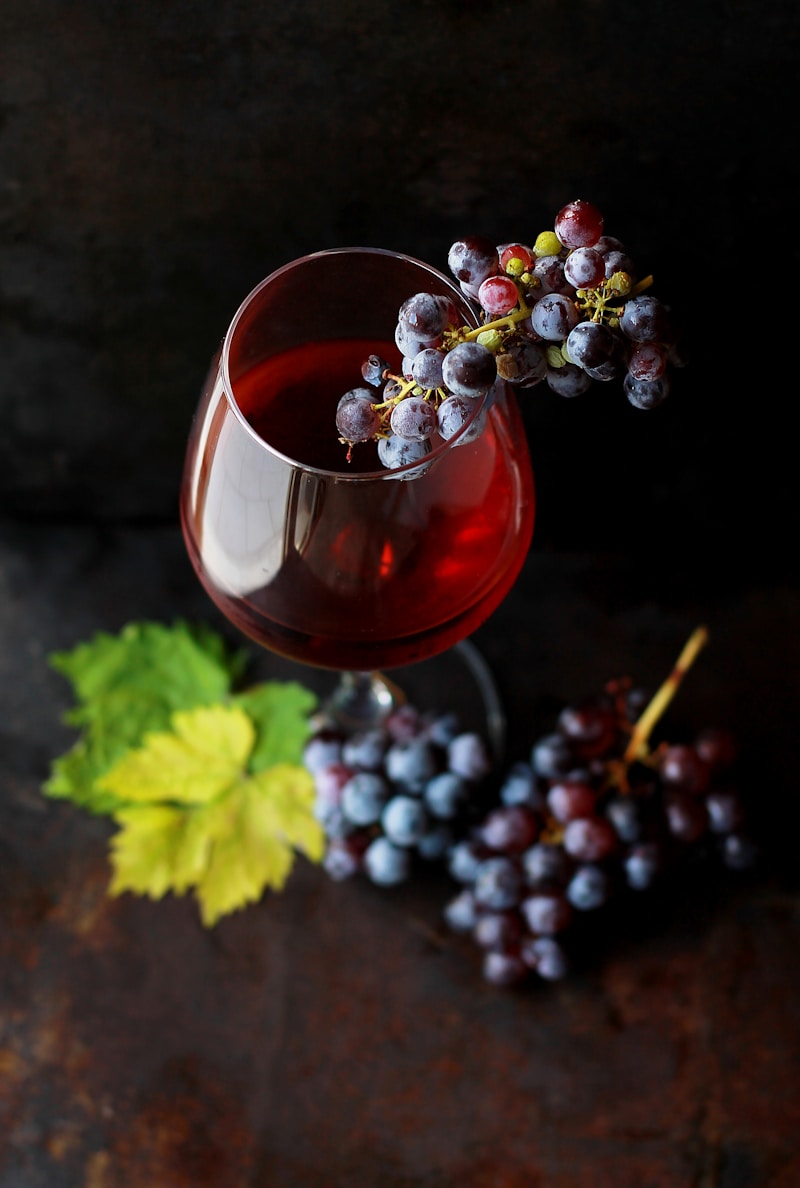
there are grape varieties you simply drink – and there are grape varieties you truly experience. Malbec belongs to the second kind. It never enters quietly. It steps into the glass like a darkly dressed dancer, with a hint of mystery in its eyes and violet reflections like stardust on its garment. A wine that doesn’t just accompany, but demands the stage – preferably next to glowing coals, under the open sky, while the smoke of grilled meat rises into the night.
What makes Malbec so special? Perhaps it’s its story: in France long a supporting actor, temperamental, difficult to tame, often overlooked. And then – like an emigrant who finds their true self abroad – it arrived in Argentina, in the high-altitude vineyards of Mendoza, and blossomed as never before. Here, under the glaring Andean sun and the cool nights, it became a global star. Deep violet like the night over the Andes, full-bodied, opulent, with aromas of blackberry, black plum, cherry and a hint of violet that feels like a soft greeting from spring.
Malbec is not a wine for half measures. It is the red carpet for your steak dreams, the liquid extension of the grill fire, the velvety contrast to crispy crust and juicy meat. And yet – if you give it time – it can also speak softly: of earth and stone, of cool river valleys, of old vines whose roots dig deep into history. Come, let’s pour a glass and travel through its world together.
---
1. The Globetrotter in the Glass: Where Malbec Feels at Home
Mendoza, Argentina – The Argentine Dream in Violet
Mendoza is today the heart, the voice and the face of Malbec. Here, at the foot of the Andes, between 800 and over 1,000 meters of elevation, the variety finds its true home. Days are sunny and warm, nights are cool – a perfect dance of temperature variation that shapes aromas and structure like a sculptor shapes stone.
Argentinian Malbec from Mendoza usually shines deep violet, almost inky. On the nose, blackberry, black plum, ripe cherry and often a touch of violet are dancing. On the palate it is velvety, full-bodied, with soft, ripe tannins and juicy, almost sensual fruit. Sweet spice notes frequently join in – vanilla, cinnamon, sometimes cocoa – especially when oak barrels have been part of the story. The result: a wine that is instantly approachable yet has enough backbone to embrace a hearty steak with ease.
Cahors, France – The Dark Soul of the “Black Wine”
Long before Argentina turned it into a legend, Malbec already had a home: Cahors in southwestern France. Here it used to be called “Auxerrois” or “Côt” – and the wine simply “Vin Noir”, the black wine. And black is more than just a color here. It’s a mood.
Malbec from Cahors is often denser, earthier, sterner than its Argentinian cousin. The color tends towards deep, almost opaque darkness, the tannins are more gripping, the fruit darker: blackberry, black cherry, sometimes black olive, along with tobacco, earth, undergrowth. Here Malbec tells of cool river valleys, calcareous and clay-rich soils, of morning mists. These wines need air, time and ideally a few years of bottle age to unlock their full complexity. They are less “Argentinian dream” and more “French novel character” – deep, serious, pensive.
Chile – The Andean Reflection
On the other side of the Andes, Chile has embraced Malbec in gentler tones, but with growing passion. Long in the shadow of Carmenère and Cabernet, Malbec is gradually finding its own voice here. In regions such as the Colchagua and Maule Valleys, Malbecs are emerging that strike an intriguing balance between Argentina and France.
Chilean Malbecs often show dark fruit – blackberry, plum, blackcurrant – but with a somewhat fresher acidity and a faintly herbal note: bay leaf, sage, sometimes a whisper of eucalyptus. They feel structured without being severe, fruit-driven without being overloaded. Ideal for everyone who loves the intensity of this variety but seeks a touch more freshness in the glass.
California – The Sunny New World Stage
In California, Malbec is often part of blends but increasingly appears solo. In regions like Napa, Sonoma or Paso Robles, it reveals a lush, sun-drenched side: ripe black plum, jammy blackberry, cherry, plus chocolate and sweet spices. The tannins are often very soft and creamy, the alcohol somewhat higher, the overall impression luxurious and rounded.
Californian Malbec is like an opulent jazz chord: warm, full, indulgent. Less angular, less serious than Cahors, less high-altitude tension than Mendoza – instead, a warm, embracing wine for long evenings.
---
2. From Stainless Steel to Oak: How Maturation Shapes Malbec
Malbec is like a talented singer whose voice changes with every stage. The question of whether it’s matured in stainless steel or oak is ultimately a question of style – and of your preferences.
In Stainless Steel – Pure Fruit
In stainless steel tanks, Malbec stays entirely true to itself. No oak, no vanilla, no toast – only the grape, the soil and the climate speaking. These wines are often:
- fruit-driven: blackberry, cherry, black plum clearly in the foreground
- more floral: the violet note comes out more distinctly
- fresher: the medium acidity feels livelier, the wine appears more linear
- accessible: little tannin influence from wood, gentle and uncomplicated to drink
A Malbec matured in stainless steel is ideal when you crave juicy fruit and straightforward pleasure – for example with burgers, meat-topped pizza or grilled vegetables.
In Oak – Refined Darkness
Oak – especially barrique – is the grand stage for Malbec. The variety rewards it with depth and complexity. In the barrel it can breathe, round out, train its muscles and slip into velvet at the same time. Typical effects include:
- aromas of vanilla, cinnamon, clove, chocolate and sometimes coffee
- more structure: tannins are polished, feeling finer yet more present
- greater body: the wine feels denser, creamier, more complex
- better ageing potential: oak-matured Malbec can gain depth over many years
In Mendoza, barrique-aged Malbecs are almost a myth of their own: deep violet, scented with blackberry, plum, violet and sweet spices, velvety, full-bodied, almost sensual on the palate. In Cahors, in turn, oak adds additional layers of tobacco, cedar wood and spice to an already dense structure.
Between stainless steel and oak lies a wide spectrum of possibilities: brief oak contact for a touch more spice, large casks instead of barriques for subtler oak impact, or a mix of both. As a wine lover, it’s a joy to discover these nuances – glass by glass, vintage by vintage.
---
3. Pairing Recommendations: The Perfect Partner
Malbec seems made for the table, especially when fire, smoke and meat are involved. But it can do far more than just steak. Here are a few inspirations:
| Dish | Wine Style | Why It Works |
|--------------------------------|----------------------------------|-------------------------------------------------------------------------------|
| Ribeye steak from the grill (medium) | Barrique-aged Malbec from Mendoza | The full body and soft tannins love protein and fat; the juicy fruit and sweet spice notes perfectly play with char and meat juices. |
| Cassoulet or braised leg of lamb | Structured, spicy Malbec from Cahors | The firm structure and earthy notes stand up to the intense, hearty stew and mirror its rustic aromatics beautifully. |
| Grilled vegetables & mushroom burger | Fruit-driven Malbec from stainless steel | The dark fruit harmonises with the roasted flavours of vegetables and mushrooms; the moderate acidity and soft tannins don’t overwhelm the dish. |
---
4. FAQ – 10 Questions for Malbec Lovers
❓ Is Malbec always heavy and high in alcohol?
Not necessarily. While many Malbecs – especially from warm regions like Mendoza or California – are full-bodied and can show higher alcohol, there are also fresher, lighter interpretations, for example from higher altitudes, cooler vintages or wines matured in stainless steel. The spectrum ranges from juicy and uncomplicated to powerful and opulent.
❓ How does Malbec from Argentina differ from Malbec from Cahors?
Argentinian Malbec is generally fruitier, softer and more approachable: blackberry, black plum, violet, sweet spices, a velvety palate. Cahors, by contrast, tends to be earthier, firmer, with grippier tannins, darker fruit, tobacco and savoury notes. If Argentina is the passionate dance party, then Cahors is the profound novel by the fireplace.
❓ What food does Malbec pair with best?
Malbec is a dream partner for grilled meat – especially beef: ribeye, entrecôte, T-bone, but also lamb chops or burgers. It pairs beautifully with braised dishes, hearty stews, BBQ with smoky sauces and aged hard cheeses. Fruitier, lighter styles also work well with pizza, pasta with ragù or grilled vegetables.
❓ Can Malbec age well?
Yes – especially structurally built Malbecs from Cahors and high-quality, barrique-aged wines from Mendoza or Chile can age wonderfully. Over the years they develop notes of leather, tobacco, dried fruits and truffle. Entry-level and fruit-driven styles, however, are intended for earlier drinking and are best enjoyed within 3–5 years.
❓ What is the ideal serving temperature for Malbec?
Between 16 and 18 °C is ideal. Too warm and the alcohol becomes loud and the wine feels heavy; too cold and the aromas close up while the tannins seem sharper. A young, fruity Malbec is best at around 16 °C, a complex, barrique-aged one at 17–18 °C.
❓ Do I need to decant Malbec?
For young, powerful Malbecs – especially those matured in oak – it’s very worthwhile to decant them for 30–60 minutes. The air helps soften the tannins and open up the aromas. More mature wines from Cahors can also benefit from gentle decanting, both to separate them from sediment and to unfold their bouquet.
❓ Is Malbec high in tannin?
Malbec does have tannin, but its tannins are often ripe and soft, especially in Mendoza and California. In Cahors they can appear more angular and assertive, which is precisely what gives those wines their ageing potential. Overall, Malbec is often more approachable and “velvet-like” than, for example, a young Cabernet Sauvignon.
❓ How do I recognise a good Malbec in a wine shop?
Look at origin (Mendoza, Cahors, specific Chilean valleys), producer and vintage. Mid-priced wines from renowned sites and trustworthy estates often offer excellent value for money. Indications like “Single Vineyard”, “Reserva” or a declared vineyard altitude can signal additional quality and care.
❓ Is Malbec always dry or are there sweet versions as well?
Classic Malbec is dry. Its opulent fruit can sometimes suggest a certain sweetness, but analytically residual sugar is usually low. Truly sweet Malbec wines are rare and rather experimental. If you’re looking for “sweeter”-tasting Malbec, seek out very fruity, softly styled New World versions.
❓ Why is Malbec often called a “wine for steak lovers”?
It’s due to its structure: full-bodied, with soft yet present tannins and dark, juicy fruit. Tannins bind proteins and fat – exactly what a good steak has in abundance. The wine’s freshness cuts through the richness of the meat, while the charred aromas from grill or pan link up with the spice and oak notes in the wine. It’s as if they were made for each other – fire on the plate, night in the glass.
---
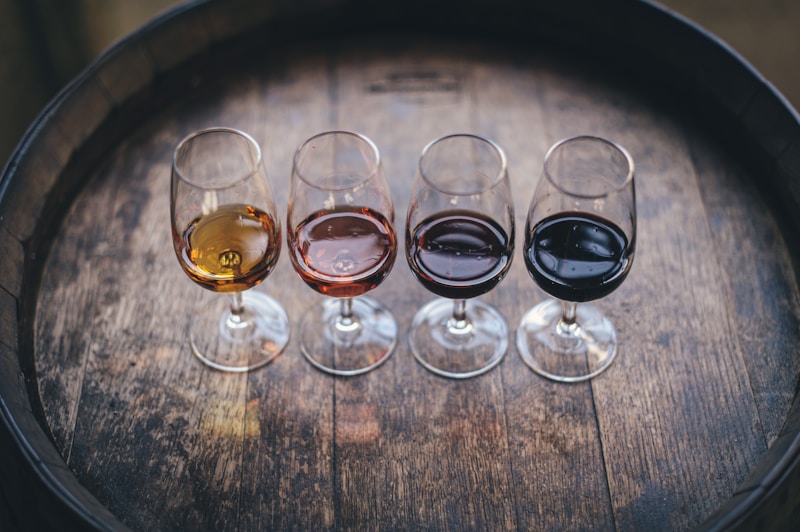
Next time you have a Malbec in your glass, take a moment. Hold it up to the light and watch how the deep violet almost tips into black. Breathe in deeply and listen to the stories of Andean nights, French river valleys, Chilean mountain ranges and Californian sunshine. In every sip there’s a touch of wanderlust – and the quiet certainty that some dreams really do come true in the glass.