Purpur Heart Montepulciano: A Sunset from the Abruzzo in Your Glass
Montepulciano ist kein lauter Star, sondern ein samtiger Sonnenuntergang im Glas – warm, dunkel, zugänglich und voller leiser Poesie.
Purpur Heart Montepulciano: A Sunset from the Abruzzo in Your Glass
Dear wine lovers,
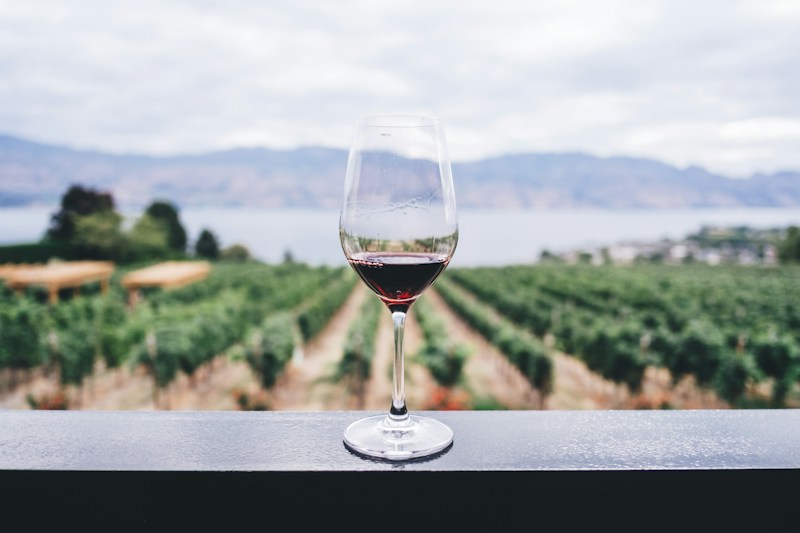
when you pour Montepulciano into your glass, you’re not simply serving yourself a wine – you’re opening a little portal to central Italy. It’s as if you were standing on a hilltop in the Abruzzo, while the sun sinks behind the mountains in liquid shades of purple and the air fills with the scent of herbs, damp earth and ripe cherries. Montepulciano is not a loud wine, not a showpiece pushing to the fore. It’s the quiet, warm handshake of an old friend, one who still remembers stories no one tells anymore.
This grape variety is special because it unites opposites within itself: deep in colour yet approachable, spicy yet juicily fruity, powerful yet supple. Montepulciano shines in the glass ruby to almost black-cherry in colour, as if it were keeping the secrets of ancient stone villages. On the nose you’re charmed by aromas of black cherry, plum and forest berries, laced with dried herbs, liquorice, violets and a hint of tobacco. On the palate it is medium-bodied, with medium acidity and velvety tannins: a wine that coats your tongue in velvet without ever overwhelming you.
Perhaps it’s precisely this quiet self-confidence that makes Montepulciano so fascinating. It is like a sunset poured into liquid purple – an everyday wine in the very best sense, yet one that repeatedly gifts you moments of pure poetry. Let’s dive together into the world of this grape variety, which lives in the shadow of famous names and yet, for those who discover it, can become a great love.
---
1. The Globetrotter in the Glass: Where Montepulciano Calls Home
Montepulciano is a profoundly Italian grape variety, a child of central Italy that speaks of warmth, sea and mountains with every berry. And yet, depending on where it grows, it shows a different face – like a person whose laugh changes subtly in every city.
Abruzzo – The Heartland: Juicy Opulence Between Mountains and the Adriatic
In the Abruzzo, its true homeland, Montepulciano often finds its most beautiful, most authentic form. Between the peaks of the Apennines and the cool breeze of the Adriatic, the grapes ripen under intense sun, yet with enough diurnal temperature swings to preserve freshness.
A typical Montepulciano d’Abruzzo is dark, almost inky in colour. On the nose you’ll find opulent black cherry and plum, often accompanied by forest berries, dried herbs and a touch of earth after summer rain. On the palate: juicy, seemingly full-bodied even though it is “only” medium-bodied – a wine that stains your lips and warms your soul. The tannins are soft and rounded, like well-worn velvet, making it an ideal partner for pasta, pizza and hearty meat dishes. Here, Montepulciano reveals its hospitable, generous nature.
Marche – The Refined One: Elegance and Herbal Fragrance
Further north, in the Marche, Montepulciano often appears a little slimmer, more taut and herb-spiced. Especially in appellations like Rosso Piceno (frequently blended with Sangiovese) it steps forward in a more subtle way.
The style in the Marche is often a bit lighter in colour, with more pronounced freshness. Aromas of red and dark berries, dried herbs and sometimes a floral touch of violets. The medium acidity is more clearly perceptible here and lends the wine an animating drinkability. It’s as if Montepulciano were wearing a more delicate garment here – less rustic power, more dancing elegance. Perfect when you’re seeking lightness without having to forgo depth.
Molise – The Insider Tip: Rustic Warmth and Depth
Molise is still a blank spot on the map for many wine lovers – and that is precisely what makes the Montepulciano wines from there so enticing. Here a somewhat more rustic style often emerges, highly characterful and earthy.
Wines from Molise are usually dark, spicy and warm. Black cherry, plum, tobacco and liquorice, often with a hint of dried herbs and undergrowth. On the palate they feel full, with more pronounced tannins and a more robust structure that calls for rustic cuisine: stews, braised dishes, grilled meats. Montepulciano from Molise feels like a fireplace on a cool evening – not perfectly polished, but profoundly comforting.
Puglia – Sunfire in the Glass: Opulence and Dark Fruit
In the south, in Puglia, where the sun burns more fiercely and the nights are warmer, Montepulciano shows an especially opulent face. Here you’ll find wines with ripe, dense fruit and palpable warmth.
In Puglia, Montepulciano often appears as a richly fruity, softly structured red with dark plum, black cherry, sometimes an almost sweet-seeming forest berry compote note and gentle tannins. The medium acidity seems milder here, giving the wine a sensuous, rounded feel. This is the southern, Mediterranean side of the grape variety: free, sun-drenched, a little hedonistic – ideal for balmy evenings, barbecues and relaxed gatherings.
Lazio – The Quiet Voice Near Rome: Everyday Pleasure with Soul
In Lazio, the countryside around Rome, Montepulciano most often appears as a quiet companion to everyday life. Here, simplicity and drinkability take centre stage.
The wines are usually medium-bodied, with clear cherry fruit, notes of violets and a hint of tobacco. Less opulent, less rustic – more straightforward, honest, made for tavern tables rather than pedestals. A Montepulciano from Lazio is like the glass of wine handed to you in the bustle of a trattoria while the city hums all around – unpretentious, likeable, instantly accessible.
---
2. From Steel to Wood: How Maturation Shapes Character
Montepulciano is naturally rich in colour and aroma – but like a rough diamond it needs a hand to decide whether it should shine like a clear crystal or glow like an old piece of jewellery. This is where maturation comes in: stainless steel tank or wooden cask? Both can be wonderful, but they lead to very different personalities in the glass.
Stainless Steel – Pure, Unadorned Fruit
In stainless steel, Montepulciano remains youthful, fresh and unmasked. Steel is neutral; it contributes no aromas of its own and lets the grape’s natural fruit and structure speak without distortion.
A Montepulciano matured in stainless steel shows you the direct, honest face of the variety:
- Intense aromas of black cherry, plum and forest berries
- Clearly noticeable yet friendly medium acidity
- Supple but present tannins that give the wine structure
- Often a hint of dried herbs and sometimes a touch of liquorice
On the palate this style feels juicy, lively, with great drinking flow. Nothing is too heavy, nothing too complicated. It’s the kind of wine that, after the second sip, tempts you to say: “Go on, pour me another.”
Wooden Cask – Depth, Spice and the Breath of Time
In wooden casks – whether large traditional botti or smaller barriques – Montepulciano changes its tone. Wood brings other nuances: vanilla, cocoa, cedarwood, tobacco, sometimes a fine roasted or smoky note. At the same time, the wine breathes and evolves more slowly and deeply.
A Montepulciano matured in wood can offer you:
- A more complex nose with tobacco, liquorice, dried herbs, cocoa and subtle vanilla or toast notes
- Softer-integrated tannins, often rounder and more persistent
- More structure on the palate, a longer finish, often deeper dark fruit (plum, black cherry)
- A mouthfeel that calls to mind velvet and dark chocolate
Here Montepulciano becomes a wine for evenings by the fire, for long dinners, for conversations that last deep into the night. Ideally, the wood does not dominate but rather acts as a fine frame around a painting – it accentuates what the grape variety already brings: warmth, depth, character.
---
3. Pairing Recommendations: The Perfect Partner
Montepulciano is a born food wine. Its medium acidity, dark, juicy fruit and supple tannins make it a universal companion to hearty dishes. Whether a simple plate of pasta or slow-braised lamb – it slips into place like a familiar melody alongside your favourite dish.
| Gericht | Wein-Stil | Warum es funktioniert |
|---------------------------------|-----------------------------------|---------------------------------------------------------------------------------------|
| Pasta alla Chitarra mit Ragù | Montepulciano d’Abruzzo, teils Holz | The juicy cherry-plum fruit embraces the ragù, tannins cut through the fat, and herbal notes weave seamlessly into the sauce. |
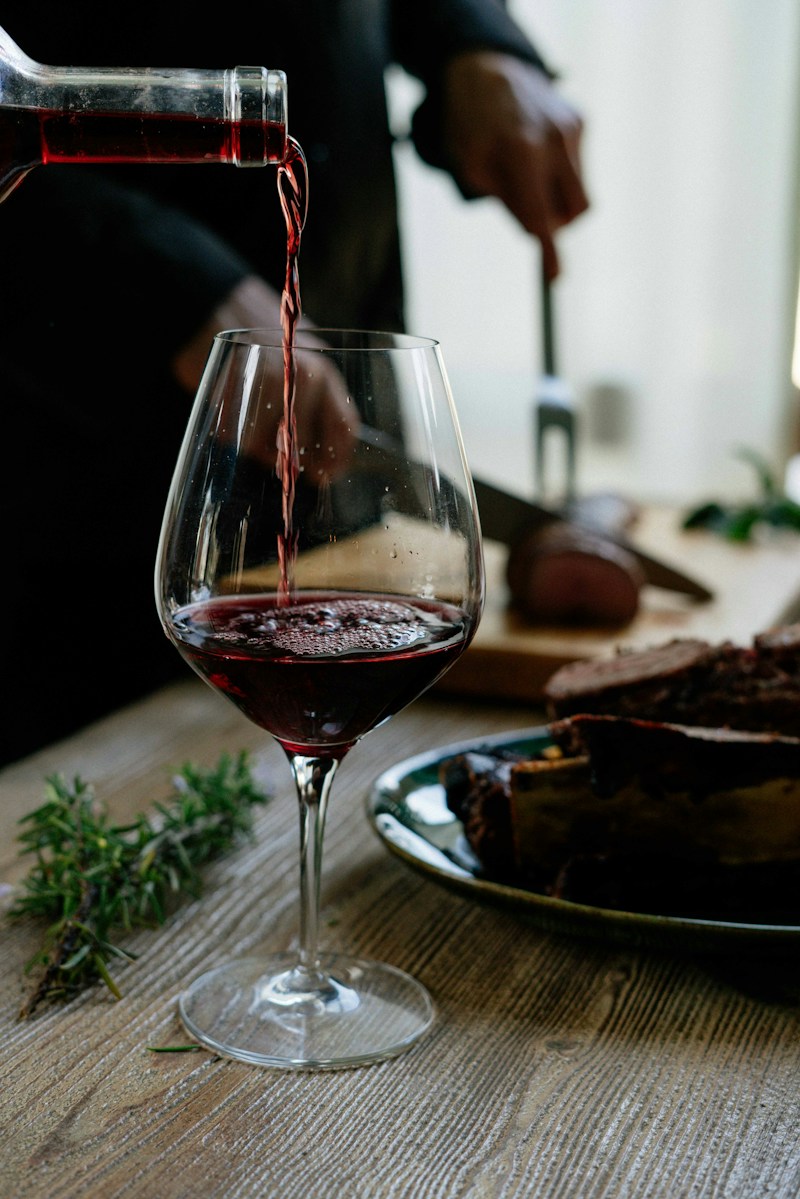
| Gegrilltes Lamm mit Rosmarin | Holzfass-Ausbau, kräftiger Stil | Spice, tobacco and dried herbs mirror the roasted flavours and herbs; the tannin structure supports the lamb’s protein. |
| Pizza mit Salsiccia & Pilzen | Fruchtbetonter Stahltank-Wein | Dark berry fruit and medium acidity balance fat and spice, earthy nuances echo the mushrooms without overpowering the toppings. |
---
4. FAQ – 10 Questions for Montepulciano Lovers
❓ 1. Is Montepulciano the same as Vino Nobile di Montepulciano?
No. This is one of the most common points of confusion. Montepulciano is a grape variety, grown mainly in Abruzzo, Marche and other regions of central and southern Italy.
Vino Nobile di Montepulciano, on the other hand, is a wine from Tuscany, named after the town of Montepulciano – but there the main grape variety is Sangiovese (called “Prugnolo Gentile” locally). Same word, different worlds.
❓ 2. What does Montepulciano typically taste like?
It usually shows aromas of black cherry, plum and forest berries, accompanied by dried herbs, violets, liquorice and often a hint of tobacco. On the palate it is medium-bodied, with medium acidity and supple tannins. Overall, it feels juicy, dark and warm without being ponderous.
❓ 3. Is Montepulciano more a wine for beginners or for connoisseurs?
Both. For beginners it is wonderful because it is approachable, fruity and not overly acidic, with soft tannins that rarely appear aggressive. For connoisseurs, especially in higher-quality bottlings and with wood ageing, it offers a wealth of depth, spice and ageing potential waiting to be discovered.
❓ 4. Can Montepulciano age, or is it just for early drinking?
Many simple Montepulciano wines are meant for youthful, uncomplicated enjoyment within 2–4 years. Higher-quality examples, particularly those matured in wood and from top sites, can age beautifully for 8–12 years and beyond. Over time they develop more complex notes of leather, tobacco, dried fruit and forest floor.
❓ 5. At what temperature should I serve Montepulciano?
Ideally around 16–18 °C (61–64 °F). If served too warm, the alcohol can dominate; too cool and you mute the fruit and texture. If the wine comes from a warm room, don’t hesitate to give it a brief chill – a few minutes in the fridge can work wonders.
❓ 6. Do I need to decant Montepulciano?
Need to – no. But for more powerful, younger wines matured in wood, an hour in a decanter often pays off. The tannins soften, the aromas open up. A simple, fruity Montepulciano d’Abruzzo from stainless steel usually needs just a few minutes in the glass to show itself.
❓ 7. Does Montepulciano work with vegetarian dishes?
Yes, very well, especially when they are hearty and earthy. Think mushroom risotto, lasagne with lentil ragù, baked aubergines, pasta with tomato, olives and herbs. The dark fruit and medium acidity harmonise beautifully with tomatoes and herbs, while the tannins provide structure to proteins from lentils, beans or cheese.
❓ 8. Is Montepulciano always dry?
As a rule, yes. Classic Montepulciano is vinified dry. Because of its ripe dark fruit and soft tannins, it can sometimes give the impression of sweetness on the palate without actually containing residual sugar. Sweet styles of Montepulciano are the exception, not the norm.
❓ 9. How can I recognise a good Montepulciano on the shelf if I lack experience?
Look for:
- Origin: Montepulciano d’Abruzzo is a great starting point; reputable producers or co-ops often offer solid quality.
- Vintage: Younger vintages (3–5 years old) are ideal for entry-level wines.
- Price: Very inexpensive wines can be fun, but in the range of about 8–15 euros you’ll often find much more depth and care in the winemaking.
If you see “Riserva” on the label, this usually signals longer ageing, often with more time in wood – better suited to more intense occasions and dishes.
❓ 10. Why do you describe Montepulciano as a “sunset in the glass”?
Because it possesses that unique combination of warmth, darkness and gentleness. Its deep ruby, almost black-cherry hue, the ripe dark fruit, the dried herbs, the hint of damp earth after summer rain – all of this recalls the slow fading of the day in an Italian late summer. Montepulciano is not a wine that wants to dazzle, but one that glows – like the horizon when the sun takes its leave.
---
Next time you open a bottle of Montepulciano, take a moment: look into the glass, breathe in its aromas, let it glide slowly across your tongue. Perhaps you’ll then hear the soft echo of the Abruzzo, the whisper of herbs in the wind, the murmur of ancient stone houses. And perhaps, just perhaps, you’ll fall a little bit in love with this purple heart of Italy.