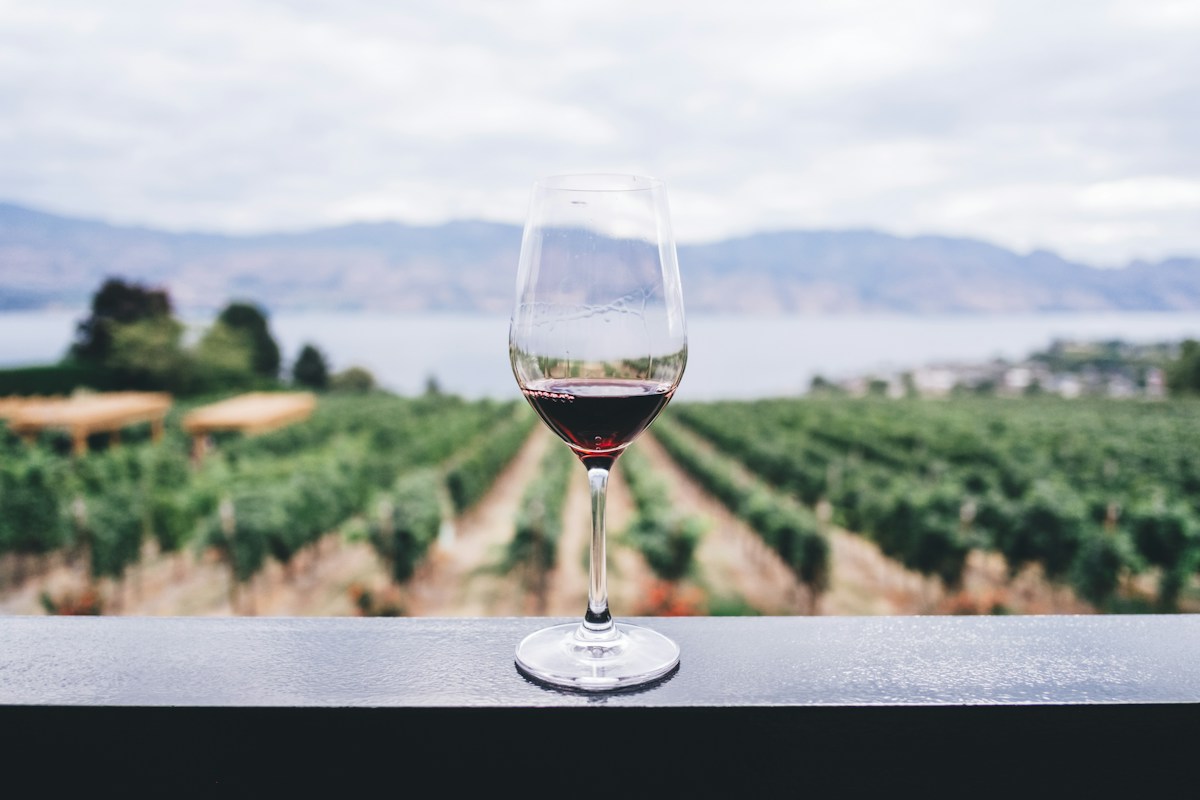
Württemberg – Germany's Red Wine Secret Along the Neckar
Discover Württemberg.
Württemberg – Where Wine Becomes Home and Every Sip Tells a Story
Meta Description: Discover Württemberg: characterful red wines, lovable people, tradition & terroir. An emotional guide through the heart of German wine country.
---
Introduction
Anyone who has ever had a “Viertele” in their glass in Württemberg and at the same time looked into an honestly beaming “Grüß Gott” understands: wine here is more than a drink – it is an attitude to life, an identity, a sense of home. Between the Neckar, Rems, Enz and Tauber lies a winegrowing region that for a long time was considered an insider tip in Germany and is now increasingly coming into the spotlight of wine lovers.
Württemberg is the red-wine land among German wine regions. Here you can taste Swabian diligence, artisanal tradition and the courage to innovate in every drop. Steep terraced vineyards, sunny slopes, rustic “Besenwirtschaften” and a cuisine that tastes of warmth, butter and home – Württemberg touches both heart and palate.
In this blog we dive deep into Württemberg’s wine world: we explore the terroir, get to know the most important grape varieties, look back at a turbulent history and see which wines go best with Maultaschen, lentils & Spätzle or Zwiebelrostbraten. An emotional journey through one of Germany’s most underrated wine regions.
---
Terroir and Climate – Where the Neckar, Sun and Keuper Shape Character
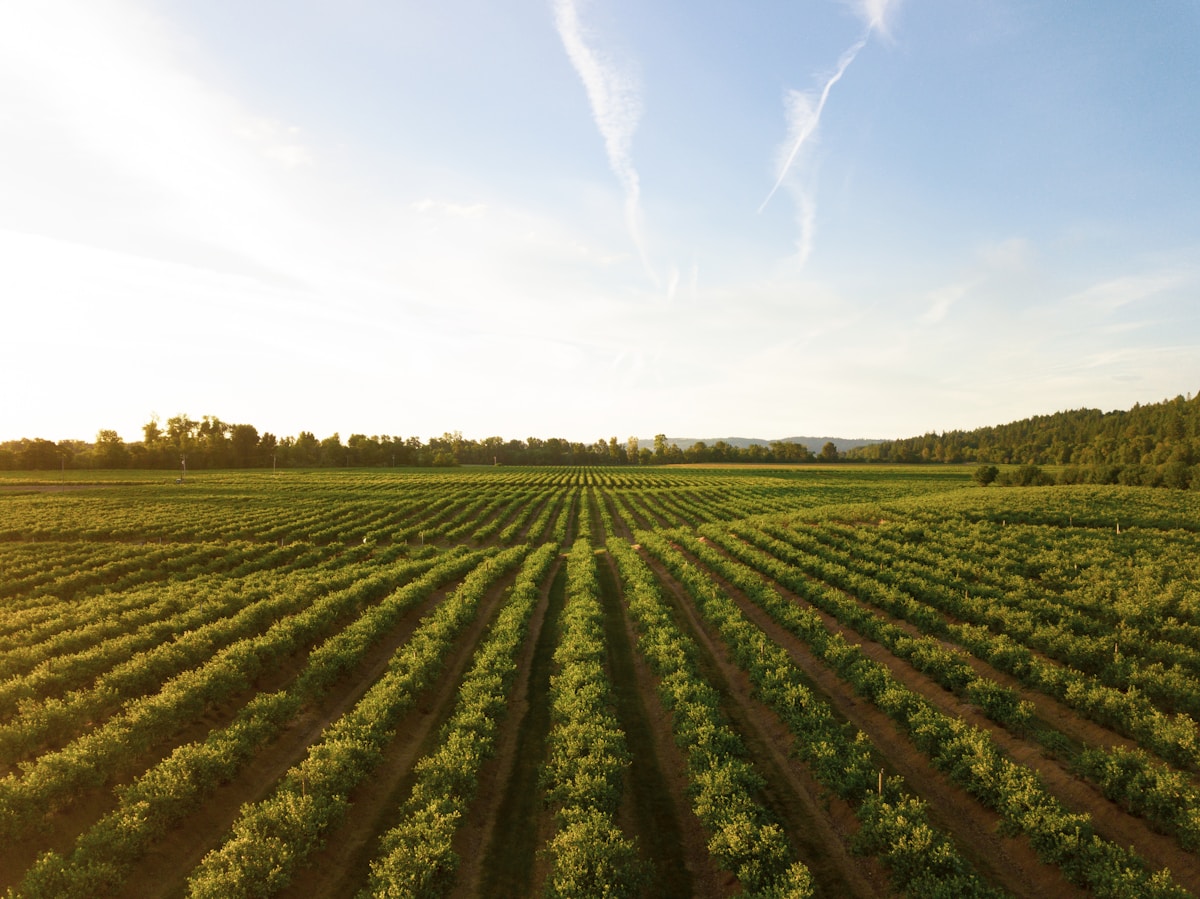
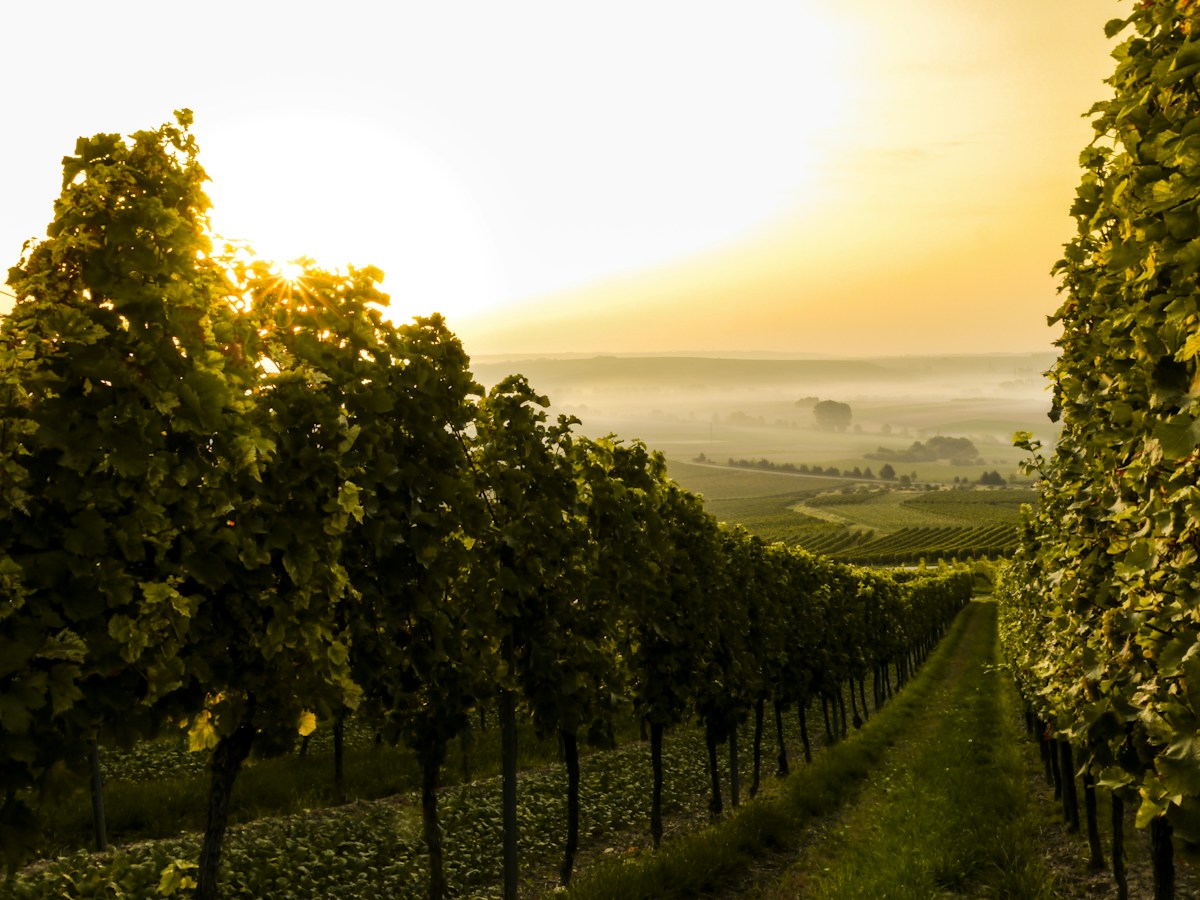
The Württemberg winegrowing region stretches in a broad band from Heilbronn via Stuttgart and the Neckar and Rems valleys up to Tauberfranken. The landscape is diverse, shaped by river valleys, chains of hills and impressive steep slopes where the vines rise like green amphitheaters.
Climate: Mild, Sun‑kissed yet Down‑to‑Earth
Württemberg benefits from a comparatively mild, often dry climate. Many vineyards are sheltered in river valleys and on slopes that face the sun. Warm summers, long growing seasons and sufficient rainfall ensure that red wines in particular can ripen to be:
- concentrated
- fruity
- yet clearly structured
You can sense a balanced continental climate that certainly knows temperature peaks but rarely tips into extremes. That is ideal for varieties such as Trollinger, Lemberger and Pinot Noir (Spätburgunder).
Soils: Keuper, Gypsum Keuper, Shell Limestone & Reed Sandstone
Württemberg is a mosaic of very different soils – and every parcel tells a different story:
- Keuper and gypsum keuper soils
Retain water well, warm up quickly and yield spicy, powerful red wines with depth.
- Shell limestone (Muschelkalk)
Produces wines with tension, minerality and fine acidity, often with Riesling and Pinot Blanc.
- Reed sandstone (Schilfsandstein)
Tends to give lighter, more fragrant wines that win you over with drinkability and charm.
The interplay of sun, slope and soil is what makes Württemberg so exciting: in the smallest of spaces you find everything from light, juicy everyday wines to dense, complex single‑vineyard wines that can age for many years.
---
Grape Varieties – The Soul of Württemberg in the Glass
In Germany, Württemberg is synonymous with red wine. Around two‑thirds of the vineyard area is planted with red varieties. But the white wines also have plenty of character – often underestimated, but offering great enjoyment.
#### Trollinger – The Everyday Wine with a Heart
Trollinger is “the Swabian” in a glass: uncomplicated, sociable and always there when people come together. Nowhere else in Germany is this variety as present as it is here.
- Style: pale red, light, fruity, with notes of cherry, strawberry and subtle spice
- Character: low tannin, moderate acidity, extremely easy to drink
- Occasion: a “Viertele” in a Besenwirtschaft, barbecues, convivial gatherings
Trollinger is a wine you don’t explain – you experience it: in a simple glass, on the terrace, with friends.
#### Lemberger (Blaufränkisch) – The Powerful Discovery
Lemberger is Württemberg’s great strength and has long since become the region’s calling card. Known internationally as Blaufränkisch, it shows its full range here.
- Style: medium to full‑bodied, dark berry fruit, often peppery and spicy
- Character: lively acidity, ripe tannins, excellent ageing potential
- Maturation: frequently in large oak or barrique, which adds depth and complexity
Top Lembergers from prime sites can easily hold their own against international red wines – and yet remain unmistakably Swabian.
#### Schwarzriesling – The Fine, Elegant Red
Schwarzriesling, internationally known as Pinot Meunier, is an important component of Württemberg’s red‑wine diversity.
- Style: soft, velvety, with aromas of red fruits and gentle earthiness
- Character: moderate tannins, pleasant freshness, often very approachable
- Special feature: ideal for finer, elegant red‑wine blends
Often underestimated, Schwarzriesling is a quiet star in skilled hands.
#### Spätburgunder – Württemberg’s Noble Pinot Side
Even though other German regions are better known for Pinot Noir, Württemberg is increasingly showing what this variety can do here.
- Style: from light and fruity to complex and Burgundian
- Aromas: cherry, red berries, sometimes smoke, herbs, fine spice
- Potential: with barrel ageing, great finesse and ageing capacity
#### White Varieties – More than Just Supporting Roles
Württemberg may be red‑wine country, but you shouldn’t overlook the whites:
- Riesling: racy, mineral, citrus‑fresh – especially on shell limestone and keuper.
- Kerner: a Württemberg specialty – aromatic, juicy, often light and highly drinkable.
- Pinot Blanc & Pinot Gris: modern, clean, with appealing fruit and creamy texture.
- Silvaner & Sauvignon Blanc (in places): add freshness and aromatic variety.
Anyone who defines Württemberg only by its reds is missing an important facet of the region.
---
History – From Monastic Vineyards to a Modern Red‑Wine Stronghold
Württemberg’s wine tradition goes back many centuries. The Romans already brought viticulture to the Neckar, but it truly took root in the Middle Ages.
Monks, Margraves and Winegrowers
- Monasteries such as Maulbronn played a key role in the systematic cultivation of vines.
- Nobility and the Church promoted winegrowing as an economic factor and status symbol.
- Many of today’s famous sites were already known in the Middle Ages as particularly “noble.”
Survival and New Beginnings
Like everywhere in Europe, Württemberg weathered various crises:
- climate fluctuations
- wars
- the phylloxera disaster in the 19th century
Despite everything, wine has always remained part of everyday culture here. After the Second World War, a particularly strong cooperative movement emerged. Numerous winegrowers’ cooperatives still form the backbone of the region today – a reflection of Swabian community spirit.
From Simple Table Wine to Top Quality
For a long time, Württemberg was known mainly for simple, easy‑drinking everyday wines. But since the 1980s and 1990s, an impressive quality revolution has taken place:
- younger generations took over estates
- yields were reduced
- selective harvesting and careful vinification became standard
- awareness of individual sites and terroir grew
Today, alongside the traditional cooperatives, numerous family wineries and VDP estates stand for a new, high‑quality style. Württemberg has matured into a serious red‑wine region in Europe – without forgetting its roots.
---
Enjoyment & Food Pairing – When Swabian Cuisine Meets Württemberg Wine
Wine in Württemberg is never on its own. It belongs at the table, with the family, in convivial company. Nowhere is this connection more tangible than in traditional Swabian dishes.
#### Maultaschen & Trollinger – Hearty Harmony
Homemade Maultaschen – in broth, browned with onions or pan‑fried – call for a partner that supports them without overpowering them.
- Recommendation: Trollinger or a light Trollinger‑Lemberger blend
- Why: the gentle acidity and restrained tannins harmonise with the hearty filling, the fruit adds freshness and drinkability.
#### Lentils & Spätzle with Sausages – Hearty Meets Fruit
For many Swabians, this dish is pure childhood nostalgia: robust lentils, buttery Spätzle, savoury sausage.
- Recommendation: a fruity Lemberger or a robust Trollinger
- Why: Lemberger’s subtle spice picks up the flavours of the lentils, while the fruit balances the richness.
#### Zwiebelrostbraten & Lemberger – A Powerful Dream Team
When Zwiebelrostbraten (roast beef with onions) hits the table, the wine mustn’t be shy.
- Recommendation: oak‑aged Lemberger, ideally from a single vineyard
- Why: the structure, tannin and spice of Lemberger pair perfectly with beef, caramelised onions and sauce. The oak adds depth and smoky notes that meld with the roasted aromas.
#### Swabian Onion Tart & White Wines
In autumn, when the grapes are harvested, many villages are filled with the aroma of freshly baked onion tart.
- Recommendation: Riesling, Kerner or a dry Pinot Blanc
- Why: the acidity of the whites cuts through the creamy topping, while the fruit brings lightness.
#### Cold Cuts Platter & Everyday Companions
Bread, cold cuts, cheese, bacon, pickles – the classic “Vesperteller” calls for uncomplicated wine.
- Recommendation: Trollinger, Schwarzriesling or a fresh rosé
- Why: light, fruity wines that don’t tire the palate and keep you reaching for the next bite.
Württemberg is a wine region best understood where it originates: at the table, in a Besenwirtschaft, at festivals and family celebrations. Here, wine and food are inseparable.
---
FAQ – 10 Questions about Württemberg
1. Where exactly is the Württemberg winegrowing region located?
Württemberg stretches mainly along the Neckar and its tributaries, from Heilbronn via Stuttgart to Esslingen, the Rems Valley, the Enz Valley and Tauberfranken.
2. What is Württemberg especially known for?
Above all for its red wines, especially Trollinger, Lemberger, Schwarzriesling and Spätburgunder (Pinot Noir). Trollinger is considered the typical everyday wine of the Swabians.
3. What sets Württemberg apart from other German wine regions?
The high proportion of red wine, the strong cooperative culture, the pronounced sense of community and the close connection between wine, regional cuisine and tradition.
4. Which grape variety should you definitely try?
Lemberger. It showcases the great potential of the region – from juicy and fruity to complex and suitable for long ageing.
5. Are there good white wines from Württemberg as well?
Yes. Riesling, Kerner, Pinot Blanc and Pinot Gris in particular impress with freshness, fruit and a clear stylistic profile.
6. What is a Besenwirtschaft?
A seasonal wine tavern run by winegrowers. It may only open for a limited time each year and serves simple regional dishes and the estate’s own wines. A broom (“Besen”) above the door signals: “We’re open.”
7. When is the best time for wine lovers to visit?
Spring and autumn are ideal. In autumn you can experience the harvest, newly fermented wine and onion tart; in spring the vineyards are in bloom and the weather invites you to hike.
8. Are Württemberg wines suitable for ageing?
Many everyday wines are made for early drinking. High‑quality Lemberger, Pinot Noir and selected blends, however, can age beautifully and gain in complexity.
9. Is Württemberg more traditional or more modern in character?
Both. The region proudly maintains its traditions, yet many estates work in a highly modern, sustainable and quality‑driven way. That combination is part of its appeal.
10. Where can you best experience Württemberg wines?
Right on the spot: at wineries, cooperatives, Besenwirtschaften, on wine trails and at wine festivals in places like Heilbronn, Ludwigsburg, Stuttgart or the Rems Valley.
---
Conclusion – Württemberg: A Wine Land that Speaks to the Heart
Württemberg is not a loud wine region that thrusts itself into the spotlight with grand gestures. It is a region you discover step by step – with every “Viertele,” every walk through the vineyards and every conversation with the people who live and work here.
The wines are like the Swabians themselves: sometimes reserved, but honest, full of character and inner strength. From light Trollinger to profound Lemberger, from racy Riesling to creamy Pinot Blanc, every sip reflects the diversity of the terroir and the passion of the winemakers.
Anyone who visits Württemberg or brings a bottle home experiences more than just wine. They experience a sense of home in a glass – warm, authentic and unmistakable. Württemberg may not be the loudest, but it is certainly one of the warmest voices in the chorus of German wine regions.