Mendoza – Where the Sky Kisses the Vines: Argentina’s Magical High-Altitude Wine World
Discover Mendoza.
Mendoza – Where the Sky Kisses the Vines: Argentina’s Magical High-Altitude Wine World
Meta description: Discover Mendoza, Argentina’s iconic high-altitude wine region: Malbec, Andes, terroir magic. A guide for discerning wine lovers.
Keywords: Mendoza, Mendoza wine, Malbec Mendoza, wine region Argentina, high-altitude wines, Andes terroir, Uco Valley, Luján de Cuyo, Argentine Malbec
---
Introduction: The First Sip of Eternity
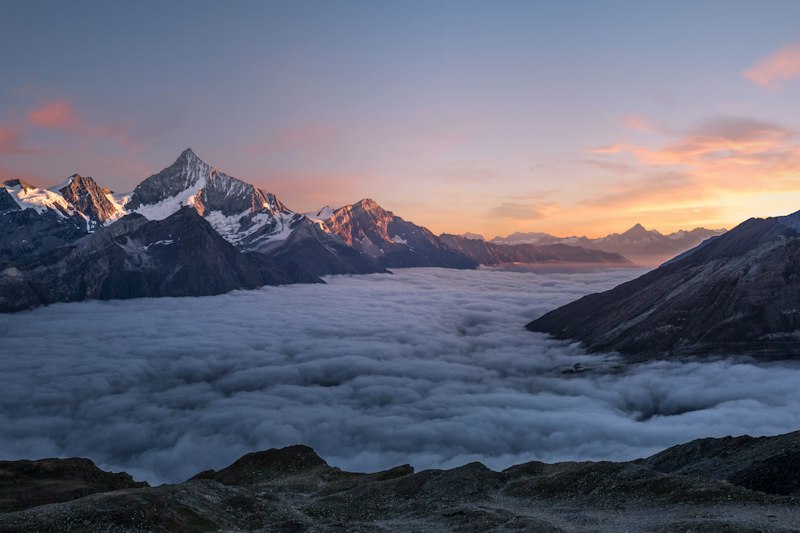
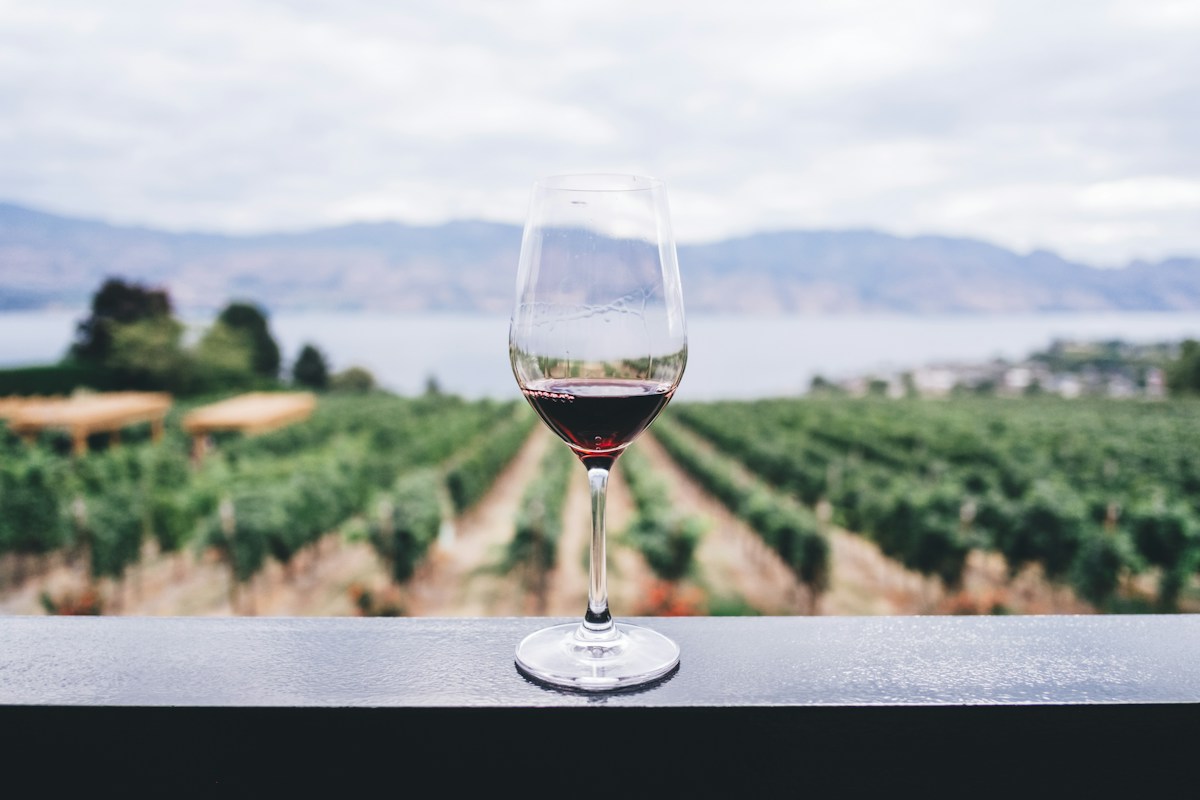
It begins with a deep dark purple in the glass. A scent of ripe blackberries, violets and warm Andean dust rises – and suddenly you’re no longer at home, but standing in the clear morning sun of Argentina, while snow gleams on the peaks of the Andes and irrigation channels murmur softly through barren, stony soils.
Mendoza is no ordinary wine-growing region. It is a landscape hovering on the threshold between desert and high mountains. A region where wine is not simply grown but wrested from the land – against drought, thin mountain air, and extreme temperature differences. And it is precisely in this tension that the magic that defines great wines is born.
Anyone who has ever had a great Malbec from Mendoza in their glass can feel it: this blend of richness and freshness, power and elegance, warmth and Andean coolness. Mendoza is more than an origin. It is a feeling. A quiet promise of wines that do more than taste good – they stay with you: in your memory, in your heart, on your tongue like a first kiss that never quite fades.
---
The Distinctive Terroir and Climate
#### The Soil: Stones, Sand, and the Whisper of Ancient Riverbeds
Mendoza lies at the foot of the Andes, and this defines its soils. Here you mainly find:
- Alluvial soils: mixtures of gravel, sand, and clay deposited by ancient river courses
- Stony, barren subsoils: large scree stones, veins of limestone, gravel
- Sandy topsoils: well-drained, poor in organic matter
This poverty is a gift. The vines must root deeply until they reach water reserves and minerals. The result:
- small, highly concentrated berries
- intense color extract
- distinct yet ripe tannin structure
- intriguing minerality that shows in the freshness and texture on the palate
Especially in the Uco Valley (Valle de Uco) there are elevations up to 1,500 meters with calcareous, stony soils that produce wines with an almost European finesse – taut, precise, with a salty coolness on the finish.
In Luján de Cuyo, by contrast, the soils are often somewhat deeper and more sandy-clayey. The wines here are more generous, rounder, with velvety tannins and dark fruit – the classic, sensual Mendoza Malbec.
#### The Climate: Blazing Sun and Andean Breeze
Strictly speaking, Mendoza is a wine desert with vines. The sun shines here on almost 300 days a year, rainfall is minimal, and without irrigation there would be no viticulture.
The climate is:
- continental and dry
- with hot days and very cool nights
- strong temperature swings of up to 20 °C within 24 hours
This day–night amplitude is the key to the style:
- By day: full phenolic ripeness, lush fruit, robust tannins
- By night: preservation of acidity, slower sugar accumulation, retention of aromatic complexity
The dry air reduces disease pressure – a dream for minimal-intervention and organic winemakers. Irrigation is traditionally done via a sophisticated canal system fed by meltwater from the Andes. Modern estates use drip irrigation to deliberately “stress” the vines and coax even more character into the glass.
Mendoza thus represents a rare balance of calculated stress and controlled abundance – like a dancer on the edge who never stumbles.
---
The Grape Varieties: The Heart of the Region
Mendoza is inseparably linked with Malbec – but the region offers far more.
Malbec
- Argentina’s icon and Mendoza’s calling card.
- Typical: deep dark color, aromas of plum, blackberry, violets, often a hint of cocoa or licorice.
- Style: from opulent and creamy in Luján de Cuyo to cool, linear, and structured in the Uco Valley.
- Malbec from Mendoza combines suavity with inner tension – a red velvet curtain before a granite massif.
Cabernet Sauvignon
- Often underestimated in Mendoza, but a hidden gem for connoisseurs.
- Produces wines with cassis, graphite, bell pepper notes (especially in cooler sites) and firm tannins.
- Superb in blends with Malbec, where it provides backbone and length.
Bonarda (Argentinian Bonarda)
- Juicy dark fruit, less tannin, charming acidity.
- Ideal for easy-drinking, fruit-driven wines that are not too serious yet surprisingly characterful.
White Wines – Chardonnay & Co.
- Especially in the higher Uco Valley, Chardonnay shows impressive class: citrus, white peach, floral notes, fine oak, vibrant acidity.
- Torrontés, the aromatic, distinctly Argentine variety, is more common in the north (Salta), but Mendoza is increasingly producing exciting, fragrant versions with notes of orange blossom and grapefruit.
Mendoza is a red wine stronghold, but those who look closely will discover a new, fascinating white facet – elegant, high-altitude Chardonnay with a mountain soul.
---
History & Tradition
The history of viticulture in Mendoza is a story of immigrants, visionaries, and the triumph of terroir.
- 16th century: Spanish missionaries bring the first vines to Argentina – mainly Criolla varieties for sacramental wine.
- 19th century: A turning point. Italian and French immigrants bring know-how, new grape varieties, and a hefty dose of ambition. It is during this time that Malbec, originally from southwest France, arrives in Mendoza – and finds its true destiny here.
- Late 19th / early 20th century: Expansion of the irrigation system, railway links, a growing domestic market. Wine is initially a mass product.
- 1980s / 1990s: The revolution. Quality-focused producers begin radically reducing yields, planting new clones, exploring high-altitude sites, and experimenting with barrel aging. International consultants and flying winemakers bring fresh ideas.
- 21st century: Mendoza establishes itself as one of the most important wine regions of the New World. Andean Malbec conquers wine lists around the globe. Terms like Uco Valley, Luján de Cuyo, and Maipú become quality markers.
Today, centuries-old irrigation traditions meet state-of-the-art cellar technology in Mendoza; family estates stand alongside architectural wine icons of glass, concrete, and steel. Yet despite globalization, one thing endures: the deep, almost spiritual connection between winegrowing and the Andean landscape.
---
Enjoyment & Perfect Pairings
#### Sensory Profile: When the Andes Flow into the Glass
A typical Malbec from Mendoza shows in the glass:
- Color: dense violet with an almost black core, a youthful, bright rim
- Nose: ripe plums, blackberries, black cherries; plus violets, often a hint of dried herbs, cocoa, tobacco, or vanilla if oak-aged
- Palate:
- full yet soft structure
- juicy dark fruit
- polished, ripe tannins – like velvet over stone
- medium to fresh acidity that gives the wine vitality
- a long, spicy finish with notes of dark chocolate, graphite, or sometimes a touch of smoke
High-altitude Malbec from the Uco Valley additionally offers:
- more freshness and tension
- red as well as black fruit
- floral notes, subtler oak
- usually slightly lower alcohol and a clearer definition on the palate
Chardonnay from Mendoza (especially Uco Valley):
- Nose: lemon, lime, green apple, white peach; in top qualities also wet chalk, flint
- Palate: taut, mineral, with finely judged oak and a creamy texture – an Andean answer to Burgundy without copying it.
#### Food Pairing: When Fire Meets Fruit
Mendoza wines are made for great moments of enjoyment – especially when fire is involved.
Perfect partners for Malbec from Mendoza:
- Asado & steak:
- Classic: bife de chorizo, ribeye or T-bone from the charcoal grill
- Malbec loves roasted flavors, fat, and protein. The tannins bind the meat’s fat, the fruit embraces the roasted notes.
- Lamb & game:
- Rack of lamb with herb crust, saddle of venison with red wine jus
- The structured Malbecs from higher sites shine particularly here.
- Braised dishes:
- Ossobuco, pot roast, oxtail ragout
- The warmth and depth of the wine merge with the reduced sauces.
- Hearty vegetarian cuisine:
- Grilled vegetables with balsamic and thyme
- Lentil stew with smoked paprika and sun-dried tomatoes
- Mushroom risotto with truffle oil – earthy aromas correspond with the dark-fruited, spicy side of Malbec.
With white Mendoza Chardonnay:
- Pan-fried fish (e.g. salmon, sea bream)
- Seafood with butter and herbs
- Poultry with creamy sauces
- Aged goat cheese or mild mountain cheese
Mendoza in the glass calls for honest, fire-kissed cooking – for dishes that, like the wines themselves, have character.
---
FAQ – The 10 Most Important Questions About Mendoza
1. What makes Mendoza wines so special?
The combination of altitude, intense sunshine, cool nights, and poor, stony soils creates wines that are both powerful and surprisingly fresh. Mendoza wines possess a rare balance of opulent fruit, velvety tannins, and clear structure.
2. Which grape varieties dominate in Mendoza?
Above all Malbec as the signature variety. In addition, Cabernet Sauvignon, Bonarda, Syrah, and increasingly Chardonnay play important roles. In niche areas you’ll also find Torrontés, Cabernet Franc, and other, sometimes experimental, varieties.
3. What does a typical Mendoza wine taste like?
Typical reds – especially Malbec – are:
- fruit-driven (plum, blackberry, black cherry)
- soft in texture, with ripe tannins
- medium to full-bodied, often with notes of chocolate, spices, and discreet oak
Good quality wines are balanced, not overblown, with a fresh, juicy core.
4. How long should you age Mendoza wines?
- Entry-level and basic wines: drink 2–5 years after the harvest.
- Good mid-range wines: 5–10 years.
- Top single-vineyard or high-altitude wines: 10–15 years, sometimes longer.
Malbec from Mendoza develops notes of leather, tobacco, dried fruit and a complex, silky depth over time.
5. Which foods pair well with Mendoza wines?
- Reds: grilled beef, lamb, game, braises, BBQ, hearty stews, aged hard cheeses.
- Whites (especially Chardonnay): grilled fish, seafood, poultry, creamy pasta, mild to medium-strong cheeses.
Basic rule: open fire, roasted flavors, and intense yet honest cuisine are excellent matches.
6. What is special about Mendoza’s terroir?
The Andes at its back, alluvial and stony soils, the dryness of the semi-arid climate, and the influence of altitude all shape the terroir. Add to that the meltwater irrigation system, which allows winemakers to use water like a finely tuned instrument. This terroir produces expressive, clear, terroir-driven wines.
7. Which wineries in Mendoza are particularly recommended?
Some of the most exciting names (selection, not exhaustive):
- Catena Zapata (pioneer of high-altitude Malbecs)
- Bodega Achával-Ferrer (terroir-focused single-vineyard wines)
- Bodega Norton (tradition and reliability)
- Zuccardi Valle de Uco (architectural highlight, biodynamic approaches, limestone-driven wines)
- Bodega Terrazas de los Andes
- Luigi Bosca, Pulenta Estate, Mendel, Altos Las Hormigas
Visitors should especially put the Uco Valley and Luján de Cuyo on their list.
8. How much does a good Mendoza wine cost?
- Everyday wines from solid producers: approx. €8–15 retail.
- Ambitious mid-range: €15–30 – often the best price–pleasure ratio.
- Icons and single-vineyard wines: €30–100 and above.
In international comparison, many Mendoza wines are considered exceptionally good value for the quality they offer.
9. When is the best time to visit Mendoza?
The ideal time to travel is between March and May (autumn in the southern hemisphere):
- Harvest is underway or just completed, the air is clear, the colors intense.
- October to December (spring) is also attractive, when the vines bud and temperatures are pleasant.
Summer (January/February) can be very hot but is atmospheric if you enjoy heat.
10. What alternatives are there to Mendoza wines?
If you like the Mendoza style, you might also enjoy:
- other Argentine regions: Salta (extreme altitudes), Patagonia (cooler, more elegant)
- Malbec from Cahors (France), often more rustic and tannic
- powerful yet fresh reds from Chile (Maipo, Colchagua, Maule)
Still, the combination of Andean altitude, dry warmth, and cool nights is unique in this form – true alternatives are approximations rather than copies.
---
Conclusion: A Wine That Touches the Soul
Mendoza is not a wine you drink casually. It is a region you travel through in your glass, sip by sip. Every Malbec tells of stony soils that challenge the roots, of days in blazing Andean sun and nights when the air suddenly turns sharp and clear. Of people who work with dedication and humility under an endless sky.
For the ambitious sommelier, the curious wine lover, the quiet wine romantic, Mendoza is an invitation to fall in love all over again – with wine, with landscape, with the idea that terroir is more than a word on a label. It is an attitude. A handwriting of nature.
Anyone with Mendoza in their glass tastes more than fruit and tannin. You taste expansiveness. You taste altitude. You taste a promise: that when wine is born in the right place, it can be more than a beverage – it can be a small piece of eternity.
And perhaps, just perhaps, that is exactly what you are looking for when, on a quiet evening, you open a bottle of Mendoza and ask yourself: Where do I want to travel tonight?