Sauternes – Where Mist Turns to Gold: The Magic of the French Sweet-Wine Myth
Discover Sauternes.
Sauternes – Where Mist Turns to Gold: The Magic of the French Sweet-Wine Myth
Meta description: Sauternes – noble sweet wines from Bordeaux. Discover the terroir, botrytis, top châteaux, food pairings, and aging potential of this legendary wine.
Keywords: Sauternes, Sauternes wine, Sauternes Bordeaux, sweet wine France, botrytis, noble sweet wine, Château d’Yquem, dessert wine, wine & food pairing, terroir Sauternes
---
Introduction: The First Sip of Eternity
There are wines you drink – and wines you experience. Sauternes belongs irrevocably to the second category.
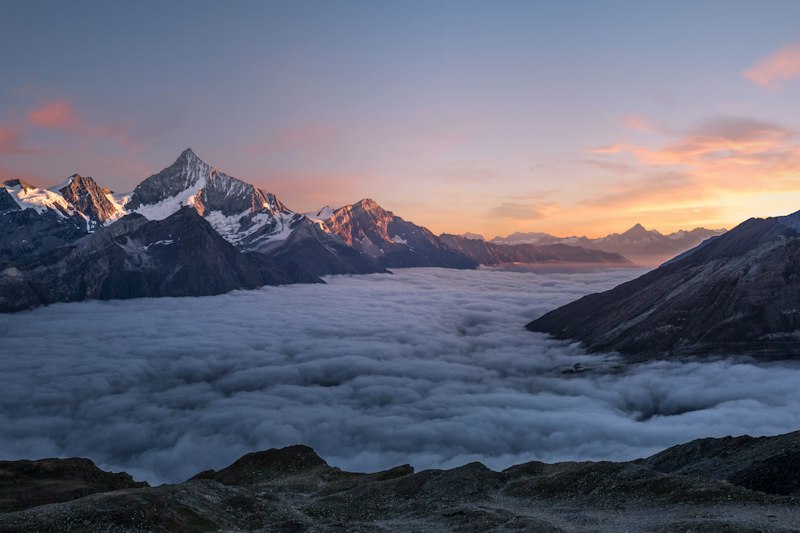
Imagine: a cool autumn morning in the south of Bordeaux. Mist lies over the vines like a silky veil, the Garonne flows quietly in the distance, the air smells of damp earth and ripe grapes. The sun slowly fights its way through the haze – and it is precisely in this magical moment that the transformation begins which turns simple berries into liquid gold.
A great Sauternes is more than a sweet wine. It is time, preserved in glass bottles. Honey, saffron, candied fruit, orange blossom – and yet always that fine, vibrating acidity that holds everything together like a conductor leading an orchestra. One sip, and you feel as if time pauses for a brief moment.
Sauternes is not fashion, not a trend. It is a promise: of intensity, emotion – and eternity.
---
The Distinctive Terroir and Climate
#### The soil: Stone, sand, and silent power
Sauternes lies in the south of Bordeaux, on the left bank of the Garonne. The best sites stretch over gentle hills around five communes: Sauternes, Barsac, Bommes, Preignac, and Fargues.
The soils form a multi-layered mosaic:
- Gravel and pebbles on the hilltops, often over clay or limestone
→ They store warmth, promote ripeness and concentration, and ensure low yields, but in return enormous aromatic density.
- Limestone (especially in Barsac)
→ Gives the wines taut, finely etched acidity, clarity, and precision. Barsac wines often seem more linear, sometimes almost “airier” than the most opulent Sauternes.
- Clay and sand in lower-lying areas
→ Bring richness and texture, support water retention and help the vines through drier periods.
This interplay of warm, well-drained gravel soils and cooler, calcareous subsoils creates the stage on which Sauternes can develop its incomparable aromatic concentration and balance.
#### The climate: When mist becomes a blessing
The true secret of Sauternes lies not only in the soil – but in the air.
Here, where the cool, clear Ciron flows into the broader, warmer Garonne, a meteorological marvel occurs in autumn:
- Cool air from the Ciron meets
- warm, humid air from the Garonne
→ In the early morning, dense banks of mist form that envelop the vineyards. By midday the sun drives away the mist and the vines dry out.
This very alternation of moisture in the morning and sun during the day is the perfect breeding ground for the unassuming star of the region: Botrytis cinerea, noble rot. It penetrates the berry skin, allows water to evaporate, and concentrates sugars, acids, and aromatic compounds. The berries shrivel into amber-colored, almost raisin-like grapes – and from them emerges the essence we know as Sauternes.
In many wine regions, botrytis would be a disaster. In Sauternes it is a blessing – and the winemakers are its patient alchemists.
---
The Grape Varieties: The Heart of the Region
Sauternes is a blended wine – but one variety dominates.
- Sémillon (often 70–90%)
The soul of Sauternes. Thin-skinned, thus ideal for botrytis, with natural richness and a slightly waxy texture. Sémillon brings notes of honey, dried apricots, beeswax, nuts, and later often saffron. It is responsible for the famous creaminess and density of the wines.
- Sauvignon Blanc (10–30%)
The source of freshness. It contributes acidity, tension, and aromatic brilliance – citrus zest, white flowers, exotic fruits. In youth it ensures that the wines never feel heavy despite their sweetness.
- Muscadelle (occasionally, in small proportions)
An aromatic splash of color: floral and lightly spicy notes, sometimes a hint of nutmeg blossom and lychee. Rare, but in small doses a wonderful refinement.
The interplay of these grape varieties, shaped by botrytis, makes Sauternes a wine that is both opulent and vibrant – like golden silk shot through with fine, cool silver threads.
---
History & Tradition
The history of Sauternes is a chronicle of patient waiting – for mist, sun, and the perfect harvest date.
As early as the 17th and 18th centuries, the noble sweet wines from Bordeaux were in demand in England, the Netherlands, and later Russia. Merchants played an important role in spreading the style and encouraged the châteaux to produce riper and more concentrated wines.
The great turning point came in 1855, when, on the occasion of the World’s Fair in Paris, the famous classification of Bordeaux wines was created. Sauternes received its own hierarchy:
- Premier Cru Supérieur: a single name towers above all – Château d’Yquem, still an icon and myth today.
- Premiers Crus: among others Château Suduiraut, Château Rieussec, Château Climens (Barsac), Château Coutet.
- Deuxièmes Crus: a large number of excellent estates that still deliver outstanding quality today.
This classification anchored Sauternes as the ultimate benchmark for noble sweet wines worldwide.
Despite changing fashions – from the boom of the 1970s and 1980s to some decline in recent decades – the best châteaux unwaveringly adhere to uncompromising quality: multiple, selective hand harvests in several passes (tries), radical yield reduction, long aging in wood. Every liter of Sauternes is the result of enormous effort – and you can taste it.
---
Enjoyment & Perfect Pairings
#### Sensory profile: A kaleidoscope of gold
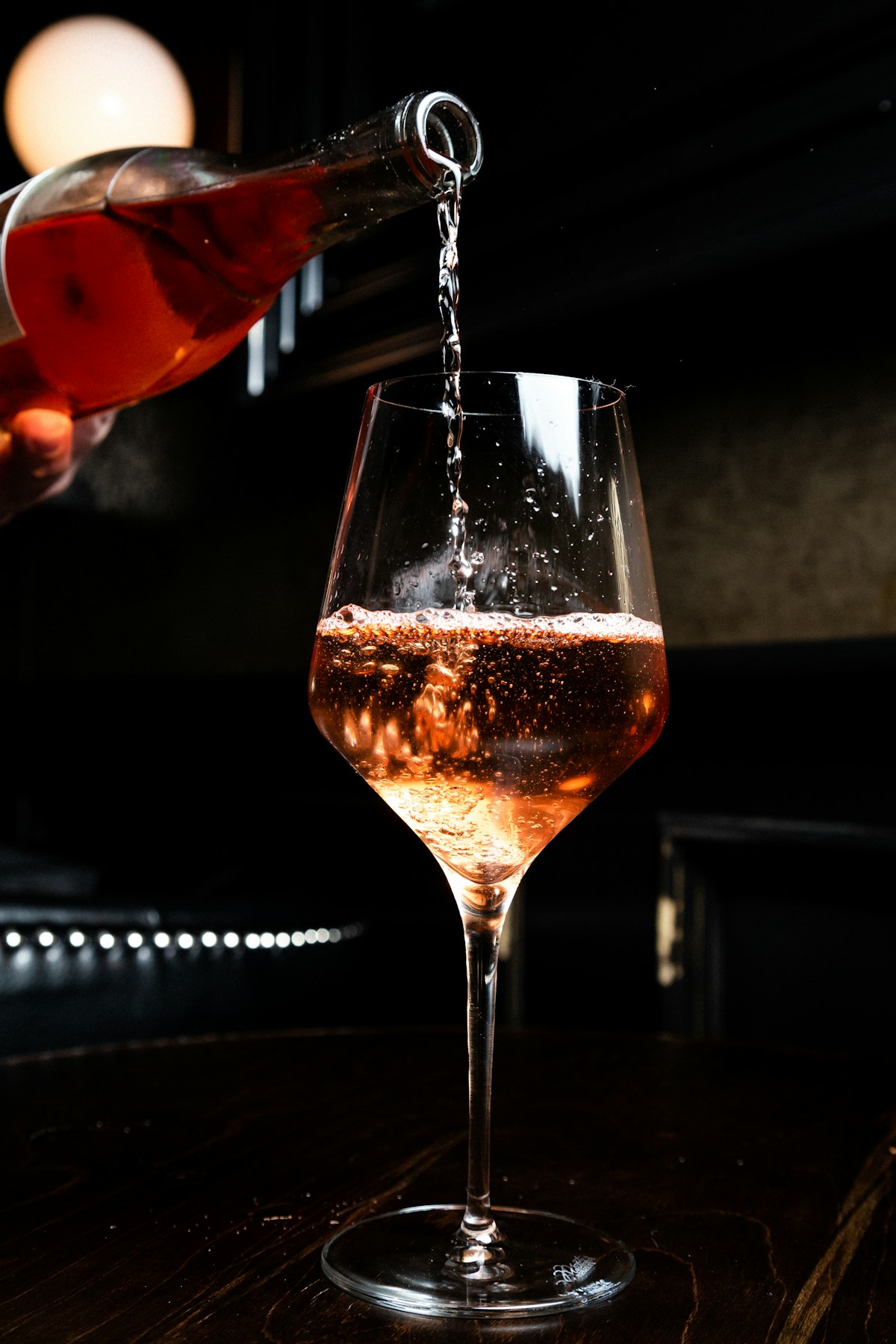
A great Sauternes in the glass is like liquid light.
- Color: bright gold in youth, deepening with age to amber, sometimes with almost copper reflections.
- Nose: a multi-layered bouquet – acacia honey, candied orange peel, ripe apricots, peach compote, dried pineapple, vanilla, almond, roasted hazelnut, saffron, beeswax, and sometimes a hint of smoke or tea.
- Palate: generous sweetness, but never cloying. The acidity – supported above all by Sauvignon Blanc – runs through the wine like a red thread, giving it structure, tension, and length. The texture: creamy, almost oily, and yet with astonishing lightness.
A mature Sauternes – 15, 20 or 30 years old – develops additional dimensions: caramel, toffee, dried figs, dates, tobacco, truffle, sometimes nuances reminiscent of old cognacs – only with more freshness.
#### Food pairing: Beyond dessert
Anyone who serves Sauternes only with dessert underestimates it profoundly. Its true greatness emerges when contrast and harmony meet.
- Classic: Foie gras
Whether as a terrine with brioche or pan-fried foie gras with caramelized apples – the rich, creamy texture and fat content of the liver find their perfect counterpart in the sweetness and acidity of Sauternes.
- Blue and other vein-marbled cheeses
Roquefort, Bleu d’Auvergne, Gorgonzola Dolce: salty, piquant, intense – and alongside a glass of Sauternes. The contrast of salt and sweetness, creaminess and acidity, is simply overwhelming.
- Fine cuisine with an exotic touch
Dishes with saffron, ginger, coconut milk, or a hint of chili heat (e.g. scallops with saffron foam, Asian-inspired dishes with prawns) can harmonize with Sauternes in fascinating ways.
- Poultry & shellfish
Guinea fowl with orange jus, lobster with vanilla butter, roast quail with grapes – for these aromatic dishes, a not-too-sweet, elegant Sauternes can be a breathtaking partner.
- Dessert – but with care
The ideal match is simple desserts: tarte Tatin, crème brûlée, almond cake, puff pastry with apricots, panna cotta with citrus fruits. Desserts that are too sweet and heavy can overpower the wine – subtlety pays off here.
Tip: Serve Sauternes slightly chilled (8–11°C / 46–52°F) – this shows all its inner tension and ensures it never seems heavy.
---
FAQ – The 10 most important questions about Sauternes
1. What makes Sauternes wines so special?
Sauternes combines a rare mix of noble sweet concentration, vibrant acidity, and incredible aromatic depth. The unique development of botrytis driven by mist and sun, meticulous handpicking in several passes, and the heat-retaining terroir make each vintage an artisanal masterpiece. It is sweetness with seriousness – not just a “dessert wine” but a great, complex wine.
2. Which grape varieties dominate in Sauternes?
The main variety is Sémillon, which brings richness, creaminess, and honeyed notes. It is complemented by Sauvignon Blanc, which adds acidity, freshness, and citrus/exotic fruit notes. In a few blends, Muscadelle appears in small amounts, contributing floral accents.
3. What does a typical Sauternes wine taste like?
It shows intense aromas of honey, ripe apricots, peach, candied citrus fruits, tropical fruits, vanilla, nuts, and often saffron, embedded in a dense, creamy texture. On the palate it is sweet, but lively acidity ensures balance. With age, notes of caramel, dried fruits, wax, tobacco, and truffle develop.
4. How long should Sauternes wines be aged?
Many good Sauternes can age for 20–30 years, and the greatest examples for significantly longer. Top wines like Château d’Yquem can remain at a high level for more than 50 years. Entry-level and basic cuvées often show their best drinking window after 5–10 years, but are also very accessible when young.
5. Which dishes pair well with Sauternes wines?
Classic pairings include foie gras, blue cheeses (Roquefort), poultry with fruity sauces, shellfish, saffron or vanilla dishes, and understated desserts such as tarte Tatin or crème brûlée. Pairings with lightly spicy Asian dishes are also exciting, where the wine’s sweetness and acidity tame heat and capture aromas.
6. What is special about the terroir of Sauternes?
The region benefits from gravelly, calcareous, and clay soils that store heat and produce concentrated, ripe grapes. The truly unique feature is the microclimate at the confluence of Ciron and Garonne: autumn mists in the morning, sun during the day – ideal conditions for regular, controlled development of botrytis. This combination is virtually unmatched worldwide.
7. Which estates in Sauternes are particularly recommended?
Alongside the legend Château d’Yquem, there are numerous outstanding châteaux, for example:
- Château Suduiraut
- Château Rieussec
- Château Climens (Barsac, often particularly fine and mineral)
- Château Coutet
- Château Guiraud
- Château de Fargues
Smaller estates and second wines also often offer excellent value for money.
8. How much does a good Sauternes wine cost?
Prices vary widely:
- Solid, enjoyable Sauternes is available from about €20–30 per 0.75 l bottle.
- High-class crus usually range between €40 and €80.
- Icons such as Château d’Yquem often fall, depending on vintage and maturity, into the three-digit to high three-digit range. Half-bottles are a good way to get to know the great names.
9. When is the best time to visit Sauternes?
A visit is particularly appealing in autumn (September–October), when harvest is approaching or in full swing and mists drift over the vineyards. But spring and early summer are beautiful too – soft light, flowering vines, tranquil châteaux. Many estates offer tours and tastings, some even accommodation.
10. What are good alternatives to Sauternes wines?
If you love the style but want variety, you can turn to other noble sweet regions:
- Barsac (officially part of the appellation, but with its own character, often somewhat slimmer, very precise)
- Monbazillac (Southwest France, also botrytis, usually cheaper)
- Loupiac, Sainte-Croix-du-Mont in Bordeaux
- Internationally: Tokaji Aszú (Hungary), Trockenbeerenauslesen from Germany and Austria, noble sweet Chenin Blanc from Coteaux du Layon / Quarts de Chaume in the Loire.
Each region interprets sweetness differently – but Sauternes remains the archetypal golden benchmark.
---
Conclusion: A Wine that Touches the Soul
Sauternes is more than an appellation, more than a famous name at the top of the Bordeaux classification. It is a quiet, golden rebellion against the fast pace of our time.
In a world where everything is supposed to become faster, lighter, more effortless, Sauternes stands for the opposite: for patience, craftsmanship, and trust in nature, weather, and intuition. Every vintage is a gamble. Every liter a gift.
Next time you hold a glass of Sauternes, take a moment. Look at the color, breathe deeply, let the aromas rise – and do not just drink, but listen. You will hear the whisper of the mists over the Ciron, the crunch of pebbles under the pickers’ feet, the faint knock of barrels in the cool cellar.
Sauternes is a wine that touches the soul because it comes from a place where patience, risk, and passion distill into a single, luminous word: eternity.