Colchagua – Chile's Red Jewel Between Andes and Pacific
Discover Colchagua.
Colchagua: Where Chile’s Red-Wine Hearts Beat Faster
Meta description: Discover Colchagua in Chile: powerful red wines, unique terroir, fascinating history, food pairings, and travel inspiration at a glance.
---
Introduction
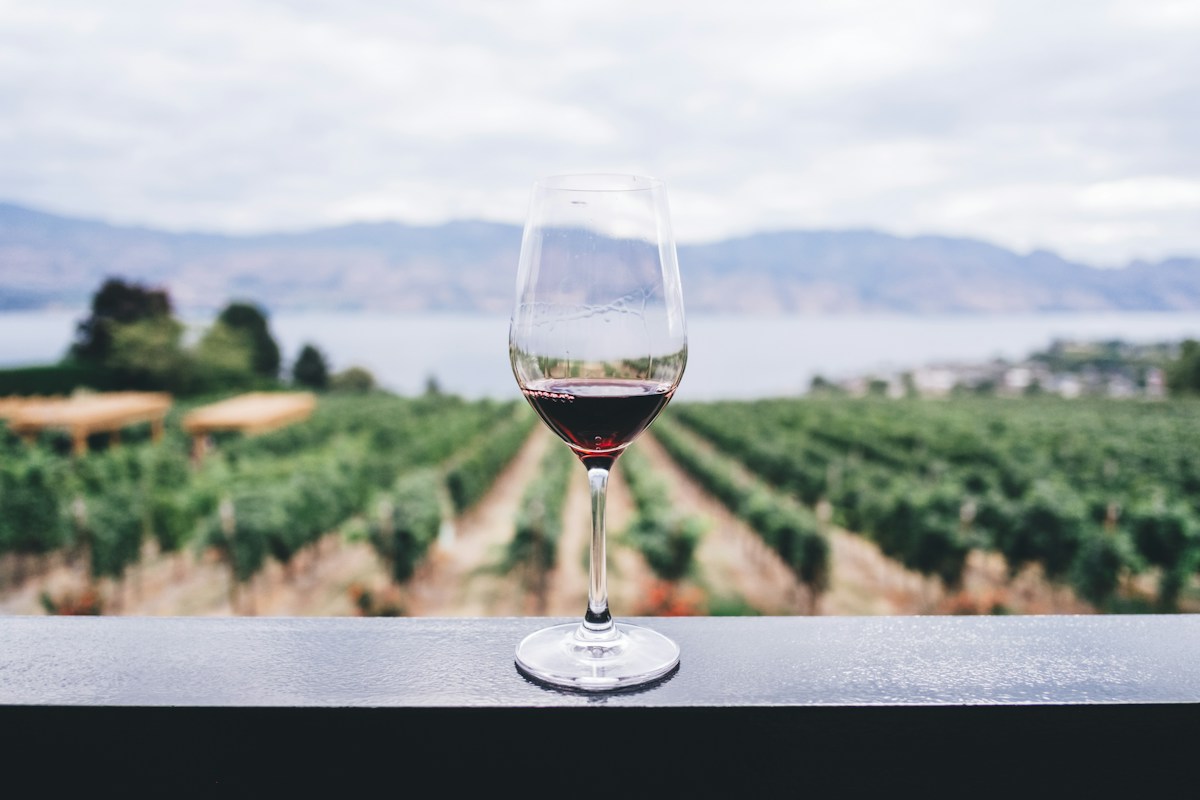
Colchagua – the sound of the name alone evokes images of sun-drenched valleys, shimmering light over the vines, and deep ruby-red wine in the glass. Southwest of Santiago, nestled between the Andes and the Pacific, the Colchagua Valley has transformed in just a few decades from insider tip to dream destination for wine lovers.
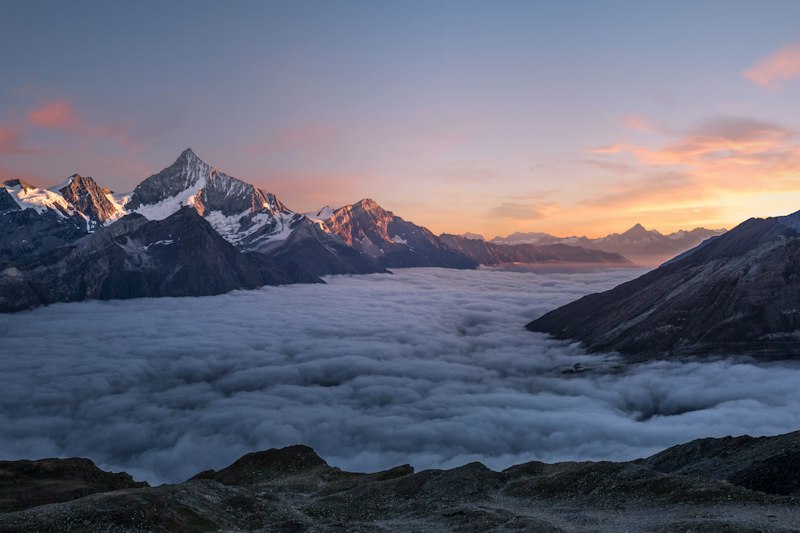
Anyone traveling here quickly senses: Colchagua is more than a wine-growing region. It’s a feeling. In the morning, cool Andean air still hangs over the rows of vines; at midday the sun burns down on the grapes; in the evening an orange sky bathes the hills in soft light – perfect conditions for some of the most characterful red wines of the New World.
Today, Colchagua stands for concentrated yet elegant red wines – above all Carmenère, Cabernet Sauvignon, and Syrah. They are the liquid mirror image of a terroir that harmoniously unites opposites: cool breezes from the Pacific, protection from the Andes, stony soils, and intense sunshine.
This blog takes you on a journey into the heart of Chile’s red wine culture: we’ll look at terroir and climate, grape varieties and history, moments of enjoyment and food pairings – and answer the most important questions about Colchagua.
---
Terroir and Climate
Colchagua lies in the heart of Chile’s central wine belt, around 180 km south of Santiago. The valley stretches from the foothills of the Andes almost to the Pacific – an east–west axis that decisively shapes the microclimate.
Mediterranean climate with maritime influence
The climate in Colchagua is predominantly Mediterranean:
- warm, dry summers
- mild, relatively dry autumns
- cool, wetter winters
But the true magic arises from the interplay of mountains and sea. During the day, the valley heats up, and the grapes accumulate sugar and aromas. In the afternoon, cool breezes from the Pacific flow through the valleys, lower temperatures, and extend the ripening period. This preserves freshness and acidity – a crucial factor for balance and elegance in the wine.
Soil diversity as architect of flavor
Colchagua is not a homogeneous valley; it’s a mosaic of soil types, each imparting its own character to the wine:
- Alluvial soils near valley floors and rivers (clay, sand, gravel) – ideal for structured, approachable reds with juicy fruit.
- Granite and schist soils on the slopes – bring depth, minerality, and often more pronounced tannin structure.
- Clay and loam soils in some subzones – favor full, dense wines with concentrated fruit.
Names like Apalta, Marchigüe, and Peralillo have long since become synonyms for outstanding sites. Steep slopes, careful vineyard management, and low yields deliver grapes of exceptional quality.
Why this terroir is so perfect for red wine
The combination of:
- intense sunshine
- cool nights
- dry summers (low disease pressure)
- excellent soil drainage
makes Colchagua a paradise for late-ripening, deeply colored grape varieties. Powerful but not overripe reds with dark fruit, velvety tannins, and a spicy, often slightly chocolaty note are the norm here, not the exception.
---
Grape Varieties
Colchagua is, first and foremost, red wine country. There are white varieties as well, but the stars in the glass are red – and they tell the story of modern, ambitious Chile.
Carmenère – Chile’s original soul
Long confused with Merlot, Carmenère was revealed in the 1990s as the “lost Bordeaux variety” that had quietly survived in Chile. In Colchagua it has found an ideal home:
- deep, dark color
- aromas of plum, blackberry, cassis
- notes of bell pepper, herbs, sweet spices, and sometimes dark chocolate
- velvety tannins, soft mouthfeel
Carmenère from Colchagua is often generous, warm, and inviting, without losing its characteristic spice. Anyone seeking Chile’s identity in the glass should start here.
Cabernet Sauvignon – classic power
Cabernet Sauvignon is the most widely planted red variety in the region and forms the backbone of countless top cuvées:
- blackcurrant, cherry, cassis
- tobacco, cedarwood, graphite
- firm but ripe tannins
- excellent aging potential
In Colchagua, Cabernet shows its powerful but less austere side than in cooler regions – denser, more fruit-driven, often with a hint of vanilla and toast from barriques.
Syrah – spicy modernity
Syrah has gained significant importance in Colchagua in recent years:
- dark berries, plum, violet
- pepper, smoke, sometimes bacon and herbs
- opulent, with juicy fruit and fine spice
Especially in slightly cooler subzones, Syrahs are created that balance between Rhône style (spicy, structured) and New World style (opulent, fruity).
Other important varieties
- Malbec: denser and darker than many Argentine counterparts, with lots of fruit and soft acidity.
- Merlot: round, fruity, uncomplicated, often used for blending.
- Petit Verdot & Cabernet Franc: in high-quality blends for structure, color, and complexity.
- White varieties (Sauvignon Blanc, Chardonnay, Viognier): smaller plantings, occasionally excellent, often fruit-driven and fresh.
---
History
The history of viticulture in Colchagua is closely interwoven with Chile’s general wine tradition – and yet the valley has followed its own path.
From missionaries to landowners
The first vines came to Chile with Spanish conquerors in the 16th century. For a long time, simple, rustic wines for local consumption dominated. Only in the 19th century, with the introduction of French varieties by wealthy landowners, did a qualitative upswing begin.
With its fertile valley and moderate climate, Colchagua quickly became one of the preferred locations for new plantings. Family ownership, large haciendas, and a close connection to the land shaped the region.
Change in the 20th century
Political upheavals, economic crises, and fluctuating demand repeatedly slowed development. Many wines were simple, exports limited. Yet beneath the surface something was ripening: growing experience with the soils, a growing awareness of quality, and the realization that Colchagua could be more than just another agricultural valley.
The renaissance since the 1990s
With Chile’s economic opening and investments in modern cellar technology, a new era began for Colchagua. International winemakers, French barriques, precise vineyard work, and the rediscovery of Carmenère as an independent variety triggered a leap in quality.
Iconic wines from sites like Apalta made headlines worldwide. Critics awarded high scores, and Colchagua anchored itself on the global map of top wine regions. Today, the valley is considered one of South America’s leading red wine hotspots – with an impressive spectrum from affordable everyday wines to iconic luxury cuvées.
---
Enjoyment & Food Pairing
Colchagua wines are made for life, not for display cases. They are meant to be opened, shared, and enjoyed – ideally with hearty, aromatic dishes.
Carmenère – the spicy one
Pairs perfectly with:
- grilled lamb or beef
- braised meat (e.g. beef pot roast, ossobuco)
- dishes with bell pepper, herbs, tomatoes (chili con carne, ratatouille)
- medium-intense, semi-hard cheeses
The combination of soft tannins and spicy notes makes Carmenère a surprisingly versatile food companion that works wonderfully with both meat and vegetables.
Cabernet Sauvignon – the classic with meat
- grilled steak (beef, entrecôte, ribeye)
- game dishes (venison, wild boar)
- hearty stews and ragouts
- aged hard cheeses (e.g. Manchego, aged Cheddar, Comté)
Its structure calls for protein and fat, which tame the tannins and bring the fruit to the fore.
Syrah – when things can get intense
- BBQ with smoky flavors
- lamb chops with herbs
- oriental cuisine with cumin, coriander, cinnamon (e.g. lamb tagine)
- spicy sausages (chorizo, merguez)
Syrah from Colchagua loves intense, slightly spicy and aromatic food.
Vegetarian food pairings
Plant-based cuisine also finds strong partners in Colchagua wines:
- grilled vegetables (eggplant, zucchini, bell pepper)
- mushroom dishes (porcini risotto, mushroom ragout)
- lentil stews with herbs and tomato
- spicy cheese and nut dishes
Pronounced roasted flavors, umami, and spices provide the framework red wines need to truly shine.
Serving temperature & service tips
- Serve reds from Colchagua at 16–18 °C (pour them slightly cooler; they’ll warm up in the glass).
- Decant young, powerful wines for 30–60 minutes.
- High-quality single-vineyard wines often age well for 5–15 years (depending on style), but many are approachable when young.
---
FAQ – 10 Questions about Colchagua
1. Where exactly is the Colchagua Valley located?
Colchagua lies about 180 km south of Santiago in central Chile, in the O’Higgins region, between the foothills of the Andes to the east and the Pacific to the west.
2. What is Colchagua known for in viticulture?
Above all for high-quality red wines – especially Carmenère, Cabernet Sauvignon, and Syrah – with intense fruit, soft tannins, and good structure.
3. What makes the climate in Colchagua so special?
A Mediterranean base climate meets cool breezes from the Pacific and nighttime cooling from the Andes. These temperature differences allow slow ripening, intense aromas, and fresh acidity.
4. Which grape variety is considered typical for Chile and Colchagua?
Carmenère is regarded as Chile’s “signature grape.” In Colchagua it produces particularly expressive, spicy, and at the same time velvety red wines.
5. Can you visit Colchagua and tour wineries?
Yes, Colchagua is a very visitor-friendly region with numerous wineries, guided tours, tastings, restaurants, and charming places to stay.
6. Are Colchagua wines suitable for aging?
Many high-quality wines – especially Cabernet-based blends and complex Carmenère – have very good aging potential of 5–15 years and longer. Simpler wines are intended for early drinking.
7. Which foods generally pair well with Colchagua reds?
Grilled meat, braised dishes, spicy stews, BBQ, mushroom dishes, and aged cheeses are ideal partners. What matters are bold flavors that can stand up to the intensity of the wines.
8. Are there white wines from Colchagua as well?
Yes, but in smaller quantities. Sauvignon Blanc, Chardonnay, and Viognier are grown and typically yield fruit-forward, accessible wines. For particularly cool-climate white styles, more coastal regions are better known.
9. How does Colchagua differ from Maipo or Casablanca?
- Maipo is historically the “cradle” of Chilean Cabernet and lies closer to Santiago.
- Casablanca is significantly cooler and better known for fresh white wines and Pinot Noir.
- Colchagua stands for sun-kissed yet balanced reds with lots of fruit and a soft structure.
10. Are Colchagua wines inexpensive or expensive?
Everything exists: from very affordable everyday wines to highly acclaimed icons. Overall, many Colchagua wines offer strong value for money in the mid-range segment.
---
Conclusion
Colchagua is Chile’s emotional red wine treasure chamber. Here, everything that defines the country comes together: powerful nature, clear contours, vibrant tradition, and the courage to embrace modernity. The terroir between Andes and Pacific gives the wines intensity and elegance; the grape varieties – led by Carmenère and Cabernet Sauvignon – translate this potential into characterful, moving wines.
Whether you open a juicy bottle of Carmenère at your next barbecue, enjoy a mature Cabernet with a festive roast, or travel through the valley yourself: Colchagua invites you not just to drink wine, but to experience it. Sip by sip, vintage by vintage, it becomes clear why this Chilean valley has long been counted among the great red wine addresses of the world.