Casablanca Valley – Chile's Cool Elegance for White Wine Lovers
Discover Casablanca Valley.
Casablanca Valley: Where Chile’s Cold Ocean Fog Kisses Its Finest Wines
Meta description: Discover the magical Casablanca Valley in Chile – cool ocean breezes, noble grape varieties, and unforgettable moments of pleasure with wine and food.
---
Introduction
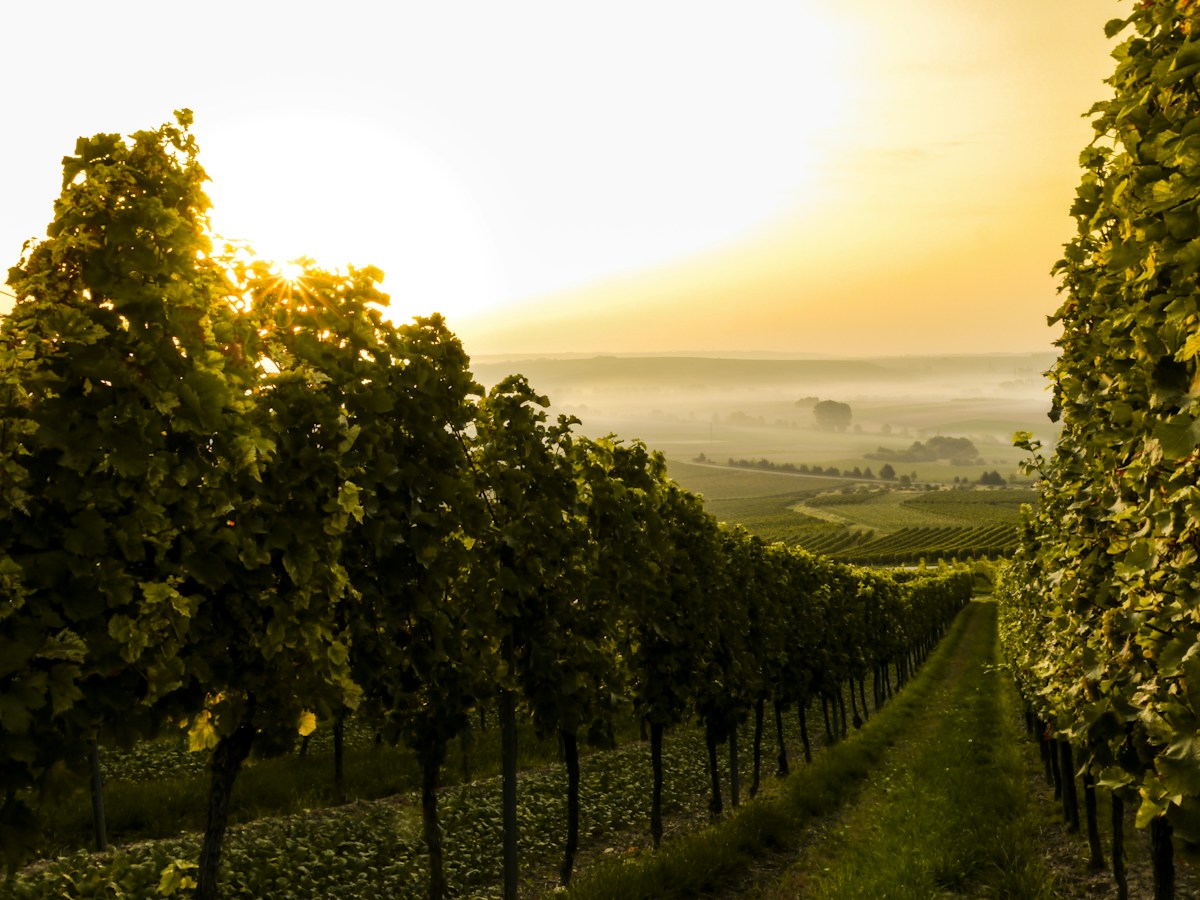
Even before the sun rises over the Pacific, a silvery fog slips like a quiet breath through the hills of the Casablanca Valley. The vines lie still, wrapped in this cool blanket, as if lingering in one last dream before the day begins. Right here, between ocean and Andes, beats the heart of one of Chile’s most exciting wine regions – young, fiercely determined, and at the same time surprisingly elegant.
The Casablanca Valley, just about an hour from Santiago de Chile, is no longer an insider tip. But anyone who takes their first steps through the vineyards immediately understands why the region irresistibly attracts wine lovers, sommeliers, and bon vivants from all over the world: the crystal-clear freshness in the air, the closeness to the ocean, the sparse soils – all this fuses into a terroir that seems made for aromatic, precise, and characterful wines.
This blog takes you on a journey into the Casablanca Valley: into its special climate, its key grape varieties, its young yet impressive history – and of course the moments of pleasure that linger long after the glass is empty.
---
Terroir and Climate
Casablanca is a valley of contrasts – and that is exactly what makes its wine so extraordinary.
Cool coastal location thanks to the Humboldt Current
The Casablanca Valley lies only about 30–40 kilometers from the Pacific. The cold Humboldt Current, which flows north along the Chilean coast, is the invisible director of this wine drama. It sends cool fog and fresh breezes into the valley in the morning. The result: daytime can be warm, but the nights remain cool – ideal conditions for a long, slow ripening of the grapes.
These pronounced temperature differences between day and night (diurnal temperature range) ensure that the grapes:
- retain their acidity,
- develop complex aromatics,
- and maintain a remarkable freshness.
Soils: Poor, stony, full of character
The terroir in the Casablanca Valley is characterized by:
- Granite and sandy soils
- occasional clay inclusions
- well-draining, meagre structures
What would be a disadvantage for other crops is a blessing for vines: the plants must root deeply, virtually struggling to survive – and it is precisely this stress that produces wines that are concentrated, mineral, and multi-layered. The texture of the soils later shows in the glass: in salty, cool notes and an often striking clarity.
Climate in a field of tension
- Mediterranean, but clearly maritime-influenced
- Cooler summers compared to other Chilean valleys
- Few but concentrated rains, mostly in winter
- Risk of spring frosts – a challenge that further shapes the vines
Casablanca is not an easy site. Yet it is precisely these challenges that form a terroir which ranks among the world’s most exciting cool-climate regions for white wines and elegant reds.
---
Grape Varieties
So cool, so clear, so close to the ocean – the Casablanca Valley is best known for its white wines. But red wines, especially from cool-climate varieties, are increasingly making a name for themselves.
Sauvignon Blanc – The flagship
If there is one grape variety that has made the Casablanca Valley famous, it is Sauvignon Blanc. Here it shows an impressive range:
- Aromas of lime, grapefruit, green apple
- Notes of gooseberry, passion fruit, blackcurrant leaf
- Often a touch of sea salt, wet stone, cool minerality
In the glass these wines are lively, almost electric – with an acidity that wakes you up but never feels harsh. Sauvignon Blanc from Casablanca pairs perfectly with the cool breeze that sweeps over the vineyards.
Chardonnay – Elegance instead of opulence
Chardonnay in the Casablanca Valley is an answer to all those wines that seem too fat and overripe. Here it impresses with:
- Citrus fruits, white peach, pear
- Delicate floral notes and occasionally a hint of brioche
- a precise, linear structure
Depending on how it is made – in stainless steel or in barrique – the spectrum ranges from taut and mineral to gently buttery with finely integrated oak. Never overblown, always with backbone.
Pinot Noir – The cool diva
The fact that Chile can produce great Pinot Noir is closely tied to Casablanca. The cool coastal air lets this demanding variety breathe:
- Scents of cherry, raspberry, strawberry
- often floral tones: violet, dried rose petals
- on the palate silky, with fine tannins and elegant acidity
Casablanca Pinot is like a quiet, intense dialogue – nothing loud or showy, but full of depth and finesse.
Other varieties in the valley
- Gewürztraminer: Exotic spice, lychee, blossoms – often off-dry, aromatic, and seductive.
- Riesling: Citrus, green apple, sometimes a petrol note with age; crystal clear and full of tension.
- Cool-climate Syrah: Peppery, fresh dark berries, more elegant than brawny.
This diversity makes the Casablanca Valley a laboratory of aromas – playful, experimental, and always closely linked to its climate.
---
History
While many European wine regions can look back on centuries or even millennia, the Casablanca Valley is essentially a young talent – but one that has risen quickly.
Late start, rapid rise
Up until the 1980s, the Casablanca Valley was considered primarily an agricultural area – but not a classic wine region. Too cool, too foggy, too risky, people thought. Then came a few visionary winemakers, inspired by cool-climate regions such as the Loire Valley, Burgundy, or parts of California. They didn’t see the fog as a problem, but as potential.
In the late 1980s, they began to plant Sauvignon Blanc, Chardonnay, and later Pinot Noir in a targeted way. The result: wines that clearly differed from the warm, powerful bottles of other Chilean valleys. Fresher, more aromatic, more elegant.
Breakthrough on the world stage
In the 1990s and early 2000s, Casablanca gained international profile. Critics, trade press, and sommeliers discovered that Chile stands not only for concentrated reds, but also for cool, high-tension whites.
Almost overnight, Casablanca became synonymous with Chilean Sauvignon Blanc and ambitious Chardonnay. With every new vintage, the region’s self-confidence grew – along with investments in quality, sustainable viticulture, and modern cellar technology.
Today: Experimental and future-oriented
Today, the Casablanca Valley is:
- a protected designation of origin (D.O. Casablanca Valley)
- a center for sustainable viticulture: irrigation management, erosion control, biodiversity
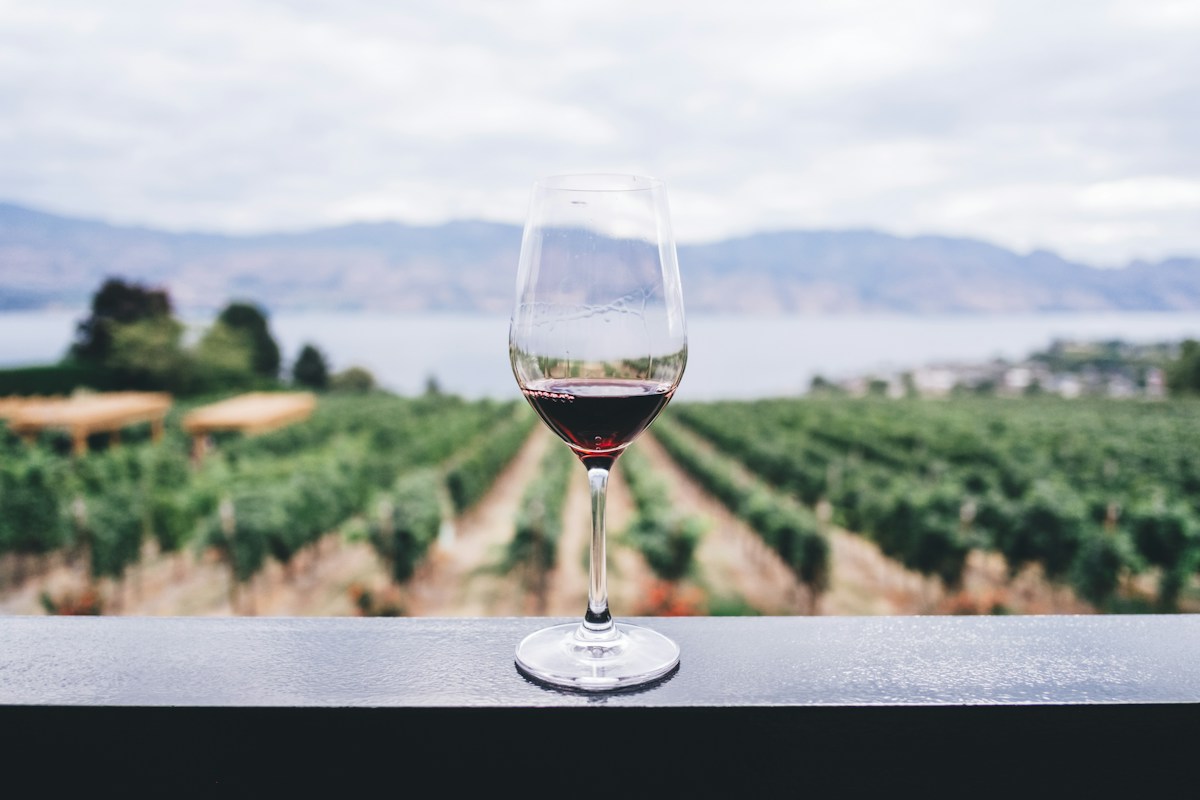
- a hotspot for wine tourism, with charming boutique wineries, tasting rooms, and restaurants overlooking the vines
The history of the Casablanca Valley is far from finished – it is rewritten with every harvest. Young enough to be bold, experienced enough to show style and identity.
---
Enjoyment & Food Pairing
Wine from the Casablanca Valley is more than a drink – it is a culinary compass that leads you effortlessly through an entire menu.
Sauvignon Blanc – Freshness for seafood & vegetables
With its salty freshness and citrus-driven aromatics, Sauvignon Blanc is the natural partner for:
- Fish and seafood: ceviche, scallops, oysters, grilled white fish
- Vegetable dishes: asparagus, zucchini, fresh salads with citrus vinaigrette
- Goat’s cheese and fresh cheese: the acidity cuts through the creaminess and makes everything feel lighter
A well-chilled glass of Casablanca Sauvignon Blanc and a plate of Pacific ceviche – that’s the essence of this region in a perfect duo.
Chardonnay – The all-rounder with ambition
Chardonnay from the Casablanca Valley is highly versatile:
- Poularde or chicken in creamy sauces
- Salmon, tuna, swordfish, ideally grilled
- Risotto with seafood or mushrooms
- Mild to medium-ripe cheeses, such as Brie or Camembert
The more barrique and creamy texture the wine brings, the richer the dish can be. A mineral, stainless-steel-aged Chardonnay loves fine, purist flavors; a lightly oaked style happily accompanies riper, fuller dishes.
Pinot Noir – Gentle red, big character
Pinot Noir from Casablanca is a master of nuances, also at the table:
- Duck breast, guinea fowl, veal – ideally served pink
- Salmon or tuna – raw as tataki or briefly grilled
- Mushroom dishes, mushroom risotto, sautéed king oyster mushrooms
- Medium-intensity cheeses and charcuterie
Its fine acidity and gentle tannins leave room for the food’s aromas. Nothing is overwhelmed; everything is more finely drawn.
Aromatic varieties – Gewürztraminer & co.
Gewürztraminer and other aromatic varieties from Casablanca are ideal partners for:
- Spicy Asian cuisine: Thai curry, Vietnamese dishes, sushi with wasabi
- Oriental cuisine: couscous, tagine with dried fruits, Ras el Hanout
- Soft cheeses and blue cheeses, when the wines are made with a touch of residual sweetness
They bring exoticism into the glass and take you on a culinary journey far beyond Chile.
---
FAQ – 10 Questions About the Casablanca Valley
- Where exactly is the Casablanca Valley located?
The Casablanca Valley is in central Chile, between Santiago de Chile and the coastal city of Valparaíso, just a few dozen kilometers from the Pacific.
- Why is the climate in the Casablanca Valley so special?
The cold Humboldt Current brings fog and cool breezes into the valley. This keeps temperatures moderate and allows the grapes to ripen slowly – ideal for aromatic, fresh wines.
- Which grape varieties are typical for the Casablanca Valley?
Primarily Sauvignon Blanc, Chardonnay, and Pinot Noir, plus smaller amounts of Gewürztraminer, Riesling, and cool-climate Syrah.
- What is the Casablanca Valley internationally known for?
Above all for its cool, elegant white wines, especially Sauvignon Blanc, as well as finely structured Pinot Noirs with a Burgundian feel.
- Since when has wine been grown in the Casablanca Valley?
Modern quality winegrowing began only in the 1980s, but has since developed rapidly and firmly established itself.
- What does a typical Sauvignon Blanc from Casablanca taste like?
Fresh, lively, with aromas of citrus fruits, gooseberry, green apple, and often a salty, mineral undertone.
- Can you visit the Casablanca Valley?
Yes, numerous wineries offer cellar tours, tastings, and dining. Because it is so close to Santiago, it’s easy to plan a day trip or a gourmet weekend.
- Are wines from Casablanca more light or powerful?
They tend to be medium-bodied, fresh, and elegant. The focus is less on sheer power and more on precision, acidity, and aromatics.
- Do Casablanca wines pair well with vegetarian cuisine?
Absolutely. Especially Sauvignon Blanc and Chardonnay pair wonderfully with vegetable dishes, salads, pasta, and cheese.
- Are wines from the Casablanca Valley suitable for aging?
Many white wines are designed for freshness and early drinking. High-quality Chardonnays and Pinots, however, can age for several years and gain in complexity.
---
Conclusion
The Casablanca Valley is a valley full of quiet yet insistent stories: of cold sea fogs that cool the vines; of soils that challenge the roots; of winemakers who had the courage to bet on cool elegance in a warm country, against all expectations.
The wines that are born here carry these stories within them. They are fresh, clear, and aromatic – but above all they possess an emotional depth that can’t be measured in lab analyses. Every sip is a reminder of the cool morning air above the vines, the distant roar of the Pacific, the sun-warmed afternoons between the rows.
Anyone who experiences the Casablanca Valley in a glass understands: wine is more than a product. It is a place, a climate, a hand, a vision. And in the case of Casablanca, it is a promise – of tension, of elegance, of pleasure that echoes long after the last drop.