Goldlied Scheurebe: When Morning Dew Turns into Wine
A tribute to Scheurebe – a quiet, poetic German grape that shines between Riesling and Sauvignon Blanc with cassis, grapefruit and golden light.
Goldlied Scheurebe: When Morning Dew Turns into Wine
Dear wine lovers,
some grape varieties speak softly – and that is exactly where their magic lies. Scheurebe is one of those quiet, almost forgotten melodies in the grand concert of the wine world. It doesn’t shout for attention, it whispers. Yet anyone who takes the time to listen will be rewarded with one of the most dazzling, poetic voices of German wine landscapes.
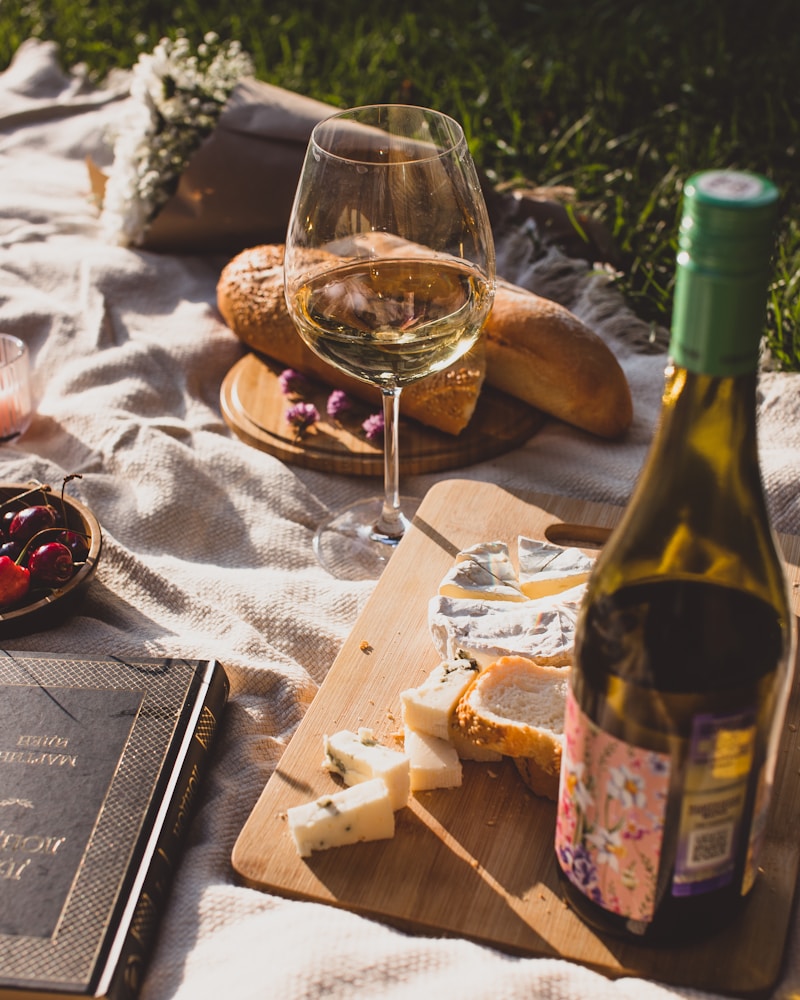
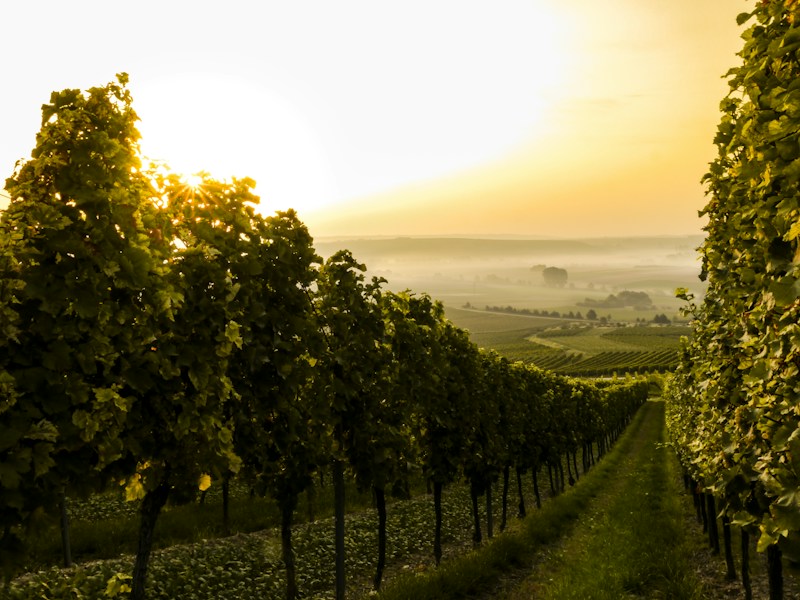
What makes this variety so special? It is like a sunbeam caught in the early morning mist of the vineyards: clear and radiant, yet mysteriously veiled. In the glass it shows a pale straw yellow right through to delicate golden highlights, as if autumn itself had dipped its fingertips into it. On the nose it’s a kaleidoscope: blackcurrant, juicy grapefruit, delicate peach, fresh gooseberry, plus citrus zest, a hint of blossom and fine herbs – like a stroll through a garden just after the rain. On the palate it is in constant motion, dancing between sweet seduction and crystal-clear, invigorating acidity.
Scheurebe is a grape full of emotion and contrast – and perhaps that is why it is a wine for people who don’t just want to drink, but to feel. It is a compliment to all who have remained curious, who leave room for an extraordinary German grape between Riesling and Sauvignon Blanc. Let’s dive together into this golden light.
---
1. The Globetrotter in the Glass: Where Scheurebe Feels at Home
Scheurebe may have its roots in Germany, but in the glass it behaves like a little globetrotter: sometimes playfully exotic, sometimes cool and mineral, sometimes sensually melting. Its true home is the German wine regions – and each of them gives it a face of its own.
Rheinhessen – The Sun Poet
Rheinhessen is one of the most important homelands of Scheurebe. Here, on gentle hills and in sheltered sites, it often shows its charming, fruit‑driven side.
In Rheinhessen, the following dominate:
- aromas of cassis (blackcurrant)
- ripe grapefruit
- juicy peach and gooseberry
The wines are usually medium‑bodied, with luminous acidity that is rarely harsh. Here you’ll find both dry Scheureben with zesty citrus tension and off‑dry and fruit‑sweet styles that feel like liquid sunshine on warm summer evenings. Rheinhessen Scheureben are often approachable, open‑hearted – the first friendly handshake of this grape variety.
Pfalz – The Sensual Hedonist
In the Pfalz, where almond trees blossom and the climate feels almost Mediterranean, Scheurebe reveals a hedonistic streak. The extra warmth allows the grapes to ripen a little more – and you can taste it:
- more intense peach and exotic fruit
- ripe grapefruit and juicy citrus notes
- a softer, rounder‑tasting acidity structure
Scheurebe from the Pfalz is often a charming seducer – wonderful as a fruit‑driven, dry or off‑dry wine that pairs beautifully with colourful starters, boldly spiced dishes and long evenings on the terrace. At times it recalls Sauvignon Blanc, but with its very own, almost creamy warmth at heart.
Franken – The Crystal-Clear One
Franken, with its Muschelkalk and Keuper soils, produces Scheurebe that feels almost crystalline. Here it shows:
- very precise, high acidity
- cool, herbal‑floral aromatics
- citrus zest, grapefruit and fine gooseberry
Scheurebe from Franken, often bottled in Bocksbeutel, tends to be more taut, more mineral and more serious. The fruit is there, but not loud – it is embedded in a clear structure and an almost salty minerality. Anyone who loves dry, precise, characterful white wines will fall in love here.
Nahe – The Fine Spirit
The Nahe is a treasure chest for mineral, finely balanced white wines – and Scheurebe is no exception. Here, wines are created that marry aroma and delicacy:
- blackcurrant meets herbs and blossom
- citrusy freshness, often very elegantly integrated
- medium body, fine texture, delicate minerality
Nahe Scheureben feel like watercolours: detailed, yet never intrusive. The balance of sweetness and acidity in off‑dry or noble sweet styles can border on the magical.
Saale-Unstrut – The Northern Romantic
Farther north, in Saale-Unstrut, the climate is cooler and the growing season shorter. Here, Scheurebe becomes a delicate, northern beauty:
- pronounced fresh acidity
- more restrained but very clear fruit (citrus, gooseberry, herbs)
- often lower in alcohol, elegant and subtle
These wines are like a spring morning: cool, awakening, with gentle floral notes. For lovers of filigree, light wines, Scheurebe from Saale-Unstrut is a discovery.
---
2. Between Steel and Wood: How Maturation Shapes Scheurebe
Scheurebe is a variety with fascinating aromatics – and precisely for that reason it reacts sensitively to the way it is made. Like a fine instrument, it needs careful tuning. Two main paths shape its character: maturation in stainless steel and maturation in wooden casks.
Stainless Steel – The Pure Voice
In stainless steel tanks, temperature is controlled, the wine has no contact with wood, no tones of vanilla or toast – just pure, unadulterated fruit. For Scheurebe, this means:
- pronounced notes of blackcurrant, grapefruit, peach, gooseberry
- crystal‑clear citrus freshness and high, invigorating acidity
- a rather light to medium body, very fresh and animating
Dry and off‑dry styles in particular benefit enormously from stainless steel. Herbal and floral tones remain clearly recognisable, and the wine feels like a sparkling mountain stream: cool, bright, alive. If you want to get to know Scheurebe “in pure form”, a wine matured in stainless steel is the perfect starting point.
Wooden Cask – Gentle Refinement
Wood and Scheurebe – a delicate but highly exciting partnership. Here it is usually not about new, heavily toasted barriques, but rather:
- large, old wooden casks (Fuder, Stückfass)
- subtle micro‑oxidation
- added structure and roundness without drowning out the fruit
Wood can give Scheurebe more texture, melt and depth. The high acidity is cushioned, the wine feels rounder, creamier, almost a touch more serious. Cassis and citrus notes appear less shrill, more harmonised. Floral and herbal nuances come forward subtly, sometimes with a hint of nuttiness or bread crust.
Well‑judged use of wood does not make Scheurebe louder, but more mature. High‑quality dry or noble sweet styles, in particular, gain complexity in wood. They become wines that not only refresh, but invite contemplation.
---
3. Pairing Recommendations: The Perfect Partner
Scheurebe is a dream for food pairing. Its high acidity, aromatic fruit and interplay between sweetness and freshness make it a true shapeshifter at the table.
| Gericht | Wein-Stil | Warum es funktioniert |
|--------------------------------------|------------------------------------|----------------------------------------------------------------------------------------|
| Garnelen-Curry mit Kokosmilch & Limette | Feinherbe Scheurebe aus der Pfalz | Die Süße puffert die Schärfe, die Säure schneidet durch die Kokoscreme, Zitrus & Exotik spiegeln die Aromen des Currys. |
| Ziegenkäse-Tarte mit Kräutern & Honig | Trockene Scheurebe aus Franken | Die frische Säure kontert die Cremigkeit des Käses, Kräuternoten im Wein greifen die Würze auf, dezente Frucht gibt Eleganz. |
| Zitronen-Thymian-Hähnchen mit Ofengemüse | Fruchtige, trockene Scheurebe aus Rheinhessen | Zitruszeste und Kräuter im Wein verbinden sich mit Marinade und Thymian, mittlerer Körper passt zu hellem Fleisch, Säure belebt das Ofengemüse. |
---
4. FAQ – 10 Questions for Scheurebe Lovers
❓ 1. Is Scheurebe something like the “German Sauvignon Blanc”?
In a way, yes – and at the same time, no. Both varieties share aromatic intensity, fresh acidity and notes of gooseberry or cassis. But Scheurebe often feels a little softer, with more peach and grapefruit, whereas Sauvignon is often greener, more grassy, more austere. Scheurebe remains very much its own personality with a distinctly German imprint.
❓ 2. Does Scheurebe always taste sweet?
No. You’ll find Scheurebe in every style: from bone‑dry to off‑dry and right through to lusciously sweet. Many people associate it with wines that have residual sweetness because its fruit carries that style beautifully, but outstanding dry Scheureben with grippy acidity and clear structure are no longer an insider tip.
❓ 3. How can I spot good Scheurebe on the label?
Look out for:
- origin (renowned regions such as Rheinhessen, Pfalz, Nahe, Franken, Saale-Unstrut)
- single‑vineyard designation (e.g. “Lagenwein”)
- quality indications such as “Spätlese”, “Auslese” for sweet styles
- serious estates that focus on quality rather than mass production
Don’t hesitate to ask – good Scheurebe is often a heartfelt project for the winemakers.
❓ 4. What dishes does dry Scheurebe pair with particularly well?
Dry Scheurebe loves aromatic but not overly heavy cuisine:
- fish & seafood (grilled, with lemon and herbs)
- goat’s and sheep’s cheese
- vegetable dishes with fennel, asparagus, courgette, peppers
- light meat dishes with citrus or herb sauces
Its acidity and fruit make it a wonderful all‑rounder.
❓ 5. Is Scheurebe a good match for spicy Asian cuisine?
Yes, fantastically so. An off‑dry or fruit‑sweet Scheurebe with intense fruit is a dream with Thai curry, Vietnamese dishes or spicy stir‑fries. The sweetness softens the heat, the freshness keeps your palate awake, and the exotically tinged fruit weaves in harmoniously.
❓ 6. How long can I age a good Scheurebe?
Simple, dry Scheureben are usually meant to be enjoyed within the first 2–4 years. High‑quality, structured dry wines from good sites, however, can benefit from 5–8 years or more – the fruit grows riper, the aromatics more complex. Noble sweet styles (Auslese, Beerenauslese, Trockenbeerenauslese) can easily age for decades, developing notes of honey, caramel and dried fruit.
❓ 7. At what temperature should I serve Scheurebe?
- Dry and off‑dry Scheurebe: 8–10 °C
- Semi‑sweet and noble sweet Scheurebe: 9–11 °C
Too cold, and the delicate aromas hide; too warm, and the acidity feels sharper and the sweetness more dominant. A good rule of thumb: pour it on the cooler side and let it warm slightly in the glass.
❓ 8. Which glass shape suits Scheurebe best?
A classic white‑wine glass with a slightly tulip‑shaped opening is ideal. It focuses the aromas and lets fruit and herbal notes shine. Large Burgundy bowls are generally too big, while very narrow, simple glasses don’t give the aromas enough room to breathe.
❓ 9. Is Scheurebe more of a beginner’s wine or one for connoisseurs?
Both. For beginners it’s wonderful because its fruit and freshness are immediately accessible. For connoisseurs it’s exciting because it offers a broad spectrum: from uncomplicated and joyful to deep and complex, from dry to nobly sweet, from steely‑clear to creamy‑textured. It’s a grape variety you can grow with.
❓ 10. Why should I consciously pour Scheurebe when Riesling already exists?
Because diversity is a gift. Riesling is the big star, no doubt – but Scheurebe sings another melody: less strict, often more sensual in its fruit, with a seductive hint of cassis, grapefruit and peach. It is like a familiar landscape bathed in sunrise rather than harsh midday light: the same hills, the same vines – but an entirely different magic.
If you open yourself to Scheurebe, you won’t just discover a grape variety, but a mood. A golden song in the glass that you’ll want to hear again and again.