Child of the Sun Heida: Glacier Light in the Glass and a Longing for Altitude
Heida tastes like alpine light and stone: glacier-clear acidity, mountain herbs, apple, pear, blossom and salt‑tinged minerality – pure Wallis in your glass.
Child of the Sun Heida: Glacier Light in the Glass and a Longing for Altitude
Dear wine lovers,
some grape varieties speak softly – and some sing. Heida belongs to those voices you will never forget once you’ve heard them. It sounds of rock and sun, of cool glacier air and of the warm touch of an autumn day brushing your shoulder. In the glass it shines pale gold, with a fine green shimmer – like the light the glaciers throw back into the valley in the early morning.
Heida is not a loud wine, but a profound one. She is like a sunbeam clinging to the bare rocks of the Wallis at dawn – delicate and yet unwavering. On the nose, the scents of an alpine herb meadow mingle with ripe apples, juicy pears, delicate lemon zest, white blossoms and a hint of honey. Beneath it all lies a cool, stony minerality, as if you were smelling a piece of wet slate just struck by a summer storm.
What makes Heida so special is this contrast: a wine with medium body, yet with taut, crystalline, almost glacier‑clear acidity that wakes up your palate and sharpens your senses. She is powerful and precise at the same time, concentrated yet never heavy – like a mountaineer who knows every foothold and still reaches the summit with ease. When you drink Heida, you are not just tasting a grape variety. You are tasting a landscape, an altitude, a light.
---
1. The Globetrotter in the Glass: Where Heida Is at Home
Heida may be deeply rooted in the Wallis, but she carries within her a soul that longs for distance. Her true home is altitude – vineyards clinging to rocky terraces, in sites where other vines would have long since surrendered. Let’s look at where Heida truly “lives”:
Visperterminen – The Village Above the Clouds
Visperterminen, often proudly called “the highest wine‑growing village in Europe”, is something like Heida’s spiritual centre. Here, high above the valley, where the vines grow between 650 and over 1,150 metres above sea level, Heida finds her most radical expression.
The wines from Visperterminen are usually taut, cool and incredibly precise. The high altitude boosts the natural acidity, the cool nights preserve freshness, and the stony soils lend pronounced minerality. Aromas of green and yellow apples, Williams pear, lemon zest and fresh alpine herbs dominate – often accompanied by a subtle, almost smoky stone note. On the palate, the wine behaves like a clear mountain stream: lively, linear, with a long, saline‑mineral finish.
Mittelwallis – The Golden Middle
In the Mittelwallis, where the Rhône valley opens a little wider and the sun bathes the slopes generously, Heida shows herself a touch rounder and more approachable. The soils are partly stony, partly sandy, with slate and limestone components that give the vine structure and finesse.
The wines from the Mittelwallis are often somewhat fuller‑bodied, with riper apple and pear aromas, at times almost veering towards quince or light yellow stone fruit. Acidity remains high, but feels more creamily integrated, the texture on the palate is smoother. Here, the notes of honey and white blossoms come into their own particularly beautifully, without the wine losing any freshness. A Heida from the Mittelwallis often feels like a late‑summer afternoon: warm, but with a breeze that keeps you alert.
Oberwallis – Clarity from on High
Further up in the Oberwallis, where the valleys narrow and the mountains move closer, the cool, alpine nature of Heida steps back into the foreground. The vines benefit from intense sunshine and at the same time very cool nights – a perfect field of tension for aromatic concentration and vibrant acidity.
Heida from the Oberwallis is often somewhat leaner in body, yet incredibly focused. The aromas recall fresh, crunchy apples, delicate pear, plenty of citrus and a pronounced herbal spice – mountain mint, thyme, perhaps even a hint of sage. The minerality here feels like finely ground stone, very clear, very straight. A wine that feels as if you were standing on a ridge, gazing down into a valley of light and rock.
The Wallis – The Greater Homeland
Across all these sub‑regions, one constant remains: the Wallis as the untamed homeland of Heida. The steep terraces, the barren, stony soils, the intense sunshine and the constant shift between daytime heat and cool nights shape a wine that is never bland. Even simpler bottlings carry this alpine character within them: apple, pear, lemon zest, mountain herbs, white blossoms, a hint of honey – and always that fine, salty minerality.
---
2. Shaped by Altitude: How Maturation Forms Heida
Heida is a grape variety that comes down from the heights like a rough diamond: clear, edgy, full of inner tension. How she eventually appears in the glass depends greatly on how winemakers treat her in the cellar. Two poles define the picture: maturation in stainless steel and maturation in wooden casks.
Heida in Stainless Steel – The Crystalline Side
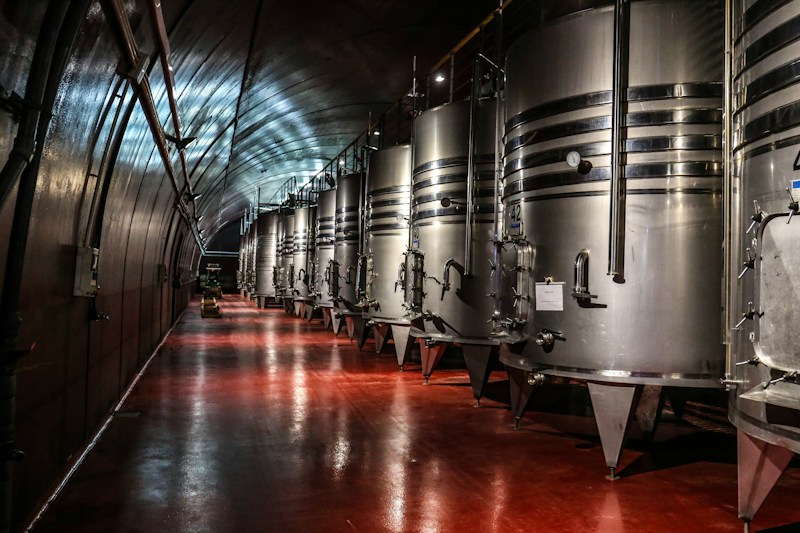
Heida matured in stainless steel is the pure, unadorned form of this variety. The tank adds nothing, amplifies no aromas, contributes no texture – it preserves.
A Heida from stainless steel shows:
- Aromatics: Clear notes of fresh apple, juicy pear, citrus (especially lemon zest), cool alpine herbs and white blossoms. The honey tone is usually just a faint whisper in the background.
- Palate: Medium body, very taut, lively, high acidity. The minerality feels precise, almost razor‑sharp – like a mountain stream rushing over smooth‑polished stones.
- Impression: Fresh, energetic, gripping. Ideal if you want to enjoy Heida as an aperitif or as a pairing for fresh, rather light dishes.
Stainless‑steel Heida is like early morning in the mountains: clear air, sharp light, every contour distinctly drawn.
Heida in Wooden Casks – The Contemplative Side
In wooden casks – be it old, large oak or a subtle share of barrique – Heida reveals a completely different, almost meditative facet. Important: sensitive winemakers do not use wood to drown out the variety, but to lend it more depth, roundness and structure.
Heida from wood reveals:
- Aromatics: Riper apple and pear notes, at times almost towards baked pear or a delicate nuttiness. The white blossoms can unfold into fuller florals, and the honey tone becomes more pronounced without the wine tasting sweet. Citrus and herbs remain, but grow softer, more melded.
- Palate: The body feels fuller, creamier; the acidity stays high but seems more finely integrated. The wood can contribute a light vanilla or toast note, but above all more texture and length.
- Impression: Complex, multi‑layered, often with ageing potential. Ideal for more substantial dishes and for connoisseurs who like to take their time with a glass.
Heida from wood is like the late afternoon in the mountains: the light is warmer, the contours are softer, and yet you can still feel the clear, fresh air.
---
3. Pairing Recommendations: The Perfect Partner
Heida is a dream for food pairings: high acidity, medium body, complex aromas and alpine minerality – these are perfect ingredients to make dishes shine.
| Dish | Wine style | Why it works |
|----------------------------------------|-----------------------------------|--------------|
| Walliser Raclette with mountain potatoes | Heida from stainless steel or large wooden casks | The high acidity cuts through the creamy, melted cheese texture and refreshes the palate; the mountain‑herb and mineral notes harmonise beautifully with the savoury alpine cheese and earthy potatoes. |
| Pan‑fried trout with lemon butter and herbs | Fresh Heida from stainless steel | The lemon zest and citrusy freshness of Heida amplify the lemon butter, while the minerality pairs perfectly with the delicately seasoned trout; the taut acidity keeps the dish light and elegant. |
| Creamy veal ragout with Rösti | Barrel‑matured Heida | The slightly fuller body and creamier texture of wood‑matured Heida match the cream sauce perfectly; pear and honey notes play with the gentle sweetness of the onions, and the acidity keeps the whole dish in balance. |
---
4. FAQ – 10 Questions for Heida Lovers
❓ 1. What kind of grape variety is Heida – autochthonous or internationally known?
In the Wallis, Heida is considered a traditional, “native” variety, even though genetically it is linked to the Savagnin family (related for example to Traminer). Internationally, it’s still an insider tip and far less widespread than Chardonnay or Riesling. That’s exactly what makes it so alluring: you’re drinking a piece of alpine identity, not a global mass‑market grape.
---
❓ 2. What does Heida typically taste like?
Heida is medium in body, with high, crystalline acidity. On the nose you’ll find aromas of apple, pear, lemon zest, white blossoms, alpine herbs, often accompanied by a hint of honey and a striking, cool minerality. On the palate it feels precise, taut and still charming – a tension‑filled wine that both refreshes and lingers.
---
❓ 3. Is Heida more of a summer wine or an all‑year wine?
Heida is an all‑year wine. In summer, well chilled, it shines as a refreshing, aromatic white on the terrace; in winter it easily partners more substantial dishes like cheese, fish in butter sauces or light meats. Thanks to its high acidity and aromatic density, it remains exciting in every season.
---
❓ 4. What serving temperature do you recommend for Heida?
For fresh Heida matured in stainless steel, 8–10 °C is ideal, so freshness and herbal aromas stay sharply defined. Barrel‑matured Heida can go into the glass a bit warmer, 10–12 °C, so the more complex notes of honey, blossoms, ripe pear and any oak nuances can unfold.
---
❓ 5. Can you cellar Heida or should you drink it young?
Both are possible. Many Heida wines are wonderfully charming in youth, with crisp freshness and clear fruit. Good bottlings – especially from high‑altitude sites and with careful barrel maturation or extended lees ageing – can, however, age for 5–10 years and sometimes longer. Over time, the fruit becomes riper, honey and herb notes grow more pronounced, and the minerality feels more complex.
---
❓ 6. What dishes does Heida pair best with?
Heida is a versatile partner. Classic matches include:
- Alpine cheeses (Raclette, fondue, mature mountain cheeses)
- Freshwater fish (trout, char, perch)
- Poultry and veal in cream sauces
- Vegetable dishes with herbs (e.g. risotto with alpine herbs, vegetable gratin)
Its acidity and minerality also make it an exciting partner for Asian dishes with gentle heat, as long as the sauces are not too sweet.
---
❓ 7. How does Heida differ from Riesling or Sauvignon Blanc?
Compared to Riesling, Heida is usually less focused on citrus and peach, showing more apple, pear and alpine herbs instead. The acidity can be similarly high, but often feels a touch more softly structured.
Compared to Sauvignon Blanc, Heida is less “green” (less gooseberry, less bell pepper), more restrained aromatically and more strongly defined by minerality and herbs. It is subtler, but often more deep‑rooted, less showy.
---
❓ 8. Is Heida always vinified dry?
Most Heida wines are vinified dry, with clear, taut acidity and no noticeable residual sweetness. Some producers experiment with slightly off‑dry versions or late‑harvest styles, which can still feel very balanced thanks to the high acidity. If in doubt, check the label description or ask the winemaker.
---
❓ 9. What glass shape suits Heida best?
A medium‑sized white wine glass is ideal – the kind of glass you might also use for Chardonnay or Chenin Blanc. It should offer enough volume for the aromas of apple, pear, herbs and blossoms to unfold, without spreading the wine too broadly. For more substantial, barrel‑matured Heida, a slightly larger, more generously bowled glass can showcase the complexity even better.
---
❓ 10. Why does Heida have this distinctly “alpine” character?
The combination of high‑altitude sites, barren soils, extreme sunshine and wide temperature swings between day and night shapes the character of this variety. The vines struggle for water and nutrients, the grapes ripen slowly and become very aromatic without turning overripe. The high acidity and pronounced minerality are a direct echo of these alpine conditions. When you drink Heida, you are essentially drinking the story of a survivor clinging to steep rock faces and creating beauty from them.
---
Heida is not a wine you drink on the side. It’s an invitation to pause – like a deep breath on a mountain summit before you descend back into the valley. Next time you hold a glass of Heida in your hand, take a moment: watch the light in the glass, breathe in the herbs, the blossoms, the stone. And let this child of the Wallis sun remind you just how intense a single sip can be.