[Seewind] Falanghina: Sunrise in the Glass and Salt on Your Lips
Falanghina ist kein bloßer Weißwein, sondern ein salziger Sonnenaufgang im Glas – mediterranes Licht, Meeresbrise und Vulkanboden in flüssiger Form.
[Seewind] Falanghina: Sunrise in the Glass and Salt on Your Lips
Dear wine lovers, dear travellers in a glass,
there are grape varieties you drink – and those you truly experience. Falanghina most definitely belongs to the second category. She isn’t a loud star clamouring for attention, but a quiet, radiant beauty that, with the very first sip, carries you to a place you may never have seen – yet immediately miss as soon as the glass is empty.
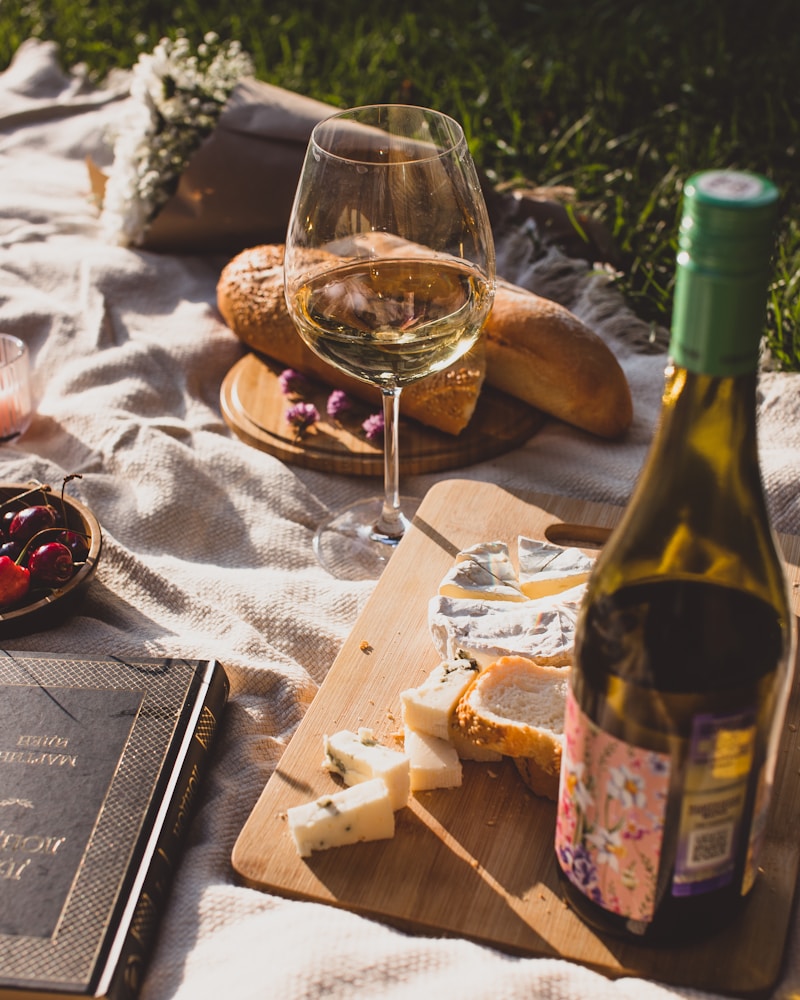
Falanghina is like a sunrise over the Tyrrhenian Sea: a hint of night still lingers over the hills of Kampanien, yet the first rays are already breaking on the salty waves. That light reflects in grapes that shimmer golden-yellow in the morning sun. In the glass, Falanghina shines straw yellow with greenish highlights – as if you were gazing into a lemon grove, its leaves rustling in the warm breeze.
What makes this variety so special is its fascinating triad of freshness, salinity, and fragrance. Lemon blossom, crunchy green apple, juicy yellow plum, white flowers, and citrus zest merge with a mineral, almost volcanic depth. Add to that a lively, high acidity that kisses you awake, and a salty breeze that recalls sea spray and warm rocks. Falanghina is not just a white wine – she is the liquid echo of a landscape where sea, volcanic soils, and Mediterranean light entered into an ancient pact.
---
1. The Globetrotter in the Glass: Where Falanghina Feels at Home
At heart, Falanghina is a child of Kampanien – yet she shows a different face in every corner of this region. Like an actor who reveals new nuances with every role, she always remains herself: fresh, clear, taut, and marked by an unmistakable closeness to the sea.
Kampanien – The Cradle of Falanghina
Kampanien is this grape’s grand stage. The vineyard slopes look out over the Tyrrhenian Sea, and the soils are often of volcanic origin – dark, warm, mineral-rich. Falanghina from Kampanien usually shows the classic profile: straw yellow, citrus-driven, with notes of lemon blossom, green apple, and yellow plum. The wines are medium-bodied, with firm, high acidity that clears the palate the way a sea breeze clears your thoughts.
On the nose, alongside the fruit aromas you’ll often find white flowers and a soft whisper of herbs – rosemary, sage, perhaps a hint of thyme. On the palate, a mineral vein binds the wine together: like an invisible line of stone and salt giving everything structure. Falanghina from Kampanien is the archaic, honest core style – like a late-afternoon walk along the coast, just as the light turns golden.
Sannio – The Hinterland of Clarity
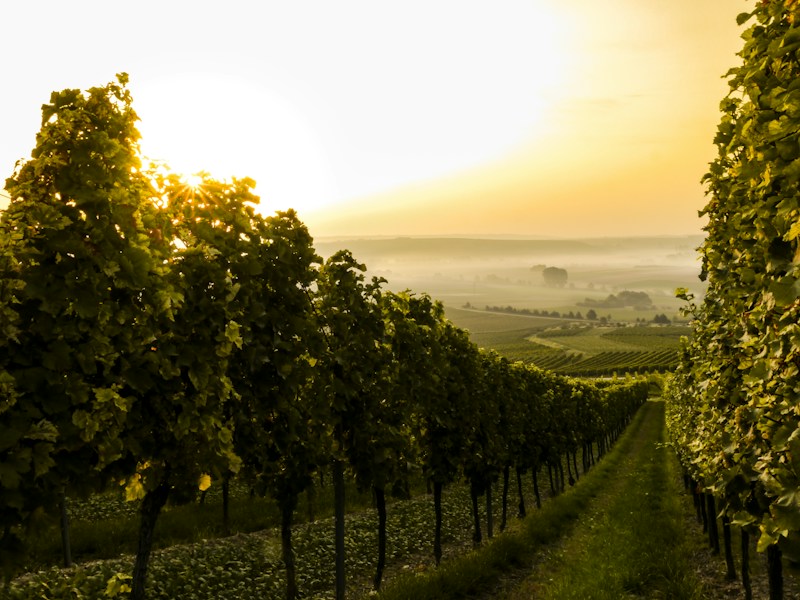
The Sannio area in the inland of Kampanien, around Benevento, is something like Falanghina’s highland refuge. It’s a little cooler here, the nights are fresher, the vineyards often at higher elevations. These conditions give the wines pronounced freshness and even more defined acidity.
Falanghina from Sannio often feels particularly firm and linear in its youth: crunchy green apple, citrus zest, white flowers, and a crystalline clarity. The fruit tends to be a touch more restrained, while citrus notes, fine bitterness (grapefruit peel), and herbal aromas step more into the foreground. It feels almost alpine – even though you’re actually wandering the hills of Kampanien. A wine like a cool morning overlooking a sea of vines.
Costa d’Amalfi – Balcony Above the Sea
On the Amalfi Coast, Falanghina literally hangs between sky and water. Steep terraces, salty mist, wind rolling in from the sea – here, the sea writes its own lines into the wine. Falanghina from the Costa d’Amalfi often comes across as particularly aromatic and maritime: citrus fruits, lemon blossom, white-fleshed fruit, and an unmistakable hint of sea salt.
The body is usually light to medium; the wine dances rather than marches. In return, the salty note is more intense, almost like a splash of seawater on your lower lip. Herbs join in – those wild shrubs that scent the slopes of the Costiera: thyme, fennel fronds, perhaps a touch of bay leaf. This is Falanghina as coastal poetry – ideal when you stand in thought on a cliff, glass in hand, gazing down at the waves breaking beneath you.
Campi Flegrei – In the Shadow of Volcanoes
The Campi Flegrei, the Phlegraean Fields northwest of Naples, are a geologically vivid place: volcanic craters, hot springs, sulphurous scents. Here, Falanghina grows on light, volcanic soils that lend the wines an almost dramatic minerality.
On the nose: lots of lemon, lime, green plum, plus a hint of smokiness, flint, sometimes a slightly reductive, stony note. On the palate, this style often feels especially salty and “serious”, without losing its freshness. The wines have something archaic about them, as if they were telling stories of ancient amphorae and Roman feasts. Falanghina from the Campi Flegrei is made for anyone who wants to taste not only fruit in a white wine, but also rock, ash, and history.
Irpinia – The Cool, Serious Sister
Irpinia, in the hinterland of Avellino, is famous above all for great white wines like Fiano and Greco – but Falanghina also finds her stage here. The higher altitudes and cooler climate lend her a more elegant, serious contour.
Irpinia Falanghina often shows slightly riper, yellow-fruited aromatics – yellow plum, ripe lemon, sometimes a hint of quince – combined with firm, high acidity and pronounced minerality. Wines here more frequently benefit from a bit of age and can open up further with a few years in bottle: honeyed notes, dried herbs, and a fine, nutty touch can develop. This is Falanghina’s contemplative, reflective side – for long conversations and quiet evenings.
---
2. From Steel to Sun-Warmed Wood: How Falanghina Is Made
Falanghina is a grape that brings so much natural freshness, fragrance, and structure that cellar work should do above all one thing: accompany, not dominate. Still, stainless steel and oak can produce two very different interpretations.
Stainless Steel – The Clear Sea Breeze
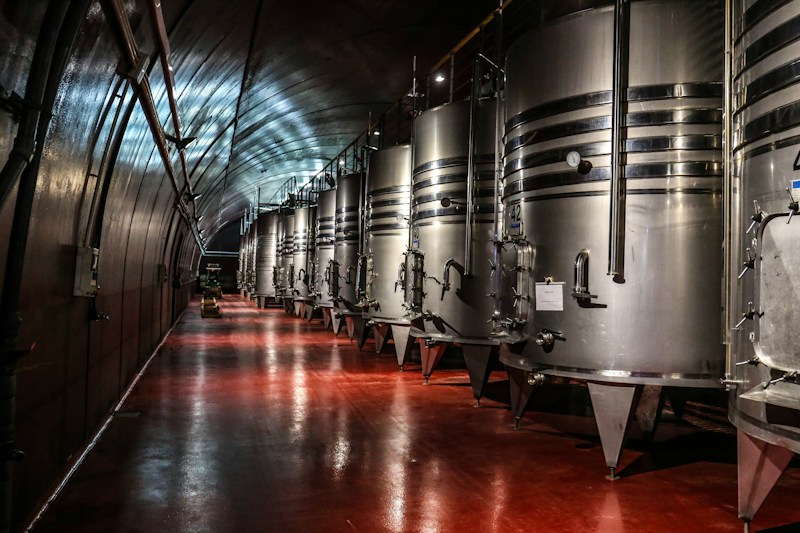
The majority of Falanghina is aged in stainless steel. Steel is neutral, cool, restrained – it preserves the bright citrus aromas, the crisp acidity, and the delicate floral character of the variety. Falanghina from stainless steel is reminiscent of the moment you open a window in the morning and a rush of fresh air streams into the room.
In the glass, these wines appear bright, clear, and fragrant: lemon blossom, green apple, yellow plum, white flowers, citrus zest. The structure is taut, straight, carried by high acidity. The salty, mineral note often shows here without disguise: like salt on your skin after a swim in the sea.
Stainless-steel Falanghina is ideal as an aperitif, with light dishes, with fish and seafood – wherever you’re craving freshness and precision.
Oak – The Warm Wave
A small share of Falanghina is aged in oak, mostly in large casks or subtly used barriques. The goal isn’t to overload the wine with vanilla and toast, but to give it more texture, fullness, and complexity.
Aged in wood, Falanghina can develop softer edges: the fruit becomes riper, more yellow, sometimes almost exotic, with notes of honey, nuts, and gentle spice joining in. The body feels fuller, creamier; the acidity remains high, but comes across as more integrated, like a wave breaking on soft sand rather than sheer rock.
Such wines make outstanding partners at the table alongside richer dishes – grilled fish, shellfish with butter, poultry, creamy pasta. Oak-aged Falanghina is the version you open when the evening stretches long, the table is set, and the conversation grows deeper.
---
3. Pairing Suggestions: The Perfect Partner
Falanghina is a dream for food lovers: its high acidity, medium body, and salty, herbal freshness make it one of the most versatile white-wine partners for Italian cuisine – especially wherever sea and lemon play a role.
| Gericht | Wein-Stil | Warum es funktioniert |
|----------------------------------------------|-------------------------------|---------------------------------------------------------------------------------------|
| Spaghetti alle Vongole (mit Venusmuscheln) | Falanghina aus Stahltank | Die salzige Meeresbrise des Weins spiegelt die Muscheln, die Säure hebt den Geschmack und schneidet durch das Olivenöl. |
| Gegrillter Wolfsbarsch mit Zitronen-Kräuteröl| Falanghina mit leichtem Holzausbau | Der mittlere Körper und die feine Würze aus dem Holz umarmen den Grillton, Zitrus- und Kräuternoten greifen das Marinadenaroma auf. |
| Büffelmozzarella mit Tomaten & Basilikum | Klassische kampanische Falanghina aus dem Stahltank | Die Frische und hohe Säure balancieren die Cremigkeit des Mozzarella, die Kräuter- und Zitrusnoten spielen mit Basilikum und Tomate. |
---
4. FAQ – 10 Questions for Falanghina Lovers
❓ Is Falanghina more of a light terrace wine or a serious food partner?
Both. In its classic stainless-steel guise, Falanghina is a wonderful terrace wine: fresh, citrus-driven, salty, with immense drinkability. In more complex versions from special sites or with discreet oak ageing, it can be a surprisingly serious partner for fish, shellfish, poultry, and Mediterranean cuisine. The variety has enough structure to be far more than “just” a summer wine.
---
❓ What does Falanghina typically taste like?
You can expect a profile of lemon blossom, green apples, yellow plums, white flowers, citrus zest, fresh herbs, and a distinctive sea-salt note. On the palate, the body is medium, the acidity high and invigorating. On the finish, it often shows a mineral, stony vein reminiscent of warm rocks, seashells, and ancient volcanic soil.
---
❓ Is Falanghina always dry?
Yes, Falanghina is generally made dry. Its natural character – high acidity and salty freshness – is predestined for dry, taut wines. Sweet versions are extremely rare and more of a curiosity. If you see “Secco” or no sweetness indication on the label, you can almost always assume it’s dry.
---
❓ What foods does Falanghina pair best with?
It’s made for the cuisine of the sea: clams, grilled fish, octopus, prawns, fish carpaccio, oysters. But vegetarian fare – pasta with lemon-cream sauce, vegetable antipasti, herb risotto, or buffalo mozzarella – also harmonises beautifully. The key: avoid sauces that are too heavy and buttery, and dishes that are extremely spicy, so the fine salinity and freshness aren’t overwhelmed.
---
❓ At what temperature should I serve Falanghina?
Ideal is 8–10 °C for the fresh, steely styles and around 10–12 °C for the fuller, oak-aged versions. Too cold and the wine seems closed; too warm and the acidity can feel too dominant. Put the bottle in the fridge about two hours before serving and take it out shortly before pouring.
---
❓ Can Falanghina age, or should it be drunk young?
Most Falanghina wines are made for immediate enjoyment within 2–3 years of harvest. But high-quality examples, especially from Sannio, Irpinia, or the Campi Flegrei and/or with some oak ageing, can remain fascinating for 5–7 years, sometimes longer. Over time, citrus and apple notes evolve into riper, honeyed tones, and the minerality becomes more pronounced. If you love Falanghina, it’s worth stashing away a few bottles from good producers and following their evolution.
---
❓ How does Falanghina differ from other Italian whites, such as Vermentino or Pinot Grigio?
Compared with many Pinot Grigio wines, Falanghina tends to be more characterful and saline, with higher acidity and greater mineral depth. Compared with Vermentino, it shares the coastal influence and herbal spice, but is often a bit tauter and more citrus-focused, with a more pronounced apple and plum note. Falanghina unites Mediterranean ease with volcanic seriousness – a rare combination.
---
❓ Does volcanic soil really play a role in the taste?
You can’t “taste” it directly, but its influence is tangible. Volcanic soils are usually mineral-rich and well drained. Vines have to root deeply; berries tend to be smaller and more aromatically concentrated. With Falanghina, this expresses itself as pronounced, stony minerality and that famous “salty” note on the finish. Especially in the Campi Flegrei or parts of Kampanien, you can distinctly feel this tension-filled, stony vein.
---
❓ Which Falanghina styles are especially suitable for beginners?
If you’re just discovering Falanghina, start with classic, stainless-steel-aged wines from Kampanien or Sannio. They show the variety in its clearest, most accessible form: fresh, fruity, floral, salty. Look for designations like “Falanghina del Sannio DOC” or “Falanghina Campania IGT”. Once you’ve fallen for the style, you can move on to more complex versions from the Campi Flegrei or those with oak ageing.
---
❓ When is the perfect moment for a glass of Falanghina?
Whenever your soul longs for the sea. A late summer afternoon on the balcony, a plate of Spaghetti alle Vongole, the scent of lemon and olive oil in the air – that’s Falanghina time. But on grey days, too, it can be your personal sunrise in a glass: one sip, and suddenly you hear the gentle rush of the waves and feel salt on your lips. Falanghina is not just a wine – it’s a little journey to Kampanien, always available, bottle open, eyes closed, heart open.