The Sea‑Whispering Cortese: When the Hills of Piedmont Taste of the Ocean
Cortese ist der leise Meeresflüsterer des Piemont: zitrusfrisch, salzig, klar – ein Wein wie Morgenlicht über Hügeln mit Sehnsucht nach Meer.
The Sea-Whispering Cortese: When the Hills of Piedmont Taste of the Ocean
Dear wine lovers,
some grape varieties meet us like old friends, others like thrilling chance encounters. And then there are those rare ones that feel like a fresh breeze on a hot summer’s day – liberating, clear, honest. Cortese is exactly such a variety. It’s not a loud star making a grand entrance, but the quiet, vibrating note in the background that can carry an entire evening. A wine like a deep breath when the morning mist retreats from the hills of Monferrato.
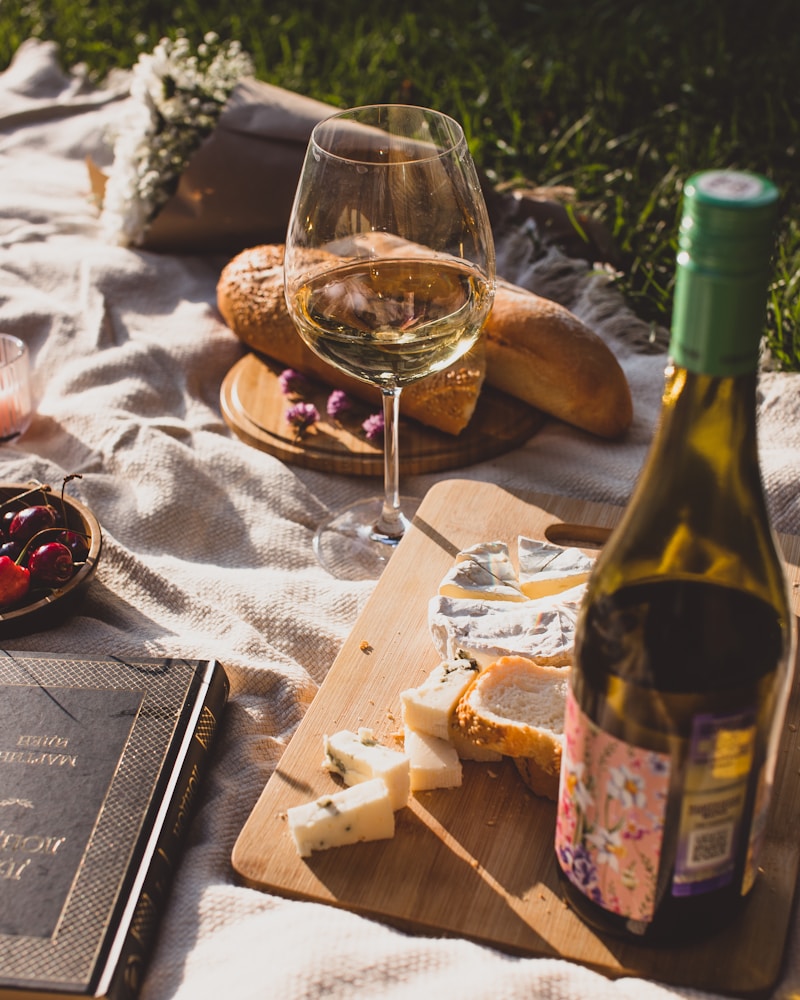
Cortese is like a clear morning over the Piedmontese hills, when the fog gently disappears and the light kisses the vineyards. In the glass it shimmers straw yellow with greenish reflections, like sunrays dancing on the waves of the Ligurian Sea. On the nose it speaks of lemon groves, white blossoms, crunchy green apples and a hint of salty breeze, as if the wind were blowing in from the sea. On the palate it is slender, fresh and straight, yet behind that lies a fine, almost meditative whisper of almonds, pears and herbs – always with this vibrant, high acidity that carries the wine like a well-trimmed sail.
Let yourself be taken into a world in which wine is not just a drink, but landscape, air, light and longing all at once. Cortese is Piedmont and sea, limestone and sea breeze, lemon peel and almond core – a globetrotter in the glass, yet deeply rooted in its homeland.
---
1. The Globetrotter in the Glass: Where Cortese Lives
Gavi – The Queen of the Hills
When you talk about Cortese, there is no getting around Gavi. Gavi, located in southeastern Piedmont, is the heartland of this grape variety and its most famous calling card. The vineyards cling to gentle hills, with soils rich in marl, limestone and clay – perfect conditions for a wine that thrives on tension and freshness.
Cortese di Gavi (often simply called “Gavi”) shows itself here in its most precise, straight-lined form:
straw yellow, delicately green-tinged, with intense citrus aromas, green apple, white blossoms and that typical note reminiscent of a sea breeze – even though the Ligurian Sea is still some kilometres away. On the palate, Gavi‑Cortese is particularly slender, very dry, with high, crisp acidity and a fine, almost salty note on the finish. A wine that calls for a summer terrace, for fresh fish and for the rustling of pine needles in the wind.
Alto Monferrato – The Hills of Light
In Alto Monferrato, Cortese may be less famous than in Gavi, but often just as enchanting. Here, the vineyards sit at slightly higher altitudes, the nights are cooler, the ripening times longer. The result: Cortese wines with a bit more finesse on the nose and a very lively acid structure.
In the glass, Cortese from Alto Monferrato often greets you in a slightly more delicate style:
less “maritime breeze”, but more floral tones – white blossoms, chamomile, sometimes a hint of herbal meadow. The fruit remains citrusy and appley, with a subtle pear note occasionally joining in. Sensory-wise, these wines are like a quiet spring afternoon: bright, friendly, clear – with an acidity that refreshes without becoming too loud.
Colli Tortonesi – The Hidden Gem
The Colli Tortonesi are a bit like a secret tip you’re reluctant to share. This hilly landscape in the southeast of Piedmont, near the border with Lombardy, produces Cortese wines that are often somewhat more idiosyncratic – sometimes with more structure, sometimes with a touch more minerality.
What’s typical here is a somewhat more complex expression:
lemon and green apple are joined more distinctly by pear, a delicate almond tone and dried herbs. These wines can feel tighter on the palate, sometimes with a bit more body, yet they never lose their underlying lightness. The high acidity remains the backbone, but the texture can seem almost silky when the élevage is handled carefully. For anyone who wants to explore Cortese beyond Gavi, the Colli Tortonesi offer a fascinating playground.
Piemonte DOC – The Versatile Framework
The designation Piemonte DOC acts like a large roof under which Cortese can appear in very different styles. Here you’ll find simple, easy‑drinking everyday wines alongside more ambitious bottlings that benefit from extended lees ageing or a gentle touch of oak.
Within Piemonte DOC, Cortese shows its friendly, approachable side:
zesty and citrus‑fresh, appley, with clear acidity and light floral hints. The salty breeze is not always as pronounced as in Gavi; instead, juiciness and uncomplicated drinking pleasure take centre stage. A wine that works just as well on the terrace as it does with a quick weeknight pasta dish.
---
2. From Stainless Steel to Gentle Oak: How Élevage Shapes the Character
By nature, Cortese is light‑bodied, with high, vibrant acidity and a rather fine, restrained aromatic profile. Like a sheer veil, it very sensitively absorbs whatever structure and facets the élevage adds to it. Above all, two worlds meet here: stainless steel and oak.
In Stainless Steel: The Pure Breeze
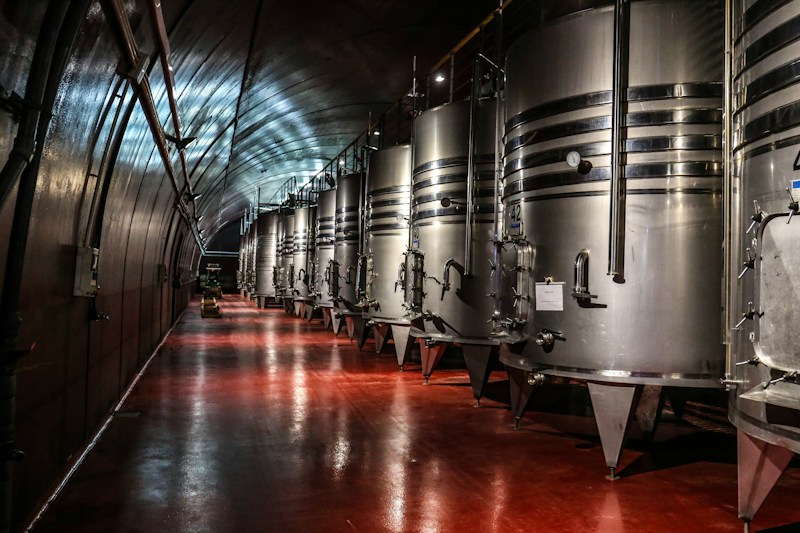
The classic vessel for Cortese is stainless steel. It preserves freshness, protects the delicate citrus and apple aromas, and keeps the wine clear, precise and straightforward.
On the palate and nose, this means:
- Aromas of lemon, lime, green apple and white blossoms take centre stage.
- The sea breeze – that salty, slightly iodine‑like note – appears distinct and undisturbed.
- The high acidity feels bright and electrifying, the body remains light, almost dancing.
Stainless‑steel Cortese is like an early morning swim in the sea: cool, invigorating, crystal clear. It’s ideal when you want to experience the varietal character in its purest, unadorned form.
In Oak: A Touch of Depth and Warmth
Oak treatment for Cortese is rarer, but all the more intriguing. Most often, larger, used casks are employed, not to imprint overt oak flavours on the wine, but to lend it structure, depth, and a slightly creamier texture. New barriques with heavy toasting are more the exception, as they would quickly overpower Cortese’s delicate profile.
What changes in the glass:
- The citrus fruit often becomes a touch riper (more lemon and yellow apple than lime and green apple).
- Pear, almond and herbal notes step more clearly into focus.
- The texture turns creamier, the acidity seems more harmoniously integrated without losing freshness.
- Sometimes you’ll notice a subtle vanilla or nutty note, more in the background – like a soft bass line beneath a clear melody.
A Cortese matured in oak is like a late‑summer evening by the sea: the light is softer, the air warmer, the breeze remains, but it caresses rather than lashes.
Extended Lees Ageing: The Quiet Refinement
Between steel and oak lies another important tool: lees ageing. Many quality‑minded producers leave their Cortese to mature on the fine lees for several months. Through occasional stirring (bâtonnage), the wine gains creaminess and depth.
You can taste it in:
- More mouthfeel, a subtly creamy texture.
- A delicate brioche or nutty tone may appear.
- The acidity feels more finely polished, without losing its radiance.
The result is a Cortese that can evoke both the freshness of stainless steel and the texture of gentle oak – a kind of golden middle ground for anyone seeking complexity without weight.
---
3. Pairing Inspirations: The Perfect Partner
Cortese is a dream for food pairing: high acidity, light body, salty breeze, citrusy freshness – it’s made for seafood cuisine, vegetable dishes and even delicate meat courses.
Here are a few inspiring combinations:
| Gericht | Wein-Stil | Warum es funktioniert |
|-------------------------------------------|-----------------------------------|------------------------|
| Spaghetti alle Vongole | Gavi, im Stahltank ausgebaut | Die salzige Meeresbrise im Wein spiegelt die Muscheln, die Zitrusfrische schneidet durch Olivenöl und Knoblauch, die hohe Säure hebt die feine Jodigkeit des Gerichts hervor. |
| Gebratene Dorade mit Zitrone & Kräutern | Colli Tortonesi Cortese mit Hefelager | Die zarte Struktur des Fisches trifft auf die feine Textur des Weins; Kräuter- und Mandelnoten im Cortese umarmen Rosmarin und Thymian, die straffe Säure sorgt für Klarheit im Gaumen. |
| Vitello Tonnato (Kalbfleisch mit Thunfischsauce) | Cortese aus Alto Monferrato, teils im Holz gereift | Die cremige, würzige Sauce verlangt nach Säure und Frische; Cortese durchschneidet die Dichte, ohne das feine Kalbfleisch zu übertönen, und die leichte Kräuter- und Mandelnote fügt sich perfekt in das Aromenspiel ein. |
---
4. FAQ – 10 Questions for Cortese Lovers
❓ 1. Is Cortese always dry?
Usually, yes. Cortese is classically vinified as a dry white wine, especially in Gavi, Alto Monferrato and the Colli Tortonesi. The style lives from freshness and high acidity; residual sugar would dilute this profile. Sweet versions are extremely rare and more the experiments of individual producers.
---
❓ 2. How does Cortese differ from Pinot Grigio or Sauvignon Blanc?
Cortese is lighter in body than many Pinot Grigio and less aromatically expressive than a typical Sauvignon Blanc. Instead of tropical fruit or intense gooseberry, Cortese offers lemon, green apple, white blossoms, pear, almond and a salty breeze. It often feels quieter, finer, more elegant – more sea echo than perfume.
---
❓ 3. What is the ideal serving temperature for Cortese?
Between 8 and 10 °C. Too cold, and the delicate aromas of pear, almond and herbs stay closed; too warm, and the wine loses precision and freshness. Chill the bottle in the fridge for about two hours, then let the wine sit in the glass for a few minutes to open up.
---
❓ 4. Can Cortese age, or should it be drunk young?
Most Cortese wines – especially stainless‑steel, everyday bottlings – are intended for early drinking, within 2–3 years of the harvest. More ambitious wines, particularly from Gavi or the Colli Tortonesi that may have seen some oak and lees ageing, can mature for 5–8 years (sometimes longer). Over time they develop nutty, almondy, slightly honeyed notes, without becoming heavy.
---
❓ 5. Why do people so often talk about “salty breeze” or “sea notes” in Cortese?
This association arises from the combination of high acidity, soil‑driven minerality and geographic proximity to the Ligurian Sea. Sensory-wise, the wine recalls salty air, wet stones on the shoreline, sometimes even a hint of iodine. There is no salt in the wine, of course – but our brain sorts these impressions into familiar images, and in this case, that image is the sea.
---
❓ 6. Does Cortese only pair well with fish?
Not at all. While fish and seafood are its parade discipline, Cortese is a versatile partner:
- Excellent with vegetable dishes (risotto with green asparagus, zucchini, artichokes).
- Wonderful with light starters (carpaccio of fish or veal, caprese with plenty of basil).
- Lovely with white meats (poultry, veal) in light sauces.
The key is: avoid very heavy, creamy or strongly spiced dishes that would drown out this delicate wine.
---
❓ 7. Is there sparkling wine made from Cortese?
Yes, there are sparkling versions – both frizzante and spumante. Thanks to its high acidity, Cortese is very well suited for sparkling wines. These often show particularly pronounced citrus notes, green apple and a fresh, lively style that works beautifully as an aperitif.
---
❓ 8. How can I recognise a good Cortese on the shelf?
Look out for:
- Origin: Gavi, Colli Tortonesi or specific sites in Alto Monferrato are strong quality indicators.
- Producer name: Serious wineries clearly communicate vintage and origin, and avoid flashy marketing names with no connection to the region.
- Vintage: For basic wines, avoid overly old bottles – 1–3 years from vintage is ideal for freshness.
Also: a concise, factual back‑label with information on site, élevage (steel/oak) and alcohol content is often more trustworthy than flowery, meaningless slogans.
---
❓ 9. Is Cortese a good entry‑level grape for white‑wine beginners?
Yes – provided you enjoy freshness and acidity. Cortese is accessible, not overly aromatic and usually not high in alcohol. It doesn’t overwhelm you, but gently leads you into the world of fine nuances: citrus, apple, blossom, almond, sea. For anyone who loves dry white wine or wants to get to know it, Cortese is a wonderful starting point – and a faithful companion for a long time.
---
❓ 10. Why do sommeliers speak so fondly of Cortese, even though it’s not a “blockbuster wine”?
Because Cortese is something we far too rarely find in the wine world: authentic, unshowy and yet full of character. It doesn’t scream for attention; it whispers. It gives you images of hills, morning light and sea wind without pushing itself to the fore. For sommeliers who think of food and wine in harmony, Cortese is a gift: it elevates the dish instead of dominating it, and tells quiet, poetic stories of its homeland. And that is precisely where its magic lies.