Toro – Powerful Wines from Castile's Hot Heart
Discover Toro in Spanien.
Blood of the Earth: Why Toro Is Spain’s Most Powerful Wine Secret
Meta description: Toro in Spain: powerful red wines, ancient terroir, century-old vines. Discover region, grape varieties, history & food pairing in one guide.
Keywords: Toro, Toro wine, Toro wine region, Tinta de Toro, Spanish red wine, DO Toro, Spanish wines, Tempranillo Toro, wine trip Spain
---
Introduction
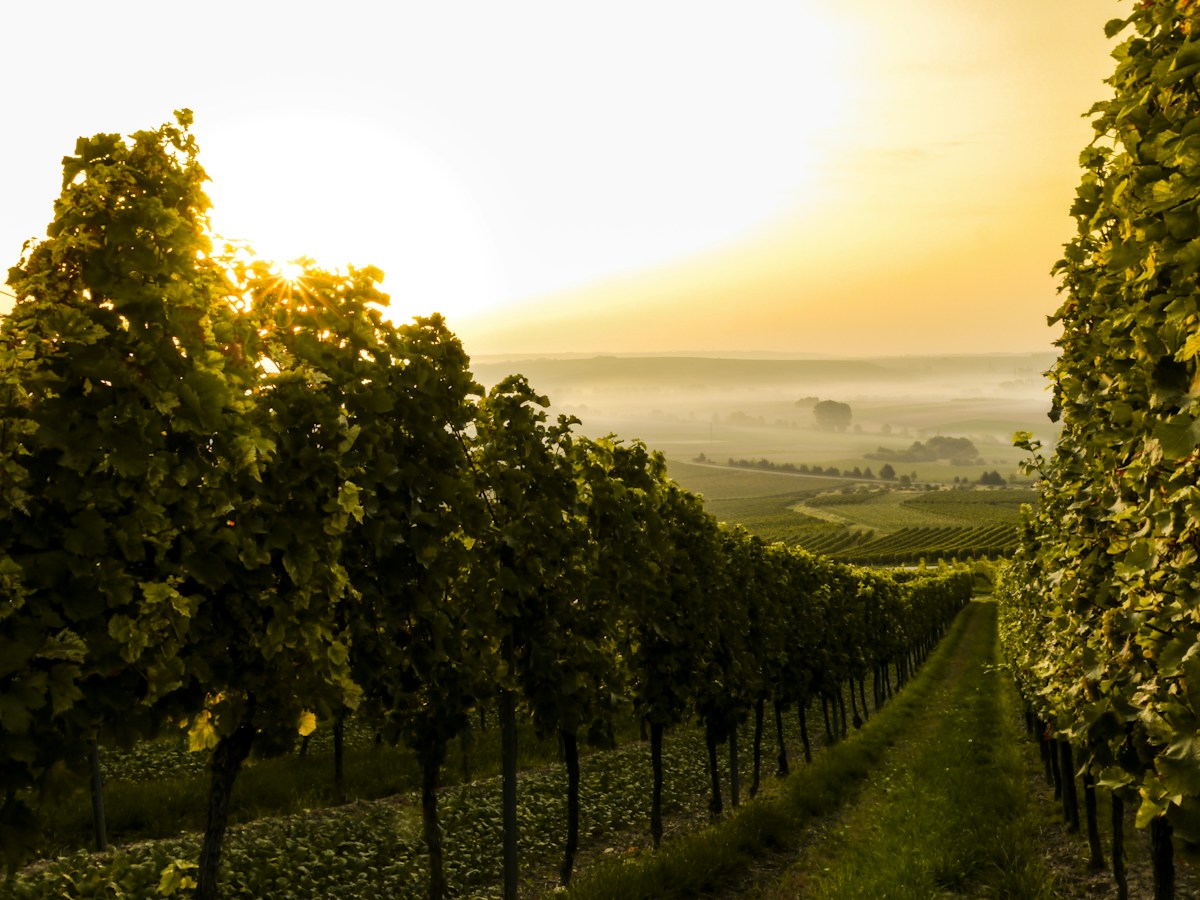
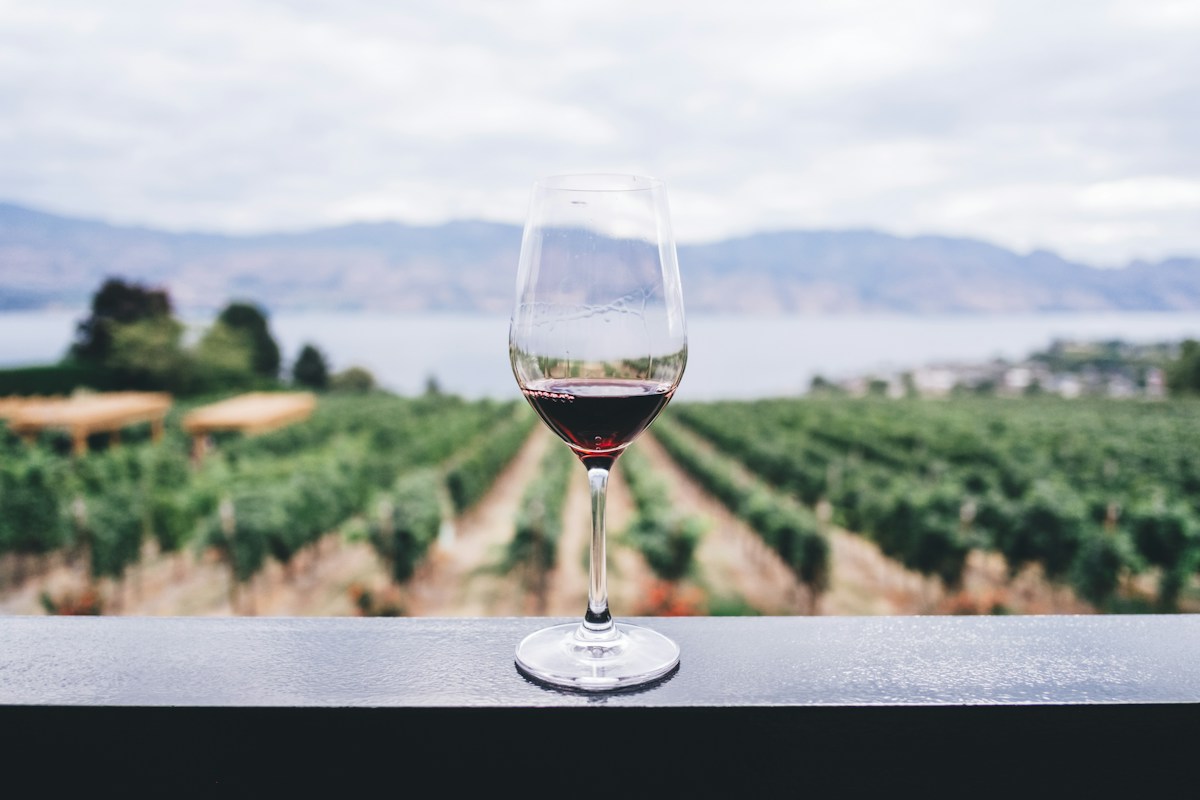
Dust dances in the evening light, the Duero flows dark and calm through the Castilian plateau. The sun is still glowing, the air smells of hot stone, dry grass – and a hint of ripe berries. Then the first sip flows into the glass: deep, almost inky, warm like summer itself. Welcome to Toro, one of Spain’s most emotional wine landscapes.
Toro is not a wine for a fleeting moment. It’s a wine you feel before you drink it – in the colour, in the aroma, in the density on your tongue. It tells of centuries of hard work, of barren soils that give only to the strongest, and of vines that were already putting down roots when Europe still knew horse-drawn carriages.
Anyone who discovers Toro understands why some say: Here, the wine tastes like the blood of the earth.
---
Terroir and climate
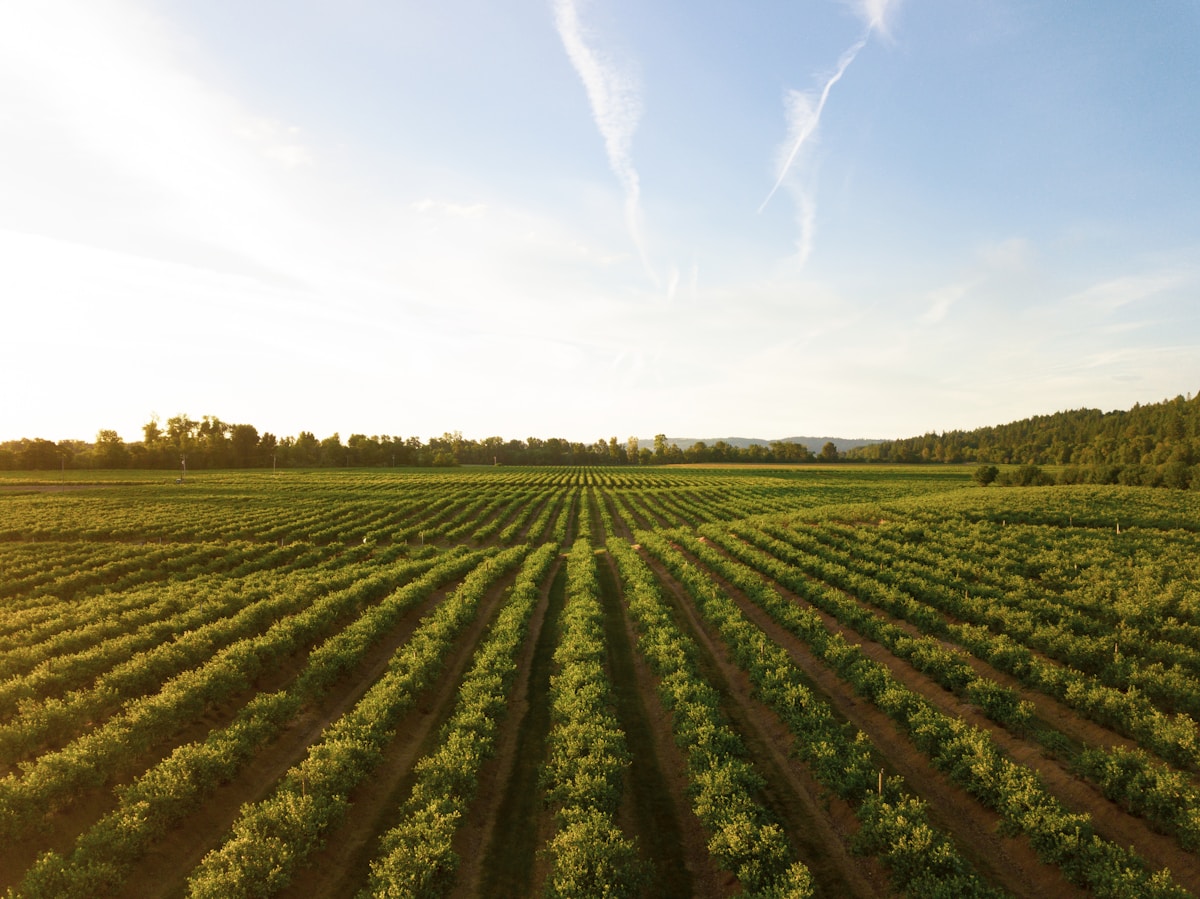
Toro lies in the west of the region of Castile and León, about 70 km west of Valladolid, on the upper reaches of the Duero. At first glance, the landscape looks harsh, almost forbidding. That’s exactly where its special magic comes from.
Soils: barren, stony, hostile to life – perfect for great wines
The vineyards of Toro are mostly at 620–750 metres altitude. Typical are:
- Gravel and sandy soils with stones
- Calcareous subsoils
- Poor in organic matter but rich in minerals
These soils store heat during the day and slowly release it at night. The vine has to root deep to find water and nutrients – this reduces yields but intensifies aromas and structure.
Many plots are still sandy enough to protect the vines from phylloxera. That’s why Toro still has very old, own-rooted vines, often over 80, sometimes over 100 years old. Their grapes are concentrated, spicy, complex – the DNA of Toro wine.
Climate: continental harshness with a touch of Atlantic influence
Toro experiences extreme contrasts:
- Very hot, dry summers with temperatures above 35 °C
- Cold winters, often with frost and occasional snow
- Large diurnal temperature swings during ripening
- Rainfall: relatively low, usually 350–400 mm per year
By day the grapes ripen intensely, at night they cool – preserving acidity and preventing overripeness. This gives wines that are both ripe and fresh, powerful and structured.
In the glass that means: intense colour, ripe fruit, firm tannins – yet a surprising inner tension.
---
Grape varieties
Toro is inseparably linked with a single grape variety – though there are quieter supporting voices.
Tinta de Toro – the wild heart of the Duero
The most important grape is Tinta de Toro, a local variant of Tempranillo. Genetically related but not identical, it is perfectly adapted to the harsh climate:
- Thick skins
- High colour extraction
- Plenty of tannin
- Intense dark fruit
Typical aromas of Tinta de Toro:
- Black cherries, blackberries, stewed plums
- Violets, dried herbs, liquorice
- With age: tobacco, cedar wood, leather, dark chocolate
Tinta de Toro yields wines of power and depth, but modern winemakers increasingly focus on balance, freshness and elegance. So alongside concentrated powerhouses, more refined, precise interpretations are emerging.
Other grape varieties in Toro
Alongside Tinta de Toro, a few other grapes are authorised in much smaller quantities:
- Garnacha (Grenache): brings red fruit, spice and softness
- Verdejo: for aromatic, fresh white wines
- Malvasía: for fragrant, often slightly creamier white wines
But the character of the region is clearly defined by red wine. Toro is red-wine terroir in pure form.
---
History
Toro is not a “new” discovery – quite the opposite: its roots go back more than a thousand years.
Middle Ages: wine for kings and pilgrims
As early as the Middle Ages, Toro was known for its powerful wines. Merchants and pilgrims on the way to Santiago de Compostela valued the wines for their keeping qualities.
In the 13th and 14th centuries, Toro became a royal supplier: Castilian kings, the court, the clergy – they all drank Toro. The wines were so concentrated that they survived long transports, even on ships overseas.
Golden age and oblivion
From the 15th to the 18th century, Toro experienced a heyday. The town of Toro was politically and economically important, and wine was one of the key trading goods.
Then came setbacks:
- Economic changes
- Competition from other regions
- Rural exodus and industrialisation
Toro remained a wine region but in the shadow of better-known names such as Rioja or Ribera del Duero.
Phylloxera – with a miracle
When phylloxera ravaged Europe in the late 19th century, Toro remained largely unscathed. The high sand content in many soils prevented a widespread catastrophe. Many vines didn’t have to be grafted – an invaluable treasure that endures to this day.
These old, own-rooted vines are now a unique feature and a key reason for the depth of many Toro wines.
Rebirth: DO Toro and the leap into modernity
In 1987, Toro was awarded Denominación de Origen (DO) status. That marked the start of a new era:
- Investment in modern cellar technology
- National and international wineries discovered the potential
- Better site selection, lower yields, more careful vineyard work
Toro emerged from the shadows – first with powerful, highly extracted wines that caused a stir with Parker & Co. Today the style is more diverse: alongside opulent, oak-driven wines, there are more and more fresh, terroir-focused interpretations, often from old single plots.
---
Enjoyment & food pairing
A glass of Toro is not a casual choice. It’s a deliberate decision – for intensity, depth and emotion.
Aromas in the glass
A typical Toro red (young to mid-aged):
- Fruit: black cherry, blackberry, plum, cassis
- Spice: black pepper, liquorice, dried herbs, often an earthy note
- Oak (depending on ageing): vanilla, coconut, cocoa, cedar, sweet spices
- Maturity: leather, tobacco, dried figs, coffee, dark chocolate
On the palate, Toro wines are:
- Full-bodied, often densely, almost creamy in texture
- With firm but ripe tannins
- Warming in alcohol (14–15% is not unusual)
- Yet with surprising freshness when well made
This is not a wine for a quick aperitif. Toro demands time, air and food.
Food pairing: where Toro truly excels
Toro is a meat wine – and more. The power in the glass calls for substance on the plate.
Perfect partners:
- Red meat:
- Grilled beef steak, entrecôte, T-bone
- Oxtail stew
- Leg of lamb with rosemary and garlic
- Hearty Spanish cuisine:
- Braised lamb shank (cordero al horno)
- Spanish stew with chickpeas and chorizo
- Blood sausage (morcilla) with onions
- Game dishes:
- Venison ragout, roast wild boar
- Pigeon, partridge, braised or roasted
- Intense cheeses:
- Aged Manchego
- Sheep’s cheese from Castile
- Blue cheese (e.g. Cabrales), especially when the wine has some age
Vegetarian pairings:
- Grilled vegetables with roasted notes (aubergine, peppers, courgette)
- Mushroom ragout with thyme
- Lentil stew with herbs and smoked paprika
What matters is: the dish has to stand up to the wine. Delicate fish or subtle, fine dishes get lost. Toro needs contrast, fat, roasted flavours.
Serving temperature & enjoyment tips
- Ideal temperature: 16–18 °C
- Young wines: decant for 1–2 hours
- Powerful, oak-aged wines benefit from 3–5 years of bottle age; top wines last 10+ years
A moment of magic: when a well-aged Toro slowly unfurls its dark fruit, spicy depth and fine, mature texture in the glass after decanting – that’s when you feel what time does to this wine.
---
FAQ – 10 questions about Toro
1. Where exactly is the Toro wine region in Spain?
Toro is in Castile and León in north-west Spain, along the Duero River, around the town of Toro in the province of Zamora and parts of Valladolid.
2. Which grape variety dominates in Toro?
The main grape is Tinta de Toro, a local variant of Tempranillo. It produces deeply coloured, powerful red wines with plenty of structure and dark fruit.
3. What distinguishes Tinta de Toro from Tempranillo in Rioja or Ribera del Duero?
Tinta de Toro is adapted to Toro’s extreme climate: thicker skins, more tannin, higher colour intensity. The wines are often more powerful, darker and spicier than many Tempranillos from cooler regions.
4. What wine styles exist in Toro?
The focus is on dry red wines, from youthful, fruit-driven bottlings to oak-aged Reserva and Gran Selección wines. There are smaller quantities of rosé and white (mainly from Verdejo and Malvasía).
5. What does a typical Toro red taste like?
Powerful, full-bodied and intense: dark fruit (black cherry, blackberry), spicy notes, often vanilla and chocolate from oak ageing, plus pronounced but ripe tannins and a long finish.
6. Why is there so much talk of old vines in Toro?
Because of the sandy soils, Toro was largely spared from phylloxera. Many vines are ungrafted and 50, 80 or over 100 years old. They yield little but highly concentrated grapes – the basis for profound wines.
7. Is Toro suitable for beginners or more for wine “pros”?
Toro can be surprisingly intense for beginners. Anyone who loves powerful reds (e.g. from Ribera del Duero, Priorat or southern Italy) will find paradise here. For newcomers, fruitier, less oak-driven entry-level wines are best.
8. Which dishes pair best with Toro?
Best with hearty dishes: grilled or braised beef and lamb, game, stews with chorizo, aged cheese. Delicate dishes or fish are less suitable.
9. How long can Toro wines be cellared?
Good everyday wines should be drunk within 3–5 years. High-quality, structured wines from old vines can easily develop positively for 8–12 years or more.
10. Is a wine trip to Toro worth it?
Yes, definitely. Besides tastings at bodegas, the region offers impressive landscapes, the historic town of Toro with its famous church of Santa María la Mayor, traditional cuisine and an authentic Spain far from mass tourism.
---
Conclusion
Toro is not a wine for a light flirtation. It’s an encounter that lingers. Every sip contains sun and dust, heat and the cool of night, the stubbornness of old vines and the passion of modern winemakers.
Whoever drinks Toro tastes a landscape that refuses to bend – powerful, rugged, intense and yet full of subtle nuances. Between dark fruit, warm spice and earthy depth, this wine tells of centuries, of kings and pilgrims, of standstill and rebirth.
Perhaps that is the most beautiful thing about Toro: that in the glass you sense how closely the past and the present are interwoven here.
When the last drop leaves a deep dark film in the glass and the aroma still hangs in the air, you know: Toro is not a trend. Toro is a feeling.