Rías Baixas – Atlantic Freshness and the Magic of Albariño
Discover Rías Baixas in Spanien.
Where the Atlantic Tastes Like Wine: The Magic of Rías Baixas
Meta Description: Rías Baixas: Discover Galicia’s Atlantic wine paradise – fresh Albariño wines, ocean aromas, terroir, history & food pairings.
Keywords: Rías Baixas, Rías Baixas wine, Albariño, Spanish white wine, Galician wine, Rías Baixas DO, Atlantic wine, Spanish wine region, Rías Baixas Albariño, wine and seafood
---
Introduction
There are wine landscapes you drink – and those you experience.
Rías Baixas in Galicia belongs to the second category. Here, on Spain’s northwestern tip, the Atlantic kisses the steep coastline, salty spray hangs in the air, and between green hills and scattered granite villages grows one of Europe’s most fascinating white wines: Albariño.
Imagine sitting on a terrace overlooking a narrow inlet where fishing boats slowly glide across the water. On the nose: lemon zest, ripe peaches, a hint of green herbs – and always that fine, salty edge reminiscent of a sea breeze. That is Rías Baixas: a region where wine and sea are inseparably intertwined.
Rías Baixas is more than a name on a label. It is a feeling of freshness, openness, and Atlantic character – captured in every bottle.
---
Terroir and Climate: Where the Sea Shapes the Wine
Rías Baixas lies in Galicia, in the far northwest of Spain, where the land is carved up by the Atlantic. The characteristic rías – deep, fjord‑like sea inlets – define not only the landscape but also the climate and ultimately the wine.
Soils: Granite, Sand, and Minerality in the Glass
The subsoil of Rías Baixas consists mainly of weathered granite. On top of this you often find:
- sandy, well‑drained soils
- sometimes with a high content of schist and alluvial deposits
- low in nutrients but rich in minerals
These soils force the vines to root deeply in search of water and nutrients. The result is grapes with impressive aromatic concentration and precise, clearly defined acidity. The granite soils lend a cool, stony note to the wines – a subtle yet unmistakable mineral pulse.
Climate: Atlantic Freshness Instead of Iberian Heat
Unlike many other Spanish wine regions, Rías Baixas has a distinctly cooler, Atlantic climate:
- mild summers without extreme heat
- plenty of rainfall, especially in autumn and winter
- high humidity
- fresh winds from the sea
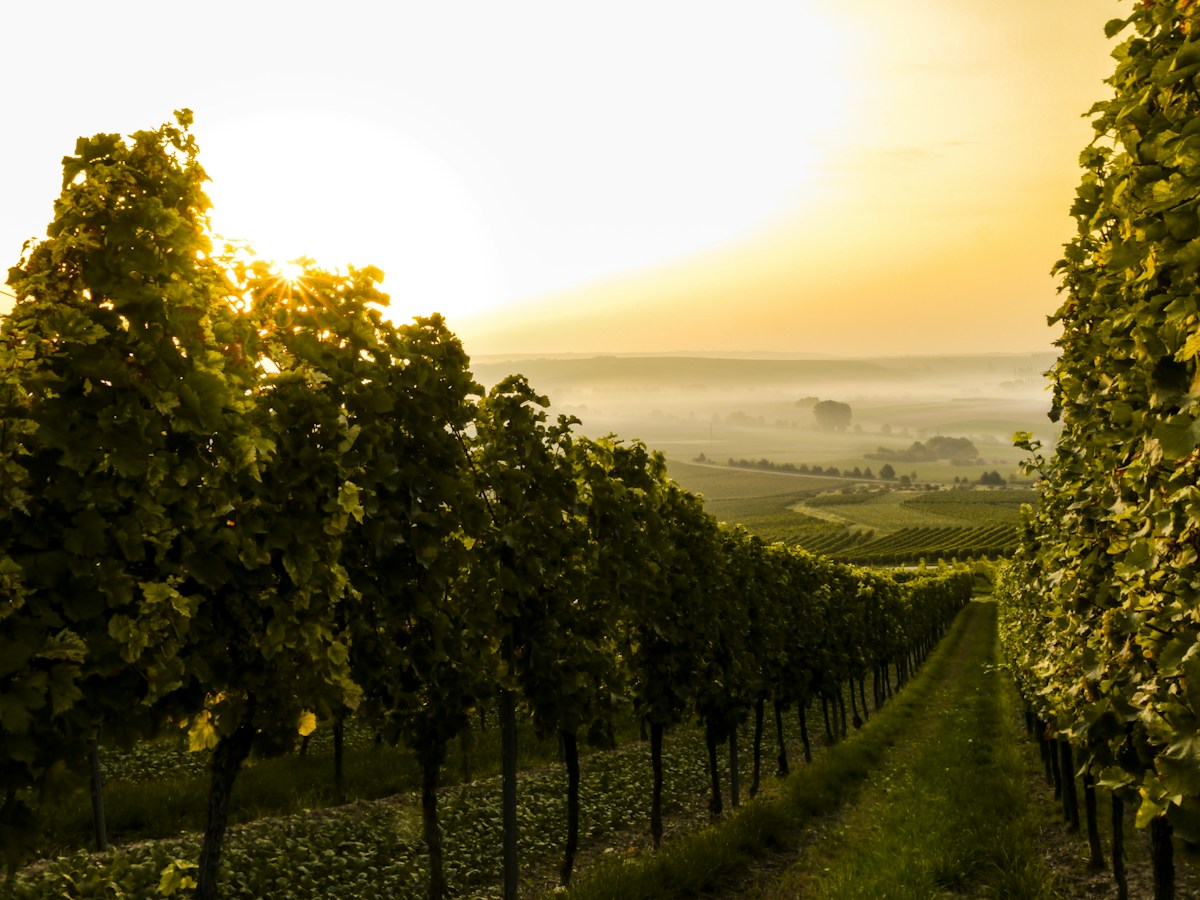
These conditions are ideal for white grape varieties that need to preserve lively acidity and fresh aromas. To avoid fungal diseases, the vines are traditionally trained in a special system called parral: vines are grown high on pergola‑like structures so the wind can circulate beneath the grapes and dry off moisture quickly.
In this way, the Atlantic climate combined with granite soils creates a unique wine style: precise, fresh, saline, with an energy you can literally taste.
---
Grape Varieties: Albariño – The Queen of Rías Baixas
When you talk about Rías Baixas, you can’t avoid one grape variety: Albariño. It occupies the lion’s share of the vineyard area and is the showpiece of the entire region.
Albariño – Freshness, Fruit, and Salty Elegance
Albariño is like the liquid expression of the Atlantic. Typical aromas include:
- citrus fruits (lemon, lime, grapefruit)
- stone fruit (peach, apricot, a touch of yellow plum)
- green apple, white flowers
- often a hint of exotic fruit (passion fruit, pineapple)
- fine, salty minerality reminiscent of sea air
On the palate, Albariños from Rías Baixas are usually:
- dry
- with lively, refreshing acidity
- medium‑bodied, with a creamy texture if aged longer on the lees
- surprisingly age‑worthy at higher quality levels
Alongside Albariño, there are other, often indigenous grape varieties that broaden the spectrum:
- Treixadura – adds structure and floral notes
- Loureira – contributes aromatic freshness and herbal tones
- Caiño Blanco – rare, very fresh with high acidity
- Godello – not a core variety of Rías Baixas, but important in Galicia, with more body and depth
In blends, these varieties complement Albariño or occasionally appear as single varietals, but they always create one thing: an unmistakably Galician style.
---
History: From Fishing Land to White Wine Icon
The history of Rías Baixas is closely tied to the sea. For centuries, people here have lived from fishing, shellfish farming, and agriculture. Wine was long a local product, meant mainly for personal consumption and regional cuisine.
Early Roots
Winegrowing has existed in Galicia since the Middle Ages. Monastic orders played an important role in establishing vineyards and caring for the vines. Albariño was cultivated locally for centuries, without anyone suspecting the international career this grape would one day enjoy.
The Turning Point: Quality Focus and DO Status
In the 20th century, a shift began. As travel increased and interest in regional cuisine grew, visitors discovered the region’s fresh, aromatic white wines. Nevertheless, they remained an insider tip for a long time.
In 1988, the decisive step followed: Rías Baixas received Denominación de Origen (DO) status – a seal of approval for controlled origin and quality.
This marked the start of an intensive modernization phase:
- investment in modern cellar technology
- stricter selection in the vineyard
- focus on low yields and high grape quality
- expansion into export markets
Today, Rías Baixas is one of Spain’s best‑known white wine regions – and Albariño features on top wine lists around the world. What was once a regional drink for fishermen is now a symbol of modern, terroir‑driven Atlantic wine.
---
Enjoyment & Food Pairing: When Wine Embraces the Sea
Rías Baixas tastes like the sea. That’s where its culinary destiny lies: hardly any other wine pairs as naturally with seafood and fish as a well‑made Albariño from Rías Baixas.
Aromas in the Glass
Typical style of a classic Rías Baixas Albariño:
- Nose: lemon, lime, green apple, ripe yellow peach, white flowers
- Palate: juicy, lively acidity, medium body, clear structure
- Finish: salty‑fresh, often with hints of wet stone and sea breeze
With wines that spend longer on the lees (sur lie), you also get:
- creamier texture
- notes of brioche or fresh bread
- more depth and complexity
Perfect Food Pairings
- Seafood & Shellfish
- mussels, oysters, scallops
- Galician specialty: Pulpo a la Gallega (octopus with paprika)
Albariño highlights the sweetness of the seafood, and its salty note mirrors their briny, iodine character perfectly.
- Fish Dishes
- grilled or baked white fish (hake, cod, sole)
- ceviche, sushi & sashimi
The wine’s fresh acidity cuts through fat and enhances the purity of the flavors.
- Vegetarian Cuisine
- summery salads with citrus and fresh herbs
- vegetable sautés with zucchini, fennel, bell peppers
- risotto with green asparagus or lemon
Albariño adds lightness and tension to plant‑based dishes without overpowering them.
- Cheese & Tapas
- milder goat’s and sheep’s cheeses
- tortilla española, empanadas, Galician savory pies with fish filling
An ideal wine to accompany an entire evening of tapas.
Serving Temperature & Glassware
- Serving temperature: 8–10 °C (46–50 °F)
- Glass: medium‑sized white wine glass that gives the aromas room to unfold
This way Albariño shows its freshness without tipping into sharp acidity and retains its fine fruit nuances.
---
FAQ – 10 Questions About Rías Baixas
1. Where exactly is the Rías Baixas wine region located?
Rías Baixas is in the northwest of Spain, in the autonomous region of Galicia, directly on the Atlantic coast. The DO covers several subzones around the characteristic sea inlets (rías).
2. Which grape variety is typical for Rías Baixas?
The most important variety is Albariño. It makes up the majority of the vineyard area and is the region’s calling card. Smaller amounts of Treixadura, Loureira, and Caiño Blanco are also grown.
3. What does a typical Rías Baixas Albariño taste like?
Dry, fresh, and aromatic: citrus, stone fruit, green apple, floral notes, and a fine salty minerality. On the palate it has lively acidity, clarity and precision, with medium body.
4. What does Rías Baixas wine pair best with?
Above all with seafood and fish: mussels, oysters, octopus, grilled fish, sushi. But it also pairs excellently with light Mediterranean dishes, vegetarian cuisine, and mild cheeses.
5. Is Rías Baixas always white wine?
Yes, Rías Baixas is known primarily for white wines, especially Albariño. Red wines play hardly any role here and are produced only in very small quantities.
6. How long can you age an Albariño from Rías Baixas?
Many Albariños are made for early drinking within 2–3 years. High‑quality, well‑structured examples – often aged longer on the lees – can mature for 5–8 years or more, developing more complex nutty and honeyed notes.
7. How does Rías Baixas differ from other Spanish wine regions?
Rías Baixas is clearly Atlantic in character: cooler, wetter, greener than many other Spanish regions. Instead of powerful, sun‑drenched reds, the focus is on fresh, maritime whites that stylistically are closer to northern Spain and even to cool regions like northern Portugal or the French Atlantic coast.
8. What does “DO Rías Baixas” mean on the label?
“DO” stands for Denominación de Origen, a Spanish designation of origin with strict rules on grape varieties, cultivation methods, and quality. “DO Rías Baixas” guarantees that the wine comes from this region and meets defined quality standards.
9. What role does the sea play for the wine of Rías Baixas?
The sea influences the climate, humidity, and temperature. It ensures mild summers, prevents extreme heat, and brings salty winds that are reflected in a subtle maritime note in the wine. Without the Atlantic, the wines of Rías Baixas would not be what they are.
10. How should I best serve a Rías Baixas wine?
Well chilled at 8–10 °C (46–50 °F) in a medium‑sized white wine glass. This is how freshness, fruit, and minerality show at their best. Once opened, a bottle will usually stay enjoyable for 1–2 days in the fridge if well sealed.
---
Conclusion: A Sip of Rías Baixas Is a Sip of the Atlantic
Rías Baixas is not a region you only find on a map. You find it in the scent of freshly opened oysters, in the roar of the surf, in the salty wind that blows through the vines – and in every glass of Albariño you raise to your lips.
Between granite soils, Atlantic coolness, and centuries‑old tradition, a wine world has emerged that turns the essence of the sea into liquid form: bright, vibrant, energetic. Rías Baixas is a reminder of how directly wine can reflect landscape, climate, and culture.
When you drink an Albariño from Rías Baixas, you’re not just tasting citrus fruit, peach, and salty minerality – you’re tasting an entire coastline, a way of life, and a piece of Spain’s north.
And if, after the last sip, a hint of sea breeze lingers on your palate, you’ll know: Rías Baixas has reached you.