Margaret River – Australia's Premium Wine Paradise by the Indian Ocean
Discover Margaret River.
Magical Ocean Breeze & World-Class Wines: Why Margaret River Touches the Heart
Meta description: Margaret River: Australia’s magical wine region between ocean, forest & vines. Discover terroir, grape varieties, history & food pairings.
---
Introduction
There are wine regions you visit – and those you never forget. Margaret River, at the far southwest tip of Australia, belongs to the second category. Here, the wild power of the Indian Ocean meets quiet eucalyptus forests, salty sea air meets fine limestone, sun-drenched vineyards meet cool nights.
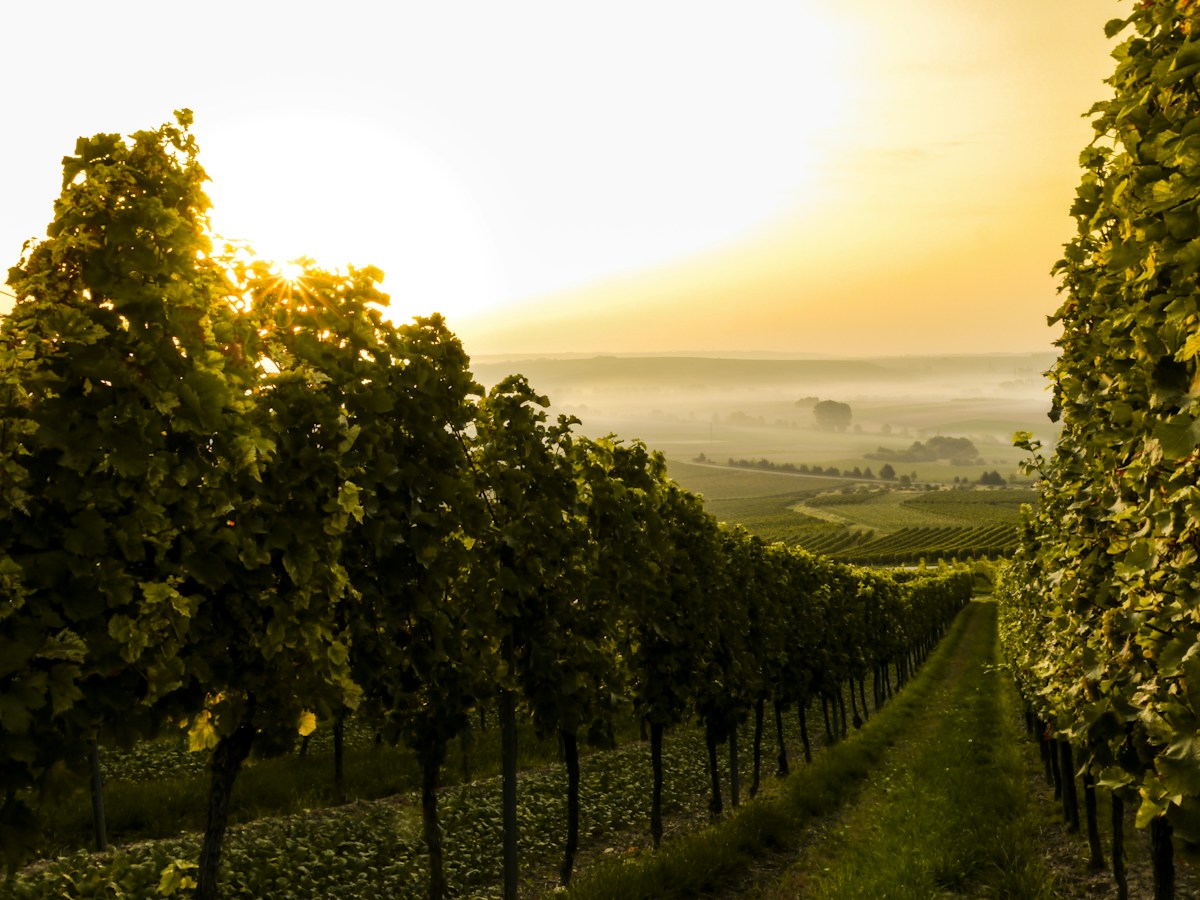
Anyone who has ever gazed through the vines in the early morning hours, when wisps of fog still lie over the rows like delicate veils and the roar of the surf can be heard in the distance, feels it: this place has a soul. And you can taste that soul in the glass – in powerful yet elegant Cabernets, in crystal-clear Chardonnays and in fresh, vibrant white wines that smell of the sea, citrus and herbs.
Margaret River is no longer an insider tip, but one of Australia’s most important premium wine regions. And yet it has preserved something intimate and original – an almost tangible calm that is often hard to find in Bordeaux or Napa Valley. Here, it’s not just about great wines, but about a way of life somewhere between beach, bush, surfboard and barrique.
---
Terroir and Climate
The magic of Margaret River begins with its terroir. From a geological perspective, the region sits on an ancient base of granite and gneiss, covered with weathered, gravelly clay soils and sandy topsoils. While that may sound dry, in practice it’s a dream for high-quality vines: lean, well-draining soils that force the roots deep into the ground and make them work hard for water. The result is low yields but high aromatic concentration – exactly what winemakers love.
The maritime climate – a gift from the ocean
Margaret River juts out like a finger between the Indian and Southern Oceans. This maritime setting creates a climate so stable that many compare it to the Médoc in Bordeaux – just with more sunshine and fewer weather extremes. Summers are warm but rarely extremely hot, and nights remain pleasantly cool. Heat spikes are moderated by ocean breezes, late frosts are rare, and the growing season is long.
This combination has several effects:
- Perfect ripeness: Grapes have time to develop aromas and tannins without accumulating too much sugar (and therefore alcohol).
- Freshness & structure: Cool nights preserve acidity – the backbone of every great wine.
- Vintage consistency: Margaret River is one of the “safest” wine regions in the world, with very few truly difficult vintages.
A mosaic of subregions
Within Margaret River there are various zones such as Wilyabrup, Wallcliffe, Yallingup and Karridale that differ subtly. Wilyabrup, for example, is known for structured, powerful Cabernets, while cooler sites further south produce particularly fresh white wines. Winemakers use this mosaic to select specific sites for particular styles – from opulent, barrel-aged Chardonnays to delicate, mineral-driven interpretations.
---
Grape Varieties
Although Margaret River accounts for only a small fraction of Australia’s total wine production, it plays in the top league of quality. One reason is its clear focus on a few, perfectly suited grape varieties.
Cabernet Sauvignon – the proud backbone
Cabernet Sauvignon is the region’s signature grape. In Margaret River, it doesn’t appear as an overripe muscleman, but as an athletic, finely etched red wine with impressive structure.
Typical characteristics:
- Aromas of blackcurrant, plum, cherry
- often notes of eucalyptus, mint, cedarwood and pencil shavings
- fine-grained, ripe tannins reminiscent of Bordeaux but with riper, sunnier fruit
Cabernet is often blended with Merlot, Cabernet Franc or Malbec – very much in the style of classic Bordeaux blends.
Chardonnay – purity meets richness
Chardonnay from Margaret River is now part of the international top tier. It combines the creaminess of the New World with the tension of great Burgundy:
- Aromas of citrus, white peach, nectarine
- depending on style: brioche, hazelnut, vanilla, toasted almonds
- lively acidity carried by juicy fruit, often with a salty, mineral note on the finish
Many winemakers work with wild (spontaneous) fermentation, bâtonnage (stirring the lees) and carefully judged oak use to create depth, texture and complexity.
Sauvignon Blanc & Semillon – the fresh side
A regional classic is the blend of Sauvignon Blanc and Semillon – sometimes fresh and zesty from stainless steel, sometimes serious and complex with barrel ageing and good ageing potential.
Expected aromas:
- Lime, grapefruit, gooseberry
- fresh herbs, grassy notes
- in mature or oak-aged versions: wax, honey, nuts, dried citrus peel
Other grape varieties
You’ll also find:
- Shiraz (Syrah): more medium-bodied, peppery, red-berried – not as powerful as Barossa, but cooler and more elegant.
- Chenin Blanc, Viognier, Malbec, Petit Verdot: often as blend components or in small, experimental batches.
Margaret River’s strength lies less in varietal diversity than in its unwavering focus on quality in Cabernet, Chardonnay and Sauvignon Blanc/Semillon blends.
---
History
Compared with European wine regions, Margaret River is a youngster – but one with a meteoric rise.
The birth: science instead of chance
Until the 1960s, Margaret River was mainly a region for dairy and forestry, with a few fearless surfers. Everything changed when agricultural scientist Dr John Gladstones analyzed climate and soil data and concluded that this remote corner of Western Australia offered ideal conditions for high-quality viticulture. His groundbreaking studies of 1965 and 1966 are considered the starting signal.
The pioneers
Soon after, the first pioneers planted vines:
- Vasse Felix (founded 1967) – the region’s first winery
- Cullen Wines, Leeuwin Estate, Cape Mentelle, Moss Wood and others followed in the 1970s
These estates are still prestigious names on wine lists around the world. Many remain family-run, with deep roots in the land and local community.
Rapid rise to icon status
Within a few decades, Margaret River evolved from experimental field to benchmark for Australian premium wine. International attention focused particularly on its Cabernet Sauvignons and Chardonnays – through blind tastings, awards and comparisons with Bordeaux and Burgundy.
At the same time, the region grew in a measured way: from a handful of wineries to more than 150. Instead of chasing volume, producers consistently prioritised quality. Sustainability, biodynamics and low-intervention viticulture now play a central role. Many wineries use solar power, reduce water consumption and foster biodiversity in the vineyards.
---
Enjoyment & Food Pairing
Margaret River is more than a wine region – it’s a culinary playground. Between ocean and bushland, products of impressive quality are produced: freshly caught fish, shellfish, lamb, beef, goat’s cheese, olive oil, truffles from nearby Manjimup, plus regional vegetables and herbs.
Cabernet Sauvignon & blends
Ideal with:
- Herb-crusted rack of lamb
- Slow-braised beef (beef cheeks, osso buco, brisket)
- Roast beef with rosemary potatoes
- Mature hard cheeses such as Cheddar or aged Gouda
Ripe yet firm tannins love protein and fat – they make the wine seem softer while the dish gains depth.
Chardonnay
Perfect partners:
- Pan-fried or grilled fish (e.g. barramundi, salmon) with butter or lemon sauce
- Coq au Vin Blanc or creamy poultry dishes
- Seafood such as scallops, prawns, lobster
- Soft cheeses and mild goat’s cheese
A rich, barrel-aged Chardonnay works beautifully with creamy, buttery textures. Lighter, more mineral styles pair well with simply prepared seafood.
Sauvignon Blanc & Semillon
Uncomplicated, fresh, versatile:
- Oysters, mussels, ceviche
- Sushi, sashimi, Asian-inspired dishes with lime and coriander
- Goat’s cheese, summer salads, vegetable dishes
Oak-aged versions can handle richer dishes – for example roast chicken, herb gnocchi or fish in cream sauce.
Shiraz
Herbal spice, pepper and red fruit pair with:
- Grilled lamb or beef
- BBQ, spare ribs, spicy marinades
- Mediterranean dishes with olives, tomatoes, rosemary
The experience on site
Visitors to Margaret River experience wine not just in the glass, but as a whole way of life:
- Tastings in modern, light-filled cellar doors
- Long lunches overlooking vines and forest
- Picnics with regional produce
- Surf session in the morning, wine tasting in the afternoon, fine dining in the evening
This easy interplay between high-end indulgence and laid-back beach culture is a key part of the region’s charm.
---
FAQ – 10 Questions about Margaret River
1. Where exactly is Margaret River located?
Margaret River is in the southwest of Western Australia, about a three-hour drive south of Perth, nestled between the Indian Ocean and forested areas.
2. What is Margaret River best known for?
For top-class Cabernet Sauvignon, Chardonnay and Sauvignon Blanc/Semillon blends – as well as its surf spots, beaches and breathtaking natural scenery.
3. Which grape varieties dominate?
Red: mainly Cabernet Sauvignon (often with Merlot & co.). White: Chardonnay, Sauvignon Blanc and Semillon, often blended.
4. What is the climate like in Margaret River?
Maritime, with mild summers, cool nights and relatively stable rainfall. Extreme years are rare, which supports consistent quality.
5. Are wines from Margaret River suitable for ageing?
Yes. Good Cabernet Sauvignons can age for 10–20 years and longer. Chardonnays and oak-aged Sauvignon Blanc/Semillon blends develop fascinating tertiary aromas over 5–10 years.
6. What do typical Cabernet Sauvignons from Margaret River taste like?
They show dark berry fruit, cassis, subtle herbal and eucalyptus notes, elegant tannins and a cool, structured character – often with a Bordeaux-like feel.
7. What sets Margaret River apart from other Australian regions?
Its distinctly maritime climate, the geological uniqueness of its soils, the strong focus on a few premium varieties, and the combination of top quality with relaxed surf culture.
8. Is Margaret River easy to visit?
Yes. There are numerous wineries with cellar doors, restaurants, boutique hotels, cottages and lodges. There are also beaches, hiking trails, caves and artists’ studios.
9. Are there organic or biodynamic wineries?
Many. Pioneers such as Cullen Wines have worked biodynamically for years, and there are numerous certified organic estates and sustainability initiatives.
10. What price range are the wines in?
Entry-level wines start in the mid-price segment, while top wines clearly occupy the premium category. In international comparison, they often offer excellent value for money.
---
Conclusion
Margaret River is more than just a dot on Australia’s wine map. It’s a promise: of wines full of character, elegance and maritime freshness; of a landscape that is breathtakingly beautiful yet soothingly unpretentious; of people who work with dedication, a deep connection to the land and respect for nature.
Each glass of Margaret River wine carries this tension within it: between ocean and forest, sun and cool night, tradition and modern precision. Lovers of Cabernet will find one of the most exciting alternatives to Bordeaux here. Seekers of Chardonnay will discover a style that unites the best of the Old and New Worlds. And those who simply want to enjoy will experience a region where great wine moments feel effortless and natural.
Perhaps that is what makes Margaret River so special: the wines are worldly – yet the heart of the region beats to the rhythm of the waves. Next time you hold a bottle labelled “Margaret River” in your hand, take a moment to savour that first sip consciously. You’ll taste more than just wine – you’ll feel a place.