Goldkind Rotgipfler: When the Thermenregion Flows into Your Glass
Rotgipfler ist kein lauter Star, sondern ein stiller Poet im Glas – voll goldener Frucht, Seele der Thermenregion und ein großartiger Essensbegleiter.
Goldkind Rotgipfler: When the Thermenregion Flows into Your Glass
---
Dear wine lovers,
now and then you encounter a wine that doesn’t just taste good, but tells a story – of soil and light, of history and quiet passion. Rotgipfler is exactly that kind of wine. It’s not a loud star pushing itself onto the big stages of the wine world. It is more of a quiet poet, waiting in the half-shade of wine lists until someone curious enough decides to discover it – and then, with a single sip, experiences a small miracle.
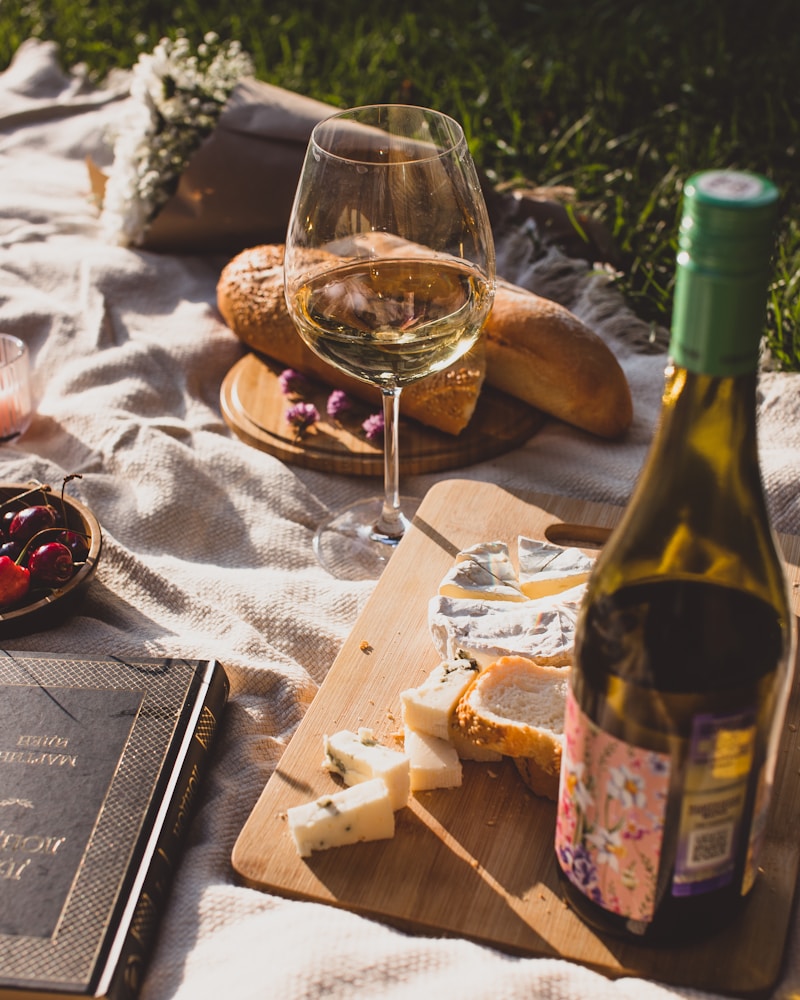
Rotgipfler is like a golden evening over the Thermenregion, when the sun slowly sets behind the gentle hills and the air is filled with the scent of orchards and warm limestone. In the glass it gleams straw yellow with a touch of honeyed light, dense yet clear like the Danube on a still autumn day. On the nose, ripe apricot, juicy pear and a gentle hint of pineapple dance together, interwoven with a spicy whisper of herbs and a veil of delicate blossoms. On the palate it is full-bodied yet never heavy, carried by a medium acidity that sweeps through like a fresh breeze in a sun-drenched valley.
This grape variety is a love letter to its homeland: the Thermenregion around Gumpoldskirchen, Tattendorf, Traiskirchen and Bad Vöslau. It is autochthonous, headstrong and unmistakable – a wine for people who seek out what’s special, what doesn’t shout at first glance, but opens up a little more with every glass. When you allow yourself to sink into Rotgipfler, you’re not just drinking wine – you’re drinking landscape, history and longing.
---
1. The Globetrotter in the Glass: Where Rotgipfler Lives
Its roots are deep, its home clearly defined: Rotgipfler is no world traveller like Chardonnay or Sauvignon Blanc. It is a child of Austria – more precisely, a child of the Thermenregion south of Vienna. Yet in its stylistic diversity it feels like a little globetrotter in the glass – at times Mediterranean, at times alpine-fresh, at times almost exotic.
Gumpoldskirchen – The Classic Soul
Gumpoldskirchen is the heartland of Rotgipfler. This is where wines are born that shape the classic image of this variety:
Straw yellow with golden reflections, ripe apricot, yellow pear, delicate blossoms and a hint of honey. On the palate full-bodied, creamy, with medium but juicy acidity that is never loud, yet always present.
The calcareous soils lend it structure and mineral finesse. From the best sites you get Rotgipfler that unites almost Burgundian elegance with Austrian warmth – wines that shine both solo and at the table, and that, with a few years of bottle age, develop additional notes of honey and herbs.
Tattendorf – Power and Spice
Tattendorf, a bit further south, is well known for its red wines, yet Rotgipfler also finds an exciting home here. The slightly warmer conditions often allow the grapes to ripen further, making the wine more opulent, intense and exotic.
Here Rotgipfler often shows pronounced pineapple and citrus fruit, alongside ripe apricot and sometimes even a hint of candied orange. The body is powerful, almost viscous, with a dense texture. Herbal spice and a touch of dried flowers lend it serious depth. Tattendorf Rotgipfler is ideal when you want to experience the more opulent, expressive side of this variety.
Traiskirchen – The Masters of Balance
Traiskirchen is stylistically positioned between Gumpoldskirchen and Tattendorf. The wines from this area often act like mediators: powerful but not heavy; aromatic but not loud.
On the nose you’ll find juicy pear, stone fruit and floral notes, sometimes also a subtly bitter-edged herbaceous quality reminiscent of chamomile, lemon balm or a touch of thyme. On the palate they are full-bodied but clearly defined, with medium acidity that lends the wine flow and drinkability. If you want to get to know the “typical” Rotgipfler taste, Traiskirchen is a wonderful starting point.
Bad Vöslau – The Cool, Elegant Note
Around Bad Vöslau, the influence of the forests and the higher elevation becomes more noticeable. Nights are often cooler, and the diurnal temperature range is greater – this gives Rotgipfler added freshness and a slightly firmer structure.
Here the aromas can appear clearer and more finely etched: lemon zest, white blossoms, greener herbal notes, plus the typical pear and apricot, but often less opulent, more precise instead. On the palate these wines appear defined, certainly full-bodied, but more tautly structured, with very invigorating acidity. Perfect for anyone who loves Rotgipfler with a slightly cool, elegant aura.
---
2. Between Steel and Oak: How Maturation Shapes Rotgipfler
Rotgipfler is by nature a full-bodied, aromatically dense white wine. Like a talented actor it can convincingly play different roles – depending on how the winemaker chooses to mature it. Two worlds are particularly decisive for its character: the stainless-steel tank and the wooden cask.
Rotgipfler from Stainless Steel – Clarity and Fruit in the Spotlight
Rotgipfler matured in stainless steel is like a sunny spring morning: clear, fresh, radiant. Here, primary aromas are in the foreground – apricot, pear, pineapple, citrus, along with the fine floral and herbal notes that make the variety so distinctive.
On the palate, the wine shows density yet remains linear. Medium acidity supports the full body without making it feel heavy. Maturation in stainless steel emphasizes:
- Fruit clarity: Every fruit note appears well defined, nothing blurs.
- Freshness: The acidity seems livelier, the wine more thirst-quenching.
- Authenticity: The pure expression of the variety and its terroir take center stage.
This is the style many winemakers choose for their “classic” lines – perfect as a food partner or as a wine to be enjoyed young without missing a thing.
Rotgipfler from Wooden Casks – Depth, Creaminess and Time
In wooden casks, whether large Stückfass or small barrique, Rotgipfler shows its thoughtful, profound side. Its natural richness and extract make it almost predestined for judicious use of oak. The wine isn’t covered up, it’s framed.
Maturation in wood often brings:
- More texture and creaminess: The wine feels creamier, denser, almost oily on the palate.
- Additional aromas: Vanilla, fine toasty notes, nuttiness, beeswax, sometimes a touch of smoke.
- Aging potential: With a few years in bottle, notes of honey, dried fruit and complex herbs develop.
Well-made, oak-matured wines are not loud oak bombs – they are like a chamber orchestra: multi-layered, harmonious, finely attuned. Especially in the Thermenregion, this is how Rotgipfler is made that pairs effortlessly with substantial dishes and, in blind tastings, can outshine many an international white.
In-Between Worlds – Steel with a Hint of Oak
Many contemporary winemakers use a combination of both: part of the wine matures in stainless steel, part in used oak, and the individual lots are later assembled. These cuvées of maturation styles combine fruit depth with structure, freshness with creaminess – an ideal style for anyone who wants the best of both worlds.
---
3. Pairing Recommendations: The Perfect Partner
Rotgipfler is a born food companion. Its full body, medium yet supporting acidity and aromatic diversity allow pairings where lighter varieties often fail. From Austrian comfort food to Asian cuisine – Rotgipfler feels at home at surprisingly many tables.
| Dish | Wine Style | Why It Works |
|---------------------------------|-----------------------------------|------------------------|
| Wiener Backhendl with potato salad | Rotgipfler from stainless steel (classic, fruit-driven) | The juicy, medium acidity cuts through the crispy coating, while apricot and pear aromas complement the seasoning of the poultry. The full body gives the dish backbone without overwhelming it. |
| Pan-fried pike-perch fillet on herb risotto | Partially oak-matured Rotgipfler | Creamy texture and fine honey and herbal notes mirror the risotto, while citrus and floral aromas lend freshness to the fish. The wine’s structure stands up to the intense herb flavours. |
| Mild-spicy Thai curry with coconut milk and vegetables | Fruity Rotgipfler with only subtle oak | Exotic fruit (pineapple, apricot) finds aromatic echoes in the curry, and the full body meets the coconut cream on equal terms. Moderate acidity provides balance without making the heat seem harsh. |
---
4. FAQ – 10 Questions for Rotgipfler Lovers
❓ 1. What makes Rotgipfler so special compared to other white wines?
Rotgipfler uniquely combines richness and elegance. It is full-bodied, powerful and aromatically dense without ever feeling clumsy. Its typical aromas – apricot, pear, pineapple, citrus, blossoms, herbs and a hint of honey – evoke sun-drenched orchards, while the medium acidity keeps it lively. On top of that, it is an autochthonous, rare variety strongly shaped by its origin, the Thermenregion.
---
❓ 2. Is Rotgipfler always sweet because it smells of honey and ripe fruit?
No. Although Rotgipfler often shows aromas of honey, ripe apricot and exotic fruit, most wines are vinified dry. The honey notes stem primarily from maturity and élevage (sometimes in wood), not from residual sugar. Naturally there are also off-dry or noble sweet styles, but classic Rotgipfler from the Thermenregion is a dry, structured white wine.
---
❓ 3. How long can I cellar a Rotgipfler?
That depends on the style. Fruit-forward Rotgipfler from stainless steel is best enjoyed within 2–4 years of the vintage, when freshness and primary fruit are in the foreground. Oak-matured, denser Rotgipfler with good structure can easily age 5–10 years – some top wines even longer. With age, notes of honey, dried blossoms, herbs and sometimes a fine nuttiness develop.
---
❓ 4. What is the ideal serving temperature for Rotgipfler?
Give Rotgipfler a little more warmth than a very light white wine.
- Fresh, fruity style: 8–10 °C
- Oak-matured or older examples: 10–12 °C
Served too cold, it can seem closed and angular; at a slightly higher temperature the aromas unfold and the body reveals its full complexity.
---
❓ 5. What kind of glass should I use for Rotgipfler?
Rotgipfler rewards you with a medium-sized, tulip-shaped white wine glass – a Burgundy-style glass, but slightly smaller, works beautifully. The larger bowl gives the many-layered aromas room to unfold and guides the wine to the part of the tongue where its richness and acidity come together harmoniously. For especially complex, oak-matured Rotgipfler, you can happily opt for a slightly larger glass.
---
❓ 6. Does Rotgipfler go better with fish or with meat?
With both – and that’s what makes it so exciting.
- With fish (pike-perch, char, halibut), the fruity, stainless-steel versions work especially well.
- With poultry, veal or lighter pork dishes, you can confidently pour more structured or lightly oak-accented Rotgipfler.
Thanks to its full body and medium acidity, it also accompanies creamy sauces, mushroom dishes or savoury vegetable courses with great confidence.
---
❓ 7. Where does the name “Rotgipfler” come from?
The name has nothing to do with the wine’s colour – it is a white wine. It comes from the reddish tinge of the vine’s shoot tips, the “Gipfel”. In the vineyard you can recognize Rotgipfler in spring and summer by these slightly reddish young shoots that gave it its charming name.
---
❓ 8. Is Rotgipfler a grape variety only for connoisseurs, or is it also suitable for beginners?
Both. Seasoned wine enthusiasts will appreciate its complexity, sense of place and aging capacity. But beginners who are tired of uniform, anonymous wines will also find a wonderful discovery in Rotgipfler: it is approachable thanks to its fruit and harmony, yet characterful enough to spark curiosity for more.
---
❓ 9. Which grape varieties can Rotgipfler be compared to in terms of taste?
Any comparison limps a little, but here is an approximation:
- The richness and texture can sometimes recall Chardonnay,
- the fruit may evoke ripe Pinot Blanc or Neuburger,
- the spice and herbal notes can bring Grüner Veltliner to mind.
But: the combination of apricot, pear, pineapple, citrus blossom, herbs and honey is very distinctive – once you’ve had Rotgipfler in your glass a few times, you’ll recognize it quickly.
---
❓ 10. How can I discover good Rotgipfler producers and wines?
Begin your journey in the Thermenregion: Gumpoldskirchen, Tattendorf, Traiskirchen and Bad Vöslau are magical names for Rotgipfler fans. Look for cues like “Thermenregion DAC”, single-vineyard designations and information on maturation (stainless steel vs. oak). Many ambitious winemakers offer both a classic, fruit-forward version and a more complex reserve matured in wood. Best of all: let a good wine shop guide you, taste across several estates – and then simply follow your own palate.
---
Next time you see a Rotgipfler on the shelf, take a step closer. Picture the gentle hills of the Thermenregion, the warm calcareous soils glowing in the evening sun, and the quiet stories resting in each and every grape. Open the bottle, pour slowly – and let a golden evening flow into your glass.