The Sweet Poet Pedro Ximénez: When Andalusia’s Sun Begins to Sing in Your Glass
Pedro Ximénez ist keine schnelle Lektüre, sondern ein Roman im Glas – voll Sonne, Zeit und andalusischer Seele.
The Sweet Poet Pedro Ximénez: When Andalusia’s Sun Begins to Sing in Your Glass
---
2. Introduction
Dear wine lover,
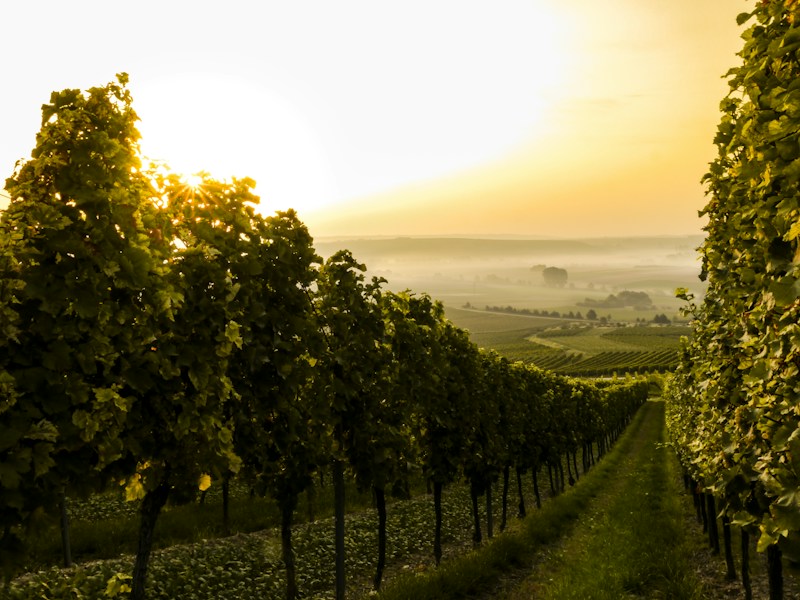
some grape varieties whisper, others narrate – but Pedro Ximénez sings. It sings of dusty paths in the Andalusian midday heat, of glaring white chalk soils and of grapes that lie in the sun until they turn into sweet, dark pearls. When you raise a glass of Pedro Ximénez, you are not just holding wine in your hand, but an extract of time, light, and patience.
Pedro Ximénez – often lovingly called “PX” – is Andalusia’s sweet sun, tamed into golden drops. Its colour shimmers like liquid amber, sometimes almost like dark maple syrup, deep and dense, as if the evening sky had taken refuge in a glass. On the nose, raisins, figs, dried dates and warm caramel rise up, crossed by honey, orange peel and prunes. On the palate it is opulent, almost syrupy, with low acidity – and yet it always carries a quiet, proud freshness within, like the salty Atlantic breeze sweeping over the vineyards of Jerez.
This grape variety is not a wine for haste. It is a wine for slow breathing, for mindful pausing, for nights when the thread of conversation is not meant to break. Pedro Ximénez speaks of old barrels, of bodegas where the wood collects stories, of grandfathers who teach you in a whisper how to empty a glass slowly. It is a wine that touches not only your palate, but your memory.
---
1. The Globetrotter in the Glass: Where Pedro Ximénez Feels at Home
At heart, Pedro Ximénez is a true Andalusian – deeply rooted in the south of Spain, where the light is harsher, the shadows cooler, and traditions older than many a cellar beam. And yet this grape variety shows a different face depending on where it grows.
Montilla-Moriles – The Cradle of Sweetness
Montilla-Moriles, situated a little inland from Córdoba, is something like the spiritual home of Pedro Ximénez. Here, on bright Albariza soils, the sun gently bakes the grapes day after day. Many PX grapes are laid out in the sun after harvest – the famous “Asoleo”. The berries shrivel into raisins, the sugar concentrates, and the must turns into a sweet elixir.
The wines from Montilla-Moriles often show dense, creamy sweetness, marked by raisins, figs, dates and dark honey. The low acidity makes them soft and enveloping, like a velvet shawl on a cool evening. Here you often find PX as an unfortified sweet wine, so without added alcohol, which makes it a little softer and more grapey in expression.
Jerez-Xérès-Sherry – The Realm of the Solera
In Jerez, this mythical triangle between the Atlantic and limestone, Pedro Ximénez enters the venerable circle of Sherry wines. Here its must is almost always fortified, that is, strengthened with wine spirit, and then aged for many years through the Solera system. Casks of different vintages are stacked on top of each other, and the wine slowly moves from cask to cask – a liquid time machine.
PX from Jerez is usually very dark, almost inky, with aromas of molasses, raisins, prunes, dates, coffee, caramel and orangey dark chocolate. The sweetness is monumental, yet long barrel ageing lends it complex spice: liquorice, walnut, sometimes a hint of tobacco. The sea is never far away – a trace of salty coolness keeps the opulence in balance.
Málaga & Sierras de Málaga – The Mediterranean Embrace
Further east, in the province of Málaga, you encounter Pedro Ximénez in a somewhat different mood. The Mediterranean sends milder breezes, the light is softer but no less dazzling. Here, not only sweet liqueur wines are produced, but also modern interpretations that play with various maturation styles.
PX from Málaga often shows pronounced fruitiness: raisins and figs, yes, but sometimes also candied orange peel, apricot jam, a touch of almond and lightly toasty notes. The sweetness can feel a bit lighter than in Jerez, the texture perhaps less syrupy, but with a Mediterranean charm – like a night-time stroll through a city where the cafés never really close.
Andalucía as a Whole – A Landscape of Sun
Over all these regions lies the wide cloak of Andalusia: heat, light, dryness – conditions that challenge and transform the grape. Pedro Ximénez is no supporting actor here, but an icon. And whether you have it from Montilla-Moriles, Jerez or Málaga in your glass: you are drinking a piece of southern Spanish soul.
---
2. From Steel to Solera: How Maturation Shapes Character
Pedro Ximénez is like a gifted singer: its voice remains unmistakable, but the room in which it sings changes the sound. The maturation – whether in stainless steel or in wood – decides whether we hear a clear, pure melody or a dark, multi-layered choral.
Stainless Steel – The Pure, Grapey Voice
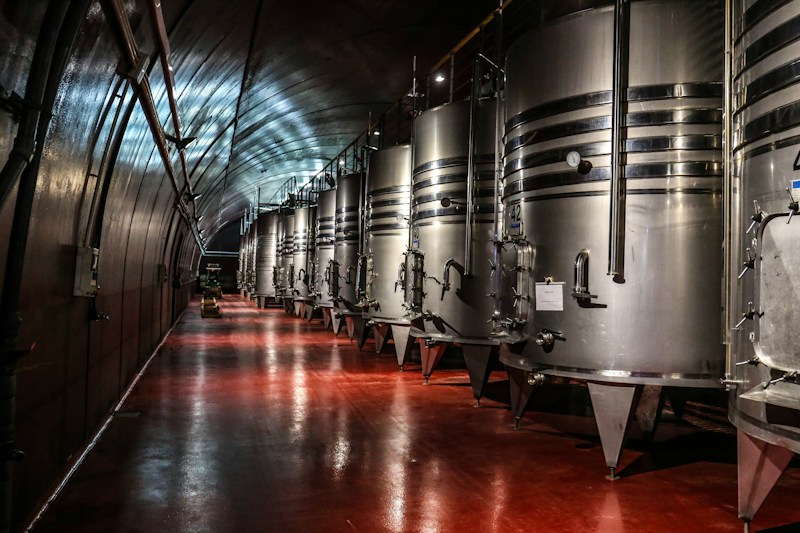
Those who mature PX in stainless steel usually seek the immediate, unadorned fruit. Stainless steel tanks are neutral, they do not impart aromas; they merely polish the texture and preserve freshness. In this form, Pedro Ximénez reveals its grapey, almost “virginal” side:
- Aromas: raisins, light dried fruits, honey, a touch of orange peel
- Texture: creamy-sweet but not overwhelming; the body is full yet appears somewhat lighter
- Impression: more direct, fruit-driven, with a hint of youthful playfulness
These wines are often approachable earlier, less complex, but wonderfully honest. They are perfect when you want to discover the pure sweetness and fruit of this grape variety without the echo of barrel and oxidation.
Wooden Casks – Where Time, Air and Wood Work Their Magic
In wooden casks, especially in old, large barrels, Pedro Ximénez displays its true dramatic greatness. Here, oxidation happens in slow motion: oxygen seeps gently through the pores of the wood, the wine concentrates, and aromas become darker, more complex, almost mysterious.
- Aromas: caramel, molasses, prunes, figs, dates, nuts, coffee, cocoa, candied orange peel
- Texture: viscous, almost syrupy, denser, heavier; the wine drapes itself over the tongue like velvet
- Impression: profound, meditative, multi-layered – a wine for reflection
The famous Solera system, especially in Jerez, pushes this development to its peak: vintages merge, and the wine carries the memory of many harvests within. Every sip is like reading an old, heavily annotated manuscript in which every note, every margin comment is still there.
Between Worlds
Of course, there are also combinations: pre-ageing in stainless steel followed by barrel ageing, or the use of different cask sizes and ages. But the red thread remains: stainless steel brings the fruit, wooden casks bring the depth. If you want to explore PX, try both worlds – it’s like hearing the same musician once unplugged in a small jazz club and once with a full orchestra at the opera house.
---
3. Pairing Suggestions: The Perfect Partner
Pedro Ximénez is no shy companion. It demands dishes that can stand up to its intensity – or deliberately set a counterpoint. Here are a few inspiring combinations:
| Dish | Wine style | Why it works |
|------------------------------------|-------------------------------------|--------------------------------------------------------------------------------------|
| Vanilla ice cream with warm PX poured over | Mature, wood-aged PX (Jerez) | The creamy coolness of the ice meets warm, syrupy sweetness – contrast and harmony in one. |
| Mature blue cheese (e.g. Roquefort, Cabrales) | Powerful, oxidatively aged PX | The salty, pungent spiciness of the cheese balances the opulent sweetness and highlights nutty and caramel notes. |
| Dark chocolate cake (70% cocoa) | Fruit-driven PX (possibly younger, partly stainless steel) | The bitterness of the chocolate reins in the sweetness; fig and date aromas meld with cocoa. |
---
4. FAQ – 10 Questions for Pedro Ximénez Lovers
❓ 1. Is Pedro Ximénez always extremely sweet?
Yes, Pedro Ximénez wines are almost always sweet to very sweet, many even “naturally sweetened” by drying the grapes. There are some experiments with dry versions, but at its core PX is a grape of lavish sweetness – that is its essence and its strength.
---
❓ 2. How does Pedro Ximénez differ from “normal” Sherry?
Pedro Ximénez is first of all a grape variety, not a style. Classic Sherry (Fino, Amontillado, Oloroso) is mostly made from Palomino Fino and can be dry. PX wines are predominantly sweet and are often used to sweeten Sherries (e.g. Cream Sherry). A pure Pedro Ximénez from Jerez is an independent, intense sweet wine, frequently aged in a Solera.
---
❓ 3. How long can I keep an opened bottle of Pedro Ximénez?
Thanks to the high sugar content and often elevated alcohol, many PX wines are remarkably stable. In the fridge, well sealed, they often remain sensorially appealing for several weeks to months. Especially oxidatively aged PX from wooden casks reacts less “dramatically” to air contact, because it has already gone part of that path.
---
❓ 4. What is the best glass for serving Pedro Ximénez?
Ideally, a small dessert wine or Sherry glass with a tulip-shaped opening. This concentrates the multi-layered aromas without overwhelming you with intensity. Fill the glass only one-third full – PX is a wine to sip, not to knock back.
---
❓ 5. What serving temperature do you recommend?
Between 10 and 14 °C is a good starting point. Younger, fruit-driven PX can be served a bit cooler to emphasise freshness. Old, very complex Solera PX opens up beautifully a little warmer (12–14 °C), as caramel, nut and coffee notes then come to the fore.
---
❓ 6. Is Pedro Ximénez a dessert, or a wine for dessert?
Both. A dense, mature PX can be enjoyed on its own as a complete dessert – a “liquid pudding”. At the same time, it pairs wonderfully with sweet dishes, but also with blue cheese or foie gras. The question is less “whether” and more “how much” – small amounts are usually enough.
---
❓ 7. Does Pedro Ximénez also go with savoury dishes?
Yes, as long as you allow contrasts. Very salty, savoury or spicy dishes such as blue cheese, powerful hard cheese or certain oriental dishes with lamb and prunes can create fascinating combinations. What matters is that the dish has enough intensity not to be overwhelmed by the sweetness.
---
❓ 8. How does the typical raisin and date sweetness in Pedro Ximénez develop?
The key is often “Asoleo” – the drying of the grapes in the sun. This causes them to lose water, the sugar concentrates, and the aromas shift from fresh grape to dried fruit. During subsequent ageing, especially in wood, these notes deepen into raisins, figs, dates and prunes.
---
❓ 9. Can you cook with Pedro Ximénez?
Absolutely. A splash of PX can elevate sauces, glaze desserts, or turn fruit salads into little works of art. Reduce it gently to concentrate its sweetness and aromas – for example as a syrup over vanilla ice cream, panna cotta, or even over a robust blue cheese.
---
❓ 10. Who is Pedro Ximénez the right wine for?
For people who are not afraid of intensity. If you love wines that tell stories, if you like being slowed down by your glass, if you see sweetness not as a “flaw” but as an expression of richness and generosity – then Pedro Ximénez is already waiting for you. It is not an everyday wine, but a moment wine. One you open when the evening really shouldn’t be over yet.
---
Take your time with this wine. Swirl it in the glass, breathe in deeply, taste in small sips. Pedro Ximénez is not a quick read – it is a novel, thickly bound, with many chapters. And each of them tastes a little of the sun of Andalusia.