Sunlit Poet Ribolla Gialla: When Friuli Starts to Sing in Your Glass
Ribolla Gialla flüstert statt zu schreien – zitrisch, salzig, mineralisch. Eine poetische Liebeserklärung an Friulis leisen Weißwein.
Sunlit Poet Ribolla Gialla: When Friuli Starts to Sing in Your Glass
Dear wine lovers,
some grape varieties burst into the glass like a blaring fanfare – others enter quietly, with the tenderness of an early morning. Ribolla Gialla belongs to the quiet ones. It doesn’t need pomp or grand gestures. It whispers. And that is exactly why it touches so deeply.
Ribolla Gialla glows in the glass like the first light of a Friulian morning, pale gold with a hint of straw. On the nose, lemon zest, white blossoms and the shadow of a warm stone floor after the rain start to dance. On the palate it is slender and yet surprisingly persistent, like a delicate voice that resonates in your heart for a long time, pulled taut by a vibrant, crystal-clear acidity. It tastes of salted lemons, green apples, grapefruit and a salty touch, as if the Adriatic itself were spraying its surf onto the harvest buckets.
What makes this variety so special is its quiet uncompromising nature: it is not an "everybody’s darling", not a sweet little fruit bomb. Ribolla Gialla is pure, mineral, straight – a wine that shows you how much poetry can be found in lightness. A wine that doesn’t numb, but awakens. Awakens your senses to fine nuances, to balance, to the magic of acidity.
---
1. The Globetrotter in the Glass: Where Ribolla Gialla Calls Home
At heart, Ribolla Gialla is a child of northeastern Italy – rooted in Friuli Venezia Giulia, where hills, wind and sea speak a language all of their own. And yet in every corner of this landscape it reveals a slightly different facet. Let’s stroll through its most important homelands.
Collio Goriziano – Where Gold Flows Down the Hills
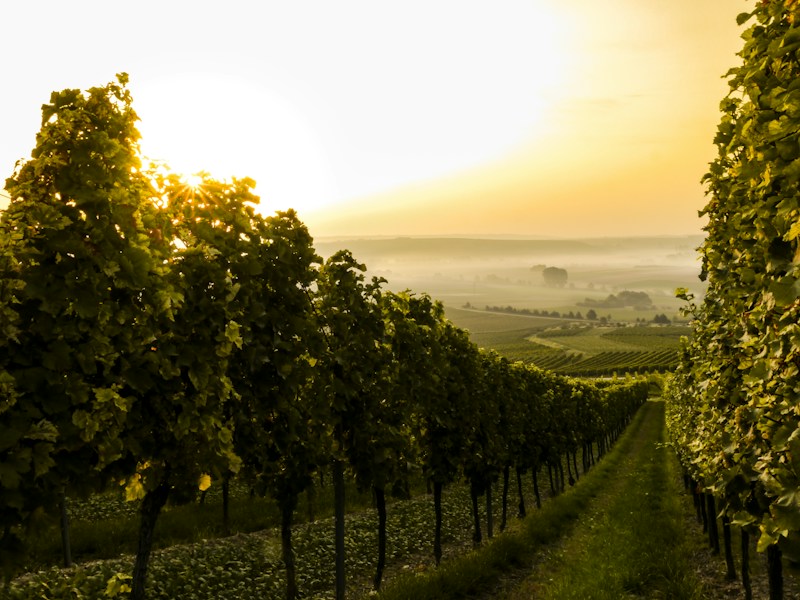
In Collio Goriziano, on the border with Slovenia, Ribolla Gialla seems to translate the hilly landscape into liquid form. The marl and sandstone soils – known here as "Ponca" – give the vine a taut minerality and an almost salty precision.
The wines from Collio are often particularly finely chiselled:
- Light in body, but with impressive length
- Lemon, grapefruit and green apple at the forefront
- White blossom aromas, accompanied by a hint of wet stone
- Acidity like a clear mountain stream: cool, vivid, invigorating
Here, Ribolla Gialla tastes like a walk at daybreak – everything is fresh, alert and full of possibility.
Colli Orientali del Friuli – The Poets Among the Ribollas
In Colli Orientali del Friuli, Ribolla Gialla often appears a touch rounder, sometimes more floral and playful. The hills are gentle, the sites diverse, and in some parcels the grapes are left to ripen a little longer.
The result:
- A hint more fruit weight without losing the lightness
- Aromas of riper green apple, sometimes yellow apple, with a bit more herbal spice
- The white blossoms come across more intense, almost like a bouquet of acacia and elderflower
- The acidity remains high, but coats the palate in a creamier way
Colli Orientali is the terrain for anyone who wants to experience Ribolla Gialla a little more approachable, "rounder", without sacrificing freshness.
Friuli Isonzo – Where the Wind Tells of the Sea
In the Friuli Isonzo area, shaped by gravel and alluvial soils, a wind often blows that lets you feel how close the Adriatic is. This air movement, combined with permeable, stony soils, shapes a Ribolla Gialla with crisp linearity.
Typical here:
- Crunchy green apple, lemon, sometimes lime zest
- A very clearly defined acid structure
- Pronounced minerality – like pebbles crackling between your teeth
- An almost maritime character on the palate: salted-lemon freshness that smells of the sea
Ribolla Gialla from Isonzo is as refreshing as a plunge into water – perfect for all who love wines with a sharp, clear edge.
Hill Sites in Friuli Venezia Giulia – The Many-Layered Character
In the various hillside vineyards of Friuli Venezia Giulia, far from the big names, some of the most intriguing interpretations of Ribolla Gialla are born. Here, the style varies from producer to producer – from crystal-clear stainless-steel wines to experimental orange wines.
What they share:
- Play with altitude and microclimates
- A huge spectrum of aromas: from delicate citrus freshness to intense herbal spice
- At the core, always: a lively, high acidity that carries the wines
In these hills, Ribolla Gialla shows just how versatile it can be – without ever losing itself.
Carso – Bare Rock and Salty Breeze
The Carso, the karst plateau above Trieste, is wild and stark. Limestone, rock, wind, sea – here, viticulture is a wrestle with nature. And you can taste exactly that.
Ribolla Gialla from Carso is often:
- Extremely mineral, almost rocky-chalky
- Citrus-driven, sometimes with a bitter-edged grapefruit peel note
- Accompanied by herbal aromas: thyme, sage, perhaps a hint of wild fennel
- Shot through with a salty vein, as if sea air were trapped in the glass
This is Ribolla Gialla for purists, for lovers of austerity. A wine like a rock in the surf.
---
2. Of Steel and Time: How Maturation Colors Ribolla Gialla’s Voice
Ribolla Gialla is a grape variety whose expression is shaped by vinification like few others. Its light body and high acidity are like a fine instrument that can sound completely different depending on the "conductor". Two paths are particularly important: ageing in stainless steel and in wooden casks – and, increasingly in Friuli, extended skin contact (up to full-on orange wine), which can radically transform its character.
Stainless Steel – The Crystal-Clear Truth
In stainless steel, Ribolla Gialla shows itself in its purest, unadorned form. The tank protects against oxygen, preserves freshness and primary aromas – an ideal partner for this grape.
This is how stainless-steel Ribolla tastes:
- Lemon, grapefruit, green apple at the forefront
- White blossom aromas, light, almost hovering
- Crisp, high acidity, very refreshing
- Mineral notes: wet stone, cool gravel, a delicate salty touch
- Light body, very straight, slender and precise
These wines feel like a clear, cloudless sky – everything is distinct, bright, transparent. Perfect as an aperitif, with light dishes, for a summer evening on the terrace.
Wood – The Quiet Deepening
Wood and Ribolla Gialla? That may sound like a contradiction at first, because this grape is no powerhouse. Yet in Friuli it is deliberately aged in large wooden casks or subtly in used barriques – not to bulk it up, but to lend it depth and texture.
How wood changes the character:
- Citrus aromas become a little riper, sometimes moving toward candied lemon or salted lemon
- Green apple softens, sometimes evolving into yellow apple or pear
- Herbal spice and yeast notes become more pronounced
- The acidity stays present but feels more creamily embedded
- Subtle notes of bread crust, almond skin or dried flowers can appear
Above all, ageing in large foudres or used oak is fascinating: the wood doesn’t loudly shout "I’m here" in the wine, but merely underlines the melody, reinforces the resonance, gives more mouthfeel.
The Third Dimension: Skin Contact and Orange Wine
Many modern winemakers in Friuli give Ribolla Gialla longer time on the skins – leaving the skins in contact with the must – or vinify it as orange wine. This tradition has roots in the border region with Slovenia.
The result are wines with:
- Deeper color, sometimes dark gold to amber
- Aromas of tea, dried herbs, orange peel, dried flowers
- Intense structure, with traces of tannin on the tongue
- Less primary fruit, more texture, more seriousness
This is Ribolla Gialla with a rugged soul – fascinating for everyone who seeks depth, structure and individuality in wine.
---
3. Pairing Recommendations: The Perfect Partner
Ribolla Gialla is a dream for food lovers. Its high acidity, light body and salty-mineral character make it one of the most versatile white food wines of all – especially when the plate features the sea, vegetables and fine herbs.
| Dish | Wine Style | Why It Works |
|--------------------------------------|------------------------------------|-------------------------------------------------------------------------------|
| Spaghetti alle Vongole (with parsley, garlic & lemon zest) | Stainless steel, dry, young | The salty clam broth and the lemon are perfectly mirrored by the high acidity and salty touch; the light body does not overpower the delicate texture of the vongole. |
| Grilled sea bass with fennel & herbs | Stainless steel or lightly oaked | Green apple and citrus notes brighten the fish, the mineral structure underlines the grilled aromas; subtle herbal notes in the wine link beautifully with fennel and herbs. |
| Lemon & burrata risotto | Gently oaked or with lees ageing | The creamy burrata and the silkiness of the risotto need structure: the acidity cuts through the creaminess, while subtle lees notes and salted lemon add extra depth to the dish. |
---
4. FAQ – 10 Questions for Ribolla Gialla Lovers
❓ 1. Is Ribolla Gialla more of a summer wine, or does it work in other seasons too?
Ribolla Gialla is without doubt a glorious summer wine – its lightness, freshness and citrus fruit make it ideal for warm days. But the more mineral, slightly herb-tinged versions, especially from Collio or Carso, also work beautifully in spring and autumn: with seafood, vegetable dishes, risotti and light starters. In the depths of winter you might reach for other varieties, but as an aperitif before a meal, it works year-round.
❓ 2. What does Ribolla Gialla typically taste like?
It is light in body, with high, taut acidity. Aromatically, lemon, grapefruit, green apple, white blossoms and a distinct mineral note dominate – often rounded off by a salty impression reminiscent of salted lemon and sea breeze. It is not a "loud" wine, but rather precise, cool and clear.
❓ 3. Is Ribolla Gialla similar to Sauvignon Blanc or Riesling?
It sits somewhere between a few familiar styles without being a simple copy. Those who love Riesling will appreciate Ribolla Gialla’s high acidity and precision, though without the typical petrol notes or exotic fruit. Fans of Sauvignon Blanc will recognise crunchy freshness and herbal hints – but with less gooseberry, more citrus and salt. It is independent and distinctive, yet lovers of acid-driven white wines usually feel at home straight away.
❓ 4. Which dishes pair best with Ribolla Gialla?
Above all:
- Seafood (vongole, mussels, squid, prawns)
- White fish, preferably grilled or gently steamed
- Vegetable dishes, especially with lemon, herbs, olive oil
- Light starters and antipasti (fish carpaccio, vitello tonnato, marinated vegetables)
- Fresh goat’s and sheep’s cheeses
Its high acidity and salty character make it the perfect wine whenever lemon and fresh herbs play a role.
❓ 5. Should I drink Ribolla Gialla young, or can it age?
Many Ribolla Gialla wines are made for immediate enjoyment – within 2–4 years of harvest. At this stage they shine with freshness and clarity. However, carefully vinified examples, especially from top sites (Collio, Colli Orientali, Carso) and with some oak or lees ageing, can age very nicely: after 5–8 years they develop more complex aromas of honey, dried herbs, nutty notes and salted lemon, without losing their structure. Ribolla Gialla made as orange wine can remain exciting for significantly longer.
❓ 6. What is the ideal serving temperature for Ribolla Gialla?
For most stainless-steel wines, 8–10 °C is perfect: cool enough to emphasise freshness, but not icy, so that floral and herbal notes can unfold. For barrel-aged or skin-contact versions, a little warmer is better – around 10–12 °C, sometimes even 13 °C, so their complexity can fully come into its own.
❓ 7. Is Ribolla Gialla always dry?
In practice: yes, almost always. The typical style is clearly dry, free from perceptible residual sweetness. Ribolla Gialla lives from the tension between acidity, minerality and citrus freshness – sweetness would quickly smother this precise structure. Sweet selections or off-dry versions are extremely rare and more curiosities than the norm.
❓ 8. How does Ribolla Gialla differ from simple "everyday" white wines?
While many everyday whites aim for quick appeal – lots of fruit, soft acidity, easy-going sweetness – Ribolla Gialla remains uncompromisingly fresh and taut. It is a wine for people who seek lightness with character: less fruit bomb, more fine lines, plenty of minerality, a hint of the sea, a touch of herbal spice. It doesn’t feel broad or tired, but alert and focused.
❓ 9. What should I look for when buying Ribolla Gialla?
Look out for:
- Origin: Collio, Colli Orientali, Carso, Friuli Isonzo are great starting points
- Vintage: younger vintages for freshness; more mature ones for complexity (with ambitious producers)
- Vinification details: "acciaio" or "steel" for crisp freshness, "legno"/"barrique"/"botte" for more texture; mentions of "macerazione" or "skin contact" point toward skin-fermented/orange styles
- Producer: small to medium-sized estates in Friuli that focus on autochthonous varieties often deliver especially characterful Ribolla Gialla.
❓ 10. Who is Ribolla Gialla "right" for?
For you if you:
- Love white wines with high acidity and freshness
- Enjoy mineral, salty, purist styles
- Prefer light, elegant wines over loud, heavy ones
- Like to eat seafood, fish, vegetables and Mediterranean cuisine
- Feel like discovering the quieter, more poetic side of Italian winegrowing
Ribolla Gialla is an invitation to listen more closely, to hear the quiet tones. A wine like sea wind over warm stones – light, clear, alive. And once you truly understand it, you won’t forget it.