The Scent Poet Fernão Pires: When Portugal Begins to Sing in Your Glass
Fernão Pires ist wie ein Fado im Glas: blütenduftig, fruchtig, salzig-frisch – eine leise, eindringliche Stimme Portugals.
The Scent Poet Fernão Pires: When Portugal Begins to Sing in Your Glass
---
Dear wine lovers,
there are grape varieties that don’t simply taste good, but tell stories. Stories of salty sea air, of the first warm spring day after a long winter, of sunlit hills where the wind carries lilac, orange blossoms, and the longing of an entire country. Fernão Pires is one of those varieties – a quiet yet insistent voice of Portugal that takes you by the hand with the very first sip and leads you straight to the Atlantic coast.
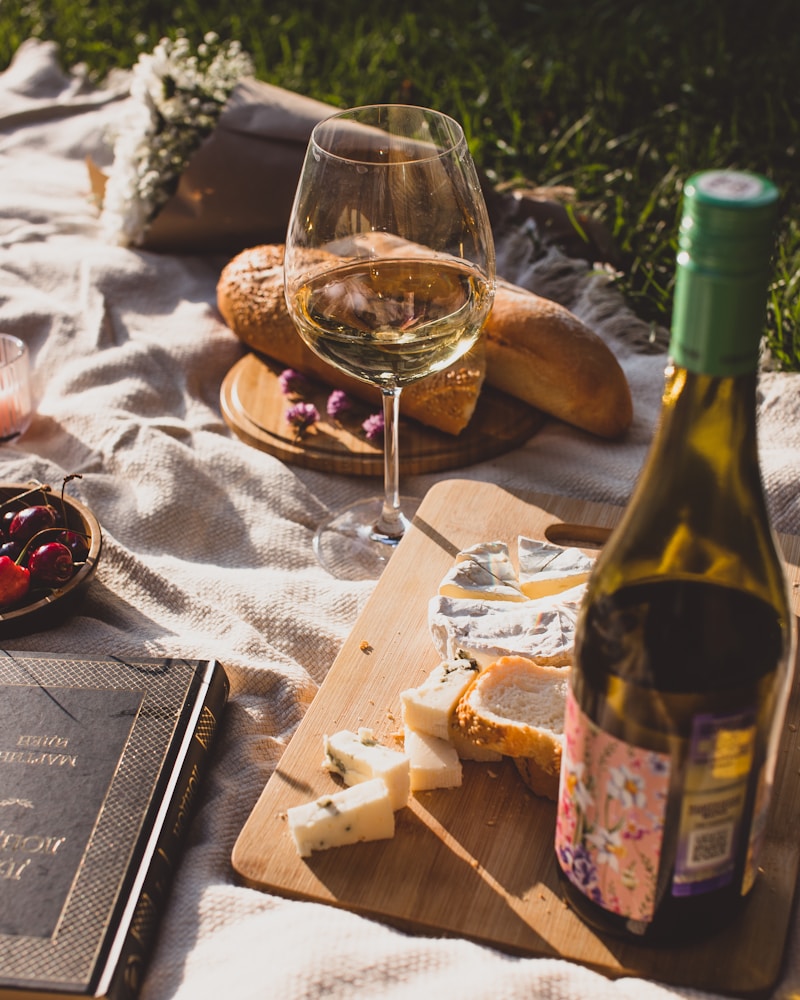
What makes it so special? Fernão Pires is like a spring morning on the Atlantic, when the mist still clings to the limestone slopes and the orange trees are just awakening. Its wine shines straw-gold, streaked with greenish reflections – as if a sliver of Portuguese sky had been caught in the glass. On the nose, orange blossom and lemon peel float above white flowers, ripe pear, and delicate peach notes; over it all a hint of nutmeg, a fine whisper of honeydew melon. It’s as if a Fado singer were quietly telling of summers past, of warm nights and salty coastal winds.
On the palate, Fernão Pires shows itself juicy, medium-bodied, with a lively but never pushy acidity. It is opulent and yet fresh – like biting into a perfectly ripe pear right beside a blooming orange grove. Every sip is a dialogue between fruit and blossom, between sun and sea, between the here and the longing for the there.
---
1. The Globetrotter in the Glass: Where Fernão Pires Calls Home
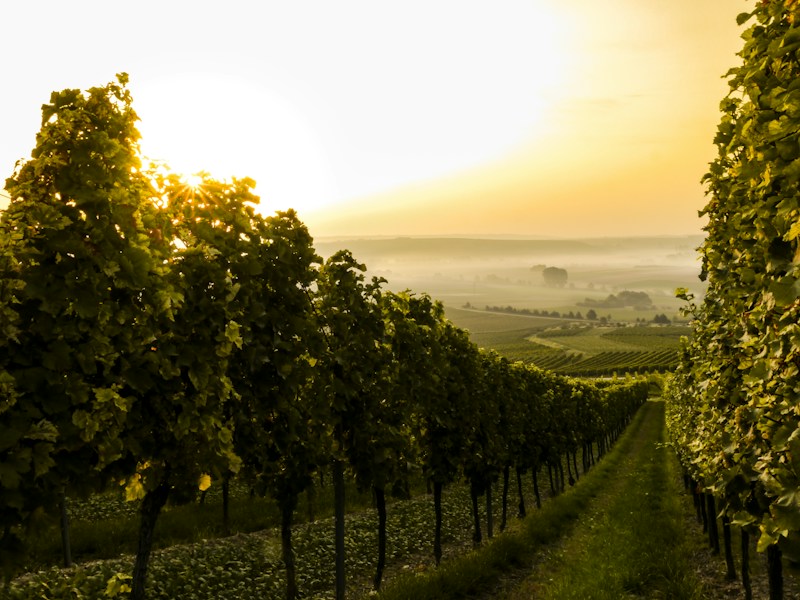
Even though Fernão Pires is first and foremost a deeply Portuguese grape variety, it reveals many faces – depending on the region where it has put down roots. Its main stages lie in the cool to moderate zones near the Atlantic, where sea breezes lend it freshness and elegance.
Bairrada – The Atlantic’s Misty Poetry
In Bairrada, not far from the Atlantic coast, Fernão Pires shows an almost ethereal side. The cooler temperatures and often lime-rich soils give the wines a fine, well-integrated acidity and remarkable finesse. Here, the wine smells of orange and lemon blossom, white flowers, and fresh lemon peel, as if you were strolling through a garden at daybreak, with dew still resting on the leaves.
The style from Bairrada: usually light to medium-bodied, citrus-driven, with floral elegance. Perfect for those moments when you think: “Just something light and fresh that still has soul.”
Tejo – Sun-Drenched Fruit
In the Tejo valley, southeast of Lisbon, Fernão Pires often turns a bit more opulent. The warmer temperatures bring pear, peach, and honeydew melon to the fore, while the floral notes hover more like a silky veil in the background. The wines here are mostly fruit-driven, juicy, and approachable without losing their characteristic freshness.
The style from Tejo: medium-bodied, juicy, very aromatic. Perfect for anyone who loves wine like ripe fruit in the glass – uncomplicated, but never trivial.
Lisboa – Atlantic Breeze in the Glass
The Lisboa region carries sea air in its name – and in its wines. Here, the Atlantic gives Fernão Pires a crisp, salty freshness. The aromas seem ventilated by the wind: orange blossom, lemon peel, white flowers, plus light stone fruits. You’ll often find wines with a subtle, almost iodine-like minerality that makes you feel as if you were standing barefoot on a deserted beach.
The style from Lisboa: fresh, lively, often with a lightly salty-mineral touch. A wine for oysters, sea views – or both in your imagination.
Beira Interior – High-Altitude Clarity
In Beira Interior, further inland and partly at higher elevations, Fernão Pires displays remarkable clarity. The cooler nights preserve acidity, giving the wines structure and a taut, straight-lined character. The fruit remains bright – pear, citrus, white flowers – and the nutmeg note often comes through more distinctly without ever feeling heavy.
The style from Beira Interior: structured, clear, with medium body and defined acidity. Ideal when you’re looking for tension in the glass without sacrificing charm.
Península de Setúbal – Sunfire and Spice
On the Península de Setúbal, south of Lisbon, a different wind blows again. The wines show more warmth, more intense fruit, and sometimes a faintly exotic character. Peach, honeydew melon, ripe pear – along with a hint of nutmeg and at times almost honeyed notes. Acidity remains moderate, but reliably balances the aromatic richness.
The style from the Península de Setúbal: aromatic, sensual, with a soft texture and spicy complexity. A wine like a summer evening where you stay longer than you planned.
---
2. Between Blossoms and Maturity: How Winemaking Shapes the Character
As versatile as its regions of origin is the way Fernão Pires is treated in the cellar. It is a sensitive grape variety that can unfold its personality both in stainless steel and in oak – just in very different ways.
In Stainless Steel – The Clear Voice of Spring
Vinified in stainless steel, Fernão Pires shows its unadorned, youthful side. No oak, no vanilla, no toast – just the pure aromatics of the grape. Here, orange blossom, lemon peel, white flowers, pear, and peach dance undisturbed. The acidity is invigorating, the body remains medium, and the texture is lean to juicy, almost like a fresh mountain stream winding through sunlit meadows.
Stainless-steel Fernão Pires is ideal for anyone who loves the fragrant lightness of an aromatic white: clear, approachable, fresh, with instant drinking pleasure. Served well chilled, it’s like a handful of spring air in your glass.
In Oak – The Gentle, Mature Melody
In oak, a completely different side of the variety emerges. Here, Fernão Pires is allowed to breathe, mature, and gain depth. Instead of only blossoms and fresh pear, it can now also smell of honey, dried orange peel, nutmeg, and sometimes lightly nutty notes. The texture becomes creamier, the body a little fuller without turning heavy.
When the use of oak is careful – usually in used barriques or large casks – the typical freshness remains while the aromas stretch into deeper layers: honeydew melon, ripe peach, white flowers, fine spice. A well-crafted oak-aged Fernão Pires is like a poem you read twice because the first time you missed some of the subtleties.
The Difference in the Glass – Two Souls, One Grape
- Stainless Steel:
Fresh, fragrant, clear. Focus on citrus, white flowers, pear, peach. Medium body, lively yet accessible acidity. Ideal to drink young, as an aperitif or with light dishes.
- Oak:
More complex, creamier, with greater depth. Alongside fruit and flowers, nutmeg, honeydew melon, and sometimes honey and nut notes appear. The wine feels rounder, more structured, with longer development on the palate – and often with surprisingly good aging potential.
These are not opposites, but two interpretations of the same melody. You choose according to your mood: the clear voice of spring or the warm, storytelling voice of late summer.
---
3. Pairing Recommendations: The Perfect Partner
Fernão Pires is a grateful companion at the table. Its aromatics, medium body, and moderate acidity make it a chameleon that flatters many dishes without losing itself.
| Gericht | Wein-Stil | Warum es funktioniert |
|--------------------------------------|-------------------------------|----------------------------------------------------------------------------------------|
| Gegrillter Oktopus mit Zitronenöl | Frischer Stahltank-Fernão Pires | Die Zitrusfrische spiegelt das Zitronenöl, die floralen Noten umspielen die Meeresaromen; die mittlere Säure schneidet durch die zarte Fette des Oktopus. |
| Hähnchen in Kräuter-Zitronen-Marinade| Leicht im Holz ausgebauter Fernão Pires | Der etwas vollere Körper und die würzige Muskatnote ergänzen Kräuter und Röstaromen; die Fruchtigkeit bindet Zitrone und Fleisch harmonisch zusammen. |
| Ziegenkäse mit Honig & Nüssen | Aromatischer, reifer Fernão Pires (Holz oder spät gelesen) | Die Noten von Honigmelone, reifer Birne und feiner Würze spiegeln Honig und Nüsse; die Säure balanciert die Cremigkeit des Käses. |
---
4. FAQ – 10 Questions for Fernão Pires Lovers
❓ 1. Is Fernão Pires more of a light or a full-bodied white wine?
Fernão Pires usually sits in a very comfortable middle ground: typically medium-bodied – not so light as to be inconsequential, but not so heavy as to tire you out. Its aromatics are intense, yet its structure always remains easy to drink and lively.
---
❓ 2. Which aromas are typical of Fernão Pires?
Typical notes are orange blossom, lemon peel, and white flowers, along with ripe pear, peach, and honeydew melon. There is often a fine hint of nutmeg that lends the wine a lightly spicy, seductive accent. With some age, honey and dried citrus notes can develop.
---
❓ 3. From which regions should I try my first Fernão Pires?
For an introduction, wines from Bairrada (fresh, floral, elegant) and Tejo (fruity, juicy, approachable) are especially suitable. If you’re looking for more sea breeze, reach for a Fernão Pires from Lisboa; if you want structure and tension, try one from Beira Interior.
---
❓ 4. Is Fernão Pires always vinified dry?
Mostly yes, you’ll primarily find the variety as a dry white wine. However, there are also off-dry or sweet-leaning interpretations, especially when the aim is to highlight the aromatic fruit. These versions are great fun with spicy dishes or creamy desserts, but are less common.
---
❓ 5. How cold should I serve Fernão Pires?
- Fresh, stainless-steel wines: around 8–10 °C – this keeps them crisp and fragrant.
- More complex, oak-aged or more mature wines: rather 10–12 °C, so the finer aromas of nutmeg, honeydew melon, and flowers can fully unfold.
---
❓ 6. Can Fernão Pires age, or should it be drunk young?
Many entry-level wines are made for early enjoyment – within 2–3 years of the vintage. Higher-quality Fernão Pires, often aged in oak, can age surprisingly well: 5–7 years and more are possible. Over time, honey, dried citrus fruit, and complex spice move more to the foreground, while the primary floral notes grow quieter.
---
❓ 7. Does Fernão Pires only go with fish and seafood?
Not at all. Although it is a dream with fish, shellfish, and octopus – especially thanks to its coastal character and freshness – it’s a versatile food partner. It also pairs beautifully with poultry, light pasta dishes, herb-driven vegetarian cuisine, mild curries, and aromatic salads with goat’s cheese or citrus fruit.
---
❓ 8. How do I recognize a typical Fernão Pires in the glass?
Visually, it usually appears straw yellow with greenish reflections. On the nose, you can recognize it by the combination of orange blossom, citrus, white flowers, pear, peach, and often a hint of nutmeg. On the palate it is juicy, medium-bodied, with moderate acidity: neither aggressive nor flat – a wine that flows rather than dominates.
---
❓ 9. Is Fernão Pires an indigenous Portuguese grape variety?
Yes, Fernão Pires is a truly Portuguese, autochthonous variety, deeply rooted in the country’s wine tradition. In some regions you’ll also find it under the name Maria Gomes. Thanks to its versatility and expressiveness, it is a key pillar of Portugal’s white wine culture.
---
❓ 10. Why should I consciously explore Fernão Pires?
Because it shows you a different, often overlooked side of the white wine world: aromatic but not loud; full of character but not heavy; distinctly Portuguese and yet universally understandable. Fernão Pires is like Fado in a glass – full of emotion, gentle melancholy, and sunlit joy. If you open yourself to it, it gives you not just flavor, but a little piece of the Portuguese soul.
---
So take your time to pour a glass. Hold it up to the light, breathe in the scent of orange blossom, pear, and nutmeg – and let Fernão Pires quietly tell you of that land where the Atlantic embraces the vineyards and spring never quite fades away.