The Quiet Seducer Cinsault: A Summer Evening That Echoes in Your Heart
Cinsault ist wie ein Sommerabend im Glas: leise, duftig, rotbeerig und von mediterranen Kräutern geküsst – ein Rotwein, der flüstert statt zu schreien.
1. TITEL
Der leise Verführer Cinsault: Ein Sommerabend, der im Herzen nachhallt
---
2. EINLEITUNG
Dear wine lovers,
some grape varieties speak loudly, with puffed-out chests and imposing voices. And then there are those that whisper – and become unforgettable precisely because of it. Cinsault is such a grape. It doesn’t shout for attention; it gently asks you to dance, barefoot at dusk, when the air is still warm and the sky slowly turns pink. In the glass, it shimmers like a delicate red veil, a pale ruby with a hint of rose petal – more promise than proclamation.
Cinsault is like a summer evening that lingers in your heart for far too long. You take a sip and suddenly you’re there: between dry stone walls where cicadas are playing; on dusty paths lined with lavender and the wild herbs of the garrigue; in the midst of old vines whose roots dig deep into the meagre soil as if trying to hold on to the memory of every past sun. Strawberry, raspberry, redcurrant, a touch of cherry – all of this dances in the aroma, framed by rose, lavender, and those warm, spicy herbs that only the Mediterranean wind can coax out like this.
What makes Cinsault special is its floating lightness. A red wine that stays red, yet drinks as effortlessly as a cool summer breeze. On the palate it is silky, cool, never heavy, and still it carries the sun within. It’s the quiet red thread through a long evening, accompanying you without ever dominating. A wine that doesn’t want to take over – but invites you to linger.
---
1. The Globetrotter in the Glass: Where Cinsault Feels at Home
Cinsault is deeply rooted in southern France, but its spirit is that of a traveler. It loves warmth, light, and wind – and it feels most at home exactly where the landscape is shaped by sun and dryness.
Languedoc – The Wild Soul
In Languedoc, along the vast, wind‑swept plains and hills near the Mediterranean, Cinsault shows its untamed and yet profoundly charming side. Here, lighter, fruit‑driven reds and playful rosés are often produced, with strawberry, raspberry, and redcurrant taking center stage. The garrigue – that blend of thyme, rosemary, juniper, and wild lavender – leaves a fragrant fingerprint. The wines feel as if someone had placed a basket of fresh red fruit on warm stones and let everything be caressed by a balmy summer wind.
Provence – A Hint of Rose
In Provence, Cinsault is the quiet star behind the famous rosés. It lends them their delicacy, their airy, almost transparent character. In combination with Grenache, Syrah or Mourvèdre, it brings red berries, floral rose notes and that unmistakable, bright freshness to the blend. As a varietal Cinsault (which is becoming more common here as well), it is like an early morning walk: cool air, delicate blossoms, a hint of lavender, all gently stroked by the still‑soft sun. Served slightly chilled, it is a rosy greeting from Provence – even if it is a very pale‑colored red wine.
Rhône-Sud – The Voice of the Sun
In the southern Rhône Valley, Cinsault frequently appears as part of the famous blends, for example in Côtes du Rhône or regional appellations. Summers here are hot, the Mistral blows relentlessly – and that is exactly what it loves. As the “light‑footed one” among its more powerful partners, it contributes freshness, red fruit, and an airy texture. The wines often show intense berry aromatics, red cherry and a hint of lavender and herbs. Even if it seldom stands in the spotlight, it is often Cinsault that ensures the wine doesn’t become tiring – so that after the third glass, you still feel like having another sip.
Roussillon – Stark Poetry
In Roussillon, where the Pyrenees almost touch the Mediterranean, the landscape is barren, stony, at times downright austere. Here, Cinsault transforms this severity into delicate poetry. The wines can appear somewhat more concentrated without losing their lightness: red and darker berries, a touch of cherry, together with a noticeable garrigue spice. You get the feeling the wine carries the echo of the rocks within it – not heavy, but serious, with a fine, mineral streak.
Costières de Nîmes – Between Sea and Mistral
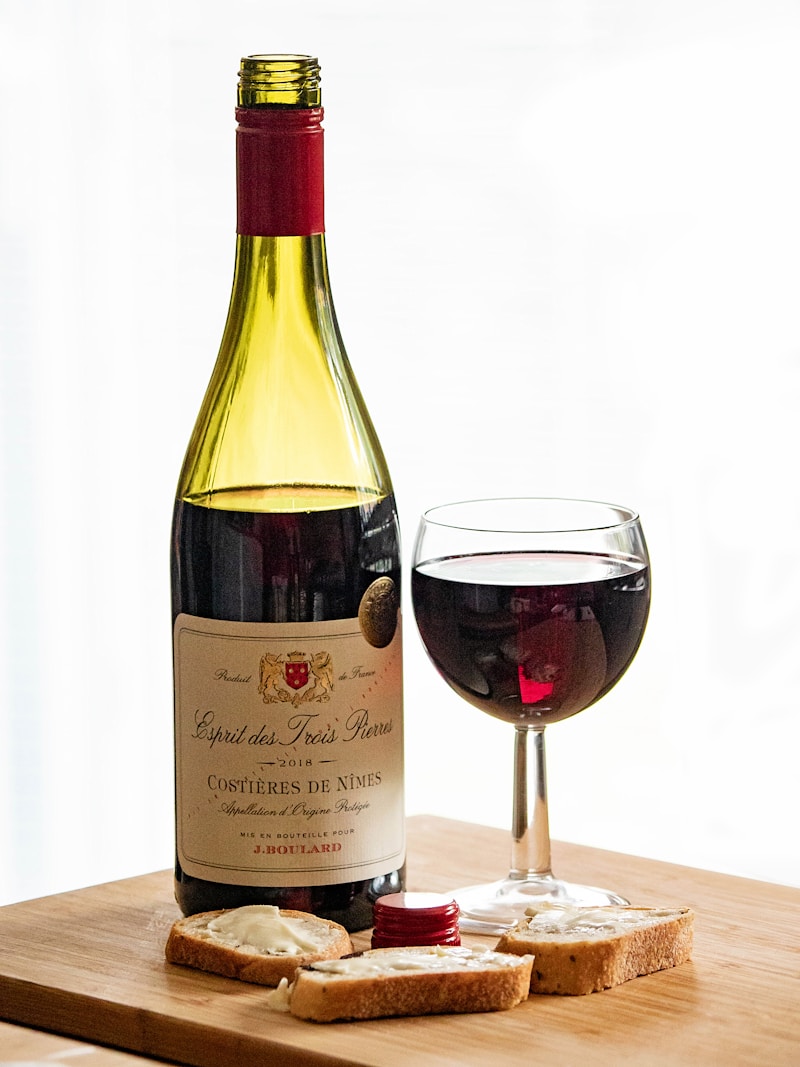
In Costières de Nîmes, the southernmost tip of the Rhône area, Mediterranean charm meets Rhône structure. Cinsault here feels like wearing a perfectly fitting summer suit: relaxed, yet stylish. In blends, it complements the more powerful varieties with juicy strawberry, redcurrant, and a supple lightness. The influence of the sea brings freshness, the pebbly soils add structure. The wines from this region feel like a sunset by the sea: warm, yet with a cool breeze that keeps everything in balance.
---
2. The Play of Vessels: How Maturation Shapes Cinsault
Cinsault is, by nature, a delicate, fragrant character. That’s why it reacts especially sensitively to how it is matured. Stainless steel and oak are not just technical options for this grape – they are two very different languages in which it tells its story.
Stainless Steel – The Pure, Crystal-Clear Voice
Cinsault matured in stainless steel is like an unadorned smile. Everything that defines it remains clear and unfiltered: the bright aromas of strawberry, raspberry, and redcurrant, the hint of cherry, the floral notes of rose and lavender. The medium acidity feels lively, refreshing, and carries this subtle, fruity elegance.
In stainless steel there is no influence of wood, no vanilla, no toast aromas – only pure fruit and the immediate expression of the variety and its terroir. The wines are usually light‑bodied, silky on the palate, almost weightless. You’ll want to drink such Cinsault young, slightly chilled, as a companion to life itself: to light dishes, to conversations on the balcony, to Sunday lunch in the garden.
Oak – The Whispering Frame
Maturing Cinsault in oak is a delicate art, as its fine structure can easily be overshadowed by overly dominant wood. But when it’s done well – with used, larger barrels or very restrained new oak – the barrel becomes a soft frame that doesn’t disturb the picture, but deepens it.
The fruit then shifts from crunchy strawberry to somewhat riper red berries, the cherry becomes slightly darker, the texture creamier. The tannins may be a touch more present, without ever turning harsh. Herbal and garrigue notes become more pronounced, and occasionally fine hints of spice join in – a touch of pepper, a shadow of cedar. Such Cinsaults feel more grown‑up, more contemplative, sometimes a little more serious, yet always remaining within the realm of lightness.
Maturation: The Bottom Line
Where stainless steel emphasizes the summery, playful character – airy, fruity, direct – oak maturation makes Cinsault appear riper, more textured, and more thoughtful. Both worlds have their charm; what matters is what you’re in the mood for: a balmy evening outdoors or a conversation that lasts deep into the night.
---
3. Pairing Recommendations: The Perfect Partner
Cinsault is a master of understatement – and precisely for that reason a brilliant food partner. It doesn’t push itself to the forefront; it flatters, connects, and embraces the aromas on the plate.
| Gericht | Wein-Stil | Warum es funktioniert |
|--------------------------------------------|----------------------------------|----------------------------------------------------------------------------------------|
| Gegrilltes Gemüse mit Kräutern der Provence (Zucchini, Paprika, Aubergine) | Leichter Cinsault aus Stahltank | Die roten Beerenfrüchte und die Garrigue-Noten greifen die Röstaromen und Kräuter perfekt auf, ohne zu beschweren. |
| Ratatouille mit Tomate, Aubergine & Thymian | Fruchtiger Cinsault, wenig Holz | Die mittlere Säure balanciert die Tomate, die zarte Struktur respektiert das Gemüse, Kräuternoten verbinden sich harmonisch. |
| Geräucherte Entenbrust mit lauwarmem Linsensalat | Feinholz-ausgebauter Cinsault | Die seidig-feinen Tannine und Kirschnoten passen zu der leichten Rauchigkeit und dem erdigen Linsenaroma, ohne zu kräftig zu wirken. |
---
4. FAQ – 10 Questions for Cinsault Lovers
❓ 1. Is Cinsault a red variety or more of a rosé grape?
Cinsault is formally a red variety, but it is very often used for rosé wines – especially in Provence. Its pale color, fine tannins, and delicate berry notes make it ideal for rosé. At the same time, it produces wonderful, light reds that often feel almost as fresh as a hearty rosé. So it is both: a red wine grape with a pronounced talent for rosé.
---
❓ 2. What does Cinsault typically taste like?
Cinsault smells of wild strawberry, fresh raspberry, redcurrant, and cherry. Added to that are floral hints of rose and lavender as well as those characteristic garrigue herbal notes – thyme, rosemary, perhaps a touch of sage. On the palate it is light‑bodied, with medium acidity, silky and highly drinkable. Not a heavyweight, but a dancing red summer breeze.
---
❓ 3. Is Cinsault more for beginners or for advanced wine drinkers?
Both, in different ways. For beginners it’s ideal because it is light, soft, and accessible – no harsh tannins, no opulent power. For more experienced drinkers it offers plenty of excitement, because it reflects terroir very finely and plays with subtle nuances: small changes in maturation, region, or vintage can make a big difference. Anyone who listens carefully will discover a whole world in a whisper.
---
❓ 4. Can you drink Cinsault slightly chilled?
Absolutely – and you should do so often. The lighter reds aged in stainless steel benefit enormously from a serving temperature of around 12–14 °C. This keeps the fruit and acidity fresher and brings its lightness into sharper focus. Simply put the bottle in the fridge for 20–30 minutes, take it out, and watch how the wine slowly warms up in the glass and reveals new aromas.
---
❓ 5. How long can you age Cinsault?
Most Cinsault wines are made to be drunk young – within 2–5 years of the vintage. During this time, they shine with freshness and fruit. However, there are high‑quality blends and carefully oaked examples that can age beautifully for 8–10 years or more. Then the fruit aromas recede a little, while herbal, floral, and spicy notes deepen. As a rule of thumb: the lighter and fruitier the wine, the sooner you should enjoy it.
---
❓ 6. Does Cinsault go well with meat dishes?
Yes, though more with lighter meat dishes. Poultry, veal, or pork are perfect, especially when grilled or gently braised and prepared with herbs. Duck breast – particularly if not accompanied by anything too heavy – also works beautifully. For very powerful, strongly seasoned, or intensely meaty dishes (game, steak, rich sauces), Cinsault is often too delicate. In those cases, it’s better to let its fuller‑bodied colleagues take the stage.
---
❓ 7. Where does the typical “garrigue” note in Cinsault come from?
Garrigue is the typical wild vegetation of southern France: thyme, rosemary, juniper, lavender, sage, and other aromatic plants. It covers the hills and slopes around the vineyards. When the wind brushes over these herbs and blows through the vines, it seems as if a part of this scent is captured in the wine. The influence of soils and climate adds to this. In the glass, it shows itself as a fine, spicy herbal note – like a summer wind sweeping over clumps of herbs.
---
❓ 8. Is Cinsault always low in alcohol?
Tendentially yes, compared to many modern, powerful reds. Cinsault generally produces moderate alcohol levels, especially when picked with freshness in mind. Still, it comes from warm regions, so there are fuller versions too – particularly in blends with fully ripe grapes. If lightness is important to you, it’s worth checking the alcohol level on the label and looking for producers who deliberately pursue a "vin de soif" style.
---
❓ 9. How can I recognize Cinsault on the label when it’s part of a blend?
In many southern French wines, Cinsault doesn’t take center stage – it’s the quiet partner. The label often only mentions the appellation (e.g. Côtes du Rhône, Languedoc, Costières de Nîmes). Sometimes you’ll find a list of grape varieties on the back label; there Cinsault appears alongside Grenache, Syrah or Mourvèdre. If you specifically want to discover Cinsault, look for varietal bottlings or for producers who explicitly mention it – that’s often a sign that they value and highlight its character.
---
❓ 10. Why should I try Cinsault if I usually prefer powerful red wines?
Because Cinsault shows you a quieter dimension of red wine. It is the counterpart to opulence: a red that doesn’t wear you out, but refreshes you. If you are used to Syrah, Cabernet or Malbec, Cinsault can teach you to pay attention to nuances – to fragrance, texture, and airiness. It is the wine for the moments when you want red but not heavy; for long conversations, light plates, and warm nights. You may find that strength doesn’t always have to be loud – sometimes it’s at its most intense when it whispers.