Dark Poet Lagrein: When South Tyrol’s Twilight Awakens in Your Glass
Lagrein ist der dunkle Poet Südtirols – kraftvoll, samten, geheimnisvoll, mit alpiner Tiefe und sinnlicher Wärme im Glas.
1. TITEL
Dunkler Poet Lagrein: Wenn die Dämmerung Südtirols im Glas erwacht
---
2. EINLEITUNG
Dear wine lover,
there are wines that tell stories – and then there is Lagrein. He doesn’t tell a story, he is one. One that smells of evening air in Bozen, of warm stone, of the last ray of sun clinging to the Dolomites before night embraces the valley. Lagrein is like a deep breath in this twilight hour: dark, mysterious, awe‑inspiringly beautiful.
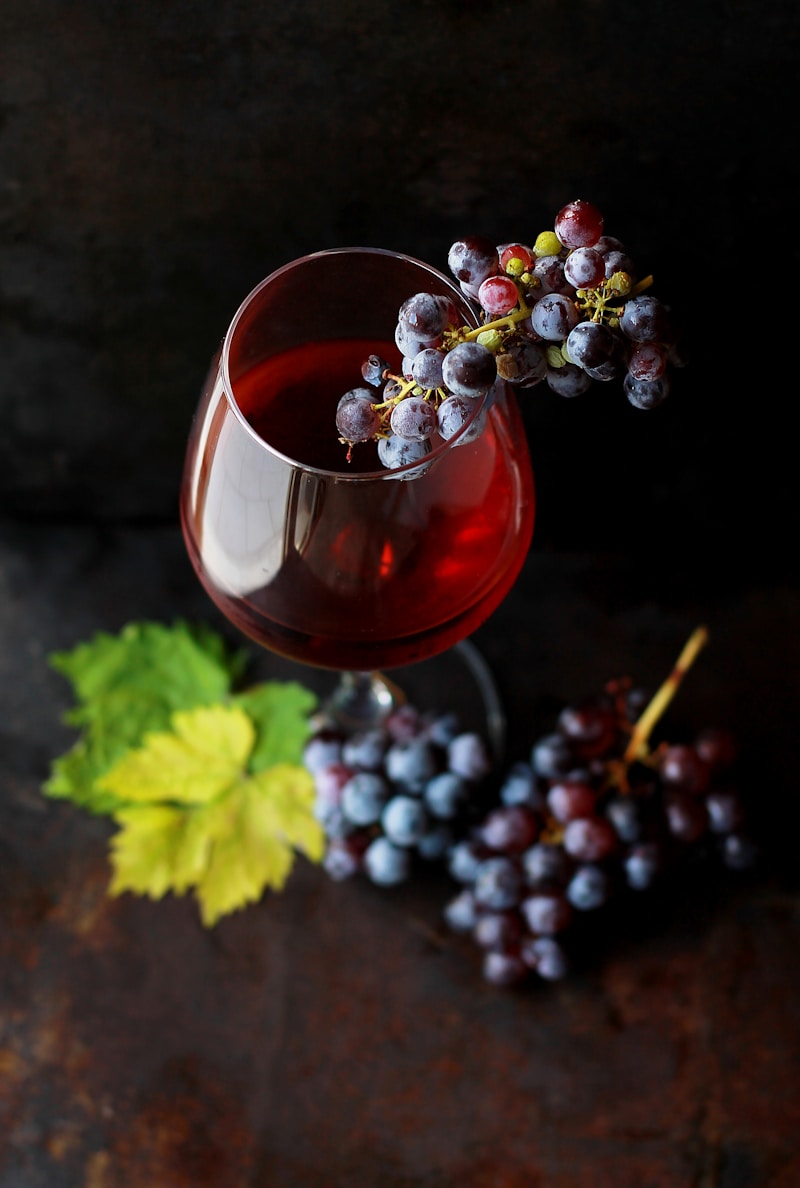
When you swirl a glass of Lagrein, you are not just looking at red wine. You’re gazing into a deep, almost inky world with violet reflections, like velvet in the candlelight of a South Tyrolean Stube. On the nose, black cherries and blackberries dance, wrapped in a delicate scent of violets, joined by a spice of freshly ground pepper, cocoa and damp forest floor after a summer rain. On the palate, Lagrein is powerful and full‑bodied, with firm but never rough tannins – like a strong hand guiding you safely along a steep mountain path, never letting you go.
What makes Lagrein so special? It’s this rare connection of untamed power and quiet elegance. It’s a wine deeply rooted in alpine soils and yet radiating a sensual, almost Mediterranean warmth. A child of the Dolomites – with a heart of rock and a soul of velvet.
---
1. The globetrotter in the glass: Where Lagrein is at home
Even though Lagrein is now being discovered more and more often outside its homeland, its true heartland is clear: the north of Italy, where the mountains touch the sky and the vines ripen between Föhn winds and cool nights. Let’s take a little journey through its most important home regions.
Bozen & Gries – The cradle of Lagrein
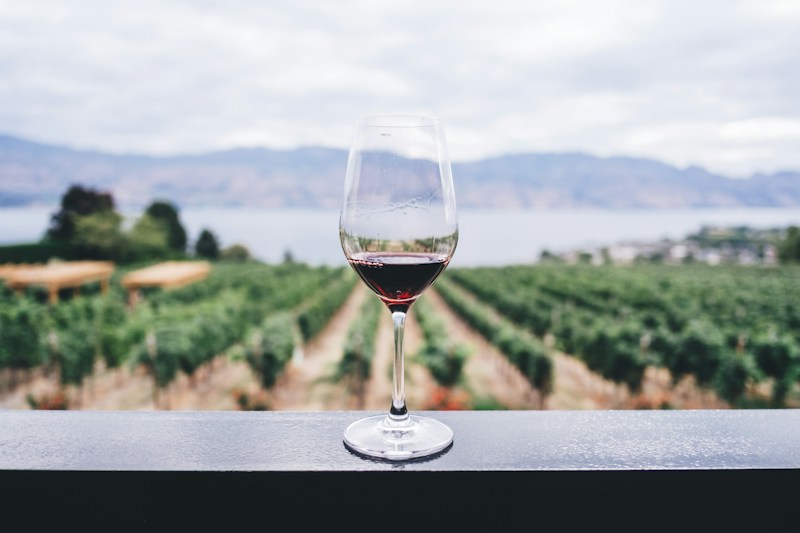
Around Bozen, especially in the Gries district, you’ll find the historical pulse of this grape variety. Lagrein has been rooted here for centuries, on warm alluvial soils and sandy‑gravelly terraces along the Etsch.
In Bozen and Gries, Lagrein shows its archetypal, powerful side: deep‑coloured, concentrated, with intense aromas of black cherry, blackberry and plum. Notes of cocoa, dark chocolate, coffee and a hint of forest floor often join in – like a walk through shady mixed woodland after a thunderstorm. The wines are full‑bodied with medium acidity, but a ripe, juicy structure that offers astonishing drinking pleasure even in their youth.
Terlan & Etschtal – The elegant, taut interpretation
If you move up the valley towards Meran and along the Etschtal, you’ll encounter sites where Lagrein ripens a little cooler, often on more stony, mineral soils. In Terlan – better known for its spectacular white wines – Lagrein finds niches in which it reveals a surprisingly elegant, almost taut side.
Here the wines often feel a touch fresher, with more clearly etched fruit: blackberry, sour cherry, sometimes a hint of blueberry. Floral tones of violets and livelier acidity join in. The body remains full, but appears more linear and charged with tension – like a mountain stream winding its energetic way through the valley.
Überetsch-Unterland – Sun‑drenched richness
Around Kaltern, Tramin and further south in the Unterland, where the climate feels more Mediterranean, Lagrein shows yet another facet. The warmer temperatures and longer sunshine hours produce grapes of tremendous ripeness.
The result is often particularly opulent, full‑bodied wines with an almost creamy texture. Dark fruit – plum, black cherry, ripe blackberry – takes centre stage, accompanied by sweetish spice: cocoa, vanilla (when aged in wood), and sometimes a hint of dried herbs. These styles of Lagrein are wonderfully suited to maturation in wood and radiate a certain opulence without ever feeling clumsy.
Trentino & Vallagarina – The slightly lighter, playful side
Across the border to the south, in Trentino and the Vallagarina, Lagrein is winning over more and more admirers who like to see its alpine soul combined with a touch more lightness. The soils and the slightly different microclimate produce wines that are often less massive but more accessible.
Here you can experience Lagrein that is still dark and full of character, but with a somewhat slimmer body and lively, medium acidity. The fruit is often more red‑fruited – cherry, red plum – and the spicy notes are subtler. These wines are ideal as an introduction to the world of Lagrein for anyone who still shies away from its most powerful expressions.
---
2. Clarified by steel, kissed by oak: How Lagrein finds its voice
Lagrein seems tailor‑made for playing with maturation styles. Its powerful body, striking colour and clear fruit give cellar masters a wide playground: from purist stainless‑steel tanks to large wooden casks or small barriques. Each method lends it a distinct voice.
Lagrein in stainless steel – Pure, unadulterated fruit
Lagrein matured in stainless steel is like an unmade‑up look into the soul of the variety. Steel is neutral – it doesn’t impart its own flavour, preserving freshness and fruit.
A Lagrein from stainless steel shows you very clearly what it’s made of: black cherry, blackberry, plum, plus violets and a hint of pepper. The texture feels more direct, the tannins may appear more present and angular, but this gives the wine an honest, vibrant tension.
Such wines are often ready to drink earlier, accessible, and perfect for convivial evenings when you want to enjoy the authenticity and vitality of Lagrein without waiting for long ageing. They pair beautifully with down‑to‑earth cooking, with hearty dishes where you want a characterful but not overly complex companion.
Lagrein in wood – Tamed power and deep harmony
Lagrein and oak – that’s a love story that works especially well when the wood is used with a delicate touch. Thanks to its density, tannin structure and colour intensity, Lagrein can handle ageing in both large wooden casks and barriques remarkably well.
Tanned in wood, its tannins become finer and more supple. The dark fruit merges with notes of cocoa, mocha, sweet spices and sometimes a delicate streak of vanilla or smoke. The traditional large casks (Botti) in particular allow Lagrein to breathe without overwhelming it with wood tones: the result is wines with great volume, harmonious structure and impressive depth.
Barrique ageing can add even more complex aromatics – roasted notes, chocolate, coffee, perhaps a touch of coconut or cedar. Here you get a Lagrein that, after a few years of bottle ageing, unfolds its full grandeur: powerful, silky, almost majestic. These are the wines for long winter evenings, for fine cuts of meat, mature cheeses – and quiet conversations long past midnight.
---
3. Pairing recommendations: The perfect partner
Lagrein is not a shy companion. It calls for dishes with backbone, for flavours that can stand up to its intensity and either mirror or contrast it. Here are three fitting combinations:
| Gericht | Wein-Stil | Warum es funktioniert |
|--------------------------------------|----------------------------|---------------------------------------------------------------------------------------|
| Südtiroler Rinderschmorbraten mit Polenta | Im Holzfass ausgebauter Lagrein | Die kräftige Struktur und dunkle Frucht begleiten das intensive Fleisch; Holznoten umschmeicheln Röstaromen und die cremige Polenta. |
| Wildragout (Hirsch oder Reh) mit Preiselbeeren | Lagrein aus großem Holzfass / teilweise Holz | Die erdigen, würzigen Noten des Lagrein harmonieren mit Wildaromen; Säure und Beerenfrucht balancieren die Süße der Preiselbeeren. |
| Gegrillte Auberginen-Lasagne mit kräftigem Bergkäse | Fruchtbetonter Lagrein aus dem Stahltank | Die saftige Frucht des Weins fängt die Röstaromen der Aubergine ein; Tannine und Käse greifen ineinander, ohne das Gericht zu erschlagen. |
---
4. FAQ – 10 questions for Lagrein lovers
❓ 1. Is Lagrein more of a powerful or a light red wine?
Lagrein clearly sits on the powerful side. It’s full‑bodied, deeply coloured and rich in tannins, yet its medium acidity and ripe dark fruit give it very pleasant drinkability. You can think of it as a powerful but not ponderous red – like a mountain figure with a soft core.
---
❓ 2. What does Lagrein typically taste like?
Typical flavours include black cherry, blackberry and plum, often complemented by floral violet notes. Add to that spicy components such as pepper, cocoa, sometimes coffee, and earthy hints of forest floor or damp soil after summer rain. On the palate it’s full‑bodied, with firm but well‑integrated tannins and medium, pleasant acidity.
---
❓ 3. At what temperature should I serve Lagrein?
Ideally between 16 and 18 °C. Too warm and it will feel more alcoholic and heavy; too cool and the fruit and spice close up. If your bottle has been stored in the cellar at around 12–14 °C, take it out in good time and give the wine a little while to breathe in the glass.
---
❓ 4. Do you have to decant Lagrein?
You don’t have to – but young, powerful Lagrein, especially those aged in wood, benefit greatly from decanting. Thirty to sixty minutes in a carafe can make the tannins feel rounder and the dark fruit and spice aromas more expressive. For older vintages, decant more cautiously, mainly to separate any deposit from the wine.
---
❓ 5. How long can Lagrein be aged?
That depends very much on the style. Fruit‑driven Lagrein from stainless steel is usually meant to be enjoyed within 3–5 years, when the fruit is at its brightest. High‑quality Lagrein aged in wood can easily mature for 8–12 years and more. Some top examples still show impressive depth after more than a decade, with secondary aromas of leather, tobacco and dried fruit.
---
❓ 6. Does Lagrein only go with meat dishes?
Not at all. While it’s a brilliant partner for beef, lamb, game and braised meats, Lagrein can just as well accompany vegetarian and vegan cuisine: grilled vegetables, mushroom risotto, roast potatoes with herbs, aubergine lasagne or lentil ragout. What matters is that the dish has a certain aromatic depth and structure so it can stand up to the wine.
---
❓ 7. Is Lagrein comparable to other well‑known grape varieties?
It’s hard to find a direct twin. Some compare it to Syrah (because of the dark fruit and pepper notes) or to a powerful, alpine Pinot Noir (because of the floral and earthy tones), but in the end Lagrein stands on its own. It carries a distinctive alpine‑Mediterranean signature that sets it apart from classic Bordeaux or Tuscan styles.
---
❓ 8. Are there also rosé or “Kretzer” wines from Lagrein?
Yes, and they are definitely worth a try. In South Tyrol, the pale‑pressed Lagrein‑Kretzer is a traditional speciality: a powerful rosé with intense fruit, often strawberry, cherry and a touch of spice. It’s fresher and lighter than the red wine, but still full of character – perfect for balmy summer evenings or as a companion to antipasti and lighter dishes.
---
❓ 9. What should I look for when buying a bottle of Lagrein?
First, look at the origin: names such as Bozen, Gries, Überetsch-Unterland or Etschtal on the label are good indicators. Then it’s worth checking the maturation: mentions like “im Holzfass gereift”, “Barrique” or “Reserva” point to a more complex, age‑worthy wine. If you’re looking for something more fruit‑driven to drink now, a younger vintage with little or no wood is usually your best choice.
---
❓ 10. Who is Lagrein the right wine for?
For you, if you love wines with character that tell stories. Lagrein is ideal for connoisseurs who are not afraid of depth and darkness in the glass, but at the same time value harmony and drinking pleasure. It’s the wine for moments when you want more than “just a glass of red” – for evenings when time seems to stand still and you can feel how much landscape, climate and craftsmanship are captured in a single sip.
Lagrein is no mainstream star. He is the mysterious poet in the corner of the wine shop whom you have to get to know first – but once you’ve started a conversation with him, you won’t forget him anytime soon.