Tokaj – Where Wine Stores the Light
Discover Tokaj.
Tokaj – Where Wine Stores the Light
Meta description: Discover Tokaj: Hungary’s legendary wine region, where volcanic soils, mist and noble ripening create incomparable sweet and white wines.
Keywords: Tokaj, Tokajer, Tokaji Aszú, Hungarian wine, noble sweet wine, Furmint, Hárslevelű, Tokaj terroir, dessert wine, volcanic soil
---
Introduction: The First Sip of Eternity
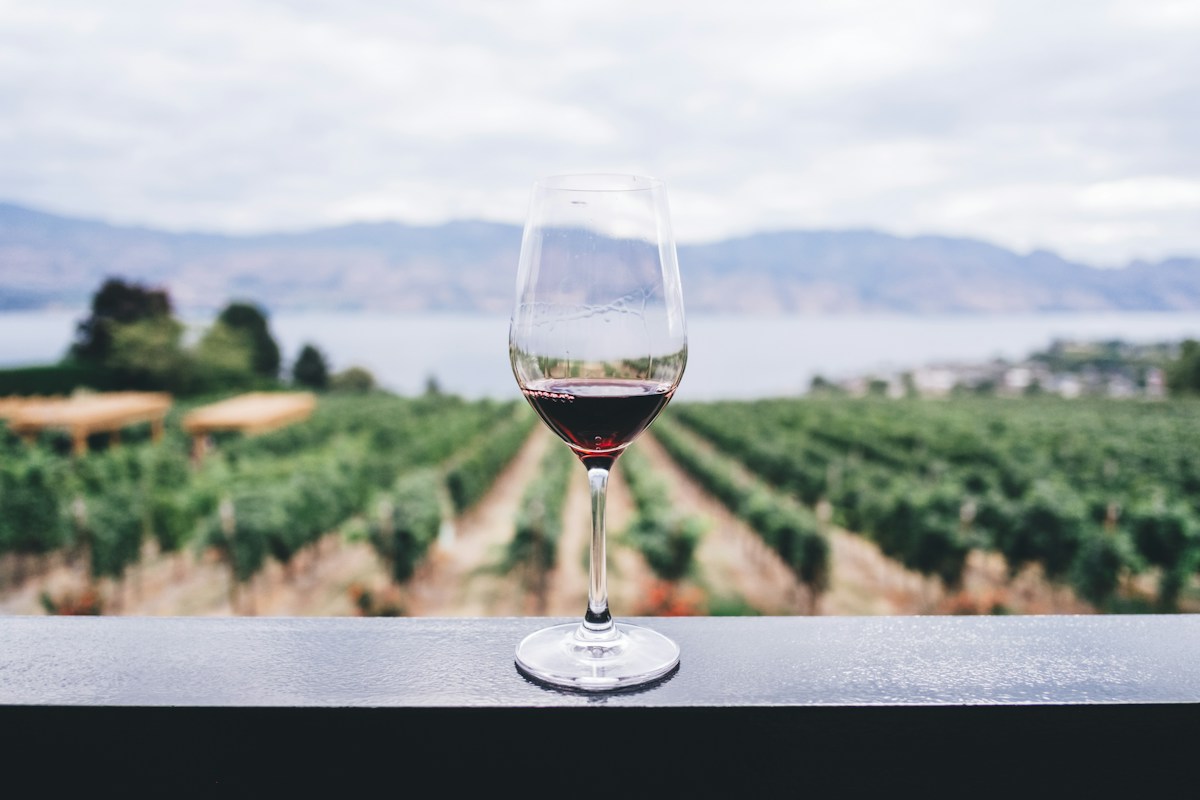
Imagine standing in the cool morning air on a hill wrapped in dense autumn fog. Below you, rows of vines run across volcanic slopes like the musical lines of an ancient song. In the distance, the Tisza sparkles, and somewhere in the half-light the grapes, touched by botrytis, begin to shrivel—not to rot, but to concentrate, to become refined.
This is Tokaj.
A sip of a great Tokaji Aszú—and time itself seems like a relic. Honey, dried apricots, orange blossom and wet stone dance across the palate, accompanied by an electric acidity that stretches everything out, as if the wine itself were trying to prevent this moment from ending. Tokaj is not a wine you simply drink. Tokaj is an experience, a quiet eruption of history, soil, climate and human dedication—in a single glass.
---
The Distinctive Terroir and Climate
#### The Soil: Volcanic Soul, Salty Depth
Tokaj lies in northeastern Hungary, where the Carpathian range curves around the vineyards like a protective arm. The terroir is a mosaic of volcanic origin, threaded with the finest nuances:
- Volcanic tuffs and andesite: These porous, mineral-rich rocks store water and release it slowly to the vines. They give the wines a pronounced minerality—that famous, almost salty “backbone” that makes great Tokajers seem so vivid.
- Loess and clay soils: They add a hint of richness, round out the structure and contribute to the often creamy texture of the wines.
- Stony, well-drained sites: Perfect for concentrated grapes with intense aromas—especially in the best, steep single vineyards (dűlő), which have been classified for centuries.
Tokaj wines do not taste “just” sweet or just fruity—they taste of place. Of rock, of depth, of an underground that stores heat and radiates it back into the vines at night, while cool winds sharpen the aromatics.
#### The Climate: Where Mist Becomes an Ally
Tokaj’s magic arises in the tension between two rivers: the Bodrog and the Tisza. In autumn, their moist vapors rise and drape the vineyards in a protective veil.
- Morning autumn mist, warm, sunny afternoons: This interplay is ideal for noble rot (Botrytis cinerea), the hallmark of great Tokaji Aszú wines.
- Continental climate with warm summers and cool winters: It allows slow ripening, high acidity and immense aromatic concentration.
- Air movement from the Carpathians: It dries the grapes after the misty hours and prevents the rot from “turning bad”—noble rot instead of grey rot.
Tokaj lives from this fragile balance. A few degrees less, a bit less mist, different soils—and Tokaj would be “just” a beautiful region. As it is, it is a natural phenomenon that tries, year after year, to achieve the impossible: concentration and freshness, sweetness and transparency.
---
The Grape Varieties: The Heart of the Region
In the glass, Tokaj may seem mysterious. But behind this magic stand very concrete grape varieties, each with a clear role in the orchestrated song of the wines.
- Furmint – The Director
Furmint is Tokaj’s dominant grape variety and its undisputed queen. High acidity, thin skins, late ripening—perfect for botrytis.
Character: Green apple, pear, quince, citrus fruits; with age also dried apricot, honey, smoke, wet stone.
Role: Backbone and structure, in both dry and sweet wines. Furmint carries the acidity that keeps the sweetness in balance.
- Hárslevelű (Linden Leaf) – The Poet
More aromatic, more floral, softer than Furmint.
Character: Linden blossom, acacia honey, white flowers, exotic fruits, sometimes a hint of nutmeg.
Role: Aromatic depth and elegance. It lends Aszú wines seductive florality and creaminess.
- Sárga Muskotály (Yellow Muscat) – The Seducer
Intensely aromatic, fragrant, playful.
Character: Grape blossom, fresh muscat grapes, citrus, floral and grapey notes.
Role: Accent in blends, often in fruity, lighter wines, but also as a fine component in noble sweet compositions.
Alongside these, there are other historic varieties such as Zéta, Kövérszőlő and Kabar, usually used as complements to refine the spectrum. But the soul of Tokaj—speaks Furmint and Hárslevelű.
---
History & Tradition
Tokaj is not just a wine region. It is a piece of European cultural history, filled with legends, diplomacy and royal obsessions.
- As early as the 12th and 13th centuries, vines were cultivated here. The volcanic slopes and river proximity were recognized early on as ideal.
- The term “Aszú” appears in the 16th century. One of the earliest deliberately made noble sweet wines in the world was crafted here from botrytized berries—a milestone in wine history.
- Tokaj was the favorite wine of European courts:
- Louis XIV is said to have called Tokaji Aszú the “wine of kings, king of wines” (“Vinum Regum, Rex Vinorum”).
- In Russia, the Tsar had Tokaj transported under military guard.
- In Vienna and Paris, Tokaji became the liquid currency of high society.
- In 1737, Tokaj became one of the first regions in the world to be legally defined as a delimited wine region—long before modern origin systems like AOC or DOC.
- The cool, centuries-old cellars—dug into soft volcanic tuff and coated with a velvety black noble mold (Cladosporium cellare)—form a living archive. Here the wines often age for decades, protected by constant temperatures of around 11–12 °C and high humidity.
After the ruptures of the 20th century—wars, communism, collectivization—Tokaj has experienced a renaissance in recent decades. International investors, committed Hungarian winegrowing families and a rediscovered self-confidence have restored the region’s dignity. Today, Tokaj bridges past and future—with wines that rank among the most complex in the world.
---
Enjoyment & Perfect Pairings
#### Sensory Description: When Sweetness Becomes Transparency
A great Tokaji Aszú is not a “heavy dessert wine”; it is an architecture of light and depth.
Typical aromas and impressions:
- Fruit: Dried apricots, orange zest, candied citrus fruits, peach, quince jelly, dried fruit.
- Honey & sweetness: Acacia honey, blossom honey, caramel nuances—yet never cloying, always laced with acidity.
- Botrytis notes: Saffron, tea, dried herbs, a subtle bittersweet note reminiscent of fine preserves.
- Terroir & maturity: Wet stone, chalk, tobacco, beeswax, nuttiness, sometimes a hint of smoke or truffle with increasing bottle age.
- Structure: At first opulent and creamy, then the acidity tightens everything, carrying the sweetness beyond the tongue into a seemingly endless finish.
Beyond Aszú, Tokaj offers further facets:
- Szamorodni – dry or sweet, from a mix of healthy and botrytized grapes: complex, slightly oxidative notes, a grand food wine.
- Late harvests and noble sweet blends: fruit-forward, more accessible, yet deep.
- Dry Furmint & Hárslevelű: salty, taut, mineral—a quiet sensation for lovers of great, characterful white wines.
#### Food Pairing: Culinary Love Letters
Tokaj’s true greatness reveals itself at the table. Some inspiring combinations:
- Tokaji Aszú (5–6 puttonyos, noble sweet)
- Foie gras terrine with brioche and fig chutney
- Blue cheeses: Roquefort, Stilton, Gorgonzola dolce
- Middle Eastern/Oriental desserts with pistachios, honey and orange
- Classics: Crème brûlée, apple tart, desserts with apricot
Secret: The high acidity “cuts” through fat and salt, while the sweetness caresses salt and spice.
- Dry Furmint
- Pan-fried zander, pike or other freshwater fish
- Smoked fish, sushi & sashimi—the minerality and acidity are a superb match
- Poultry with creamy sauces, veal, mushroom risottos
- Hard cheeses like Comté, Gruyère or aged goat’s cheese
- Dry Szamorodni (slightly oxidative, nutty)
- Aged hard cheeses and nut assortments
- Tapas, Jamón Ibérico, pâté and rillettes
- Mushroom dishes, especially with truffle or sherry-like aromas
A great Tokaj is less a dessert accompaniment than a culinary conductor: it can crown a menu, ennoble a cheese board, or turn a quiet evening into an intimate ritual.
---
FAQ – The 10 Most Important Questions About Tokaj
1. What makes Tokaj wines so special?
The combination of volcanic soil, the specific microclimate of two rivers, and noble rot that produces highly concentrated berries year after year makes Tokaj unique. Add centuries of tradition, ancient cellars and grape varieties like Furmint that deliver high acidity and enormous longevity. Tokaj unites intensity, sweetness and almost shocking freshness in a way rarely matched anywhere in the world.
2. Which grape varieties dominate in Tokaj?
The main variety is Furmint, followed by Hárslevelű. Additionally, Sárga Muskotály, Zéta, Kabar and Kövérszőlő play a role. Furmint provides structure and acidity, Hárslevelű aromatics and texture; the remaining grapes add individual accents.
3. What does a typical Tokaj wine taste like?
A classic Tokaji Aszú tastes of dried apricots, orange peel, honey, saffron and wet stone, with opulent sweetness but firm, lively acidity. Dry Furmints show more green apple, citrus fruits, herbs and pronounced minerality—often with a long, salty finish. Tokaj is always multi-layered, never one-dimensionally sweet.
4. How long should Tokaj wines be aged?
Noble sweet Tokaji Aszú wines are among the most age-worthy wines in the world.
- Good quality: 10–20 years
- Great vintages and top producers: 30, 40 years or more
Dry Furmints can, depending on style and vinification, age beautifully for 5–10 years (and in some cases beyond). Typical Tokaj aromas become more complex over time: wax, dried fruit, nuts, tobacco.
5. What foods pair well with Tokaj wines?
- Aszú & sweet wines: Foie gras, blue cheese, aged hard cheeses, desserts with apricot, citrus, nuts or caramel.
- Dry Furmints: Fish, seafood, poultry, creamy sauces, risotto, Asian cuisine with gentle heat.
- Szamorodni: Cheese boards, tapas, nut dishes, mushroom dishes.
Basic rule: The wine should be at least as sweet as the dessert, otherwise it can seem flat.
6. What is special about Tokaj’s terroir?
Volcanic soils, finely structured topography, exposed sites and the interplay of Bodrog and Tisza shape Tokaj. Autumn mists promote noble rot, sun ensures concentration, and the soils deliver minerality and structure. Many sites have been classified for centuries—a sign of deep knowledge of this terroir.
7. Which wineries in Tokaj are particularly recommended?
Without claiming completeness, connoisseurs regard the following among others as benchmarks (selection, reflecting current wine culture):
- Disznókő
- Oremus
- Royal Tokaji
- Szepsy
- Királyudvar
- Pajzos & Megyer
- Dobogó
These estates offer an excellent introduction to the region’s quality and stylistic diversity.
8. How much does a good Tokaj wine cost?
- Dry Furmints: Very good quality already from around €10–15, top sites and flagship wines usually between €25–50.
- Noble sweet Tokaji Aszú: Entry-level from good producers around €25–40, top wines and single-vineyard Aszú often €50–150 or more.
Given the enormous manual labor, yield restrictions and longevity, top Tokajers are still considered undervalued internationally.
9. When is the best time to visit Tokaj?
The autumn months (September to October) are ideal. The vineyards glow golden, botrytis is beginning to work, the winemakers are in the midst of harvest—the energy is palpable. Spring (May, June) is quiet and romantic, with fresh green and fewer visitors. Summer can be hot, winter cool and misty, which has its own mystical charm.
10. What are alternatives to Tokaj wines?
If you love this style, you may find somewhat similar profiles in:
- Sauternes (France) – also a botrytis sweet wine, more tropical fruit, creamier, often with more oak.
- Beerenauslesen and Trockenbeerenauslesen from Germany and Austria – high sweetness and acidity, sometimes similar aromas.
- Noble sweet Chenin Blancs from the Loire (Coteaux du Layon, Quarts de Chaume).
However, the mix of Furmint acidity, volcanic minerality and Tokaj’s microclimate is ultimately unrepeatable. Sometimes similar—never the same.
---
Conclusion: A Wine That Touches the Soul
Tokaj is not a loud wine. It doesn’t shout for attention; it whispers. And yet—once you open yourself to it, you carry it with you for a long time.
It is this paradox that makes Tokaj so irresistible:
Sweetness and clarity, depth and lightness, centuries of history in a glass that feels so alive it might have been invented yesterday. Every sip is a journey into damp cellars, golden vineyards, misty riverbanks and into the hands of those people patiently picking grapes that resemble raisins more than berries.
For the curious wine drinker, Tokaj is an insider tip; for the trainee sommelier, a textbook in liquid form; for the seasoned wine lover, a quiet obsession. A great Tokaji Aszú—or a characterful dry Furmint—has the rare ability to anchor moments: an evening with friends, a quiet conversation, an anniversary, a farewell.
Perhaps this is what describes Tokaj best:
Not simply a wine, but a concentrate of time, light and longing. A sip of eternity that reminds us some things only arise when we allow nature—and life—to be slow.