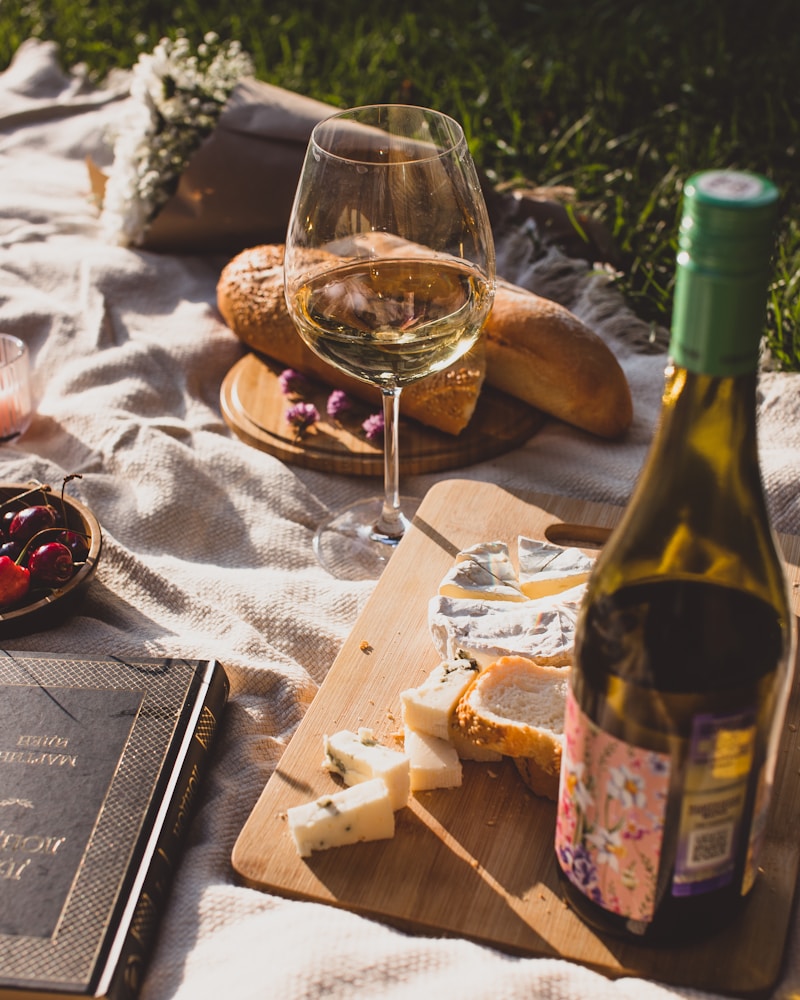
Atlantic Wingbeat Verdelho: The Salty Poetry of the Ocean in Your Glass
Verdelho ist der salzige Windstoß des Atlantiks im Glas – lebendig, zitrisch, mineralisch und wie geschaffen für alle, die das Meer lieben.
Atlantic Wingbeat Verdelho: The Salty Poetry of the Ocean in Your Glass
---
Introduction
Dear wine lover, imagine standing at the edge of a cliff, the Atlantic roaring beneath you, the wind carrying salty spray and the scent of lemon trees upwards. That is exactly how Verdelho tastes. This grape variety is no quiet whisper; it is a sea breeze that messes up your hair and awakens your heart – a wine that not only refreshes you, but transports you into another world.
Verdelho is like a salty gust of Atlantic wind, captured in a golden‑green shimmering grape. In the glass it shines as bright as morning sun over the terraces of the Azores, with a fine silver rim that recalls sea spray. On the nose, lemon, lime, green mango, white peach and grapefruit dance together, accompanied by delicate herbs and a subtle hint of sea salt. On the palate it is taut, lively, with high, electric acidity and a medium body – never heavy, never tired, always searching for the next cresting wave.
What makes Verdelho so special is this magnificent tension between freshness and depth, between tropical fruit and Atlantic smoke, between juicy ripeness and salty coolness. It is a wine for people who love the sea – even when they are sitting far inland, raising their glass and closing their eyes for a long, deep moment.
---
1. The Globetrotter in the Glass: Where Verdelho Feels at Home
Verdelho is a grape variety with a soul – and that soul belongs inseparably to the Atlantic. Its most important stages lie in Portugal, especially where the ocean plays along or at least sends its cool breath.
Açores – The Volcanic Gardens of the North Atlantic
On the Azores, Verdelho grows in a landscape that seems almost unreal: black lava walls that protect the vines from the wind, volcanic soils that store warmth and defy salt, wind and rain. Here, wines are born that are both sparse and powerful.
Verdelho from the Azores often shows an especially mineral profile: lemon zest, lime, green mango and white peach take the lead, yet beneath them there is always a fine salty note that recalls wet stone, sea breeze and spray. The high acidity feels like a cold plunge into the ocean – invigorating, rousing, almost electrifying. These wines are pure, almost ascetic, and yet incredibly moving.
Madeira – The Ancient Soul of the Seafarers
On Madeira, Verdelho has written history. Oxidised and heated in casks during long sea voyages, it became one of the great classic fortified wines of the world. Even though many Verdelhos from Madeira are made today in a modern, dry style, the grape here still wears its origin like a badge of honour on its chest.
Verdelho from Madeira, dry to off‑dry, feels denser, more concentrated, often with notes of candied lemon, grapefruit peel, herbs and a beguiling, slightly smoky iodine character. Even in the sweeter, traditional Madeira styles, Verdelho never appears sticky: its high acidity keeps everything taut, just like the wind tugging at the island’s cliffs. Here, Verdelho tastes like a glance back into the age of tall ships.
Douro – River Terraces in the Sunlight
The Douro is world‑famous for Port and powerful reds, yet in the shadow of the schist terraces, Verdelho also matures into fascinating white wines. The Atlantic is further away here, but the river, together with higher altitudes, brings freshness to the grapes.
In the Douro, Verdelho often shows more fruit richness: green mango, ripe white peach, sometimes even a hint of yellow fruit, framed by citrus notes. The acidity remains high, but here it is more creamily embedded, the body feels a touch fuller. The schist soils add a dark, almost smoky minerality that recalls warm stones in summer. A Douro Verdelho can appear generous and opulent without losing its inner tension.
Alentejo – Fiery Sun and Cool Nights
Alentejo is warm, wide and flooded with light – not exactly a classic white‑wine paradise. Yet in higher sites and with modern vineyard work, it is possible to keep Verdelho fresh here as well. The result: a powerful, sun‑drenched expression.
Alentejo Verdelho often shows more intense tropical notes – riper mango, juicy peach, sometimes even a touch of pineapple – always balanced by citrus and the typically fresh Verdelho bite. The body feels a touch broader, the wine creamier, without becoming heavy. When this Atlantic grape meets Mediterranean sun, a charming, open style emerges that is particularly approachable.
Lisboa – The Sea Breeze in the Hinterland
The wine region around Lisbon is perhaps the most direct stage for the “sea salt” character of Verdelho. Cooling winds from the Atlantic, limestone‑rich soils and a moderate climate give wines with a taut, clear profile.
A Verdelho from Lisboa smells of lime, grapefruit, white blossoms and fresh herbs, plus that fine, mouth‑watering saltiness. On the palate these wines are chiselled, precise, often slightly lower in alcohol but full of energy. It is as if a sea breeze were blowing through the glass – a perfect style for anyone who loves crisp, cool‑toned white wines.
---
2. Between Ocean Steel and Barrel Poetry: How Verdelho Is Made
Verdelho is a grape variety made for tension and contrast. This tension also shows in the cellar: between crystal‑clear stainless steel and the gentle embrace of oak.
Stainless Steel – The Pure, Salty Edge
Raised in stainless steel, Verdelho shows its naked, unadulterated face. No oak aromas, no vanilla curtain, just fruit, acidity, minerality and salt.
In this form it bursts with aromas of lemon, lime, grapefruit, green mango and white peach. Herbs such as lemon thyme or wild fennel and that unmistakable sea‑salt note stand out clearly. On the palate the wine feels taut, cool and very focused. The high acidity cuts precisely through the flavours and makes you long for the next sip – and for food.
Stainless‑steel Verdelho is like a morning dip in the Atlantic: fresh, awakening, with no distractions.
Oak – More Depth, More Texture
In oak – especially large, used barrels – Verdelho gains another dimension. The goal is not to drown it in vanilla, but to give it more space, more structure and a soft, warm resonance.
A Verdelho matured in oak shows, alongside its typical citrus and mango aromatics, often riper peach, a creamier texture and subtle nutty, spicy undertones. The acidity stays high, but feels rounder, more integrated – like a wave no longer foaming, but running long and smooth. The oak can add fine notes of roasted hazelnut, bread crust or delicate vanilla without covering the salty core.
Particularly exciting are methods where part of the wine matures in stainless steel and another part in oak. This creates a fascinating interplay: the crystal‑clear freshness of the Atlantic meets the soft depth of an old cellar.
Sweet, Off‑Dry, Dry – The Style Palette
Historically, Verdelho on Madeira has often been made with residual sugar – off‑dry to medium‑sweet, as a fortified wine. Modern still styles, however, are mostly dry: bone‑dry to slightly off‑dry.
- Dry: cracklingly fresh, salty, citrus‑driven, perfect with food.
- Off‑dry: a little softer on the attack, the fruit feels juicier, ideal for spicy or slightly hot dishes.
- Traditional Madeira styles (with Verdelho): concentrated, oxidatively aged, with intense acidity and complex nut, caramel and herbal notes – a whole universe of its own.
---
3. Pairing Recommendations: The Perfect Partner
Verdelho is a dream for foodies: its high acidity, medium body and salty streak make it an ideal partner for many dishes, especially where sea, citrus and freshness come into play.
| Dish | Wine Style | Why It Works |
|----------------------------------|--------------------------------------|-------------------------------------------------------------------------------|
| Grilled octopus with lemon oil and parsley | Dry Verdelho from Lisboa or Açores (stainless steel) | The salty, mineral character of the wine mirrors the sea; citrus aromas amplify the lemon oil; the high acidity cuts effortlessly through the olive oil. |
| Ceviche of white fish with lime, coriander & chili | Off‑dry Verdelho from Douro or Alentejo | The slight residual sweetness tames the heat; lime and mango notes echo the marinade; the vibrant acidity keeps the dish feather‑light. |
| Roast chicken with herbs, fennel & sea‑salt potatoes | Oak‑matured Verdelho (Douro or Alentejo) | The medium body and subtle oak give the dish structure; herbal and fennel notes in the wine link with the pan juices; the acidity balances the roasted flavours. |
---
4. FAQ – 10 Questions for Verdelho Lovers
❓ 1. Is Verdelho always sweet, like Madeira?
No. Verdelho is a grape variety, not a sweetness level. On Madeira it has traditionally been used for off‑dry to medium‑sweet fortified wines, but modern Verdelho wines from Açores, Lisboa, Douro or Alentejo are predominantly dry (sometimes slightly off‑dry). High acidity always guarantees freshness – even in sweeter styles.
---
❓ 2. What does a typical dry Verdelho taste like?
You can look forward to intense citrus notes (lemon, lime, grapefruit), plus green mango, white peach, fresh herbs and a distinctive sea‑salt note. On the palate it is medium‑bodied, with high, lively acidity and a long, salty‑fresh finish. Not a cosy sofa wine – more like a bracing walk by the sea.
---
❓ 3. What does Verdelho pair especially well with?
Verdelho is tailor‑made for seafood: octopus, mussels, grilled fish, ceviche, sushi, but also poultry with herbs, light tapas, goat’s cheese or sea vegetables (seaweed, samphire). Anything with citrus, fresh herbs or an iodised, oceanic character in the dish will react especially harmoniously with Verdelho.
---
❓ 4. Should I drink Verdelho young, or can it age?
Many Verdelhos – especially those raised in stainless steel – are designed to be drunk young, within 2–4 years of the vintage. But good quality examples, particularly from the Azores, Madeira or higher‑altitude Douro sites, can age 5–10 years and longer. Over time they develop complex notes of honey, dried herbs, nuts and ripe stone fruit without losing their acidity.
---
❓ 5. What is the best serving temperature for Verdelho?
For most dry Verdelho wines, 8–10 °C is ideal. Too cold and the aromas are closed; too warm and the acidity can seem harsh. For oak‑matured or aged Verdelho, 10–12 °C works beautifully – it allows texture and complexity to unfold.
---
❓ 6. Is Verdelho similar to Sauvignon Blanc or Riesling?
In a way, it stands between these worlds. Like Riesling, Verdelho has high acidity and great ageing potential, but in terms of aroma it’s closer to a salty‑mineral Sauvignon Blanc with fewer grassy notes and more sea salt, mango and peach. It is distinctive enough to be considered an “Atlantic original”, but if you love Sauvignon Blanc or Riesling, chances are high you’ll also fall for Verdelho.
---
❓ 7. Where can I find the most authentic Verdelho wines?
If you are searching for the salty, cool personality of Verdelho, Açores and Lisboa are wonderful addresses. For historically shaped styles and complex fortified wines, Madeira is unrivalled. If you’d like to explore fuller, sunnier interpretations, look to Douro and Alentejo.
---
❓ 8. Is Verdelho a good entry‑level wine for “wine newbies”?
Yes, especially if you enjoy fresh, not overly heavy whites. The clear fruit, lively acidity and accessibility of most dry styles make Verdelho very uncomplicated. One tip: start with a dry Verdelho from Lisboa or Açores aged in stainless steel – it shows the grape in its purest, most direct form.
---
❓ 9. How do I recognise Verdelho on the label – are there synonyms?
On Portuguese wines you will usually find “Verdelho” clearly stated on the label. There are other varieties with similar names (such as Verdelho Tinto or Verdelho Branco in some regions, which are not always genetically identical), but for the classic Atlantic whites it is usually the pure “Verdelho” that is used. On Madeira wines, “Verdelho” is also a style designation for certain traditional sweetness levels.
---
❓ 10. Everyone talks about “salt” in Verdelho – is there really salt in it?
Of course there is no salt in the wine. When we sommeliers talk about “saltiness”, we mean a mix of high acidity, specific minerality and a tactile impression on the palate – comparable to the feeling when light sea spray touches your lips. Especially Verdelho from coastal, volcanic soils (Açores, Madeira) can convey this salty impression very clearly. It is the sea that greets you in the wine – not in the form of grains, but as a memory.
---
Verdelho is not just another grape variety. It is a promise: that no matter where you are, you are only one glass away from the Atlantic. Next time you open a bottle, take a moment, inhale, taste – and listen, in the background, to the roar of the waves.