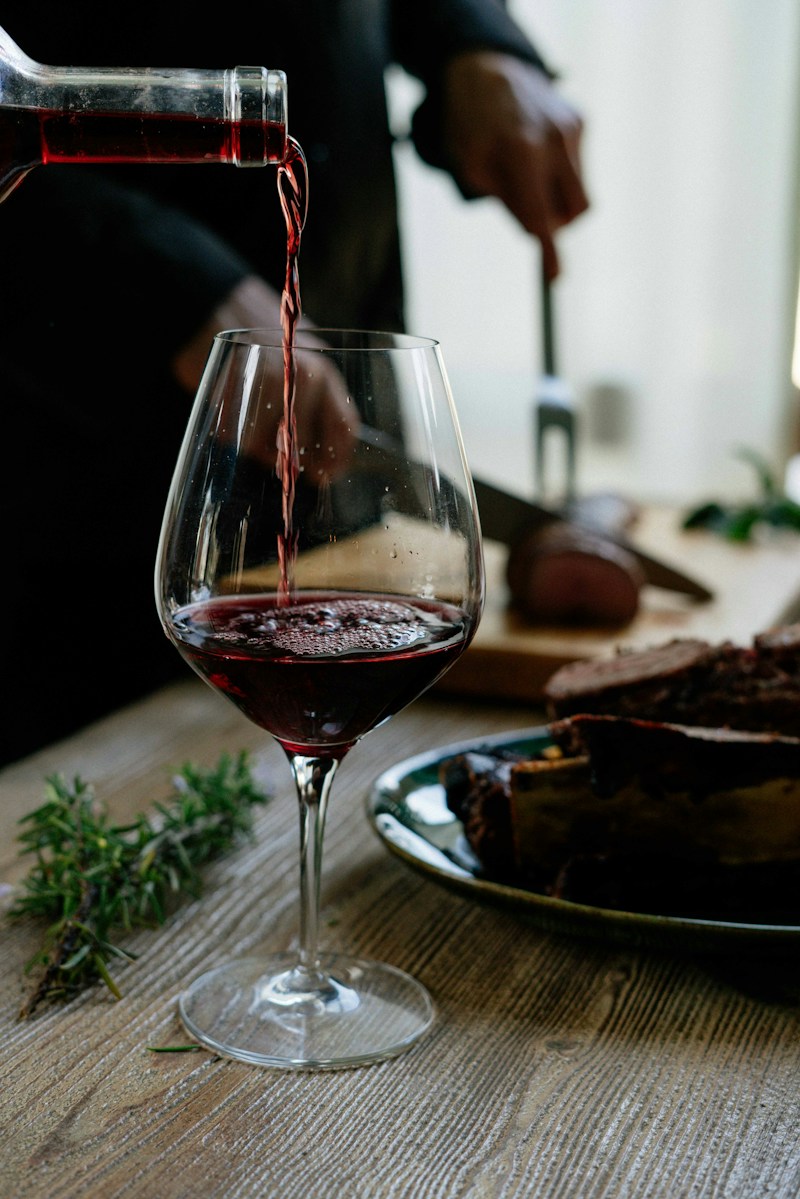
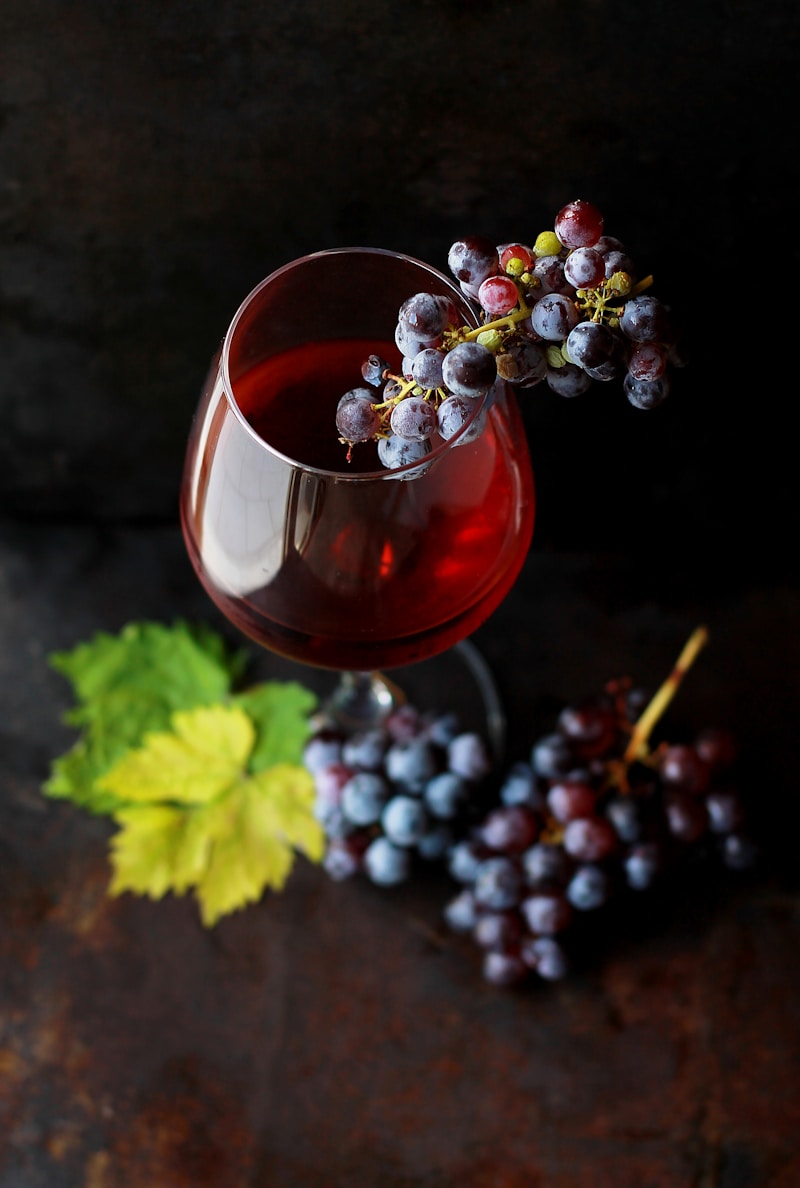
The Nocturnal Pulse of Teroldego: A Red Star in the Dolomite Sky
Teroldego ist der dunkel funkelnde Pulsschlag des Trentino – elegant, saftig, bergfrisch und voller Geschichten aus den Dolomiten.
The Nocturnal Pulse of Teroldego: A Red Star in the Dolomite Sky
Dear wine lovers,
some grape varieties tell stories – others are stories. Teroldego belongs to the second category. Every sip feels like a nighttime stroll through Trentino, when the Dolomites appear only as dark silhouettes against a sky embroidered with stars and the air is scented with damp stones, herbs, and ripe berries.
Teroldego is the darkly sparkling heartbeat of this landscape: in the glass, a play of purple and ruby; on the palate, a melody of blackberry, sour cherry, blueberry, and violet, shot through with a clear, mountain-fresh acidity. It’s not a loud, muscle-bound red wine – more an elegant storyteller, medium-bodied, juicy, with tannins that don’t dominate but feel like a friendly embrace. A wine that seduces not with power, but with personality.
What makes Teroldego so special is its ability to be both grounded and poetic at the same time. It tastes of earth and rock, of herbs, red plums, and a hint of pepper – and yet there is always something light, almost weightless about it, as if the cool mountain air were carrying it on its shoulders. Within it lies the memory of sun-warmed vineyards laced with cool winds, of old vines in the Piana Rotaliana, and of the people who have guarded this “dark star” of Trentino for generations.
---
1. The Globetrotter in the Glass: Where Teroldego Calls Home
If Teroldego could speak, it would probably tell its tales in a gentle northern Italian dialect – constantly pointing back to its homeland: Trentino. Even though this grape is not yet a global star like Cabernet or Pinot Noir, it has a clear center, a beating heart that shapes its character.
Trentino – The Heartland with a Mountain Echo
In Trentino, the heart of Teroldego beats strongest. Here, in the shadow of the Dolomites, it finds what it loves: cool nights, sunny days, and soils that breathe history. A typical Teroldego from Trentino is:
- deep ruby red with violet reflections
- aromatically shaped by blackberry, sour cherry, blueberry, and red plum
- subtly spiced with herbs and a fine touch of pepper
In style, it is medium-bodied, juicy, and lively, with fresh but not piercing acidity. It feels like a conversation that gradually deepens: accessible, charming, but with plenty of depth for those who are willing to listen.
Piana Rotaliana – The Royal Plateau of Teroldego
If you ask in Trentino about the “cradle” of Teroldego, one name almost always comes first: Piana Rotaliana. This fertile plain framed by mountains is considered the grand stage for this grape. The gravel and alluvial soils, shot through with river deposits, give the wine density and elegance.
A Teroldego from the Piana Rotaliana is often:
- especially fragrant, with intense notes of blackberry, dark cherry, and violet
- structured yet never heavy – the tannins feel fine and silky
- precise in its acidity, like a clear mountain stream
Some of the most complex interpretations are born here: from fruit-driven wines best enjoyed young to serious, wood-aged bottlings with fine ageing potential. It’s as if the Piana Rotaliana gave Teroldego its most beautiful pronunciation.
Trentino–Alto Adige – Between Two Worlds
In the wider region of Trentino–Alto Adige, Teroldego finds itself in exciting company: Lagrein, Schiava, international varieties. The climate is often just a shade cooler here, with altitudes that can vary – and with them, the style.
- In slightly higher locations, Teroldego reveals a cooler face: more freshness, accentuated acidity, clear cherry and berry notes, sometimes with delicate floral tones of violet.
- In more sheltered sites, it can become denser, darker, and spicier, with pronounced blackberry aromas and a stronger herbal note.
This regional framework highlights how sensitively Teroldego responds to microclimate and soil – a true mirror of its surroundings.
Valsugana – The Quiet, Mountain Soul
The Valsugana, an elongated valley east of Trento, is less well known, and that is precisely what lends the Teroldego wines from here a nearly secretive charm. Everything is a shade cooler, edgier, stonier.
Teroldego from the Valsugana can:
- feel a little more taut and linear
- shine with lively acidity and fresh sour cherry notes
- display pronounced herbal and peppery tones, sometimes with a hint of wildness
These wines are reminiscent of an early-morning walk when the dew still lies on the meadows and the mountain wind sharpens the senses. No loud spectacle, but a quiet, insistent voice.
---
2. From Steel Kiss to Wooden Whisper: How Ageing Shapes Teroldego
Teroldego is like a gifted actor who can slip convincingly into different roles – depending on whether director Steel or director Wood is in charge. Both ageing styles have their place, and both reveal different facets of this fascinating grape variety.
Stainless Steel – Pure, Unadorned Fruit
Teroldego aged in stainless steel is the direct line to the vine. No oak, no vanilla, no toasty notes – just the pure voice of the grape:
- Aromatics:
Dominant notes of blackberry, sour cherry, blueberry, red plum; often floral accents like violet, plus a touch of fresh herbs.
- Texture & Structure:
Medium body, juicy, lively acidity, fine, supple tannins. The wine feels fresh, highly drinkable, almost dancing on the palate.
- Style:
Ideal for earlier drinking, preferably slightly chilled at 14–16 °C. It shows the youthful, playful side of Teroldego – energetic, fruity, charming.
Stainless-steel Teroldego is like a summer’s day in the mountains: clear, fresh, and full of vivid colors.
Oak – Depth, Structure, and Gentle Darkness
In oak – whether in traditional large casks or in barrique – Teroldego begins to whisper instead of shout. The fruit remains, but enters into a dialogue with discretion and depth:
- Aromatics:
The dark fruit notes (blackberry, dark cherry, berry compote) grow more complex, joined by subtle roast and spice tones: pepper, sometimes a trace of cocoa, tobacco, or understated vanilla, depending on the oak type and toast.
- Texture & Structure:
The body often feels fuller; the tannins become a bit more present yet are finely integrated. The acidity remains medium, lending the wine a long, stretching freshness. The overall impression becomes deeper, slower, more contemplative.
- Style:
Oak-aged Teroldego is an ideal partner at the table, especially with more robust dishes. It often boasts good ageing potential: after a few years in bottle, tertiary notes of undergrowth, dried herbs, and sometimes slightly earthy nuances emerge.
If steel captures the mountain stream and the sunlight, oak brings the forest shadows, the coolness of rock, and the soft echo of a long evening into the glass.
---
3. Pairing Suggestions: The Perfect Partner
Teroldego is an unpretentious yet wonderfully versatile food companion. Its medium build, juicy acidity, and fruity-spicy character make it a true all-rounder – especially with hearty, rustic, down-to-earth cuisine.
| Gericht | Wein-Stil | Warum es funktioniert |
|---------------------------------------|------------------------------|------------------------|
| Geschmorte Rinderschulter mit Polenta | Teroldego aus dem Holzfass | Die dunkle Frucht, die feinen Tannine und die würzigen, pfeffrigen Noten schmiegen sich an das lange geschmorte Fleisch, während die Säure die Saftigkeit erhält und die Cremigkeit der Polenta kontert. |
| Pilz-Risotto mit Kräutern | Teroldego aus dem Stahltank | Die saftige Beerenfrucht und der mittelkräftige Körper umspielen die erdigen Pilzaromen, ohne sie zu erschlagen; die frische Säure bringt Spannung in die cremige Textur des Risottos und verstärkt die Kräuternoten. |
| Gegrillte Salsiccia mit Fenchel | Fruchtbetonter Teroldego (Stahl oder moderates Holz) | Die würzigen Salsiccia-Aromen harmonieren perfekt mit der kräuterigen, pfeffrigen Seite des Teroldego; seine Frucht setzt einen saftigen Kontrapunkt, während Säure und Tannin das Fett der Wurst elegant auffangen. |
---
4. FAQ – 10 Questions for Teroldego Lovers
❓ 1. What makes Teroldego so special in terms of taste?
Teroldego combines dark fruit – blackberry, sour cherry, blueberry, red plum – with lively yet harmonious acidity and soft, inviting tannins. Add to that floral violet notes, herbal hints, and a fine peppery touch. This interplay creates a red wine that is intense and at the same time surprisingly approachable.
---
❓ 2. Is Teroldego more on the light or the heavy side?
Teroldego is classically medium-bodied. It stands between worlds: more powerful and darker than many light reds, but not as massive as muscular blockbusters. As a result, it feels juicy, easy to drink, and versatile without ever seeming overbearing.
---
❓ 3. At what age is Teroldego best to drink?
Young Teroldego wines aged in stainless steel are a real joy in the first 2–4 years – here, freshness and fruit take the lead. Oak-aged bottlings and higher-quality single-vineyard wines can develop beautifully over 5–8 years, some top examples even longer. With age, more notes of herbs, earth, and spice come to the fore, and the fruit grows deeper.
---
❓ 4. What is the ideal serving temperature?
For Teroldego, I recommend:
- Fruit-forward, stainless-steel aged: 14–16 °C – serve slightly chilled so freshness and fruit shine brightest.
- More complex, oak-aged wines: 16–18 °C – warm enough for the spicy and floral notes to unfold, but not so warm that the freshness is lost.
---
❓ 5. Does Teroldego pair well with vegetarian dishes?
Yes – and how! Its combination of medium body, fresh acidity, and spicy fruit makes it perfect with mushroom dishes, ratatouille-style vegetable stews, lentil casseroles, or hearty herb risottos. It can truly shine alongside roasted vegetables (aubergine, peppers, fennel).
---
❓ 6. Is Teroldego a good entry-level wine for red wine newcomers?
Absolutely – especially in the fruity, stainless-steel-aged style. The tannins are usually gentle and caressing, the acidity lively but not aggressive, and the dark fruit is inviting. It doesn’t overwhelm, yet offers plenty of character to keep things exciting.
---
❓ 7. How can I recognize Teroldego in the glass?
Typical are:
- Color: Deep ruby with violet reflections, often almost inky at the rim.
- Nose: Blackberry, sour cherry, blueberry, red plum, plus violet, herbs, and a hint of pepper.
- Palate: Juicy, medium-bodied, with medium acidity and soft, friendly tannins. A wine that makes your mouth water and calls for the next sip.
---
❓ 8. Can Teroldego hold its own on the international stage?
Yes – but it doesn’t aspire to be another Cabernet or Merlot. Teroldego plays in its own league: somewhat more rustic than some international styles, yet more distinctive and authentic. Its alpine freshness, dark, pure fruit, and herbal spice make it a thrilling alternative off the beaten path for true connoisseurs.
---
❓ 9. Which glasses are best suited for Teroldego?
A classic red wine glass with a gently rounded bowl is ideal. For fruity, young Teroldego, a slightly slimmer glass works well to emphasize freshness. For oak-aged, more complex versions, choose a glass with a larger opening so the full range of aromas – from violet to herbs and pepper – can fully unfold.
---
❓ 10. How do you actually pronounce “Teroldego”?
Roughly: Te-ROL-de-go, with the stress on the second syllable. A name that rolls in the mouth like an Italian dialect – and the wine itself lies on the tongue just as smoothly.
---
Teroldego is not a loud protagonist that instantly seizes every spotlight. It is the shining star in a clear night sky that you only notice when you pause, lift your head, and truly look. For those who open themselves to it, the glass holds not just a wine but a piece of Trentino – darkly sparkling, vibrant, and full of stories just waiting to be discovered by you.